The “IMOD” plant in Tajikistan has launched its first hot-dip galvanizing workshop

For the first time in Tajikistan, a specialized workshop for hot-dip galvanizing metal has started operating.  The workshop is located at the "IMOD" plant. This is an important step in the development of the country's metallurgy and construction industries, as the hot-dip galvanizing technology significantly increases the durability of metal products and reduces maintenance costs. […]

Press release by Imdod plant

For the first time in Tajikistan, a specialized workshop for hot-dip galvanizing metal has started operating.  The workshop is located at the "IMOD" plant.

This is an important step in the development of the country's metallurgy and construction industries, as the hot-dip galvanizing technology significantly increases the durability of metal products and reduces maintenance costs.


What is hot-dip galvanizing?

Hot-dip galvanizing (HDG) is the process of coating fabricated steel by immersing it in a bath of molten zinc.  There are three fundamental steps in the hot-dip galvanizing process; surface preparation, galvanizing, and inspection.
The temperature of the molten zinc is typically around 450°C.  When the steel comes into contact with the molten metal, a chemical reaction occurs on the surface, resulting in the formation of a strong alloy of iron and zinc.

Press release issued by the “Imdod” plant says the process includes the following stages:

  • Surface cleaning: Removal of rust, oil, and other contaminants (by mechanical and chemical means).
  • Pickling: Acid treatment to remove oxides.
  • Fluxing: Application of a special compound to improve adhesion.
  • Immersion in molten zinc: The main stage where the protective layer is formed.

Cooling and quality control: After which the product is ready for use.


Where is hot-dip galvanizing used?

This treatment is in demand in the production of:

  • Construction structures and beams
  • Bridges and railings
  • Power line poles
  • Road signs and posts
  • Parts for agricultural and transportation machinery.

The opening of the hot-dip galvanizing workshop in Tajikistan will reduce the country’s dependence on imported services, increase the competitiveness of local products, and improve the quality of infrastructure projects.
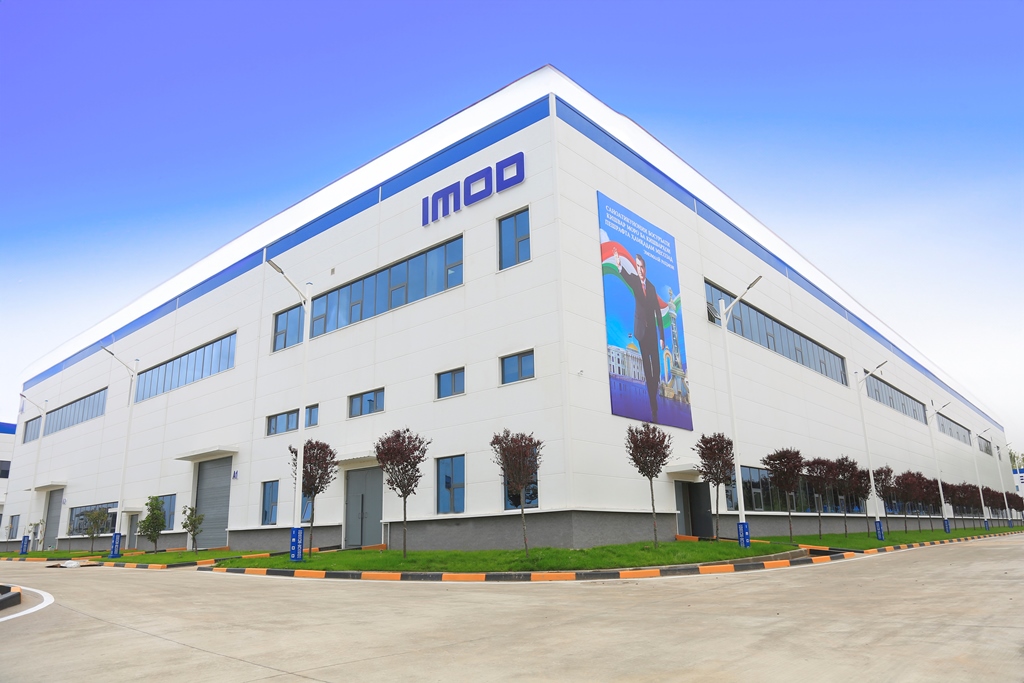
The "IMOD" electrical equipment manufacturing plant was opened on October 31, 2023.  The inauguration ceremony was attended by the President of Tajikistan, Emomali Rahmon, and the Mayor of Dushanbe, Rustam Emomali.

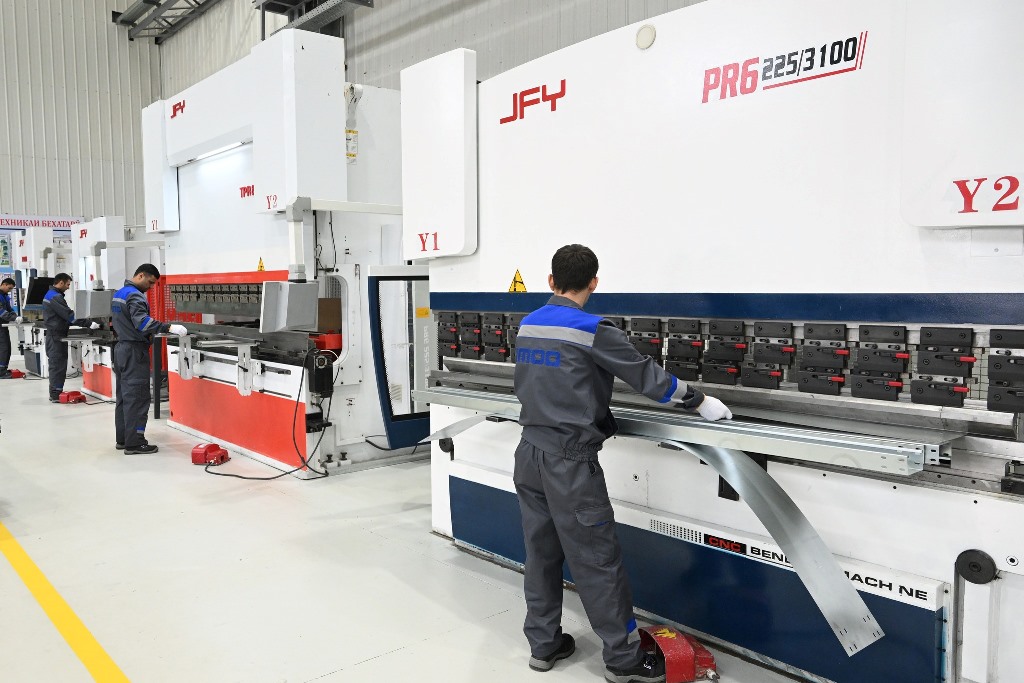
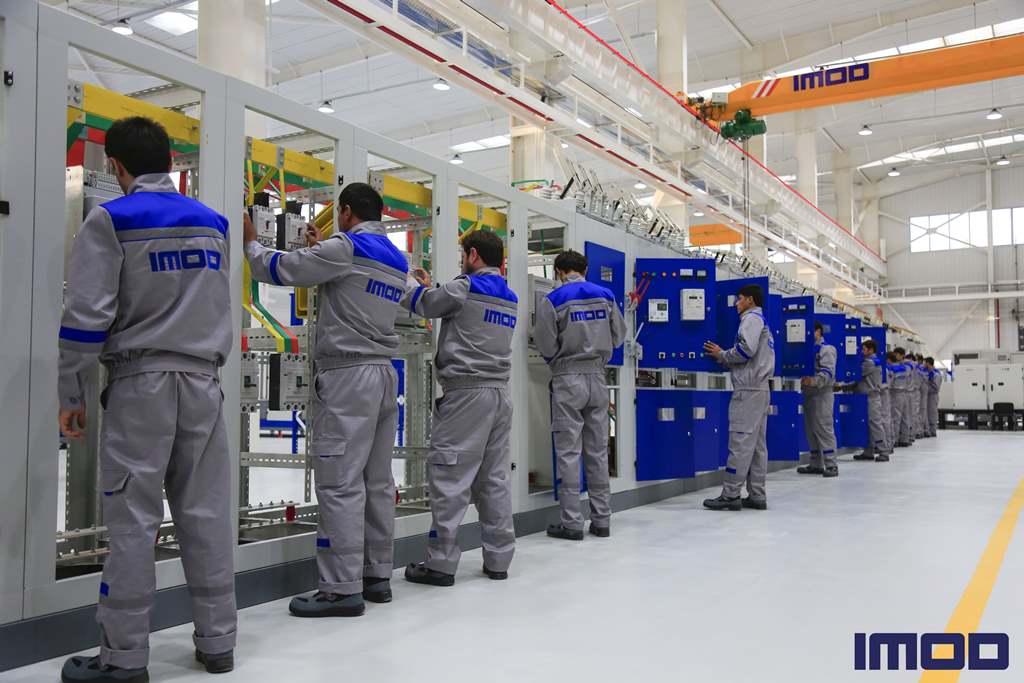
The factory has 16 production lines that manufacture 36 types of products, including electricity meters, circuit breakers, transformer substations, elevator equipment, steel entrance doors, electric and solar water heaters, high-voltage line supports up to 220 kV, road barriers, lighting poles for parks and all types of roads, I-beams, and more.
Join us on social media!

Article translations:

Related Article

Оби зулол
Оби зулол

Most Read

Recent Articles

The only GPW veteran in Dushanbe allocated more than 80,000 somoni

The mayor's office of Dushanbe allocated him 25,000 somoni.

GITEX AI Kazakhstan 2026: how Almaty became the main AI hub of Central Asia

More than 300 companies and startups, over 200 speakers and 100 investors from 50 countries — the region is entering the global stage.

A trade and economic park to be built at the border junction of Tajikistan, Kyrgyzstan, and Uzbekistan

President of the Kyrgyz Republic Sadyr Japarov familiarized himself with the project.

A project to protect soil from degradation to be developed in Central Asia

The initiative is of great significance for the mountainous countries of the region, including Tajikistan.

Mudslide, death, and destroyed homes: hundreds of families in Tajikistan left homeless

A correspondent from "Asia-Plus" visited Kulob and spoke with the families of those who died and were affected by the disaster.

Spring 2026 bright event: new issue of VIPzone now on sale

This issue is about people and ideas that change everything: from business and investments to fashion, food, and urban environment.

Godfrey Sullivan: “Tajikistan is a promising market for Visa to develop digital payments”

The Vice President of Visa explained why Tajikistan is becoming a promising market for digital payments and how artificial intelligence is influencing the future of finance.

Seven students in Dushanbe were threatened with expulsion for arriving at universities in personal cars

The materials for each case have been sent to the Ministry of Education and Science for appropriate actions.

India’s blockchain push and lessons for the global south

The Indian Government has started pushing aggressively its agenda...

India’s blockchain push and lessons for the global south

The Indian Government has started pushing aggressively its agenda...