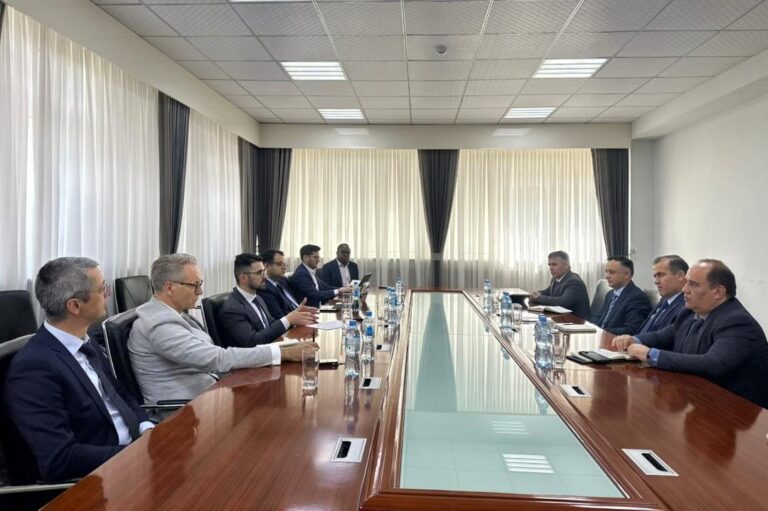
The Intergovernmental Council overseeing the CASA-1000 electricity transmission project held its latest meeting in Dushanbe yesterday, signaling a major step forward in regional energy cooperation across Central and South Asia.
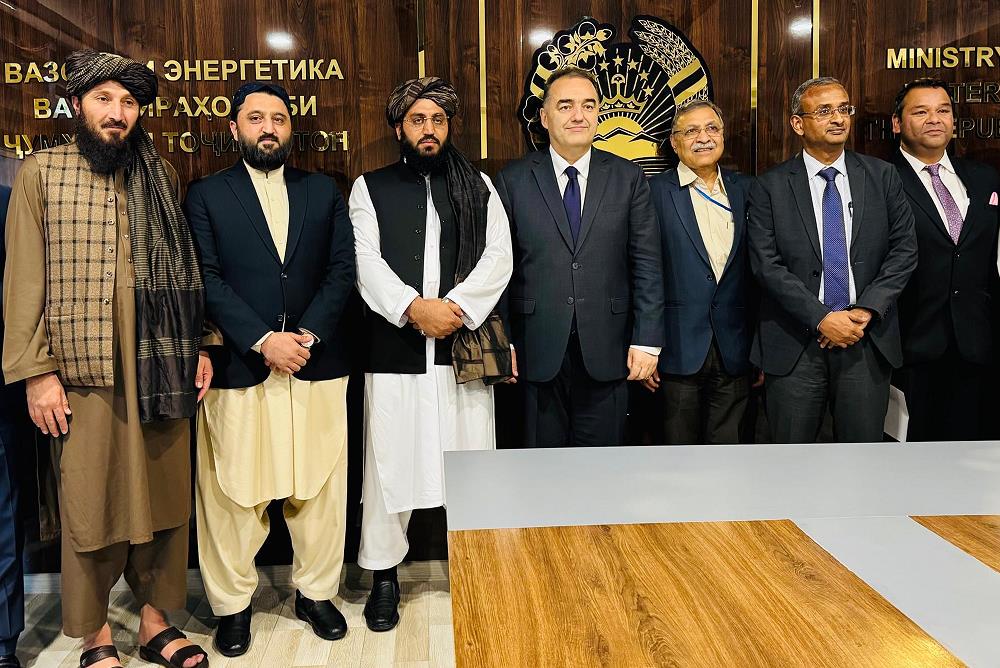
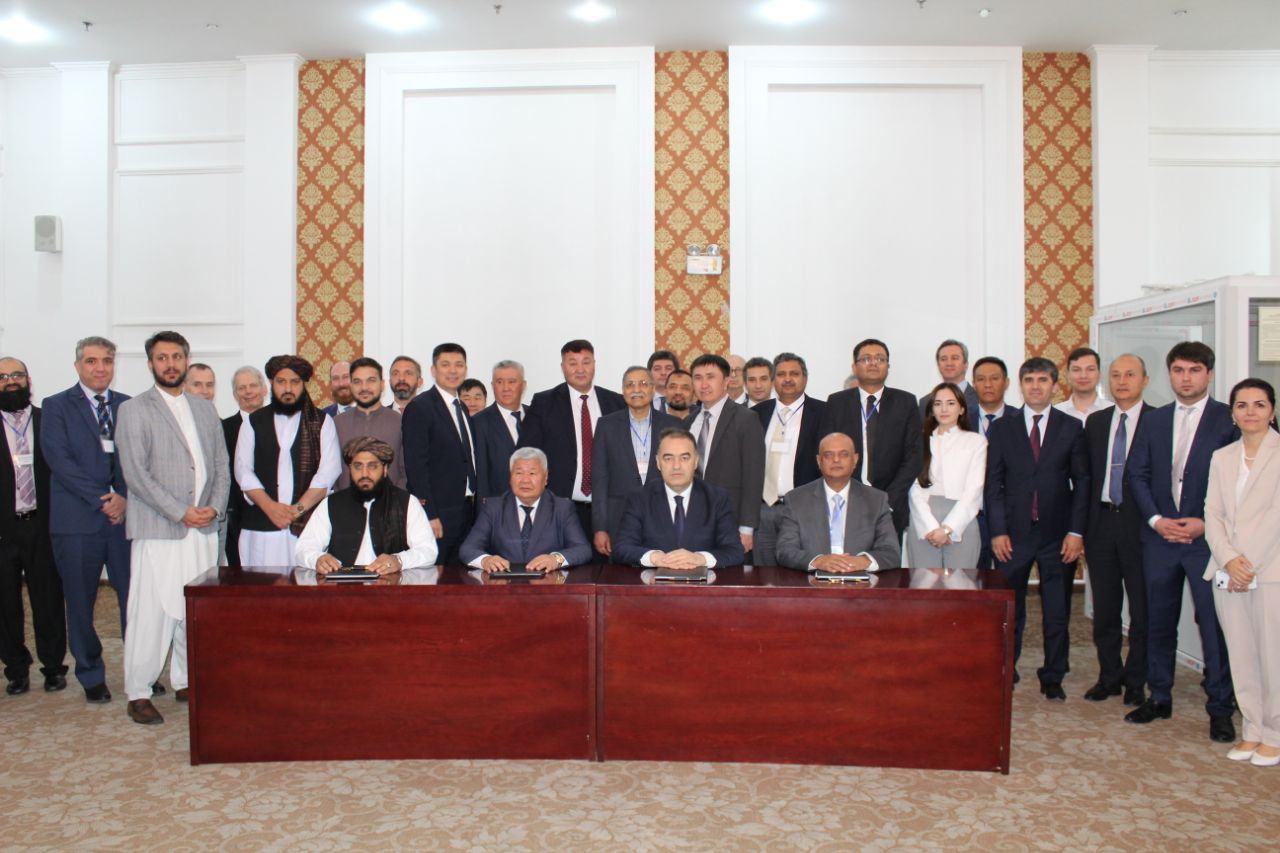
The press center of the Ministry of Energy and Water Resources of Tajikistan (MoEWR) says the high-level session took place at the National Library of Tajikistan, gathering ministers and officials from participating countries, including Tajikistan’s Minister of Energy and Water Resources Daler Juma; Kyrgyz Energy Minister Taalaibek Ibraev; Pakistan’s Federal Minister for Energy Sardar Awais Ahmad Khan Leghari (joining virtually); and Dr. Abdul Bari Omar, Director General of Afghanistan’s Da Afghanistan Breshna Sherkat (DABS). International development partners and financial institutions were also in attendance.
In his opening remarks, Tajik Minister Juma welcomed delegates and highlighted the project’s recent milestones. He announced that construction work on the CASA-1000 transmission infrastructure has been completed in both Tajikistan and Kyrgyzstan. Construction in Pakistan is expected to finish later this year, with progress continuing in Afghanistan.
A major breakthrough was reportedly achieved on March 31, 2025, when the 500 kV “Datka–Sughd” transmission line was successfully energized.
“We can now begin using this line for the benefit of our populations,” said Juma. He credited the advancement not only to national efforts, but also to the consistent support and collaboration of international financial institutions and development partners.
A major highlight of the meeting was the formal approval of the project’s Technical Code, a critical document developed by a joint working group. This code will become part of the project’s foundational agreements and plays a key role in enabling the parallel integration of the power systems of Central and South Asia.
Officials from each participating country and international institutions gave updates on project progress, followed by presentations on construction status in Tajikistan, Kyrgyzstan, Afghanistan, and Pakistan.
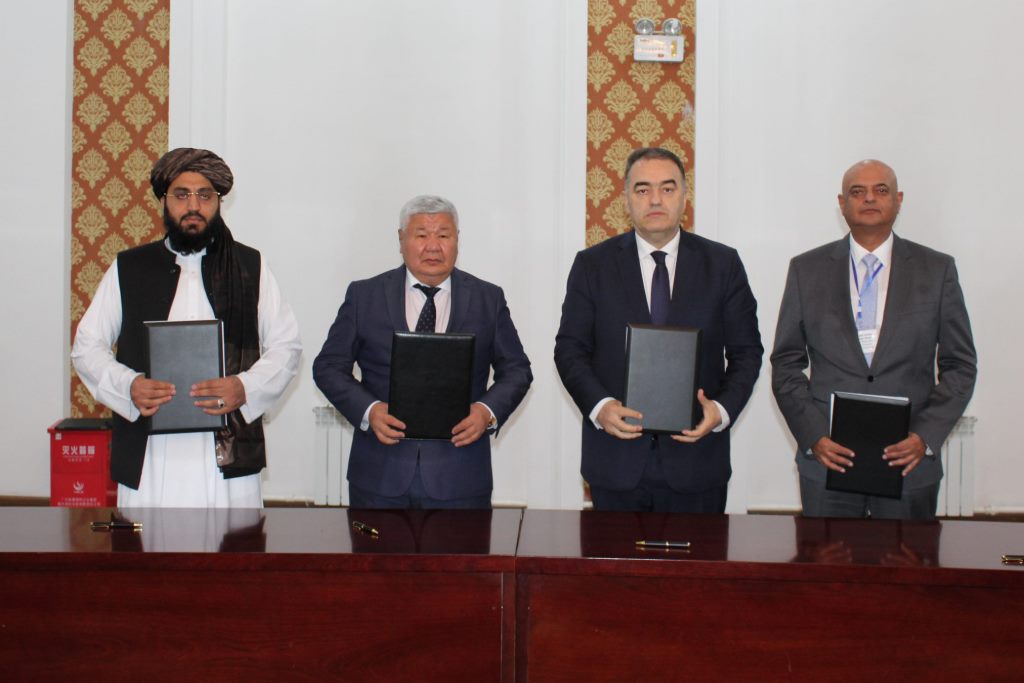
At the conclusion of the meeting, representatives signed several key documents, including:
- The Protocol of the Joint Working Group Meeting;
- The Joint Statement of the Intergovernmental Council Member States;
- The Resolution of the CASA-1000 Intergovernmental Council Meeting.
The CASA-1000 project, a flagship initiative aimed at transmitting surplus hydropower from Central to South Asia, is viewed as a cornerstone for regional energy integration and sustainable development.