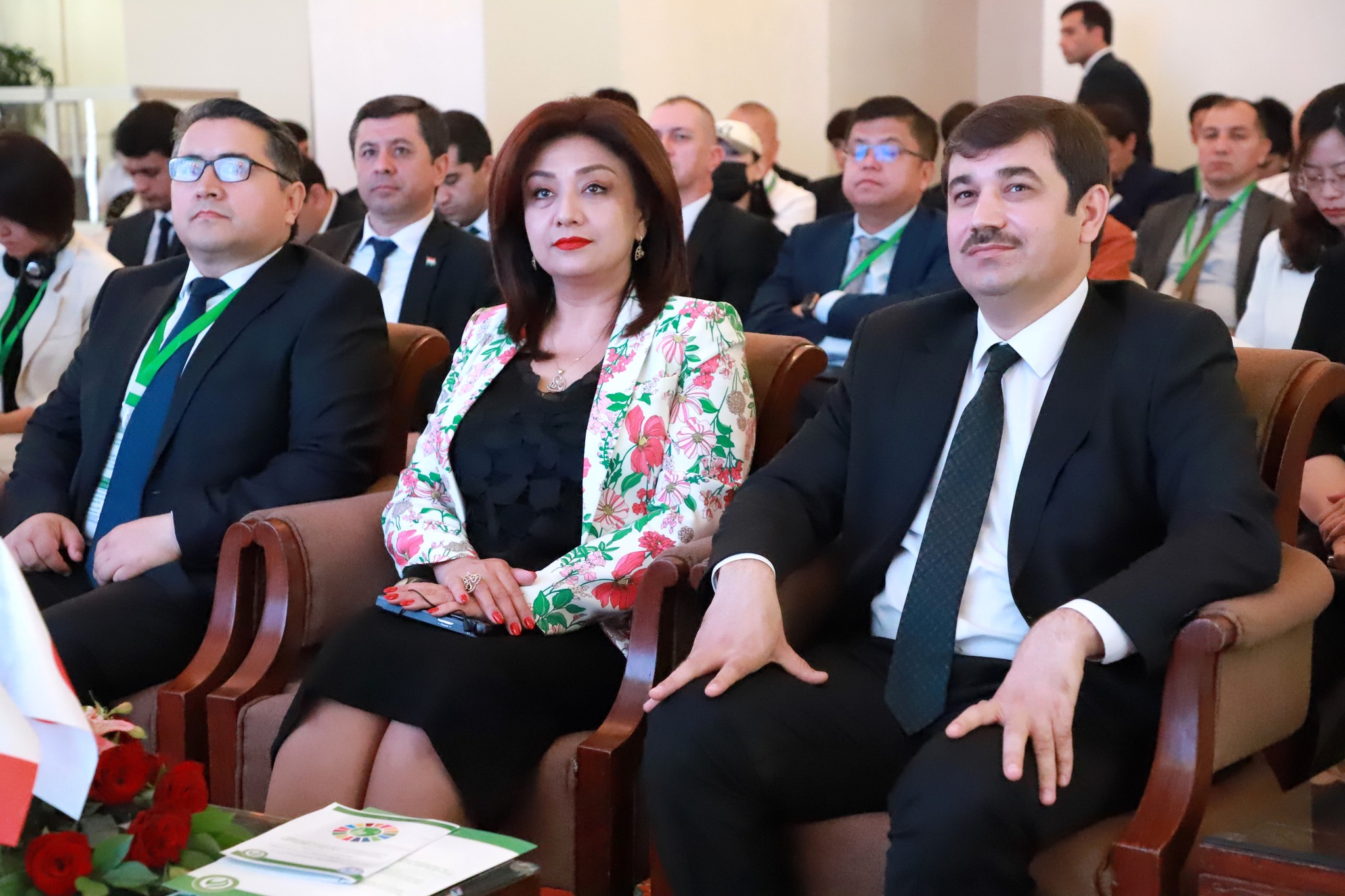
On May 15, Dushanbe hosted the international scientific-practical conference titled “Green Economy in the Context of Climate Change: Transformation for Sustainable Development”, focused on the implementation of Tajikistan’s National Green Economy Strategy for 2023–2037.
Deputy Prime Minister, Ms. Dilrabo Mansouri, highlighted that the rational use of natural resources and efforts to mitigate the impacts of climate change are key priorities in the country’s economic policy.
“Green economy is a path toward sustainable development, aimed at long-term economic growth, social stability, and environmental balance,” she said.
Mansouri also noted that from May 29 to 31, Dushanbe will host a high-level international conference on glacier preservation, initiated by Tajikistan at the UN.

She expressed confidence that knowledge sharing and research presented at the event would significantly contribute to Tajikistan’s green economy goals and climate resilience.
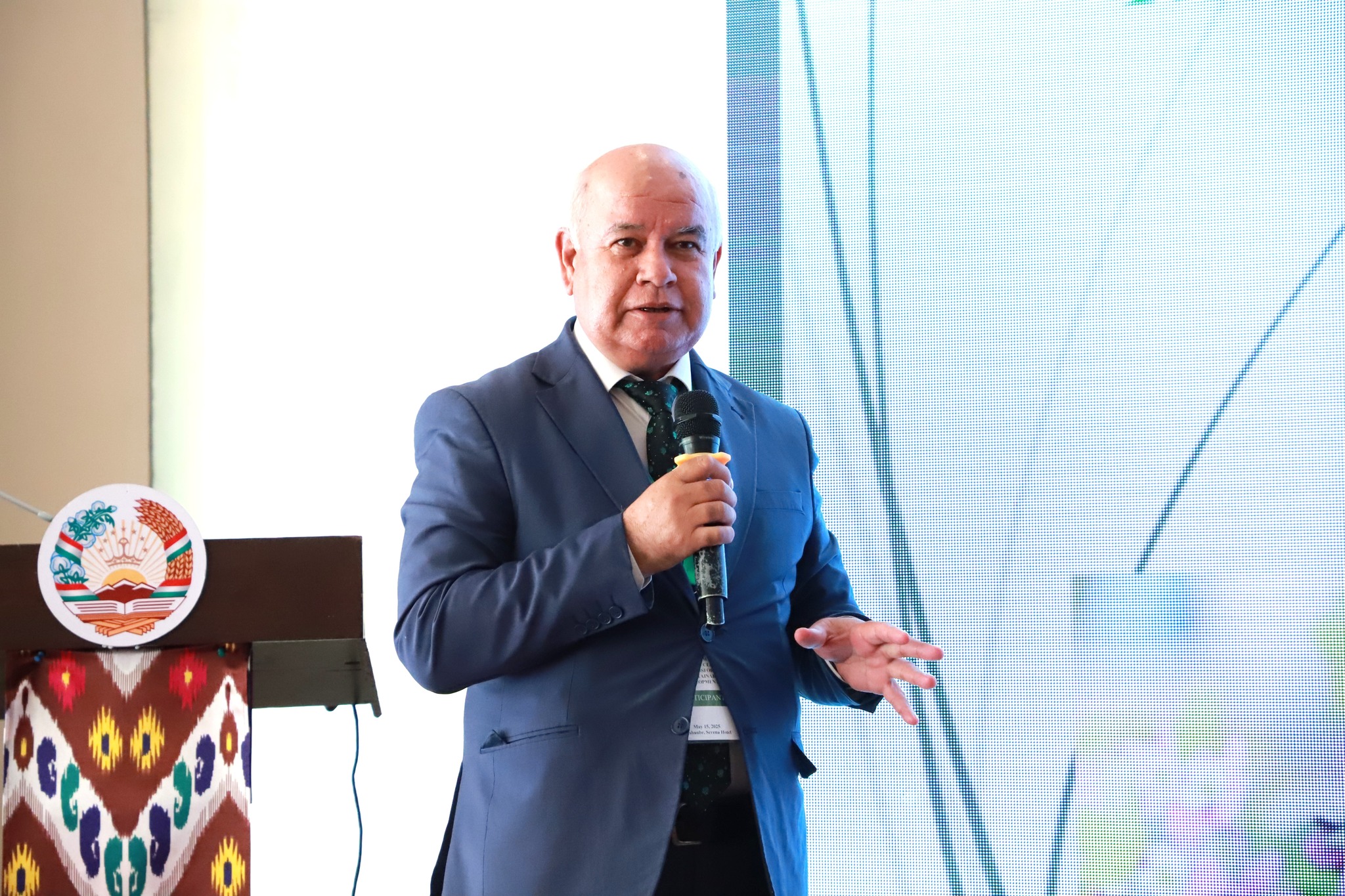
Speaking at the event, Dr. Ubaidullo Asrorzoda, Rector of the International University of Tourism and Entrepreneurship, emphasized the urgency of transitioning to a green economy in response to global climate challenges.
First Deputy Minister of Economic Development and Trade Ashourboy Solehzoda shared progress from the first phase of the strategy and outlined future plans. One major achievement, he said, was the designation of Dushanbe as a city of green technologies.
Over the past three years, around 20,000 electric vehicles have been imported into the country. With the upcoming launch of domestic EV production, that number is expected to grow significantly. Starting September 2025, Dushanbe’s entire public transport system will shift to electric vehicles — a move aimed at dramatically reducing air pollution.
Tajikistan is also introducing organic production standards, eco-friendly building practices, and sustainability principles. The country has joined the Global Green Growth Institute, is working with the World Bank’s Climate Investment Funds, and is developing a green finance market.
Currently, 98% of the country’s electricity is generated from renewable sources, mainly hydropower — with a goal of reaching 100% by 2032. In the past year alone, 70 waste processing enterprises have been launched.
As part of a nationwide reforestation program, over 3 million trees have been planted so far. By 2040, the goal is to plant more than 2 billion.
New educational programs are being developed to train green economy specialists, and the government is exempting electric vehicles from customs duties. Major projects include the ongoing construction of the Roghun Hydropower Plant, which is expected to help reduce greenhouse gas emissions.
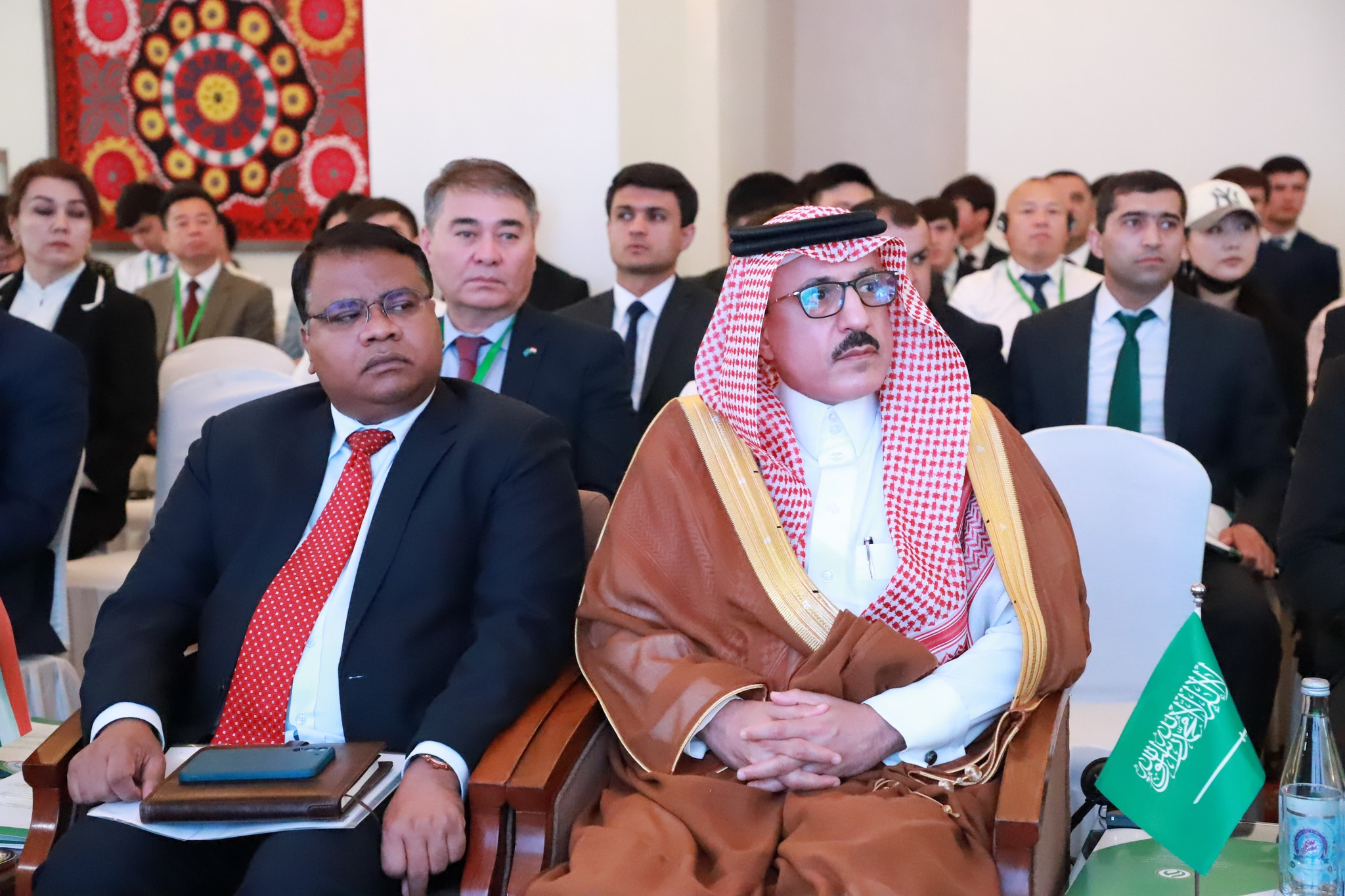
The conference brought together more than 150 participants, including representatives of government bodies, academia, international organizations, diplomatic missions, businesses, and civil society. Guests included experts and diplomats from Saudi Arabia, China, India, Iran, Azerbaijan, Canada, Indonesia, Pakistan, Germany, and Russia.
Key topics included climate challenges, green industry and circular economy, energy efficiency, renewable energy, eco-entrepreneurship, and climate-resilient agriculture. Participants also explored international cooperation opportunities in the green economy sector.
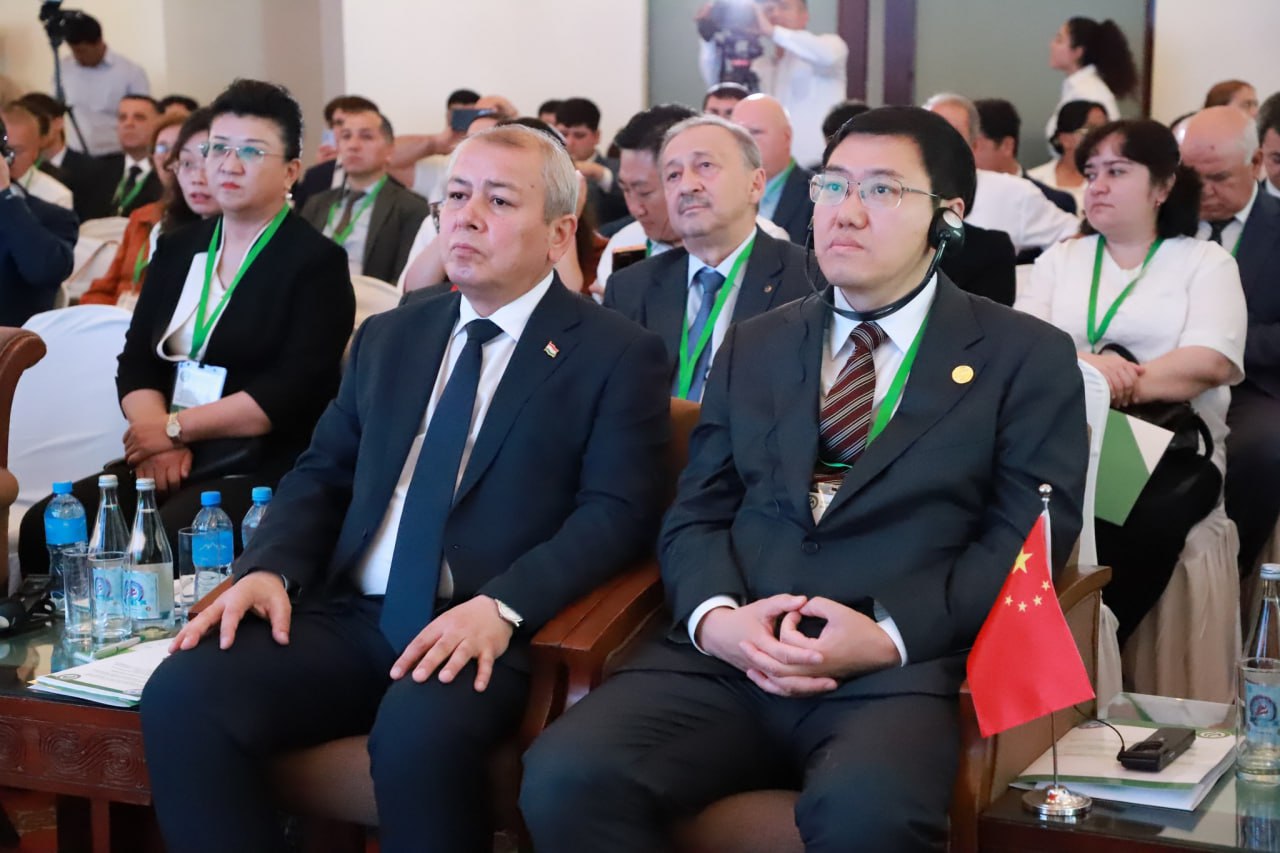
Xu Liang, Deputy Secretary-General of the China Chamber of Commerce, emphasized that collaboration in this field is a cornerstone of pragmatic international relations.
Dr. Junaidi from Indonesia presented the UI GreenMetric global university sustainability ranking, while Professor Maqsoud Saidaminov (Canada) introduced advanced photovoltaic cells with the potential to enhance solar energy efficiency.
Final recommendations include:
- Integrating green economy principles into national policies;
- Expanding international partnerships;
- Enhancing environmental education;
- Promoting sustainable lifestyles.