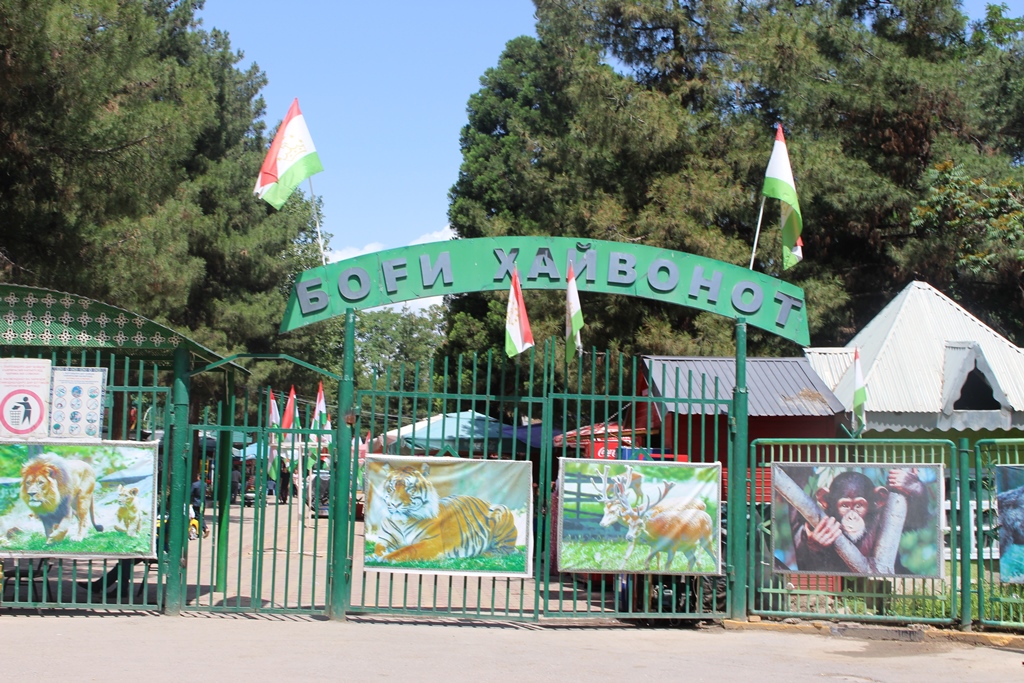
The Dushanbe Zoo has lost part of its already limited territory due to a municipal road expansion project, raising new concerns about the facility’s future and the welfare of its animals.
A 24-meter-wide strip at the rear of the zoo, bordering the "Ostrovok" area (Tajik National University campus), was taken to widen the road leading to the city’s Central Stadium. The area included the zoo’s terrarium, which was dismantled as part of the process.
“The old terrarium was already in poor condition and scheduled for demolition,” a zoo employee told Asia-Plus. “Fortunately, a modern terrarium and a new veterinary lab have been built nearby.”
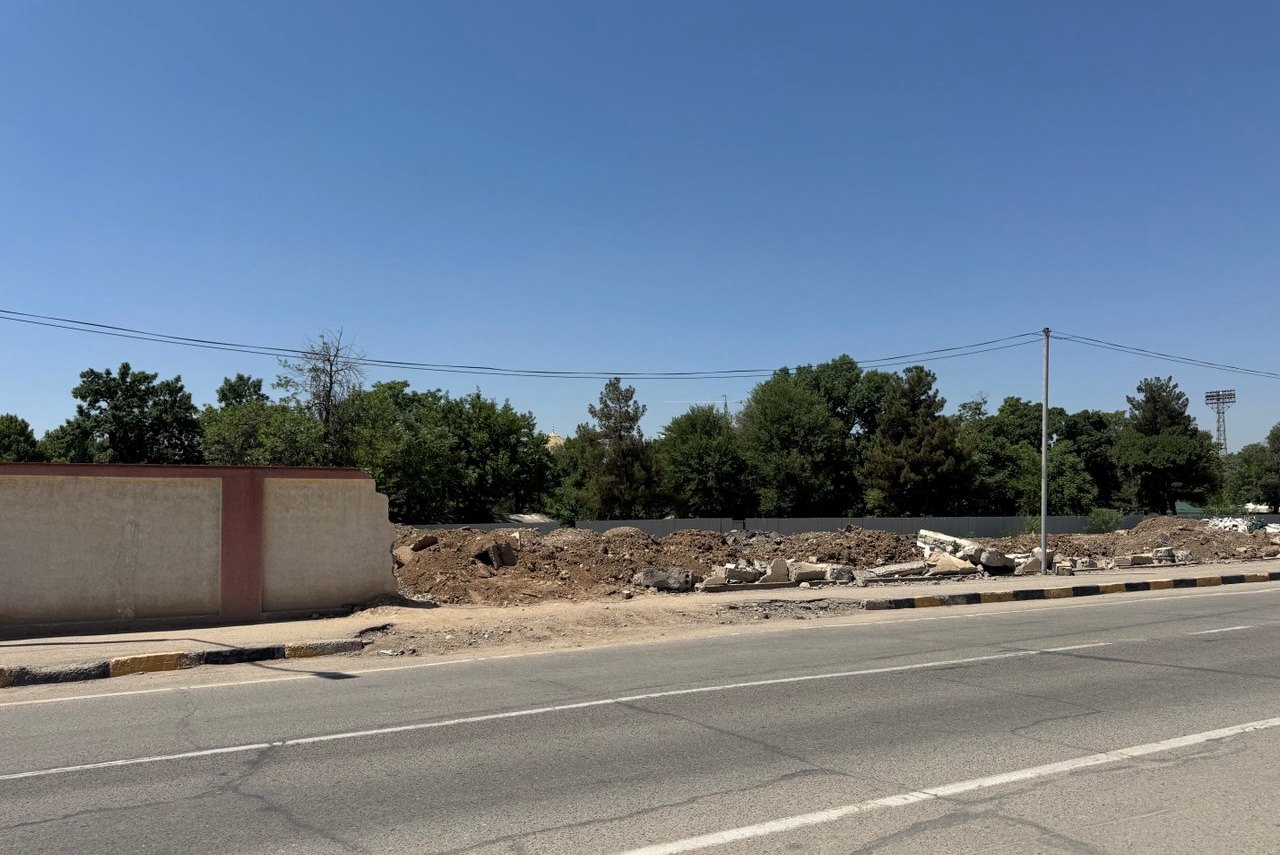
This reduction further shrinks the zoo’s footprint, now estimated at around 6 hectares — significantly smaller than most capital city zoos in Central Asia.
Compounding the challenges, the zoo spent nearly seven months without running water due to pipeline replacement during the roadwork on Nizomi Ganjavi Street. “We managed as best we could. Thankfully, water has now been restored,” the source said.
The facility is currently surrounded by ongoing construction projects, including a new city stadium, contributing to dusty conditions and noise pollution that further affect the animals.
Relocation delays and broken promises
Plans to relocate the zoo have been in discussion since 2018. In 2021, officials presented a relocation proposal and appealed to domestic and foreign investors for support. However, no progress has been made, and the zoo remains in its original location.
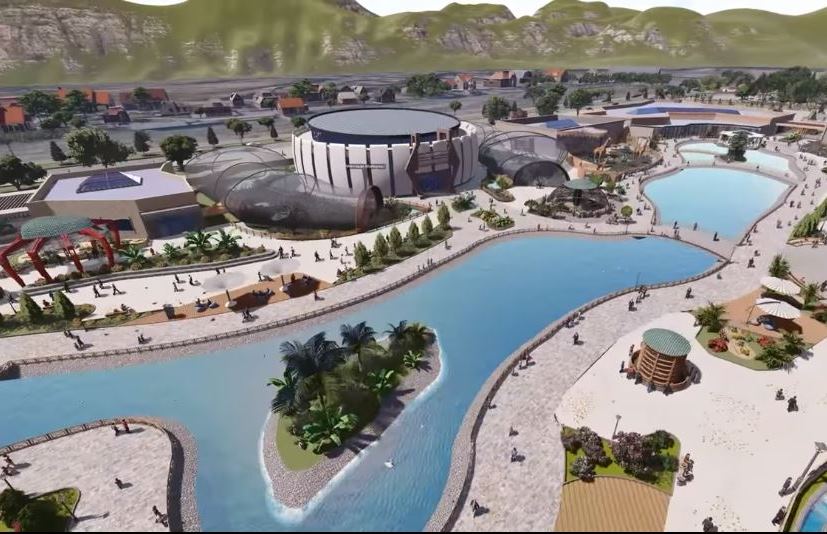
According to a zoo representative, land has been allocated for the new facility three times, but each time the decision was reversed. The latest proposal suggests a 100-hectare site in the Hisor region, but there are no confirmed plans or timelines.
Criticism over conditions
Animal rights advocates have repeatedly criticized the zoo for poor conditions. Animals are kept in cramped cages, suffer from extreme weather, and lack proper care due to insufficient funding. Activists have called for the zoo to be closed or relocated immediately, citing long-standing concerns and posting open appeals to the mayor on social media as early as 2019 — with renewed demands resurfacing in 2024.
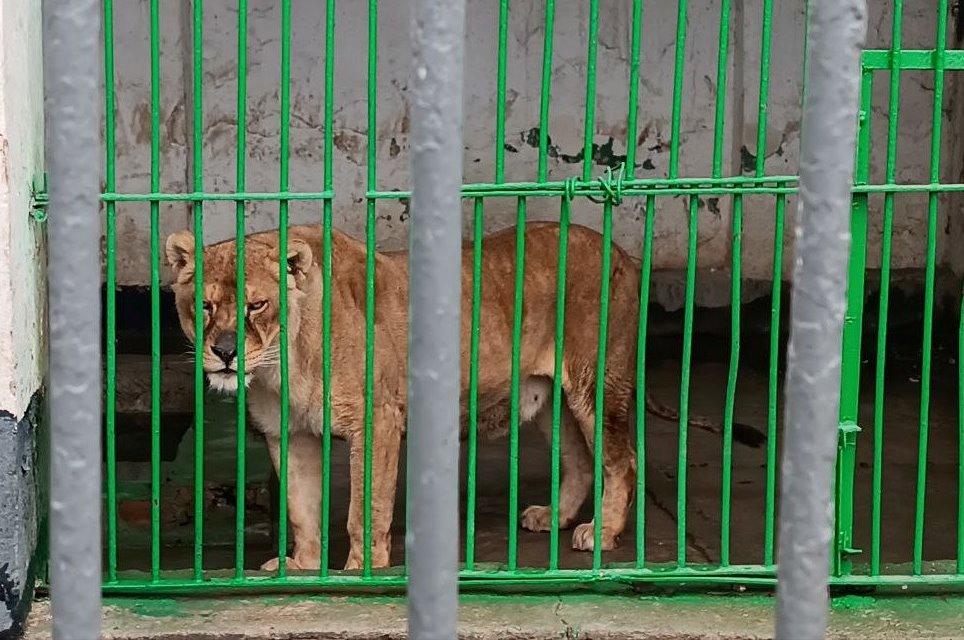
Despite these calls, the zoo remains operational. Meanwhile, food stalls and amusement rides near the entrance — intended to generate revenue — have sparked further criticism for adding to the animals’ stress.
Zoo officials argue that without this commercial activity, they would struggle to feed the animals.
A Zoo in limbo
As Dushanbe continues to develop its infrastructure, the fate of the city’s zoo remains uncertain. While authorities cite relocation as a priority, little action has been taken. For now, the animals — and the zoo itself — continue to wait.
Founded in 1961, the zoo is located in the center of the city on the Luchob River bank (on Ismoili Somoni Avenue). By 1974, with 1059 animals of 254 species, Dushanbe Zoo was regarded as one of the best zoos in the Soviet Union. Until the breakdown of the Soviet Union and independence in 1991, the zoo was considered one of the best sightseeing attractions in Dushanbe. The number of animals was great and diverse. National independence in 1991, followed by a civil war lasting until 1997, posed a great threat to the zoo in terms of the loss of species and economic hardship. Public financing was no longer available to the extent it was before.
Dushanbe Zoo has been member of the Eurasian Regional Association of Zoos and Aquariums since 2007.