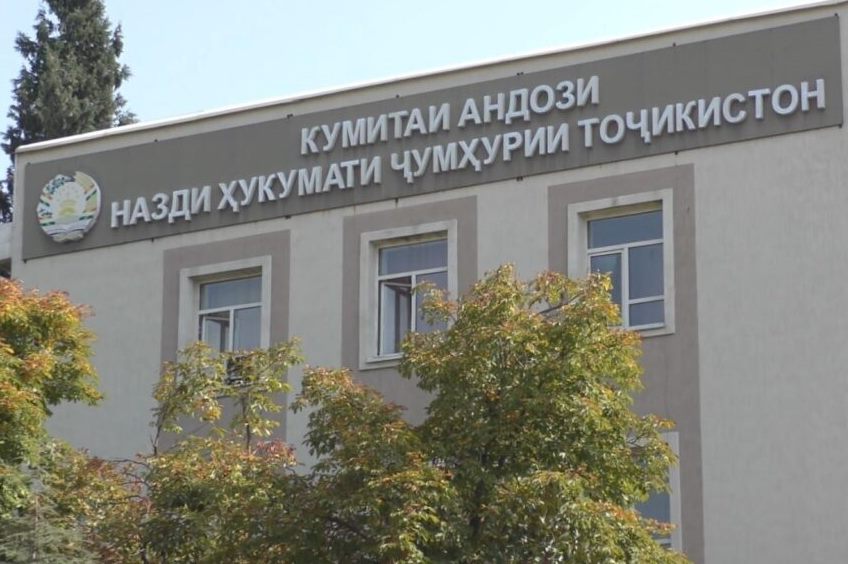
The Government of Tajikistan has approved an increase in the number of personnel working in the country’s Tax Committee, despite ongoing efforts to digitize tax services and streamline operations.
According to amendments made to a 2012 government resolution on the Tax Committee, the maximum number of employees in the agency will rise from 1,843 to 1,903 (excluding support staff).
The revised regulation specifies that 1,815 staff members (up from 1,755) will be funded through the state budget, while the remaining 88 positions will be financed from the Tax Committee’s special funds.
The central office of the Tax Committee has also seen an increase: it now includes 245 employees (previously 225), of whom 185 are state-funded (up from 165), and 60 are financed by the committee’s own resources.
There are no changes to the number of deputy chairpersons (five) or to the limit on service vehicles, which remains at 110 cars, including 15 for the central office.
The government has tasked the Tax Committee with preparing proposals within two months to amend related legal and regulatory frameworks and align all internal decisions with the new staffing limits.
More staff despite a push for digital reform
The expansion comes as the Tax Committee continues to promote digitalization. However, the move contrasts with a 2019 statement by President Emomali Rahmon, who questioned the need for more tax officers, arguing instead for staff reductions amid the transition to digital systems.
“On the contrary, the number of tax officials should be reduced. We must shift to a new digital system and abandon outdated methods,” Rahmon said at the time. He emphasized that globally, digital transformation typically leads to smaller bureaucracies, not larger ones.
Nonetheless, just months after the president’s remarks, the Tax Committee announced a competition to fill 75 new positions in late 2019, citing a shortage of qualified staff.
Earlier this year, the committee reiterated its commitment to full digitalization, noting steady progress in expanding its range of e-services. As of now, the agency offers 45 electronic services to taxpayers.
According to official data, over 190,000 businesses in Tajikistan—75.4% of all reporting entities—now submit tax declarations and reports electronically. In 2024 alone, the number of electronic filers grew by 23,700, reflecting a significant shift toward digital tax administration.