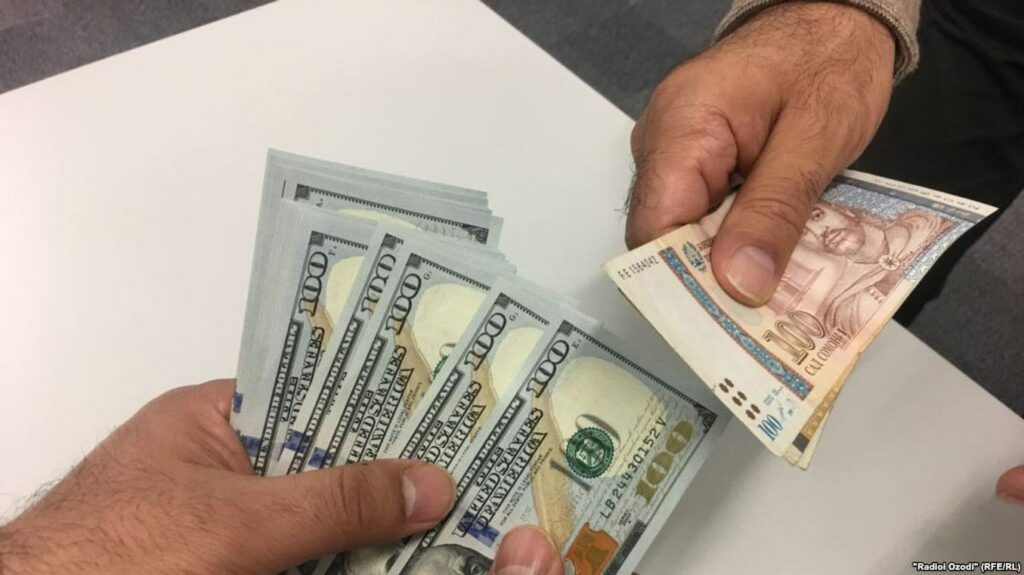
Over the past ten days, the value of the US dollar (USD) against the Tajikistan's national currency, the somoni (TJS), has noticeably decreased. According to data from the National Bank of Tajikistan (NBT), as of June 4, an official USD/TJS exchange rate was 1:9.891. Just ten days earlier, on May 24, the official exchange rate of USD against TJS was 1:10.2255.
The decline in the dollar’s value began in mid-April and has continued since. On April 14, for example, the official USD/TJS exchange rate set by the country’s financial regualat0r rate from the NBT was 1:10.8979.
This drop in the dollar’s value is reportedly linked to a decrease in the value of the ruble against the dollar, which has been triggered by various geopolitical and economic shifts. Tajikistan's strong economic ties with Russia play a role in this change, as more than 90% of trade turnover between the two countries is conducted in rubles, according to the NBT.
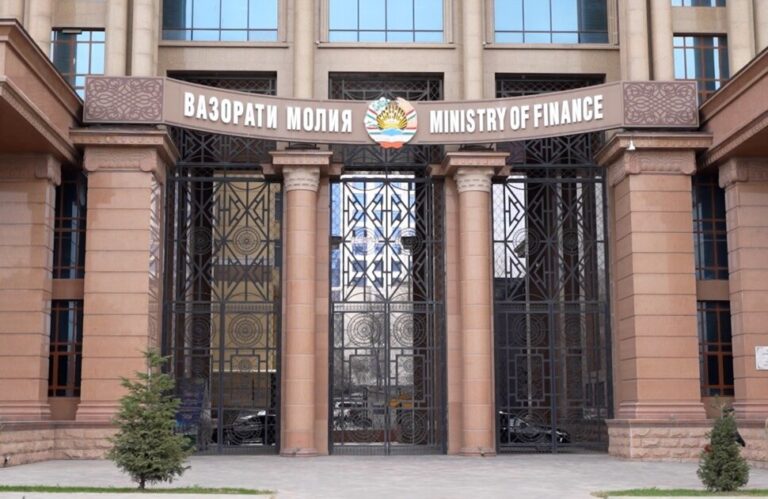
Tajikistan’s financial regulator has previously explained the drop in the dollar’s value against the somoni as being the result of a combination of internal and external factors. “External factors include the volume of foreign currency inflows into the country, global geopolitical and economic events, and adjustments in monetary and credit policies by central banks in leading economies,” a spokesperson from the NBT said in an interview with Asia-Plus.
According to the NBT, the ruble’s exchange rate against the US dollar has significantly influenced the dollar's value against the somoni. This fluctuation is the result of changes in energy prices, especially oil and gas, trade tensions, and instability in regional and global financial markets.
On the domestic side, the NBT noted that the changing demand for foreign currency in the domestic market and the efficiency of the banking system in meeting the foreign currency needs of legal entities and individuals are also contributing factors.
The NBT also emphasized that both external and internal factors are subject to seasonal changes, which affects their influence on the somoni's value over time.
Traders typically cite the rise in the dollar's value as a major reason for the increased cost of goods. However, as observed, prices for goods that increase in price due to a higher dollar value do not decrease once the dollar weakens. This negative trend in Tajikistan’s markets has led to public dissatisfaction.