Four years after the Taliban’s return to power, Afghan women and girls face sweeping restrictions that have stripped them of basic rights and opportunities, deepening poverty and worsening a humanitarian crisis, UN Women and UNICEF warned in a joint statement, according to UN News Center.
According to the Afghanistan Gender Equality Index, the rollback of women’s rights is accelerating the country’s social and economic decline, widening inequality in healthcare, education, employment, security, and governance.
Severe restrictions, severe consequences
Girls are banned from attending school beyond the age of 13, while women are barred from most professions and from political participation. In some areas, women cannot leave home without a male escort, and in many families they are denied the right to make independent decisions.
UN Women estimates that the ban on secondary education for girls costs the country 2.5% of its GDP each year. Restrictions on training female doctors — coupled with limits on women receiving care from male physicians and a decline in foreign aid — have sharply reduced access to healthcare. This has contributed to rising maternal mortality, an increase in child marriages, and more cases of violence against women.
The situation is most dire among young women: 78% are neither in school, employed, nor in vocational training — four times the rate among young men. Projections for 2026 warn of a 45% rise in early pregnancies and a more than 50% increase in maternal deaths.
Humanitarian strain and mass returns
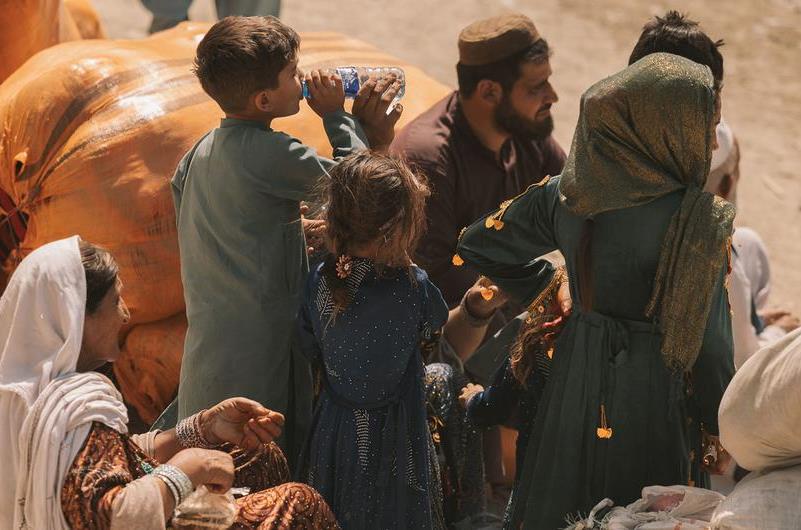
This year, over 2 million Afghans — including half a million children — have returned from Iran, Pakistan, and Central Asia. UNICEF Deputy Executive Director for Humanitarian Action Ted Chaiban, who visited Afghanistan, described the despair of returnee families, particularly over the ban on girls’ education.
“One young teacher told me she was just months away from graduating medical school when she was forced to stop. That’s one fewer woman doctor able to provide vital care to Afghan women,” Chaiban said.
Mass returns are putting further pressure on fragile communities, with more than half of Afghanistan’s population now dependent on humanitarian aid and facing the compounded effects of decades of conflict and worsening drought. UNICEF stressed that returns must be voluntary, gradual, and safe, with special support for unaccompanied children.
A regime of restrictions
The Taliban seized power on August 15, 2021, weeks after NATO-led international forces withdrew. Since then, the Ministry for the Propagation of Virtue and Prevention of Vice has banned women from speaking loudly in public or to unrelated men, appearing outdoors without a male relative, and required them to wear the full-body burqa. Women’s rights to education and employment have been severely curtailed.