In the first half of 2025, bread and flour rose in price both in Tajikistan and in neighboring Central Asian countries. According to the Agency for Statistics under the President of the Republic of Tajikistan, in January–June 2025, the price index for bread increased by 4.7%, and for flour – by 4.9% compared to December 2024.
The largest jump occurred in February–March, when growth exceeded 1% per month. In April–June, the inflation rate slowed down, and in June, flour prices remained at the level of May.
Today, supermarkets in Dushanbe offer a wide range of bakery products. So, "Arzanda Boyarsky" weighing 550 grams costs 7.90 somoni, "Arzanda Peasant" of the same weight – 7.80 somoni, "Macolli Darnitsky without yeast" weighing 700 grams is sold at a price of 13.80 somoni. Among the popular items is also "Noni Shohon White" (380 g) for 4.40 somoni.
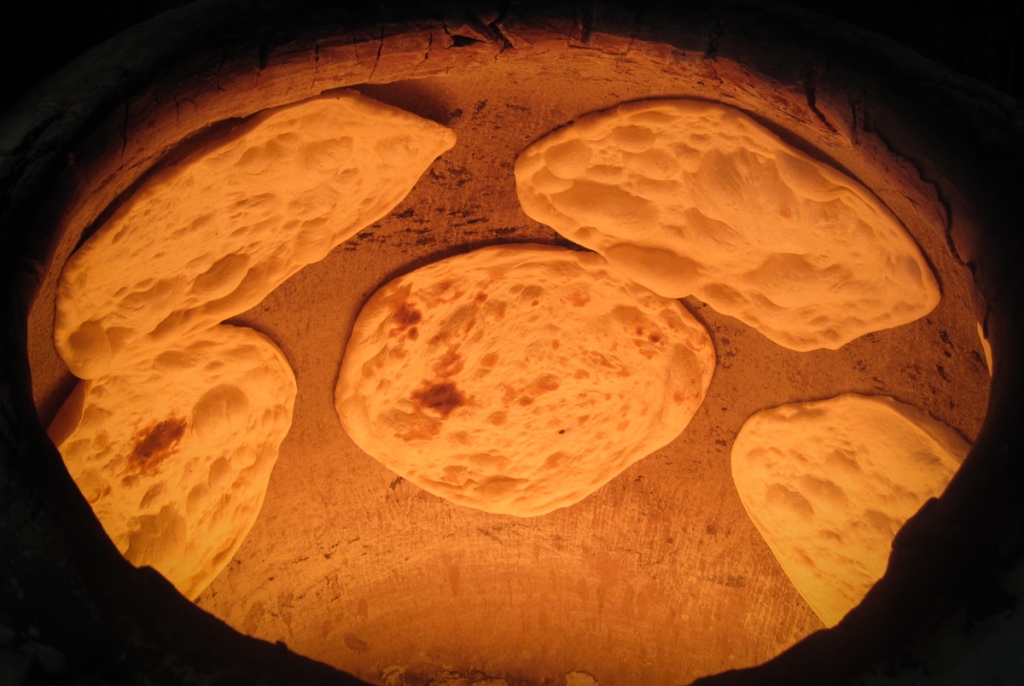
Last year, a traditional flatbread weighing 250 grams cost 3-4 somoni, but now its price reaches 5 somoni in the markets, and up to 6 somoni in supermarkets. At the same time, the weight of the products has decreased: instead of the usual 250-300 grams, the finished cake now weighs about 230 grams.
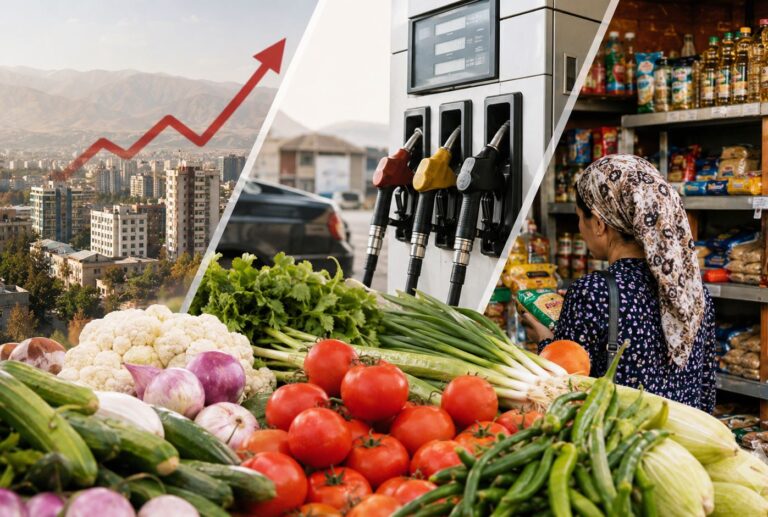
In Tajikistan, the increase in prices for bread and flour is mainly due to an increase in the cost of imported wheat, an increase in energy and transport costs, as well as changes in the weight and format of products, which in fact led to a hidden rise in prices. Despite a slight slowdown in inflation in recent months, dependence on external grain supplies in the country remains high.
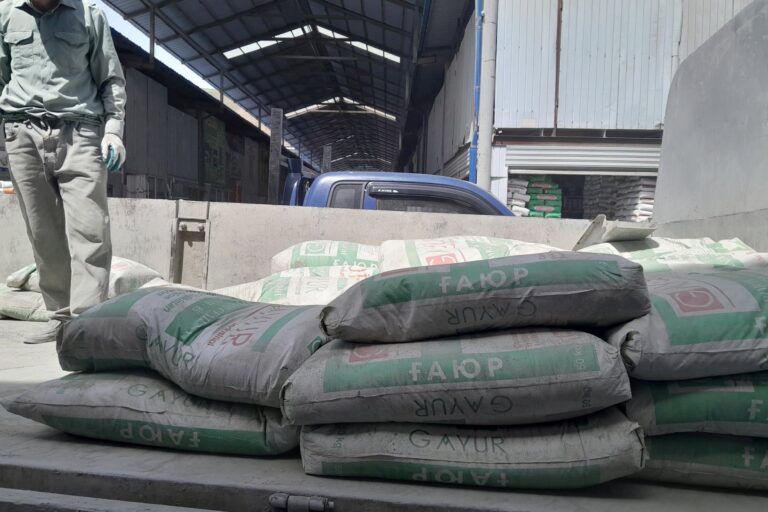
Flour prices in Tajikistan have almost doubled over the past 10 years, from 150 somoni per bag in 2015 to 300 somoni on average today. Manufacturers claim that the growth is caused by external factors.
The main reasons include the rise in price of wheat, rising transportation costs, the actions of traders, the consequences of the conflict in Ukraine and fluctuations in exchange rates.
Foreign experts warn that there remains a risk of a food crisis in the world due to climate change, which could lead to a further rise in the price of flour.
Bread prices in Uzbekistan: 70% increase in five years
From 2020 to May 2025, bread prices in Uzbekistan have increased very noticeably. Bread made from wheat flour of the first grade rose in price by almost 78%, from flour of the highest grade – by more than 52%, and the popular "aubinon" – by 62%. The cost of flour itself has also increased significantly: the first grade – by 57%, the highest grade – by 73%.
At the same time, the country is still heavily dependent on grain imports. In 2024, Uzbekistan imported 3.6 million tons of wheat, and almost all of this volume (99%) came from Kazakhstan.
The Central Bank of Uzbekistan explains the rise in prices for bread and flour for several reasons at once. First, energy resources and services have become noticeably more expensive: gasoline has almost doubled in price, gas tariffs have increased by 129%, and water and sewerage tariffs have almost tripled. Secondly, transportation costs have increased significantly: maintenance and repairs have increased in price by 115%.
Environmental factors also have a significant impact – soil salinity, water scarcity and heat reduce yields. In addition, Uzbekistan is critically dependent on grain imports: the high correlation between global and domestic wheat prices makes the market vulnerable to global fluctuations.
Bread consumption also depends on the income of the population: income growth reduces its consumption, but rapid population growth, about 2% annually, creates additional demand – about 171 thousand tons of bread products for every million new residents.
In Kyrgyzstan, flour has risen in price by 3.7%, and the average price of bread is 60 soms (6.5 somoni). In early August 2025, premium flour was sold at 70.65 soms (7.6 somoni) per kilogram, and first–grade flour was sold at 52.40 soms (5.6 somoni) per kilogram. Bread prices amounted to 66.79 (7.1 somoni) and, which confirms moderate changes in the cost of bakery products.
In Kazakhstan, in 6 months, first–grade flour fell in price by 4.9% and amounted to 222 tenge (3.85 somoni) per kg, and bread (400-450 g) rose in price by 4.1%, and its average price is 208 tenge (3.6 somoni).
Grain production is increasing, but dependence on imports remains
Despite this, dependence on grain imports will remain. Wheat supplies to the country will increase from 1,156 million tons in 2026 to 1,308 million tons in 2028, and procurement costs will rise from $318 million to $367 million. Imports of finished flour, on the contrary, will decrease: if 59 thousand tons are planned to be purchased in 2026, then by 2028 the volume will decrease to 51 thousand tons. This indicates the gradual replacement of imported flour with products from domestic producers.
Thus, in the coming years Tajikistan will remain highly dependent on grain supplies from abroad, but an increase in domestic flour production will reduce the share of imported finished products on the market and partially stabilize prices.
According to the government's forecast, grain production is expected to increase in Tajikistan in the coming years. In 2026, the wheat harvest will amount to about 930 thousand tons, and by 2028 it will increase to 986,000 tons. Flour production will also grow: from 765,000 tons in 2026 to 907,000 tons in 2028.