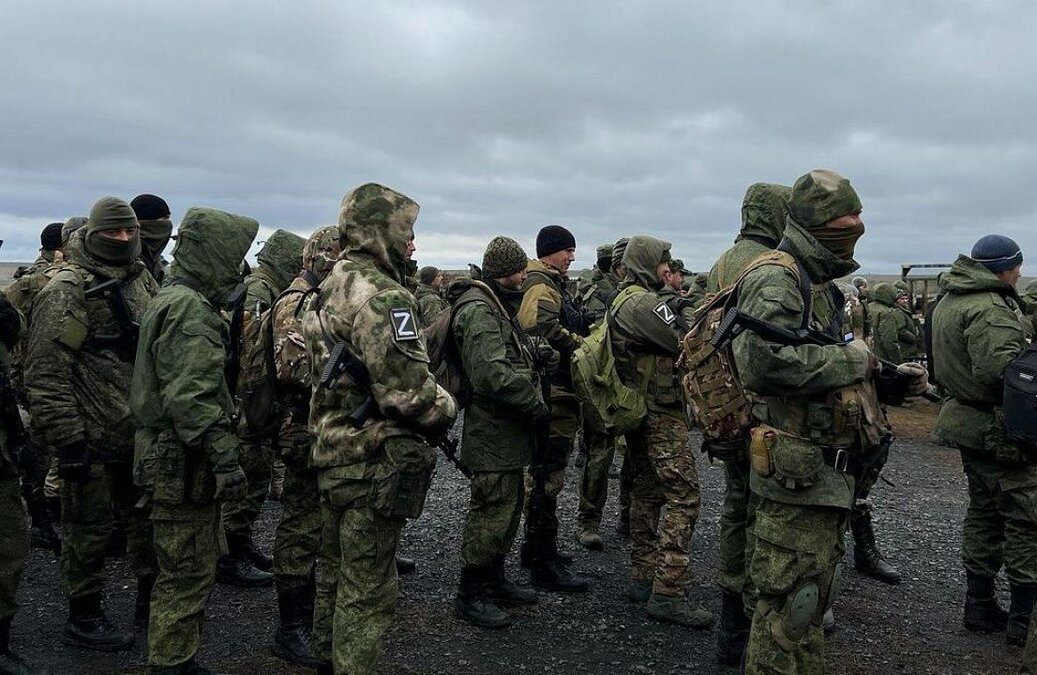
The Ukrainian state project "I Want to Live" has published a new list of Tajik citizens who have signed contracts with the Russian army for 6 months in 2025. The list includes 628 names of Tajik citizens who went to fight for the Russian Federation in Ukraine.
In April, the project published the names of more than 930 Tajik citizens recruited to participate in the Russian–Ukrainian conflict on the side of the Russian Federation. Of this number, 196 people were listed as dead at that time.
The publication notes that "Russia is increasing the recruitment of Tajik citizens for the war."
"Tajikistan, along with Uzbekistan, is among the leading countries in terms of the number of citizens recruited by Russia for the war against Ukraine. And while there are cases in Uzbekistan where mercenaries are prosecuted in accordance with the country's Criminal Code, nothing is known about the detention or sentencing to real prison terms of Russian mercenaries or recruiters in Tajikistan," the authors of the draft write.
According to them, police officers catch them during raids against migrant workers and already at police stations "lead" them to sign a contract: they offer Russian citizenship to some, scare them with deportation, and promise millions of dollars in payments to others. "Uncooperative people can be beaten and threatened with jail," the report says.
After joining the Russian army, people from Central Asia are thrown to the front line, using them as consumables, which is not a pity.
"Their task is to identify the positions of the Armed Forces of Ukraine and take the blow on themselves, so it is not surprising that the losses among them are catastrophic," the draft added.
It is worth noting that Tajik citizens are not only forced to go to war in Ukraine. There are also volunteers. Some of them go to the war zone, serving in the ranks of the Russian Armed Forces, others agree to sign a contract with the Russian Ministry of Defense in exchange for the promise of citizenship, high payments and other benefits.
In Tajikistan, the participation of citizens of the republic in hostilities abroad entails criminal liability under article 401 ("Mercenary activity") of the Criminal Code of the Republic of Tajikistan, which provides for a penalty of up to 20 years in prison.
"I want to live" is a Ukrainian state project of the Coordinating Headquarters for the Treatment of Prisoners of War. It was created with the support of the Ministry of Defense and the Main Directorate of Intelligence of Ukraine to help the military from Russia and Belarus and the mobilized taking part in the war of the Russian Federation with Ukraine to safely surrender.