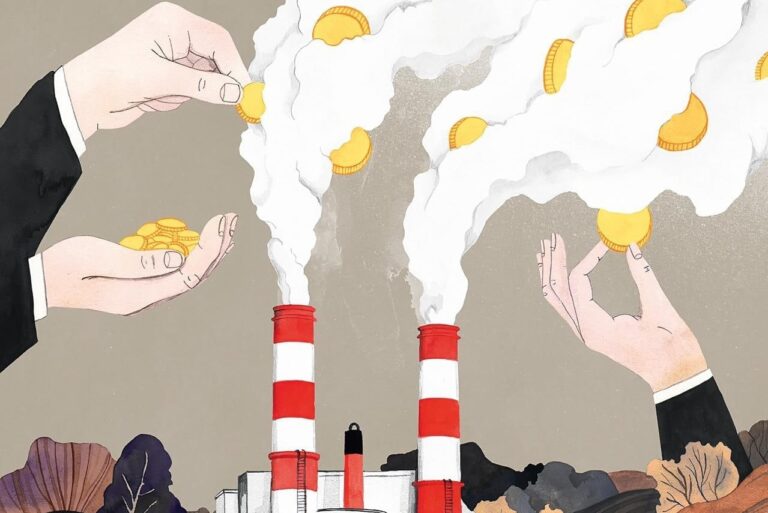
Recently, the Customs Service of Tajikistan announced that the duty on the import of mobile phones and smartphones in Tajikistan was introduced, among other things, due to environmental damage. This money could be used, for example, for the recycling of electronic waste. But will they go?
There is an urgent need
In the National E–waste Monitor report: Tajikistan" (February 2025) states that in 2022, 20.3 thousand tons of electronic waste were generated in the republic – from outdated phones and televisions to decommissioned household appliances.
On average, this is 2.03 kg per inhabitant, while less than 1% of electronic waste is officially recycled, and the rest ends up in landfills or in the informal sector.
According to forecasts, by 2030 the amount of electronic waste in the country will reach 27.7 thousand tons, which is a third more than the current level.
Household appliances, computers, lighting equipment, and mobile devices remain the main sources.
To solve the problem in this Monitoring, it was proposed to introduce expanded responsibility for manufacturers and importers, obliging them to participate in the collection and processing of equipment after the end of its service life, as well as introduce environmental fees to finance the relevant infrastructure.
The document recommends the creation of a system of official reception points and containers for the collection of electronic waste in all regions and the logistics of waste transportation for recycling.
Valuable and rare earth metals, useful materials, and some components can be extracted from discarded household appliances and mobile devices for reuse. Among them: gold, silver, platinum, palladium and rhodium, which are used in microcircuits, contacts, connectors and sensors, as well as copper and aluminum from wires, coils, radiators and housings.
Batteries and batteries contain lithium, cobalt, and nickel, while magnets, lasers, and displays contain rare earth elements such as neodymium, yttrium, and cerium. Glass from screens and lamps, plastic housings and panels, steel and other alloys from frames and parts are also suitable for recycling.
However, such waste often contains dangerous substances: mercury, lead, cadmium and brominated flame retardants and other toxic elements that, if improperly disposed of, pollute the soil and water.
Smartphones are taxed: will it be a concern for the environment?
The head of the Customs Service, Khurshed Karimzoda, said at a press conference on August 7 that the 20 percent duty on telephones in Tajikistan was imposed due to harm to health and the environment and to increase budget revenues.
Let me remind you that the duty became effective in Tajikistan on July 1, 2025. This provision is fixed in government Decree No. 346 of June 10, 2025 and concerns goods with codes 8517130000 and 8517140000 according to the Commodity Nomenclature of Foreign Economic Activity (HS) – that is, simple mobile phones and modern smartphones.
This decision caused heated discussions on social networks.
Karimzod explained that one of the reasons was the impact of smartphones on public health.
"The issue of the impact of mobile phones on health is particularly acute in relation to children and adolescents. This is one of the reasons why it was decided to introduce this duty," he said.
According to the head of the Customs Service, excessive use of gadgets is associated with the occurrence of various diseases and loss of health. The World Health Organization advises to limit the use of phones.
The duty, according to Karimzoda, is an attempt to slow down the growth of smartphone consumption, which affects not only health, but also the future of the whole country.
The head of Customs then noted that before the adoption of the resolution, the issue was studied in detail jointly with relevant ministries and experts. Their recommendations were taken into account, and the measure itself was recognized as justified and necessary. It is aimed at protecting public health, curbing consumer agiotage, reducing environmental risks, and increasing budget revenues through a new tax category.
According to the ministry, 725,203 mobile phones worth more than $115 million were imported to Tajikistan in the first half of 2025. In 2024, over 1.285 million devices worth about $196 million were imported.