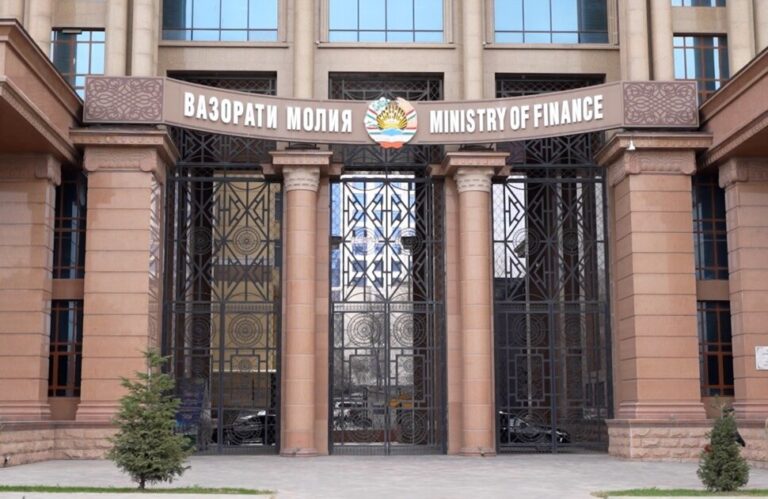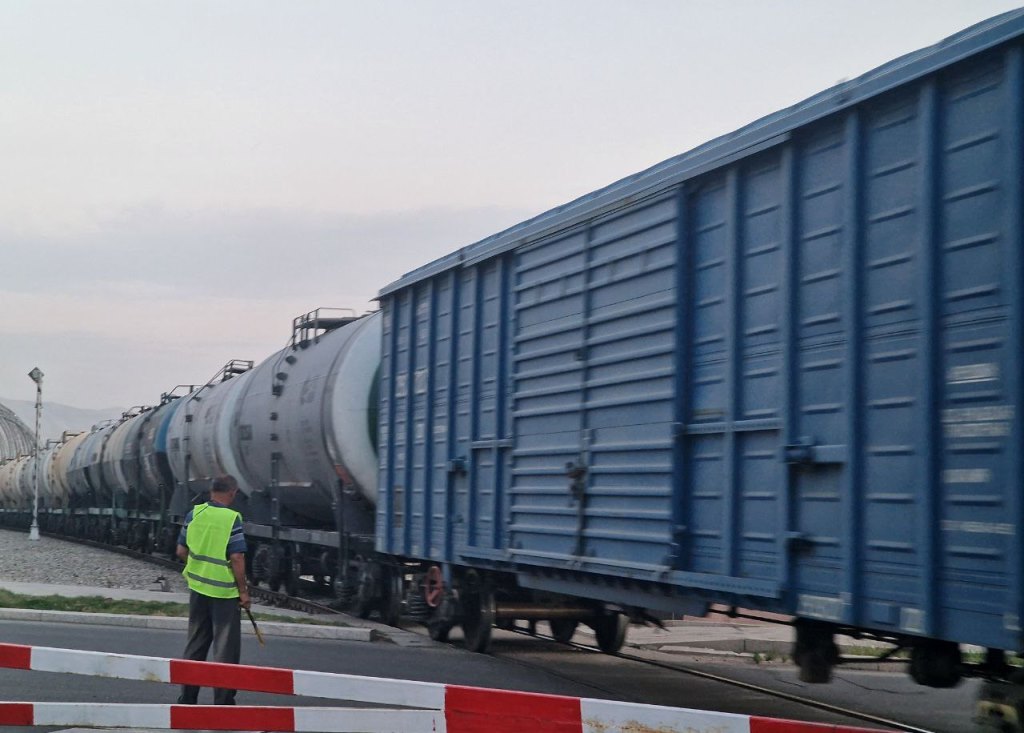
The government of Tajikistan has adopted a new regulation on export customs duties, set to reshape trade practices for certain raw and semi-processed goods. The measure, outlined in government decree No. 350 of June 14, 2025, is aimed at strengthening domestic industries and encouraging greater value-added production within the country.
What changes under the new regulation?
Unlike previous rules, where duties were calculated in euros, the new system establishes ad valorem duties — a percentage of the value of exported goods. This approach, according to the Ministry of Economic Development and Trade (MoEDT), allows more flexibility in regulating exports and aligns with international practice.
The duties apply only to raw and semi-finished goods such as minerals, concentrates, cotton fiber, plant-based juices, leather, silk, and cocoons. Finished goods and high-value products remain exempt, supporting the government’s push to expand domestic processing industries.
Under the earlier 2014 framework, for example:
- Leather was taxed at €300 per ton;
- Silk and cocoons at 20% or €100 per ton;
- Cotton fiber at 10%.
Now, the new percentage-based duties replace these fixed rates.
Why not all goods are affected
Officials explain that the regulation is not designed to restrict exports across the board, but to discourage the outflow of raw materials and encourage processing inside Tajikistan. “The goal is to reduce raw exports and support domestic processing,” said First Deputy Minister of Economic Development and Trade Ashourboy Solehzoda in a written response to Asia-Plus.
This approach mirrors practices in neighboring countries. Kazakhstan applies export duties on 44 categories of raw goods, while Uzbekistan imposes duties of up to 100% on more than 86 items.
Business impact and long-term goals
For exporters, the new duties mean higher costs when selling raw goods abroad, but analysts suggest the long-term effect will be positive if it stimulates investment in local processing industries. Producers who invest in higher-value production chains could benefit from exemptions and stronger competitiveness in international markets.
The measure is also in line with Tajikistan’s National Development Strategy for the period up to 2030 and the upcoming State Export Development Program for 2026–2030, which prioritize private sector support, green production, renewable energy, and export competitiveness.
Economic outlook
Tajikistan’s government sees the reform as both a protective and stimulative measure: protecting national economic interests while stimulating local entrepreneurship and industrialization. If implemented effectively, it could reduce the country’s dependence on raw exports and increase revenues from higher-value products.