The construction of Tajikistan’s Roghun Hydropower Plant (HPP) will proceed under the environmental principle of “no net loss,” according to the updated Environmental and Social Impact Assessment (ESIA) for the project.
The report outlines that the planned loss of 185 hectares of juniper forest and 77 hectares of floodplain will be fully compensated through restoration and conservation of alternative sites.
The initiative is currently in its initial phase, which involves consultations with government agencies, financial institutions, and environmental organizations to identify potential mitigation measures.
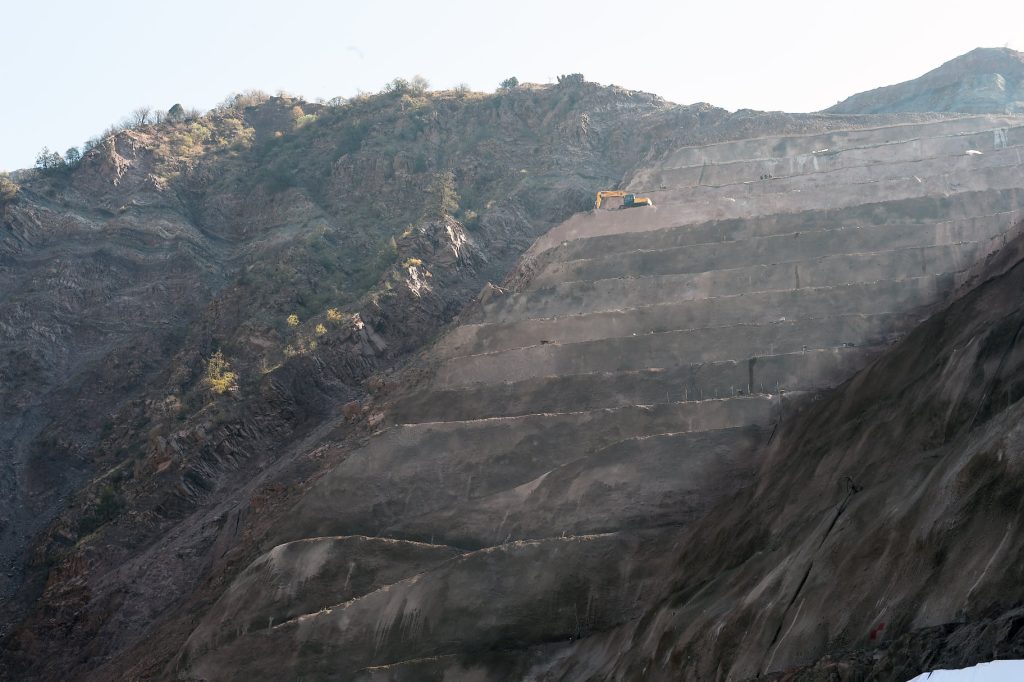
Between 2025 and 2030, specific sites for ecological restoration will be selected. From 2031 onward, practical implementation is set to begin, including the establishment of protected areas, reforestation programs, and ecosystem protection measures.
The "No Net Loss" program highlights three key priorities:
- Restoration and protection of juniper forests;
- Rehabilitation of riparian forests;
- (As a backup option) Conservation of native fruit and nut-bearing forests.
In total, the project aims to restore 786 hectares of forested land — three times the area expected to be lost. Tajikistan’s Forestry Agency has already proposed 7,599 hectares of land suitable for reforestation, exceeding the project's requirements.
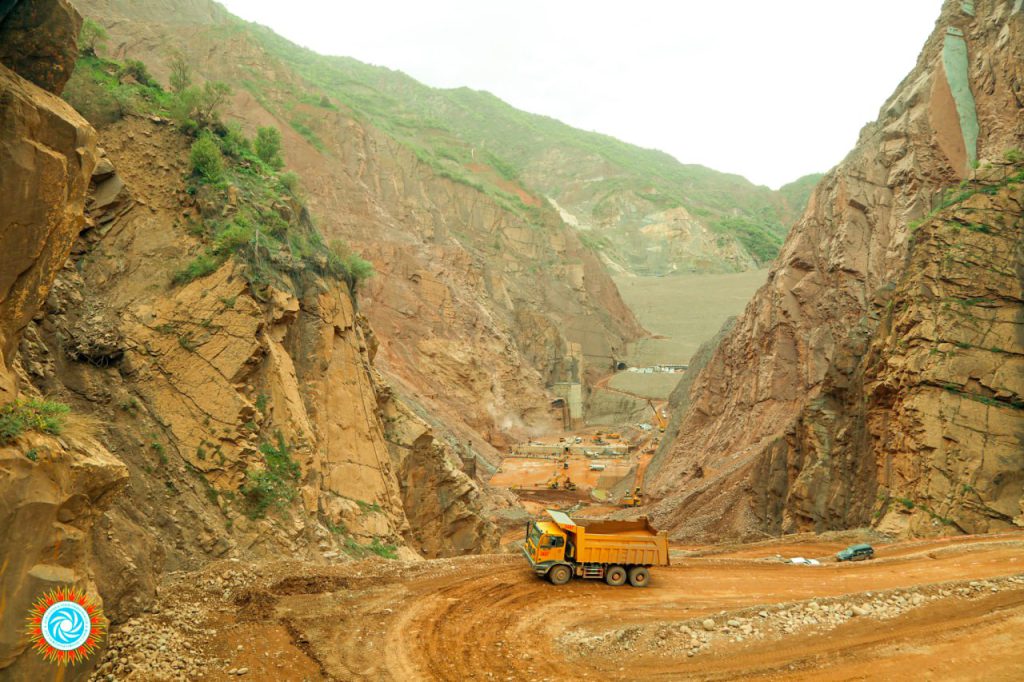
Over $7.5 million to be Invested in ecological restoration
To fund the ecological compensation, project planners estimate capital expenditures will exceed $7.5 million, with annual maintenance costs projected at approximately $10,500.
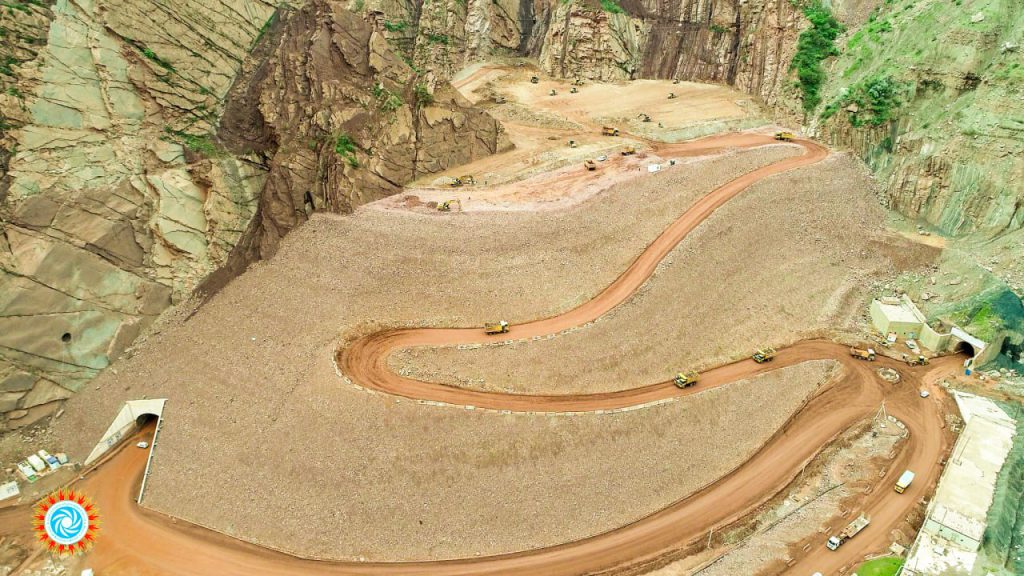
These measures are part of a broader environmental strategy to mitigate the ecological footprint of the Roghun HPP, which is set to become the largest hydropower plant in Central Asia.
Once fully operational, the Roghun HPP will have an installed capacity of 3,780 MW and is expected to generate over 14.5 billion kilowatt-hours (kWh) of electricity annually. The powerhouse will be equipped with six turbines, each with a capacity of 630 MW. The final unit is scheduled for commissioning in 2029.
Currently, two turbines — launched in 2018 and 2019 — are operating at limited capacity. According to the Ministry of Energy, the plant generated 1.22 billion kWh of electricity in 2024, accounting for 5.5% of Tajikistan’s total electricity production.
As construction progresses, the government aims to ensure that the Roghun project contributes not only to energy security but also to environmental sustainability through proactive ecological management.