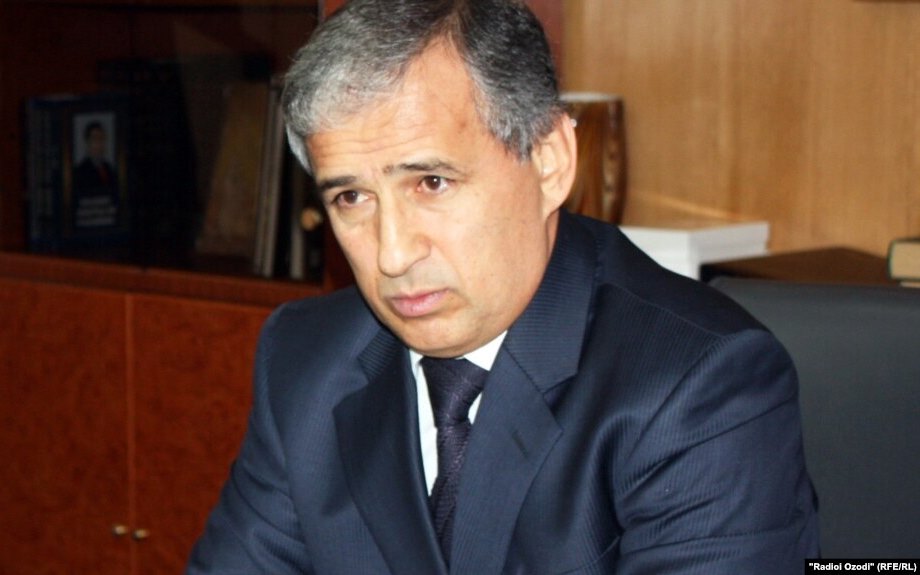
A well-known Tajik economist, Doctors of Sciences in Economics Sharif Rahimzoda, shares his views on prerequisites for economic growth in Tajikistan.
According to him, Tajikistan is entering a phase of active economic growth, but without strong managers and entrepreneurs, this growth may not be sustainable. Today, there is a noticeable shortage of qualified professionals — from large companies to emerging startups. Despite the numerous programs, courses, and even MBA options available, a sense of disarray still persists.
Why is this happening?
The issue lies in the absence of a unified "business language," clear benchmarks, and consistent approaches. Universities speak their own language, businesses use their own terms, and government ministries operate on yet another different platform. This fragmentation hampers growth, creates confusion, and damages trust between education systems and employers.
In technical fields, the situation is clear-cut: standardized terminology, established approaches, and international standards are in place. However, in business education, there is fragmentation. Everyone teaches differently, uses various terms, and relies on their own frameworks. As a result, graduates are unprepared for the real world, and employers are left unsure of what to trust.
What needs to be done?
Tajikistan doesn't need another curriculum or a bureaucratic guideline. What is required is a unified business education ecosystem — one that is alive, coherent, and logical. In this ecosystem:
- The language of education should be not just a translation, but a tool for thinking (in Tajik, Russian, and English).
- Terminology must be clear and unified, not borrowed or ambiguous.
- Teaching methods should reflect modern managerial challenges, not outdated materials from the '90s.
- The connection to practice should not be an option, but the foundation.
- Universities, schools, MBA, and DBA programs must not be isolated entities but part of a unified ladder of growth.
This is why Tajikistan needs a Unified Business Standard. It will not mimic foreign models, but will create its own framework — based on international experience, yet adapted to our unique realities.
What should the business standard include?
- A comprehensive training system, from children and teenagers (MBA Kids, Teens) to General MBA, DBA, and university courses.
- A shared methodology and terminology, understandable by everyone: educators, businesses, and government bodies.
- Proven textbooks, case studies, and practices tailored to the needs of our market.
- Programs for training educators to a new level (TOT).
- Ethical frameworks and investment protection mechanisms for companies investing in employee training (including a "staff transfer" mechanism).
- Modern digital technologies, AI, and even quantum approaches.
- Mandatory three-language implementation: Tajik, Russian, and English.
Why can’t we just adopt an existing model?
While we can respect institutions like Harvard, INSEAD, Skolkovo, and AlmaU, we cannot simply transplant their models into Tajikistan. Here's why:
- Our business culture, management style, and understanding of leadership are different.
- Our market, company scale, and challenges are unique.
- Our education system and approach to learning are still evolving.
- Most importantly, we are transitioning from intuition-based management to a more structured, systematic approach.
That’s why Tajikistan needs its own business standard: familiar in spirit, yet open to the world.
What’s the next step?
We propose the next step: to organize a National Conference on the Development of the Unified Business Standard, bringing together representatives from the academic and business communities, ministries, international partners, and leading universities in the country. This could become a pivotal moment — not just for education, but for building a mature, resilient, and professional business environment in Tajikistan.