The Supreme Attestation Commission (SAC) under the President of Tajikistan has reported a sharp rise in the use of artificial intelligence (AI) in academic research across the country. According to the agency, more than 100 dissertations and abstracts submitted this year were found to have incorporated AI tools—an increase six times higher than at the start of the year.
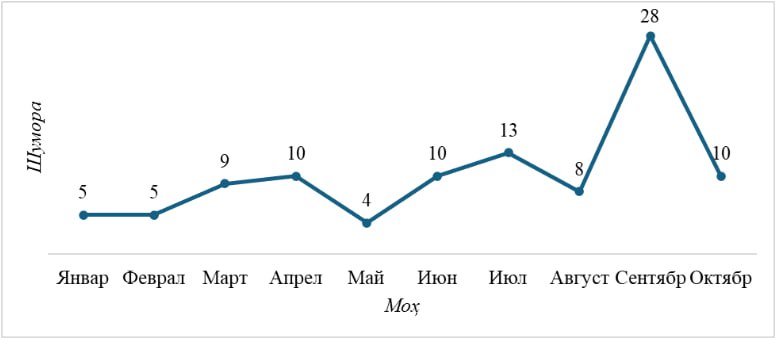
SAC's statistics show that only five cases of AI use in academic work were identified in January 2025. By September, that number had jumped to 28, with the overall figure exceeding 100 instances when including related research submissions.
The commission noted that AI usage was most prevalent in the fields of education, economics, and political science. Specifically, 42 cases were identified in education departments, 28 in economics, and 10 in political science. Other academic disciplines where AI involvement was detected include philology and law (6 cases), engineering and technology (5), history (3), agriculture, and medicine (1 case each).
In response, the SAC issued a formal warning to all degree and title candidates, urging them to refrain from using AI-generated content in academic writing.
“In the future, the names of candidates whose dissertations or abstracts are found to contain AI-generated content will be published on the official SAC website,” the agency announced.
Growing concern over academic integrity
This marks the first time the Supreme Attestation Commission has formally warned against the use of artificial intelligence in academic work. However, plagiarism among Tajik scholars has been a recurring issue for many years.
The Russian anti-plagiarism platform Dissernet has repeatedly published reports exposing plagiarism cases among Tajik academics.
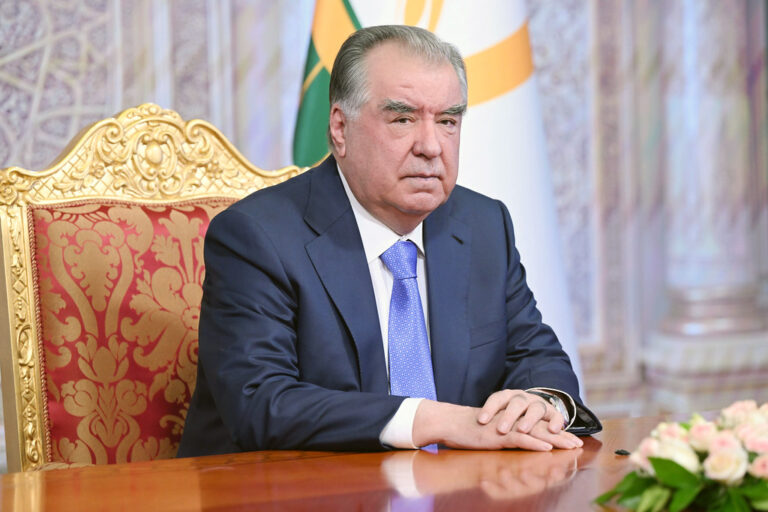
In May 2024, President Emomali Rahmon publicly criticized widespread plagiarism in the country’s academic community during a meeting with scientists and educators. He cited Dissernet’s findings of at least 150 confirmed plagiarism cases, noting that seven scholars had already had their degrees revoked.
Rahmon also voiced dissatisfaction with the SAC’s performance, accusing the commission of failing to take sufficient action to curb the problem.
“Some candidates for academic degrees do not write their dissertations themselves and barely understand their content. Dissertation defenses are often staged, reflecting fraudulent practices by dissertation councils,” Rahmon stated.
Notably, several individuals found guilty of plagiarism include government officials and employees of high-ranking state institutions.