At the Global Gateway Forum held in Brussels on October 9–10, the European Union and its partners announced a major expansion of hydropower investments in Central Asia, positioning the region for a sustainable energy future, according to press release issued by the European Union (EU) Delegation to Tajikistan. The most prominent development is the progress on Kyrgyzstan’s Kambarata-1 hydropower megaproject, with €900 million in Memoranda of Understanding (MoUs) signed between the EU, European Investment Bank (EIB), and the governments of Kyrgyzstan, Kazakhstan, and Uzbekistan.
In parallel, the European Bank for Reconstruction and Development (EBRD) signed separate MoUs with the same countries and is considering a €1.3 billion financing package for Kambarata-1. The project’s feasibility study—co-funded by the EU and led by the World Bank—was also unveiled during the forum.
These investments aim to boost electricity access, enhance regional energy and water security, and create economic opportunities for local populations.
Strategic partnerships for energy security
European Commissioner for International Partnerships, Jozef Síkela, highlighted the strategic significance of the initiative: “Water is key to stability in Central Asia. Smart investments in hydropower can expand access to reliable electricity, support local incomes, and protect both public health and the environment. The Kambarata-1 project is central to the region’s energy future and demonstrates the EU’s deepening partnership with Central Asia.”
EIB Vice-President Kyriacos Kakouris echoed this, emphasizing the EU’s commitment to climate-focused infrastructure: “With backing from the European Commission, the EIB is helping strengthen regional energy cooperation. Kambarata-1 can drive renewable electricity trade and enhance energy resilience across the region.”
EBRD President Odile Renaud-Basso called the project a “flagship” for Central Asia, reaffirming the EBRD’s commitment to sustainable water and energy development in partnership with the EU.
A team Europe approach
The EU’s coordinated effort—under the Team Europe banner—brings together EU institutions, member states, financial bodies, and the private sector. Through the Team Europe Initiative on Water, Energy and Climate Change, the bloc aims to promote regional cooperation, unlock hydropower potential, and accelerate the green and blue transition in Central Asia.
Participants at the forum also discussed future plans for two major regional energy projects: Kyrgyzstan’s Kambarata-1 and Tajikistan’s Roghun hydropower plant.
Project highlights
Kambarata-1 Hydropower Plant — Planned on Kyrgyzstan’s Naryn River, Kambarata-1 will be the country’s largest hydropower facility and one of the most significant in Central Asia. Once operational, it will enhance energy security, enable regional energy trade, and drive sustainable development. The EU, EIB, EBRD, and Italy’s Cassa Depositi e Prestiti are among the key international backers.
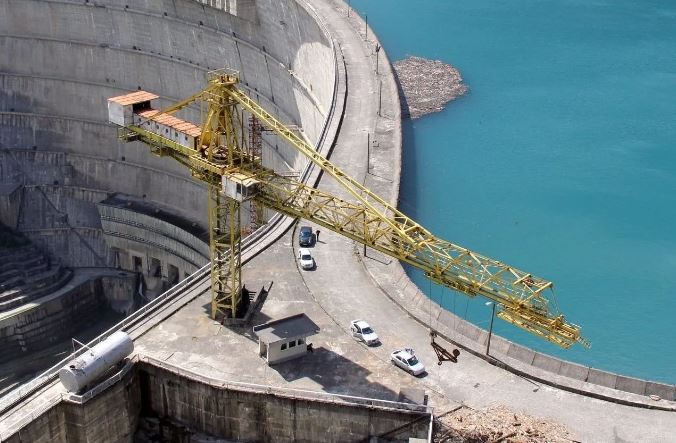
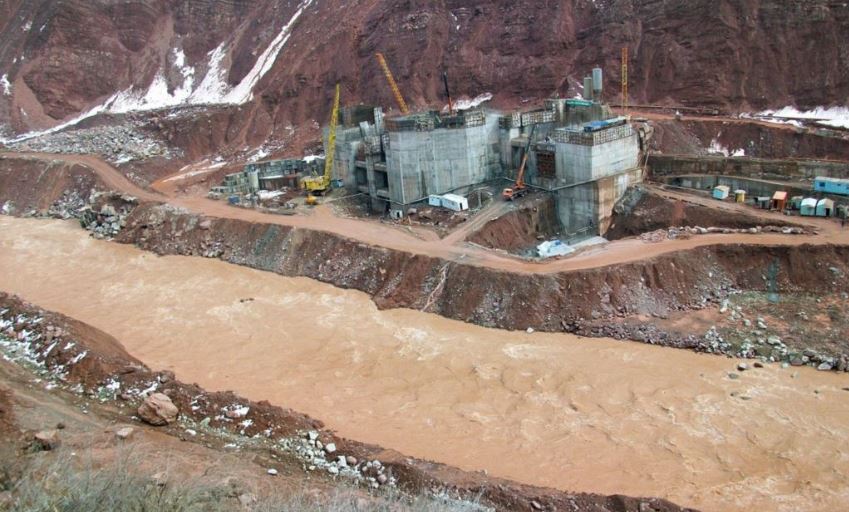
Roghun Hydropower Plant — Tajikistan’s Roghun project features the tallest dam in the world and is expected to double the country’s energy production by 2032. It promises to resolve domestic energy shortages, support regional decarbonization, and enable electricity exports. The project is led by the World Bank, with backing from the EU and multiple European firms.
The Global Gateway Forum gathers global leaders, civil society, financial institutions, and private sector stakeholders to promote sustainable infrastructure and investment. The initiative is part of the EU’s Global Gateway strategy, which aims to mobilize up to €300 billion in public and private funding between 2021 and 2027. Its goal: to build sustainable, inclusive, and secure global connections in energy, digital, transport, health, and education—without creating dependency.