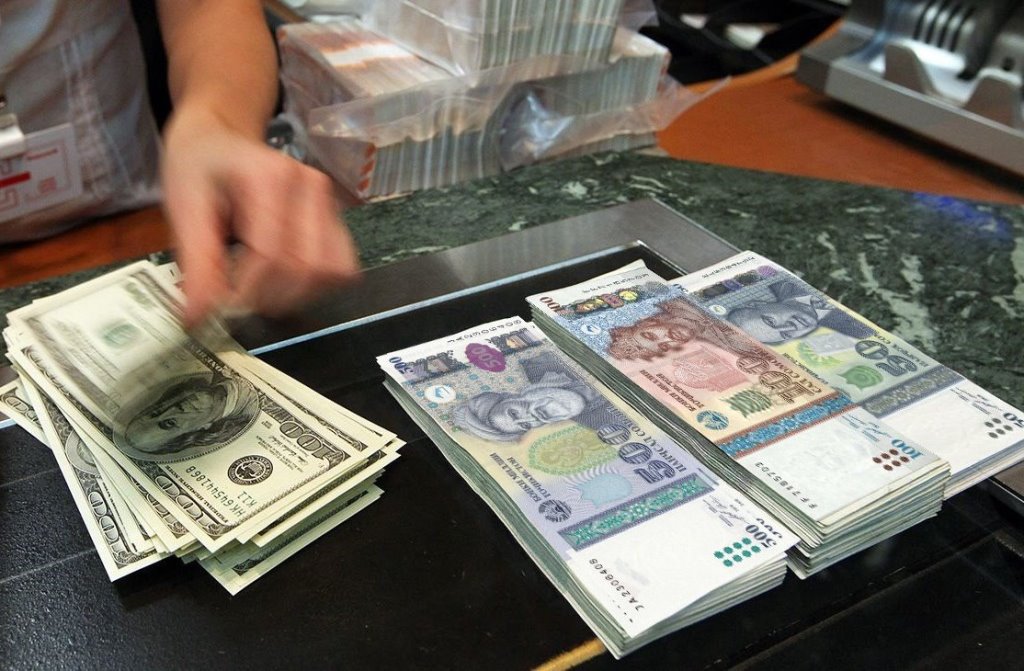
The exchange rate of the US dollar (USD) to the Tajik national currency, the somoni (TJS), has gradually risen in recent days after a prolonged decline.
According to the National Bank of Tajikistan (NBT), the official exchange rate of the US dollar fell by 3.2% between mid-September and the end of October, from 1:9.51 on September 15 to 1:9.21 on October 21. However, in October 22-24, the USD/TJS exchange rate has increased slightly to 1:9.25.
The current rate is the lowest since mid-2018. Overall, the US dollar has depreciated by 15.1% against the Tajik somoni since the beginning of 2025.
NBT specialists attribute the fluctuation of the exchange rate to various internal and external factors. External factors include the volume of foreign currency inflows into the country, global geopolitical and economic events, changes in the monetary policies of major central banks, and fluctuations in the exchange rate of the Russian ruble. Internal factors involve domestic demand for foreign currency and the banking system’s ability to meet the needs of individuals and legal entities.
“These processes are seasonal, and their impact on the somoni exchange rate varies depending on the time of year,” NBT officials explained.
Currently, one of the key factors contributing to the strengthening of the somoni against the dollar is the rising exchange rate of the Russian ruble. The increased inflow of rubles into the country has gradually led to a stronger somoni.
Furthermore, demand for foreign currency from both individuals and legal entities has notably decreased in recent months, and the banking system has been able to fully meet existing demand, which is also contributing to the somoni’s stabilization.
Russian ruble strengthens, affecting the dollar-somoni rate
Meanwhile, over the past week, the dollar-to-ruble exchange rate showed a moderate decline. At the beginning of the week, the dollar traded around 83 rubles, but by the end of the week, it had fallen to 80-81 rubles.
According to the Central Bank of Russia, the ruble strengthened by approximately 2%-3% during this period before a slight correction.
The Central Bank of Russia attributes this strengthening to several factors, including a tight monetary policy, the high key interest rate, and capital movement restrictions, which have reduced pressure on the ruble and limited demand for foreign currency. Additionally, low demand for foreign currency among importers has supported the ruble.
The ruble has also benefitted from rising global oil prices, ensuring a steady influx of export revenue.
In the short term, analysts expect the ruble to remain in the range of 80-82 rubles per dollar, but caution that the market remains sensitive to fluctuations in oil prices, export dynamics, and potential sanctions, all of which could impact currency supply and demand.