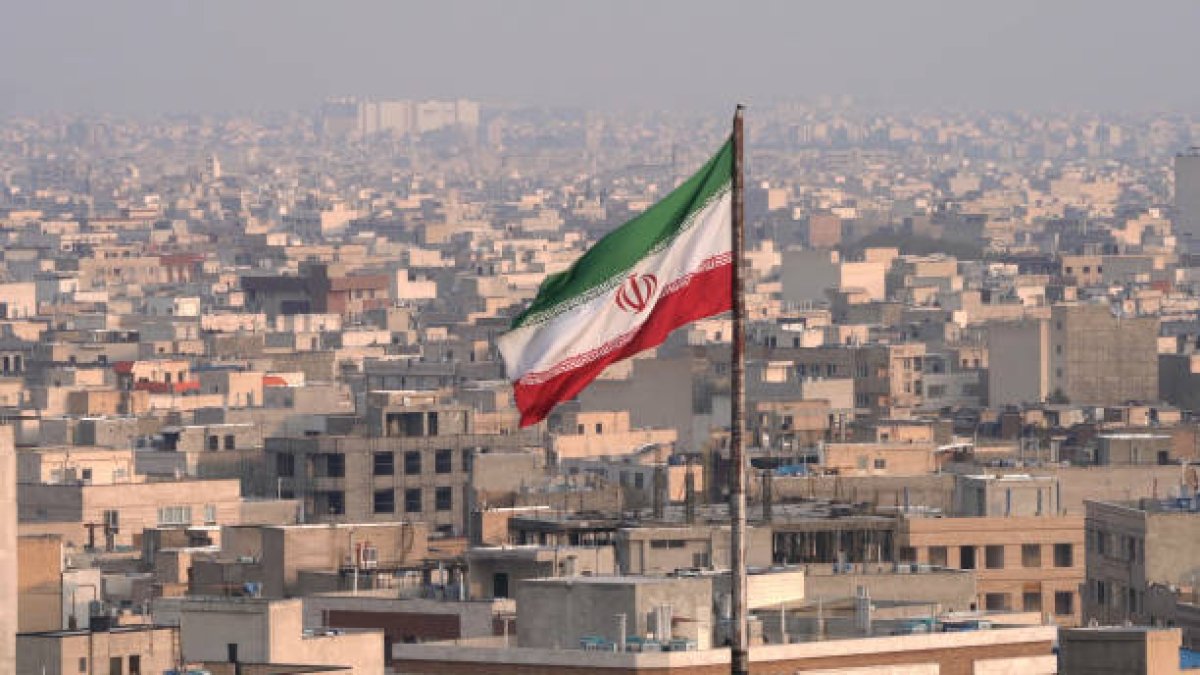
Iran is experiencing the most severe drought in decades, with record-low rainfall leading to near-empty reservoirs across the country. Authorities are urging citizens to conserve water and stock up for emergencies.
President Masoud Pezeshkian warned that if rainfall does not begin soon, water supplies to Tehran may have to be drastically reduced. In the worst-case scenario, he said, the authorities might have to consider evacuating the capital, according to Anadolu Agency (AA). "If water rationing does not work, we may have to evacuate Tehran," Pezeshkian cautioned.
His comments have sparked widespread reaction in the media and on social networks. Former Tehran mayor Gholamhossein Karbaschi called the suggestion of an evacuation "a joke," emphasizing that it would be impossible to evacuate the 9-million-strong city.
According to meteorologists, no significant rainfall is expected in Iran over the next ten days.
Meanwhile, the effects of the water crisis are already being felt on the ground. Residents are reporting disruptions in water supply and are forced to stock up on water. "I'm planning to buy water tanks, at least for the toilet and household needs," one Tehran resident told the BBC’s Persian Service.
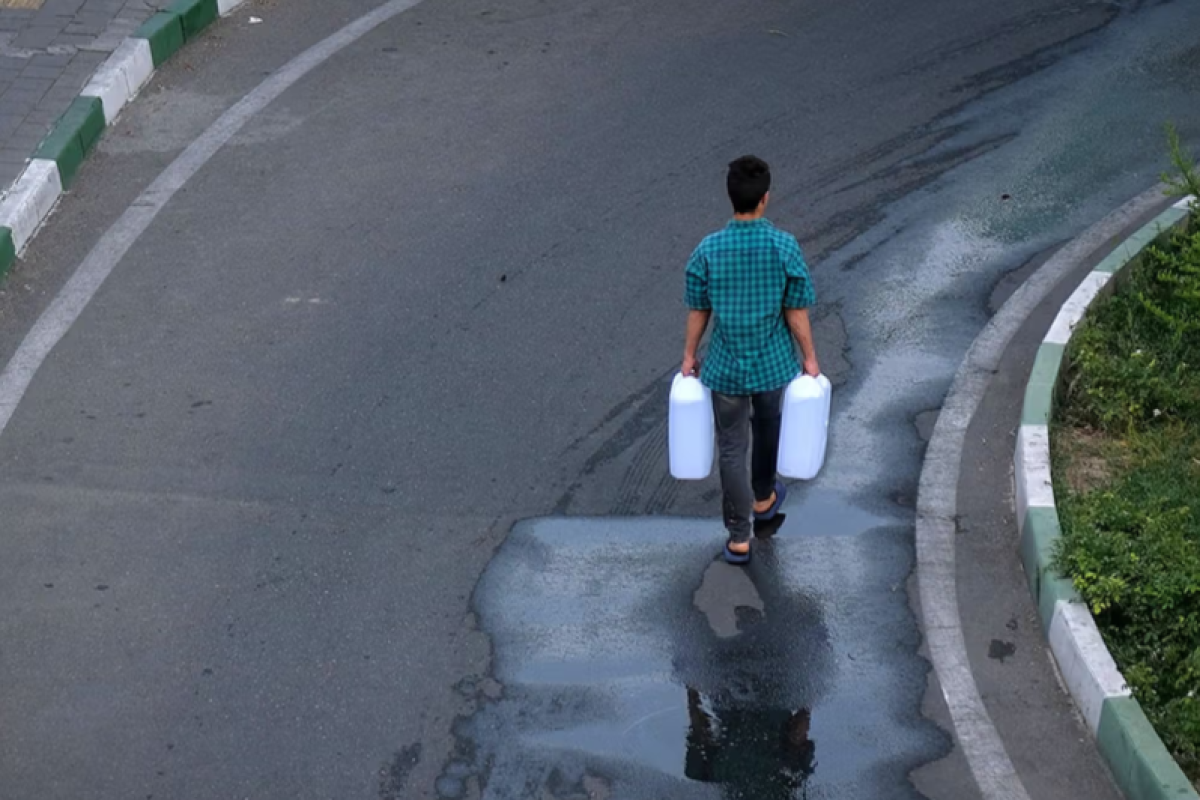
In the summer, Iranian rapper Vafa Ahmadpour posted a video showing no water coming from his tap. "It's been four or five hours now," he said. "I had to buy bottled water just to use the toilet."
The situation is particularly dire at the Latian Dam, one of Tehran's key water sources, where the reservoir is less than 10% full. The nearby Karaj Dam, which supplies water to both the capital and the Alborz province, is also in crisis.
"I’ve never seen the water level this low," said an elderly local resident in an interview with Iranian state television.
Mohammad-Ali Moallem, head of the Karaj Dam, reported that rainfall has decreased by 92% compared to last year. "Only 8% of the reservoir's water remains, and most of it is unusable — it’s what we call 'dead water,'" he explained.
Iran's Minister of Energy, Abbas Aliabadi, warned that authorities may resort to night-time water outages. "On some nights, water supply may be cut off entirely," the minister stated.
As the water crisis deepens, Tehran faces an increasingly urgent situation, with residents and authorities scrambling to manage the limited resources at hand.
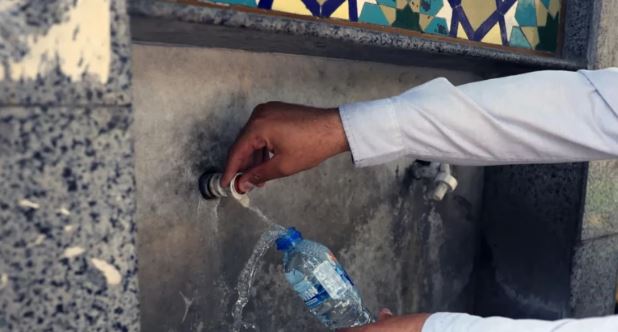
As Iran grapples with its worst drought in decades, authorities are considering penalties for households and businesses that excessively consume water. Minister of Energy Abbas Aliabadi confirmed that this measure is part of the government's effort to manage the country's dwindling water resources.
Aliabadi explained that the crisis was not only caused by the ongoing drought but also by the aging, century-old water infrastructure, which suffers from constant leaks. "The water system is old, and frequent leaks contribute significantly to the loss of water," he said.
The situation has been further exacerbated by the aftermath of June's conflict. After an Israeli airstrike hit the Tajrish district in northern Tehran on June 15, severe flooding occurred, damaging the city's infrastructure and worsening the water crisis. Israel claimed the airstrike targeted military facilities.
The water shortage has spread well beyond Tehran. According to Iran's National Climate Center, critical water shortages are also affecting the provinces of Markazi, West Azerbaijan, and East Azerbaijan.
In Mashhad, the second-largest city in Iran, the water level in reservoirs has dropped to between 3% and 8%. "All four reservoirs in the city — Torogh, Kardeh, Dusti, and Ardak — are nearly empty, and only one is still functioning," reported Hossein Ismailian, head of the local water supply company.
Experts argue that the current crisis is the result of decades of inefficient water usage. Back in 2011, Iran's Supreme Leader Ayatollah Ali Khamenei warned about the impending threat of drought, but no significant systemic measures were taken at the time.
Today, more than 16 million residents in Tehran, Karaj, and Mashhad face the real threat of water scarcity, as the situation continues to deteriorate. With authorities scrambling to manage the crisis, the pressing question remains: how long can the capital and its surrounding regions hold on before the water runs out?
Начало формы