Central Asia’s agrarian sector loses up to 3% of its gross domestic product (GDP) annually due to natural disasters, according to a new global report by the Food and Agriculture Organization of the United Nations (FAO) titled “The Impact of Disasters on Agriculture and Food Security.”
While the region's losses are lower than in more vulnerable areas such as West Africa (13.4%) and Southern Africa (7.6%), even these “moderate” levels can be critical for countries with agriculture-based economies and a strong dependence on stable water supply.
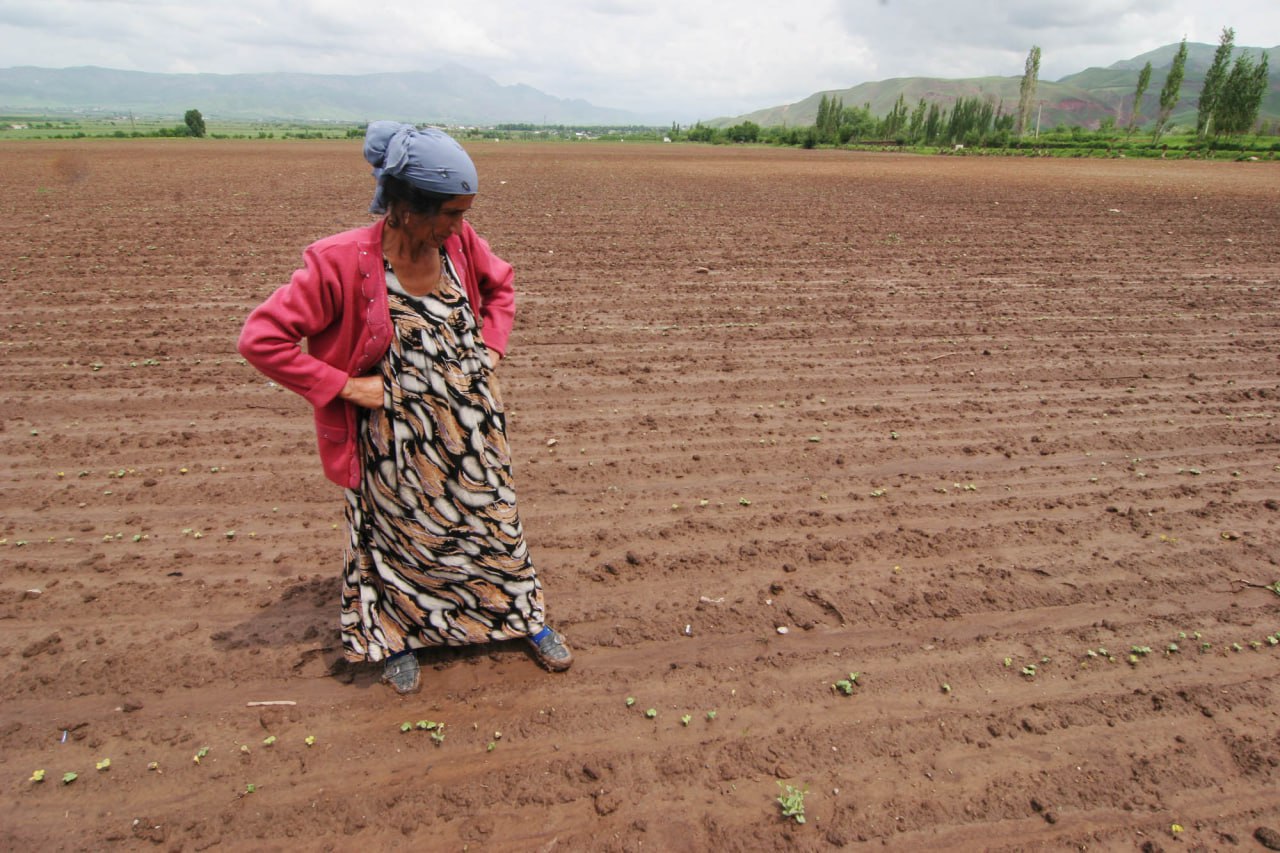
Tajikistan is highlighted as particularly vulnerable. The report states the country faces recurring droughts that deplete soil moisture and reduce crop yields. Heatwaves are becoming more frequent, harming both crops and livestock. In mountainous regions, floods and mudslides are increasing, damaging infrastructure and destroying fields.
Pasture degradation is accelerating due to rising temperatures and overuse of land. Another major concern is the melting of glaciers, which supply much of the country’s irrigation water — a key resource for agriculture.
FAO estimates that in low- and middle-income countries like Tajikistan, natural disasters can cause losses of up to 5% of agricultural GDP. This is significantly higher than in high-income countries and reflects the region’s limited capacity to adapt to climate risks.
Digital technologies: the key to agricultural resilience
To reduce losses and improve agriculture’s resilience to climate risks, Central Asian countries must accelerate the adoption of modern digital technologies. According to the FAO report, technological transformation is essential for ensuring food security in the region.
Key areas of focus include satellite-based monitoring of crop yields and water resources, development of digital early warning systems for natural disasters, mobile agri-services for farmers, and weather-indexed crop insurance.
Particular emphasis is placed on upgrading irrigation infrastructure and promoting precision irrigation technologies, which enable more efficient use of limited water resources.
FAO experts estimate that every dollar invested in preventive disaster risk reduction measures can yield up to seven dollars in savings by reducing losses and strengthening farm resilience. The organization calls on the international community and regional governments to boost investment in agri-technologies and climate adaptation initiatives.