On November 27, Tajikistan will unveil its Unified Business Education Standard — the country’s first comprehensive document aimed at building a modern entrepreneurial environment. Developed in response to a genuine societal demand, the initiative seeks to prepare a new generation of managers, entrepreneurs, and leaders ready to meet the challenges of the 21st century.
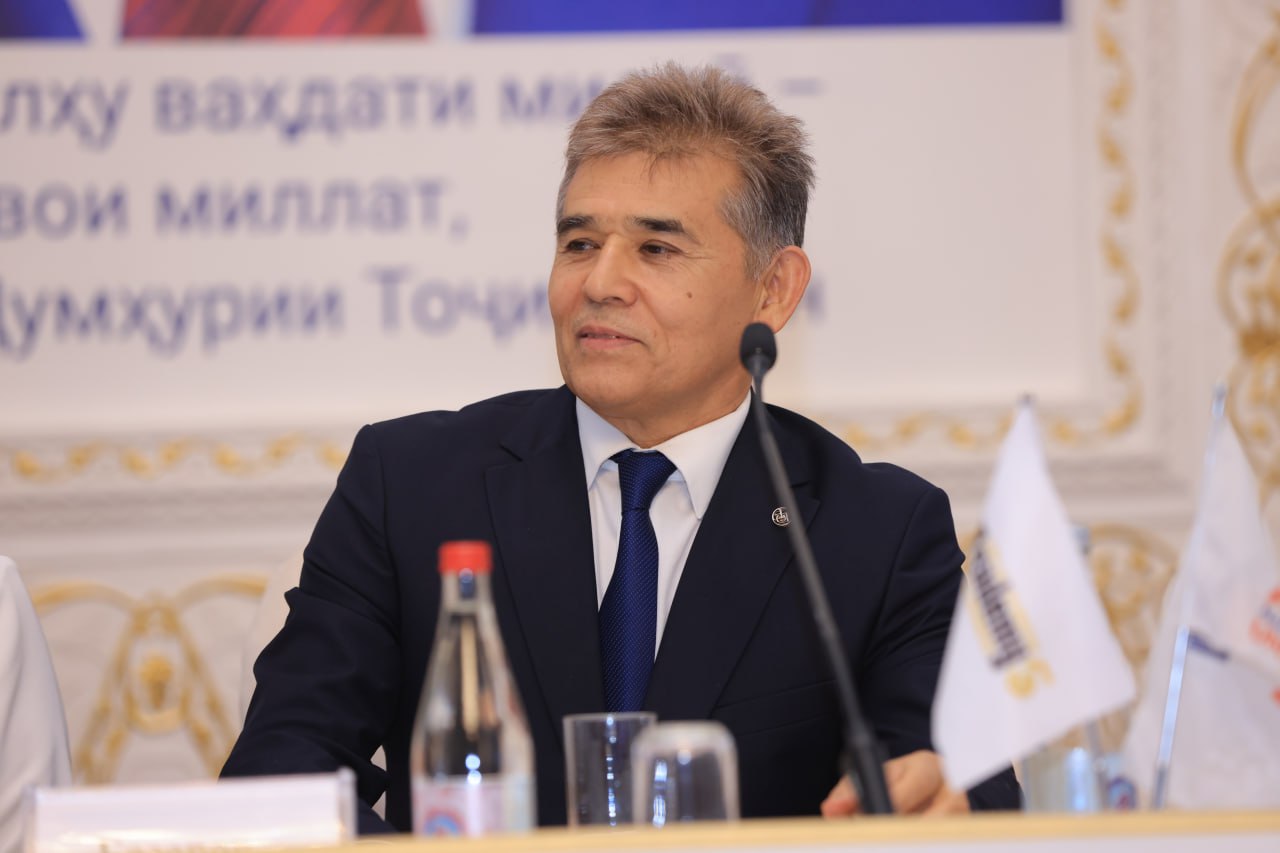
According to Shavkat Bazarov, Rector of the Academy of Management and Business under the National Association of Managers and Marketers (NAMM), this document is not just an educational reform, but the foundation of a new ecosystem that brings together schools, universities, businesses, parents, and students.
From local concern to national movement
The idea for the standard emerged from a simple but pressing question: why are graduates unprepared for the realities of business life? Why do theoretical courses fail to develop practical entrepreneurial skills? What started as an internal concern at the academy quickly resonated with businesses, universities, parents, international donors, and even members of parliament.
Now the project is entering a new phase — the creation of a national platform for training entrepreneurs, managers, and economic leaders, grounded in practical knowledge, digital tools, and the principles of sustainable development.
Why the unified standard matters — and why it works
According to the initiative’s authors, the standard is the result of a genuine dialogue among all stakeholders in the education system. It brings together the efforts of educators, entrepreneurs, parents, and students. At its core are real-life stories, programs, and initiatives — from MBA Kids courses to university-level business education.
“We’re not duplicating the existing system — we’re strengthening it. We’re not replacing standards — we’re building a bridge between theory and practice,” emphasizes Bazarov. The initiative has already received support from top universities, business leaders, and civil society actors.
This is an open project: schools, startups, corporations, donors, and mentors are all part of the shared educational ecosystem. It is a platform that helps form the country’s human capital and lays the groundwork for economic sovereignty.
The faces of the new ecosystem
A special Asia-Plus feature brought together voices from across the initiative:
· Sharif Rahimzoda: emphasized the need for a strong system of management training to achieve national development goals.
· Sayora Zaripova: described how the MBA Kids program became a space of wonder where children’s dreams are turned into real business ideas.
· Davron Bobojonyon: called on universities to abandon the “ivory tower” model and take an active role in the country’s economy.
· Oybek Begov: highlighted the need to train a new generation of educators for the standards to have real impact.
· Ruslan Kalimullin (Kazakhstan): called Tajikistan a regional leader in launching a genuine educational ecosystem.
· Sulaymon Sharifi: proposed blending business with the arts to help teens develop creativity and entrepreneurial thinking.
What is next?
· The immediate next steps for implementing the Unified Business Standard include launching elective courses in schools and colleges covering financial literacy, entrepreneurship basics, startup practices, management, marketing, innovation, and artificial intelligence.
· The MBA Kids program will serve as a foundational stage in business education.
· The plan also includes unifying textbooks and case studies in Tajik, Russian, and English, along with launching TOT (Training of Trainers) programs and international certification for the next generation of educators.
· A cornerstone of the ecosystem will be the establishment of the Academy of Management and Business — a national research and methodological hub.
· Sponsorship and philanthropic initiatives will play a major role, especially in supporting children from vulnerable communities and remote regions through hybrid and online programs.
From Imitation to Innovation: A Model for the Future
“Tajikistan no longer needs to play catch-up. We can build on our uniqueness and define our own development path,” say the project’s leaders. Instead of copying foreign models, the country is creating its own — one in which children learn from an early age to recognize opportunities, solve problems, and generate value.
Adults take on the role not just of teachers, but of mentors — to guide, inspire, and support. Education is no longer just the domain of schools, but a shared national mission involving parents, teachers, entrepreneurs, managers, and government bodies.
This is how a living culture of business education is born — where every child is a future creator, and the entire country becomes a workshop of the future.