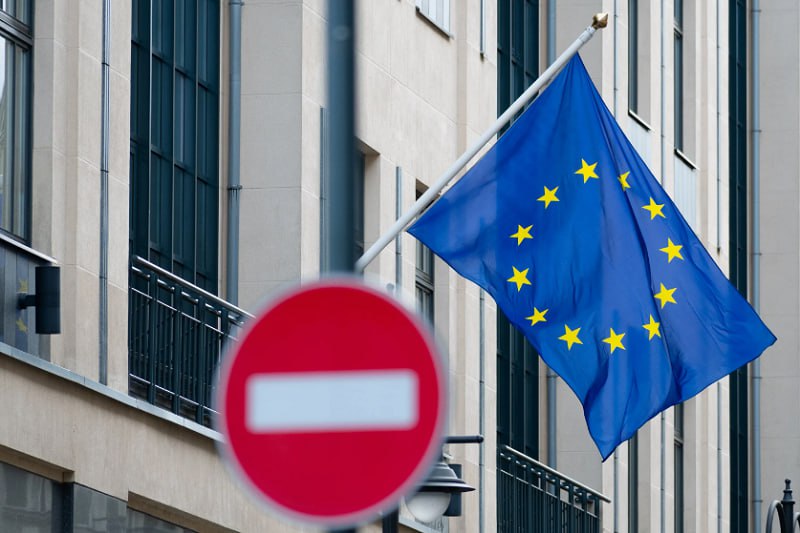
Three mid-sized Tajik banks have been placed under European Union sanctions as part of the 19th package of restrictions against Russia. These sanctions, which came into effect on November 12, not only prohibit these banks from engaging in transactions with European partners but also create reputational and financial risks. This complicates their international transactions and increases compliance requirements.
The banks sanctioned include OJSC Kommertzbank of Tajikistan, CJSC Spitamen Bank, and CJSC Dushanbe City Bank. All of these banks are considered mid-tier and have never been classified as systemically important within Tajikistan’s banking sector.
Key characteristics of sanctioned banks:
· Kommertzbank of Tajikistan with a charter capital of 370 million somonis has been operating since 2007, focusing on non-cash transactions and supporting small and medium-sized businesses. 93% of the bank's shares are owned by the insurance company Sughurtai Avvalini Milli.
· Spitamen Bank, with a capital of over 180 million somonis, started in 2014 as a microcredit institution called Spitamen Capital. The insurance company Spitamen Insurance owns all shares of the bank.
· Dushanbe City Bank, with a capital of 221 million somonis, received its banking license in 2022. The bank grew out of the micro-deposit organization Dushanbe City, which had been operating since 2007. The company Avesto Group holds a controlling stake (70%).
What do the sanctions mean for these banks?
According to the European Council's official press release, the 19th sanctions package prohibits transactions with a number of banks and companies, including those from Tajikistan, Kyrgyzstan, Kazakhstan, the UAE, and Hong Kong, which are believed to help Russia bypass financial restrictions.
This means that the sanctioned banks cannot conduct any transactions with organizations or individuals in the EU. Payments will be blocked, and the banks will be unable to work with EU companies, freezing any financial operations involving the EU. EU banks are now required to check and block transactions related to these sanctioned banks, making international operations more difficult.
Tajikistan's response to sanctions
On October 24, the day after the EU press release, the National Bank of Tajikistan stated that it was closely monitoring the situation in collaboration with credit institutions and consulting international partners. The bank assured that domestic banking operations would continue as usual, although international transfers might face additional checks.
The banks under sanctions have reassured their clients that the situation remains stable, but some operations, particularly in euros, might face difficulties, and alternative payment channels might be explored.
Reputational and financial risks
International experts point out that the greatest risk for banks under EU sanctions is not just being formally added to the sanctions list, but the "domino effect" — the loss of trust from global financial partners and increasing regulatory scrutiny. Sanctions from the EU lead to heightened checks, limit access to international financial channels, and increase compliance costs.
Consequences for Tajikistan’s banking system
Some experts believe the sanctions on three banks are a serious warning but not a threat to the entire banking system of Tajikistan. Major banks, such as Bank Eskhata, continue to focus on collaboration with Western financial institutions. However, being added to the sanctions list signals that Tajikistan can no longer be viewed as a neutral corridor for international financial flows.
Experts recommend that Tajik regulators tighten control over compliance with sanctions avoidance schemes and focus on international standards. It is important for the banking system to not only ensure smooth domestic operations but also maintain its reputation on the international stage.