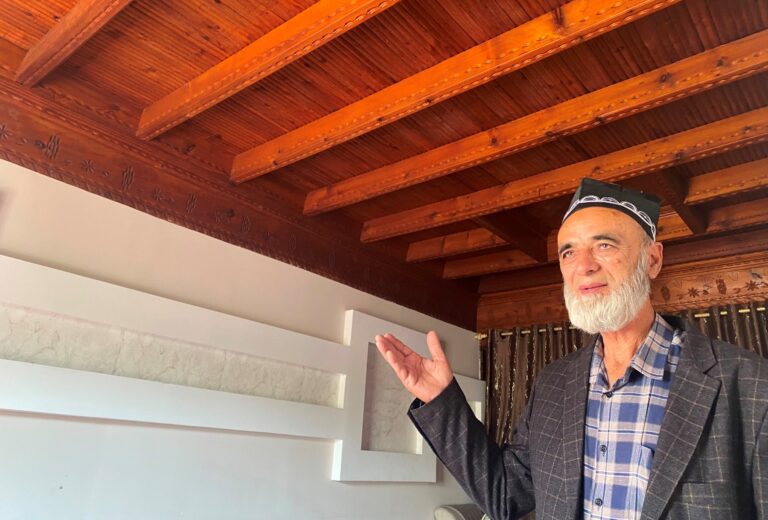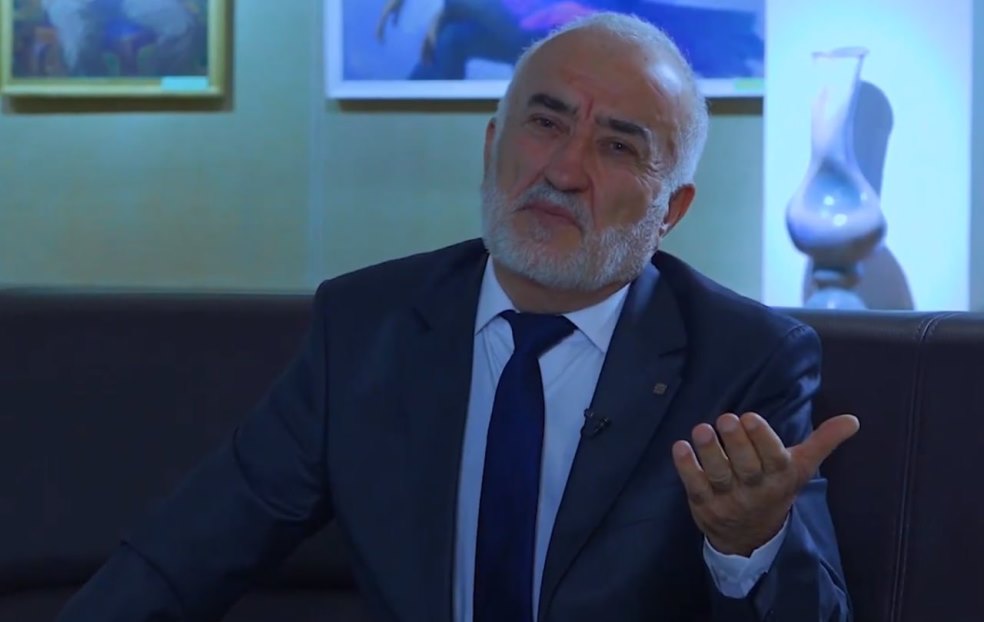
Famous Tajik actor Asalbek Nazriyev, People's Artist of Tajikistan, recently celebrated his 77th birthday. With over 50 years of experience, he has become an integral part of Tajik theater, particularly associated with the Lohouti Theater, where he has worked since 1973.
In an interview published two years ago, Nazriyev shared memories of his artistic journey, the evolution of theater across different eras, and the challenges culture faces today.
A dream or destiny?
"Becoming an actor was not my childhood dream, but more of a youthful passion," recalls Nazriyev. He was born and raised in the cultural environment of the Rushan district in the Gorno-Badakhshan Autonomous Region (GBAO), which has produced over 40 national artists in Tajikistan. Inspired by prominent cultural figures, he chose a career in theater. After graduating from the Faculty of Arts at the Shevchenko Pedagogical Institute in 1972, he immediately joined the Lohouti Theater, mentored by Khushnazar Maibaliyev.
Fifty years on one stage
Having worked at the Lohouti Theater for more than 50 years, Nazriyev admits that such longevity is rare. "As they say, a tree grows in one place. If transplanted, it may not bear fruit," he reflects. He notes that many actors who left the Lohouti Theater lost their talents on other stages, while those who stayed found a true home there.
Theater in Soviet and independent eras
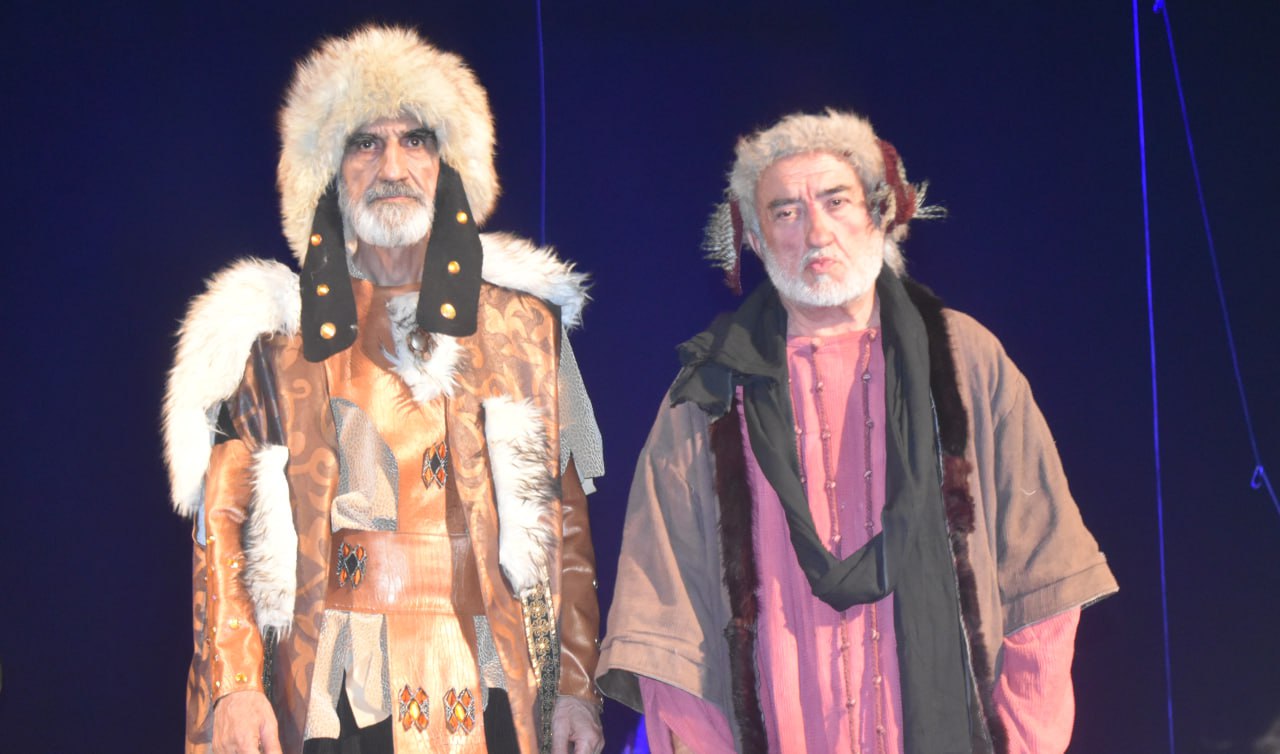
Nazriyev recalls the Soviet period as a time of stability for the theater, with rehearsals following a strict schedule and audiences always filling the halls. However, he believes that in the post-Soviet period, the theater faced new challenges, including interference with creative work. "Censorship was deeply rooted in Soviet times and, unfortunately, has not disappeared after independence. Sometimes even people with no connection to the theater interfere in the performances," he says. According to him, theater should reflect life, mirror reality, and influence society.
Theater in the era of independence: achievements and challenges
After independence, Tajik theater achieved significant success, participating in international festivals, winning awards, and organizing festivals like "Parastou" and "Toji Somon." However, the civil war severely slowed the theater’s progress, and it was only in the early 2000s that things started to improve. Today, actors are once again touring the regions, trying to bring theater back to audiences, particularly in remote mountainous areas where theater traditions were nearly nonexistent.
Theatrical challenges in the regions and the 'brain drain'
In Tajikistan's regions, the situation with theaters remains difficult. Many cities lack proper theater buildings, making it hard to develop the arts. Additionally, actors face financial hardships: low wages and a lack of housing force many young talents to leave the profession. Nazriyev recalls how, in the 70s-90s, the theater provided its employees with housing, but now actors are forced to rent apartments.
The construction of the National Theater of Tajikistan
Nazriyev believes that the content of a theater is more important than the building itself. He thinks Tajik theater should integrate elements of national culture, even if a play is based on the works of world classics like Shakespeare. "The theater should reflect the culture and history of the people. We need playwrights who understand the soul of the nation," he asserts.
The future of Tajik theater
Despite the challenges, Nazriyev remains optimistic. He believes that Tajik theater will continue to evolve, and that new talented playwrights and directors will emerge, offering audiences national plays that reflect the country’s reality.