The energy crisis in Tajikistan has forced authorities to find a balance between the development of "green" transportation and sustainable energy supply. As part of efforts to conserve electricity, electric vehicles (EVs) in the country have been restricted in terms of access to power.
According to a new directive signed by the head of the OJSC Electricity Distribution Network on November 27, 2025, all EV charging stations must be turned off during peak hours, from 6:00 PM to 10:00 PM. This decision has complicated the operations of electric vehicles, including electric taxis and buses, which are becoming increasingly popular in Tajikistan.
Charging electric vehicles: issues and rising consumption
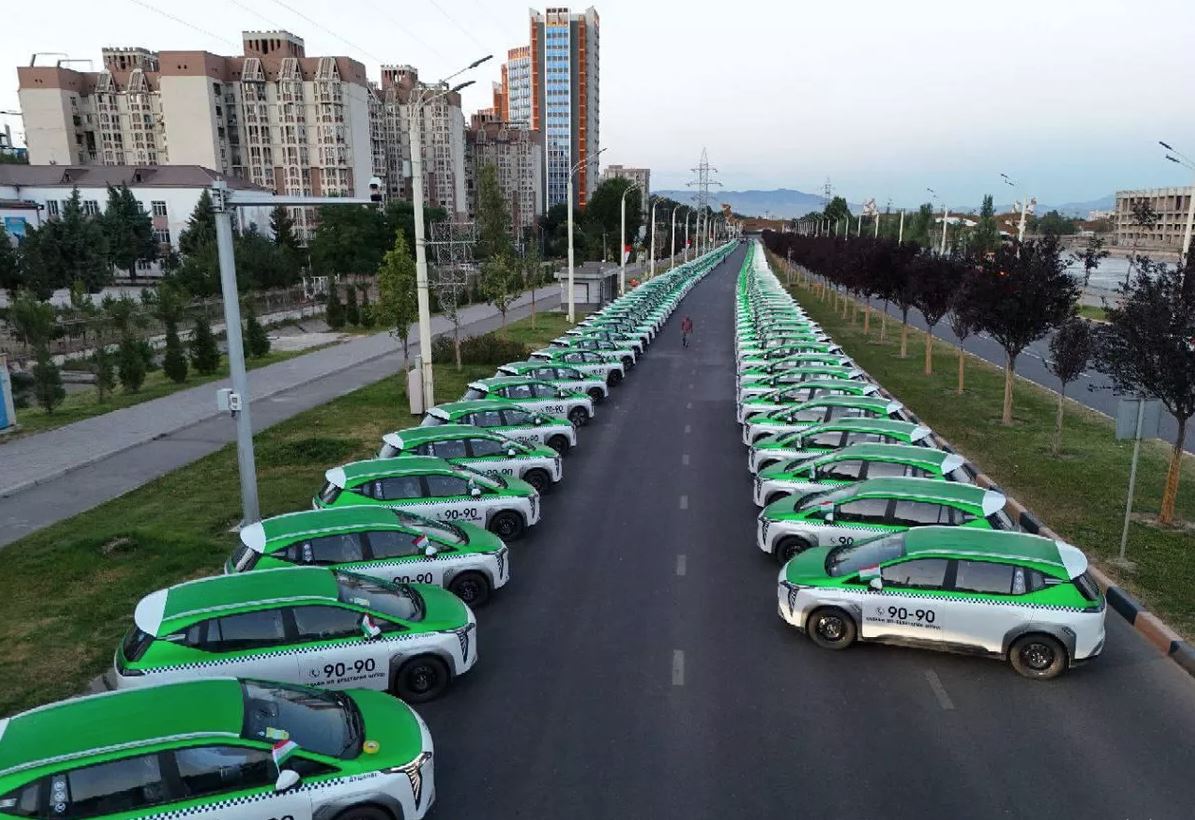
Electric taxi drivers in Dushanbe report that, on average, they consume about 60 kilowatt-hours (kWh) of electricity per day. According to the Ministry of Transport, approximately 15,000 electric vehicles operate in the capital, which means their total daily consumption is about 900,000 kWh — more than 2% of the country’s daily electricity production (around 44 million kWh). For comparison, an average household in Dushanbe consumes about 15 kWh per day. This means the energy consumption of one electric taxi equals the daily energy consumption of four households.
With the growing number of electric vehicles, their total daily electricity consumption is also increasing. According to official data, there are currently about 40,000 electric vehicles in Tajikistan. If half of these are used as taxis, the total daily consumption would be around 1.6 million kWh, or more than 3.6% of the country’s daily electricity generation.
The growth of electric buses and other changes
In addition, electric buses are rapidly growing in Dushanbe. Currently, more than 60 electric buses operate in the capital, each consuming about 300 kWh per day. By the end of the year, this number is expected to increase to 90 units. Trolleybuses, which also run on electricity, continue to operate as well.
However, the number of electric buses and trolleybuses in the capital does not significantly affect the increase in energy consumption, as this type of public transport has been in operation for a long time. The issues with energy deficits and growing electricity consumption are mainly associated with the rise in the number of electric vehicles.
The need for balance: "green" transport and energy supply
The challenge Tajikistan faces is that the rise in electric vehicles increases the load on the energy system, especially during the winter months when hydroelectric plants are operating at reduced capacity. In the event of an electricity deficit, the priority may be given not to charging stations but to households, as evidenced by the current reality: electric vehicles are limited to 4 hours of charging per day, while in rural areas, residents receive electricity for only a few hours each day.
On the other hand, electric vehicles bring significant environmental and economic benefits: they reduce carbon emissions, help improve air quality, and reduce dependence on fuel imports. The electrification of transport also contributes to partial energy independence and improves the country's balance of payments by reducing gasoline and diesel imports.
Conclusions and solutions
The impact of electric vehicles on Tajikistan's energy system is indeed noticeable, but the advantages of this type of transport are also clear. It is essential to find a balance between developing "green" transport and ensuring a sustainable energy supply. This can be achieved by investing in renewable energy sources, building new capacities, and improving energy efficiency.
With these efforts, electric vehicles can become not a source of additional challenges but a symbol of progress and a step toward a "green future."