Chinese banks to finance half of China-Kyrgyzstan-Uzbekistan railway project

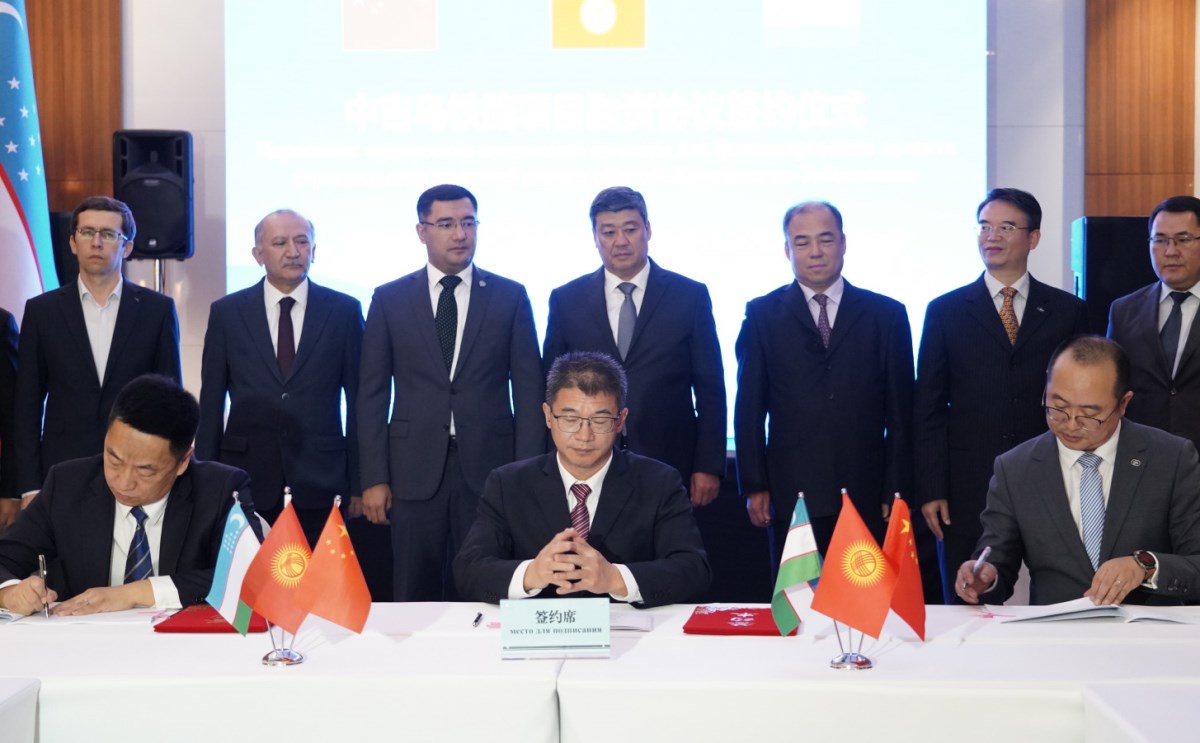
A syndicate of Chinese banks will provide a US$2.3 billion loan for the construction of the China-Kyrgyzstan-Uzbekistan railway, with a repayment term of 35 years. The agreement was signed in Kyrgyzstan’s capita, Bishkek, on December 16. The press service of the Kyrgyz government says the document was signed by representatives of the "China-Kyrgyzstan-Uzbekistan Railway Company" […]

Asia-Plus

A syndicate of Chinese banks will provide a US$2.3 billion loan for the construction of the China-Kyrgyzstan-Uzbekistan railway, with a repayment term of 35 years. The agreement was signed in Kyrgyzstan’s capita, Bishkek, on December 16.

The press service of the Kyrgyz government says the document was signed by representatives of the "China-Kyrgyzstan-Uzbekistan Railway Company" (a joint project company established by the three countries) and the syndicate of Chinese banks, which includes the China Development Bank and Exim Bank.

The event was reportedly attended by Kyrgyzstan's Deputy Prime Minister, Minister of Water Resources, Agriculture, and Food Processing, Bakyt Torobayev.
According to the Kyrgyz government, the total cost of the project is $4.7 billion. Of this amount, $2.3 billion will be covered by the loan, with the remaining funds coming from contributions by the three countries to the authorized capital of the joint project company. China will contribute 51% of the funding, while Kyrgyzstan and Uzbekistan will each contribute 24.5%.

The project includes the construction of 50 bridges and 29 tunnels, totaling 120 km, which will account for approximately 40% of the total length of the railway. The railway’s length on Kyrgyz territory will be 304 km.

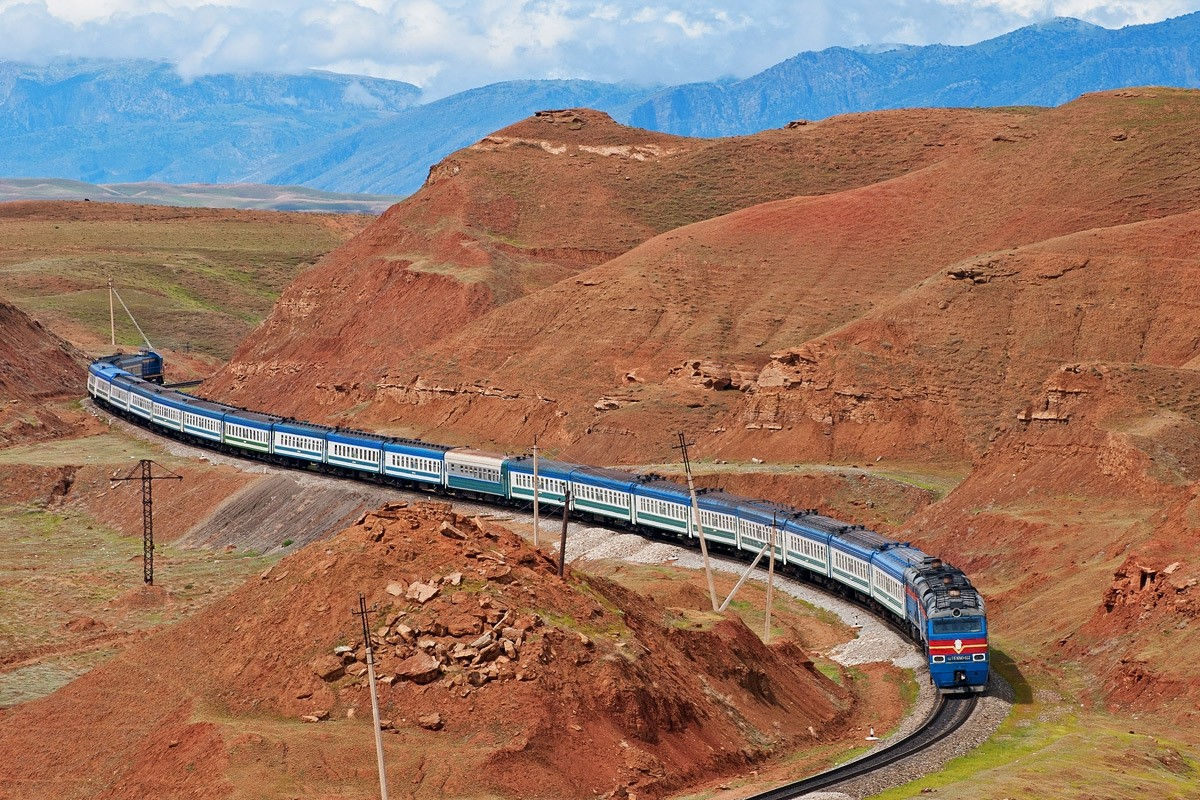
The new transportation route will run from Kashgar — Torugart — Makmal — Jalalabad — Andijan. The railway is expected to shorten the distance from China to Middle Eastern countries by 900 km, reducing transportation costs and cutting delivery times by 7-8 days. The project is expected to foster the development of Central Asia's transport infrastructure and improve access to the ports of the Persian Gulf and the Pacific Ocean.

An agreement for the joint promotion of the China-Kyrgyzstan-Uzbekistan railway project was signed on June 6, 2024, with the official launch scheduled for December 27, 2024.

In July of this year, reports indicated that Tajikistan is considering the possibility of joining the China-Kyrgyzstan-Uzbekistan railway construction project.
Join us on social media!

Article translations:

Related Article

Оби зулол
Оби зулол

Most Read

Recent Articles

India’s blockchain push and lessons for the global south

The Indian Government has started pushing aggressively its agenda of embracing blockchain technology, and the same has received a new lease of life with...

India’s blockchain push and lessons for the global south

The Indian Government has started pushing aggressively its agenda...

25 Years in Touch: On Generation Change, “Digital” and “Invisible” Work

In its 25th anniversary year, "MegaFon Tajikistan" summarizes its...

The number of entrepreneurs in Tajikistan increases by 4.3%

The number of entrepreneurs operating under a patent is increasing the fastest.

Trump announces “very good” talks with Iran and the possibility of a quick agreement. Tehran did not comment on this

The President of the United States claims that Tehran has agreed to the US demand to abandon the development of nuclear weapons.

Police report the discovery of the remains of a man who had been missing since December 2025

A friend of the murdered person has been detained on suspicion of particularly brutal murder.

Residents of a settlement in Sughd: “Afghan refugees have disappeared from the Dehmoy jamoat”

Earlier, a citizen of Afghanistan was detained on charges of murdering a resident of Khujand.

In Russia, it was proposed to revoke residence permits and temporary residence permits from migrants who do not work for more than two months

During January-March 2026, 90% more residence permits were revoked from migrants in the country compared to the same period last year.

From reach to influence: why advertising no longer works by old rules discussed in Dushanbe

Market research forces a complete reconsideration of the advertising budget allocation strategy.