Despite the challenges posed by climate change, including high temperatures, Tajikistan’s agriculture sector has shown remarkable resilience in 2025, achieving an 8.5% growth rate. Emomali Rahmon noted this in his addressed to a joint meeting of both chambers of parliament on December 16. This growth has reportedly helped ensure a stable supply of goods to the consumer market.
Additionally, the country’s food security level has improved significantly, rising from 60% in 2015 to 85% in 2025. This success is attributed to the hard work of the nation's farmers, who, despite the harsh weather conditions this year, including severe droughts, have continued to diligently work the land and maintain a steady supply of food products.
The President expressed deep gratitude and appreciation to all farmers, agricultural workers, and specialists who have contributed to this achievement through their loyal and dedicated labor, as well as their wise use of water and land resources.
According to the Food and Agriculture Organization (FAO) of the United Nations, by 2030, over 500 million people worldwide are expected to suffer from hunger. In 2024, the number of people living in chronic hunger is projected to increase to 670 million. Given these alarming global trends, the President expressed confidence that Tajikistan’s farmers would continue their hard work, utilizing all available resources, including water and land, to increase crop yields and further enhance the country's food security.
To address these challenges, the government has been tasked with developing and proposing a draft law on agricultural policy. The government is also responsible for creating a sustainable mechanism to support the cotton industry, which plays a key role in job creation, the production of raw materials for light industry and food processing, and boosting export volumes.
Furthermore, the government will develop and implement the State Program for Innovative Development of the Cotton Industry for 2026-2030.
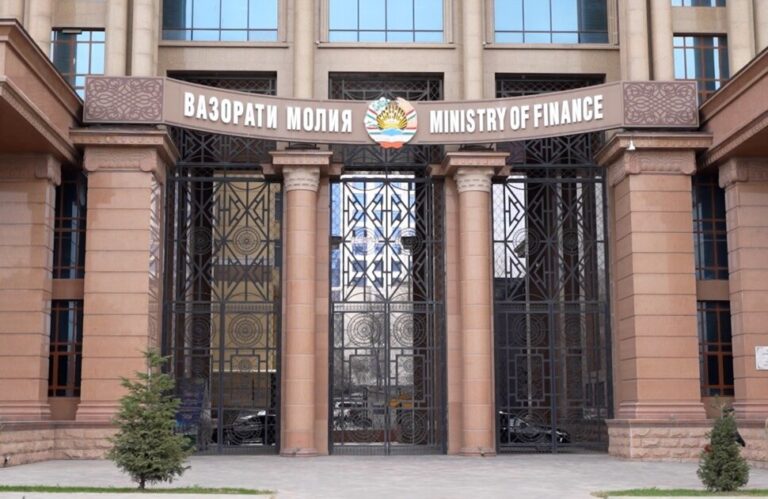
The Ministry of Justice, Ministry of Agriculture, Ministry of Finance, Ministry of Economic Development and Trade, the Tax Committee, and the Customs Service have been instructed to prepare and submit necessary proposals to the government within two months. These proposals should include relevant amendments to the legal and regulatory documents governing the sector to stabilize and further support the agricultural industry.