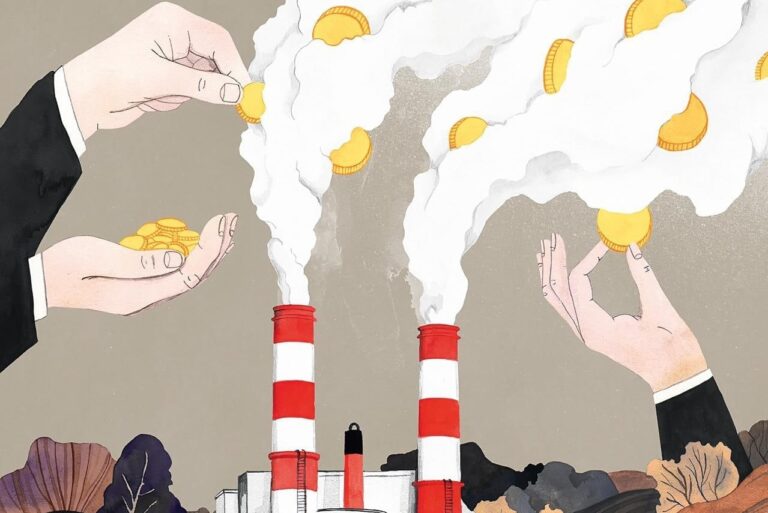
Starting from January 1, 2026, the value added tax (VAT) rate in Russia will increase from the current 20% to 22%. The corresponding amendments were made to the Russian Tax Code. The main reason for this change is to finance defense and national security.
This decision could affect not only domestic prices in Russia but also the cost of Russian goods in importing countries, including Tajikistan.
VAT is a key tax that contributes significantly to the federal budget of Russia. The last VAT increase took place in 2019, when it rose from 18% to 20%. Until the final quarter of 2025, there had been little discussion about raising the rate again. However, given the geopolitical situation and growing budget expenditures, the Ministry of Finance proposed increasing the rate by 2 percentage points, effective January 1, 2026.
What goods the VAT increase will not affect
According to Larisa Sorokina, Associate Professor at the RUDN Economic Faculty, the VAT increase will not apply to goods that benefit from a reduced rate of 10%. These goods include:
· Food products (excluding delicacies) such as meat, meat products, milk, dairy products, eggs, sugar, salt, cereals, flour, fish (except for valuable species), seafood, vegetables, fruits, bread, and pasta.
· Children's products.
· Periodical publications.
· Medical goods (a defined list).
How prices for other goods and services will increase
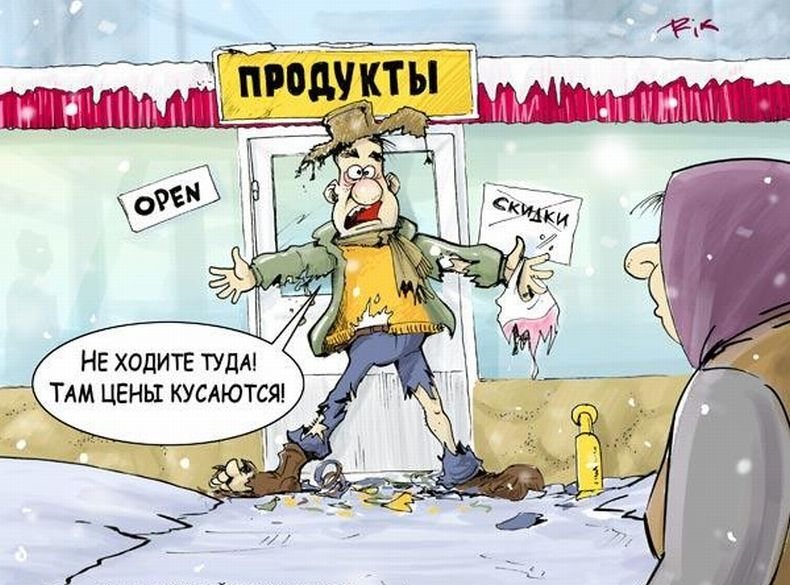
Formally, the VAT increase from 20% to 22% is a 2 percentage point rise, Sorokina notes. As a result, the final cost of goods and services will increase by the same 2%.
The VAT increase will inevitably lead to some price hikes, but it is expected to remain within the established inflation corridor, according to Arthur Leer, Vice President of the Association of Exporters and Importers of Russia and Managing Partner of Lex Alliance Law Firm.
He further emphasized that the Central Bank’s tight monetary policy helps mitigate such effects and has proven effective in the past. "The price increase is unlikely to be sharp and widespread. The burden will be distributed evenly, and consumers will experience it in a moderate form, without significant price jumps for essential goods," Leer said.
According to Vadim Kovrigin, Associate Professor at Plekhanov Russian University of Economics, companies with low profitability will experience more difficulties in absorbing the new taxes. "Therefore, prices are likely to rise most significantly in the construction sector, retail trade of mass consumer goods, and services across all price categories," he explained.
Anton Sviridenko, Executive Director of the Stolypin Institute for Economic Growth, estimates that the VAT increase from 20% to 22% will contribute to a 1.5% increase in inflation. This is partly due to a reduced income threshold, beyond which businesses are required to pay the tax. Additionally, before a VAT increase, there is often a surge in sales of durable goods. "As a result, prices for these goods may jump by the end of the year," concluded the economist.
Impact of the VAT increase on exported goods
In Russia, exports are subject to a VAT rate of 0%. This means that Russian goods sent abroad are not directly burdened with VAT. However, the increase in internal taxes raises the cost of raw materials, domestic services, transportation, and overall production costs.
As a result, even with a 0% VAT on exports, the export price of many goods will rise. This primarily affects goods that rely on Russian production chains.
For importing countries, including Tajikistan, this could lead to an increase in the prices of Russian imports by a few percentage points, depending on the industry.
Russian goods imported into Tajikistan
Russia is one of the leading exporters to Tajikistan. According to the Statistical Agency of Tajikistan, Russia accounted for about 27% of Tajikistan’s total imports in the first 10 months of this year. In this regard, Russia ranks second only to China, which makes up over 30% of Tajikistan’s imports.
As a result, any price increase for Russian goods could have a direct impact on the cost of imports in Tajikistan, further affecting the local economy.
Tajikistan Imports a Wide Range of Russian Products, Including:
· Fuel (gasoline, diesel)
· Food products (vegetable oils, cereals, sugar, beverages)
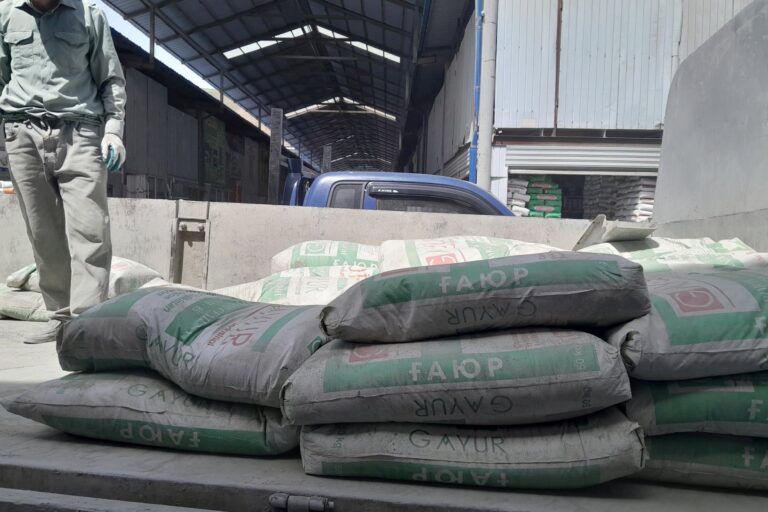
· Construction materials
· Wood and wood products
· Machinery, equipment, electronics, and spare parts
· Plastics and chemical products
· Medicines and pharmaceutical goods
· Vehicles and special Equipment