The Food and Agriculture Organization (FAO) of the United Nations conducted a five-day training on laboratory diagnostics of foot-and-mouth disease (FMD) for specialists from central and regional laboratories in Tajikistan. The training was part of FAO's regional "One Health" program, which is supported by the State Committee for Food Security of Tajikistan.
According to the FAO Tajikistan press service, the training aimed to enhance laboratory capabilities in diagnosing FMD, a highly contagious viral disease that poses a threat to livestock and food security. The program is funded by the Pandemic Preparedness Fund and is designed to improve the detection, diagnosis, and control of dangerous animal diseases that could spread across borders.
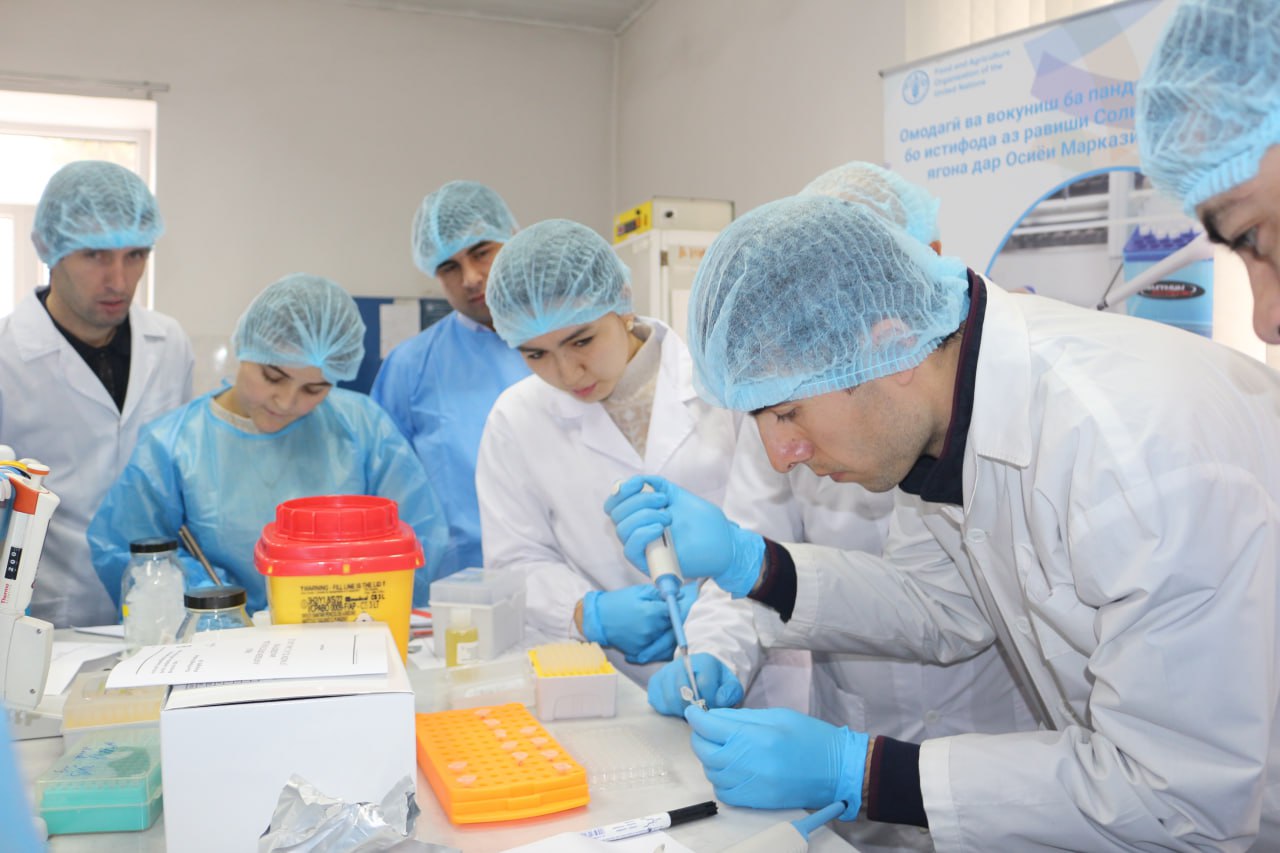
During the training, specialists reportedly covered both theoretical and practical aspects of FMD diagnostics. Special attention was given to internationally recognized diagnostic methods, including enzyme-linked immunosorbent assays (ELISA) to detect the disease.
"For early detection and effective control of animal diseases, reliable laboratory diagnostics are essential. This training helps Tajikistan’s national laboratories respond more quickly to FMD outbreaks, safeguarding livestock and food security," said Mr. Aghasi Harutyunyan, Acting FAO Representative in Tajikistan.
The course included topics on the spread of FMD, the different types of the disease, and methods of combating it. Participants were also introduced to laboratory biosecurity rules and trained on proper sample collection and transport. In the laboratory, specialists practiced conducting ELISA tests, which help distinguish infected animals from vaccinated ones and check vaccination effectiveness.
By the end of the course, participants significantly improved their diagnostic skills and better understood quality control measures, enhancing their ability to monitor and respond to FMD outbreaks.
"This training was invaluable for our laboratory specialists. We have strengthened our technical skills and are now better prepared to monitor and respond to FMD, protecting both livestock and livelihoods," said Mustafa Muminzoda, Deputy Chairman of the State Committee for Food Security.
FAO continues to support Tajikistan and other Central Asian countries in strengthening animal health protection systems and preparing for future disease outbreaks.