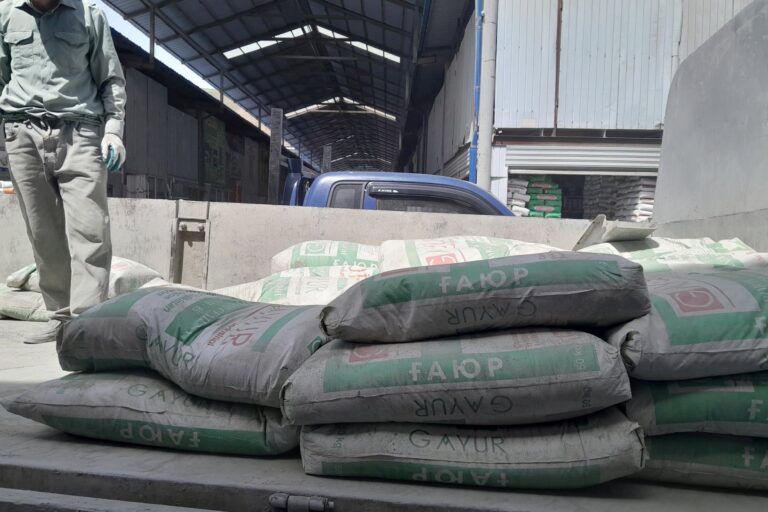
In 2025, the production value of industrial goods in Tajikistan's Free Economic Zones (FEZs) reached approximately 687 million somoni (around $69 million), according to the Agency for Statistics under the President of Tajikistan. This marks a 30.6% increase (161 million somoni) compared to 2024.
Last year, 35 enterprises operated within the FEZs, including 21 in the FEZ Sughd, 12 in the FEZ Danghara, 1 in the FEZ Kulob, and 1 in the FEZ Panj. In 2024, there were 30 active enterprises across these zones.
FEZs are specific, limited territories within Tajikistan that provide preferential economic conditions and special legal frameworks for business and investment activities.
FEZ Sughd
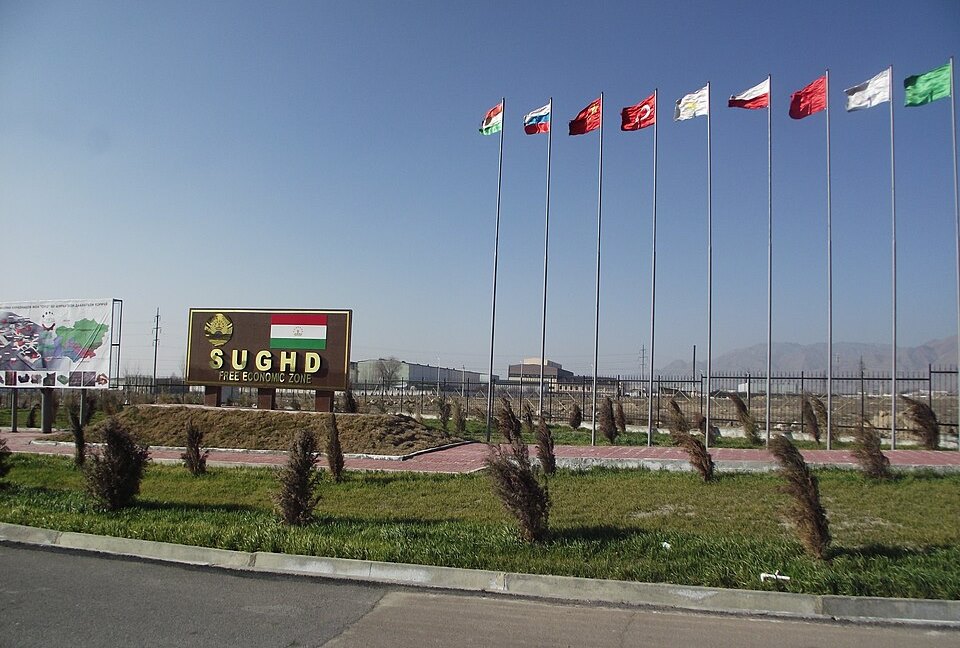
Located in Khujand, the capital of Sughd province, the 320-hectare Sughd zone hosts 44 registered companies, including 38 domestic firms and six joint ventures with Poland and Turkiye. It remains one of the country’s key economic hubs. In 2025, 21 industrial enterprises operated here, marking a 26.2% increase from the previous year. The total industrial production amounted to 557.7 million somoni, accounting for nearly 82% of the total output from all FEZs in the country.
Last year, the major contributors to production were Tajprof LLC (365 million somoni) and Afrang Plastik LLC (82 million somoni). This zone produces high-demand goods such as solar thermal collectors, plastic pipes, meat products, and fruit packaging.
Additionally, services worth 4.6 million somoni were provided, and construction work amounted to 757,100 somoni.
Established in May 2008 and launched in August 2009, the zone’s mandate is valid for 50 years.
FEZ Danghara
FEZ Danghara, covering 541.3 hectares in Khatlon province, hosted 12 industrial enterprises in 2025, generating around 112 million somoni in production. The top performers include Tajikistan Petroleum LLC, Aufen LLC), and Detyen Beton LLC.
Last year, key contributors included Tajikistan Petroleum LLC with 26.5 million somoni in production and Aufen LLC, which produced goods worth 46 million somoni.
In addition, paid services worth 2.3 million somoni were rendered, and transport services generated an additional 6 million somoni.
The zone was established by government decree in February 2009, with regulations approved in 2010.
FEZ Kulob
In FEZ Kulob (309 hectares), two companies are registered, but only Tajik Almos LLC was active, producing approximately 463,000 somoni worth of goods. However, construction and contracting works in the zone amounted to 17.6 million somoni construction contracts totaled 10.9 million somoni.
This zone was established in August 2019.
FEZ Panj
FEZ Panj (401.6 hectares, Jayhun district in Khatlon province) registered six enterprises, but only JSC Fon Daryo JSC last year produced goods (valued at around 17 million somoni.
The zone was created by a government decree on August 30, 2019.
FEZ Ishkashim
FEZ Ishkashim (200 hectares, Ishkashim district in the Gorno-Badakhshan Autonomous Region, or GBAO) recorded no industrial production in 2025, limiting activity to construction works valued at 1.2 million somoni.
The zone was established in February 2009.
Conclusion
Nearly two decades after the creation of the first free economic zones, only Sughd and Danghara have proven effective as platforms for industrial growth and investment. Meanwhile, Panj, Kulob, and Ishkashim remain in early infrastructure development or exist mostly on paper. Experts warn that without comprehensive business support and improved infrastructure, the potential of these zones may remain largely untapped.
The free economic zones provide preferential terms for economic, financial, trade, information, and other activities for investors. The FEZs offer incentives to investors, including preferences on taxation and customs procedures.
In the early 2000s, foreign direct investment has remained low because of political and economic instability, the poor domestic financial system, and Tajikistan’s geographic isolation. To attract foreign investment and technology, Tajikistan has offered to establish free economic zones in which firms receive advantages on taxes, fees, and customs. In 2004, the parliament passed a law on free economic zones. The zones offer customs and tax incentives to qualified investors.
By 2024 a total of 88 corporate residents have been registered with five FEZs operating in Tajikistan; only 33 of them (37.5 percent) were operational in 2023.