Home Blog Page 27

Tajikistan sends humanitarian aid to Iran

0

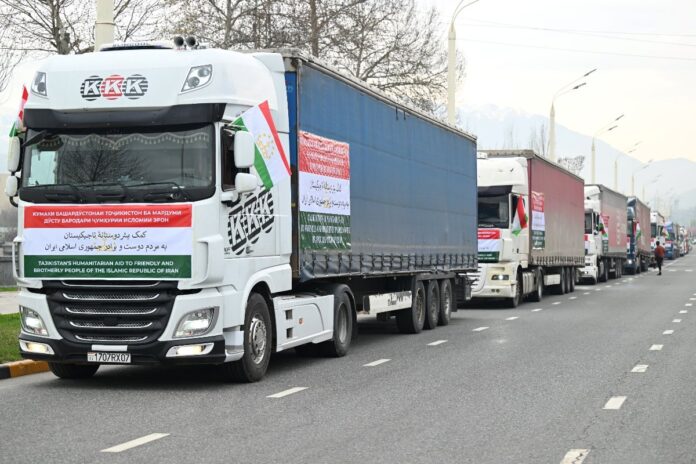
The government of Tajikistan has dispatched humanitarian aid to Iran on the orders of President Emomali Rahmon, the Tajik president’s press service reported.

A convoy of 110 trucks departed from Dushanbe on March 18 and is expected to arrive in Iran in the coming days.

The total volume of aid amounts to 3,610 tons, including 45 tons of medical supplies, sanitary and hygiene products, children’s clothing, food, essential goods, bedding, tents, and construction materials.

The United States and Israel began carrying out strikes on Iran on February 28. On the first day of the conflict, Iran’s Supreme Leader Ali Khamenei and dozens of senior military officials were killed.

In response, Tehran launched attacks on Israel and countries it considers U.S. allies, including the UAE, Bahrain, Kuwait, and Qatar.

Israel and Iran continue to exchange airstrikes.

According to Iranian sources, hundreds of civilians have been killed in missile attacks, and at least 15,000 people have been injured. 

Head of U.S. Counterterrorism Center resigns over Iran policy dispute

0

Joe Kent, head of the U.S. National Counterterrorism Center, has resigned, citing disagreement with Washington’s military policy toward Iran, the BBC’s Russian Service reported on March 17.

Kent, 45, who coordinated counterterrorism efforts under President Donald Trump, reportedly called on the White House to “change course.” He became the highest-ranking administration official to publicly criticize the U.S.-Israeli operation against Iran.

Appointed to the post last July after Senate confirmation, Kent had been considered a Trump ally. However, in a letter published on X, he stated that Iran “did not pose an immediate threat” to the United States and argued that the war was launched under pressure from Israel.

“Until June 2025, you understood that wars in the Middle East are a trap in which America loses lives and resources,” Kent wrote, adding that as a combat veteran he could not support sending a new generation into a conflict that does not serve U.S. interests.

Kent is a veteran of U.S. Special Forces and a former CIA officer. His wife, Shannon Kent, a U.S. Navy cryptologist, was killed in Syria in 2019 in a suicide bombing.

He also claimed that “disinformation” spread by Israeli officials and some American journalists had undermined the administration’s “America First” policy.

President Donald Trump, commenting on the resignation during a meeting with Irish Prime Minister Micheál Martin, said he had always considered Kent “weak on security.”

“I always thought he was weak on security. Iran was a threat — everyone understood that,” Trump said.

White House Press Secretary Karoline Leavitt said Kent’s letter contained “many claims that do not correspond to reality.”


Who is Joe Kent

Joe Kent previously ran unsuccessfully for Congress twice. His nomination as head of the National Counterterrorism Center was confirmed by a narrow margin.

Some Democrats accused him of ties to extremist groups, including members of the Proud Boys. During his confirmation hearings, Kent did not retract claims that federal agents may have provoked the January 6, 2021 Capitol riot, nor his assertions that Donald Trump won the 2020 election.

As head of the center, he reported to Director of National Intelligence Tulsi Gabbard and was responsible for analyzing and identifying terrorist threats worldwide.

Before that, Kent was deployed abroad 11 times with the U.S. military, including service with Army Special Forces in Iraq. He later worked in a CIA special unit and temporarily left government service after his wife’s death.

Islamic Civilization Center opens in Tashkent after eight years of construction

0

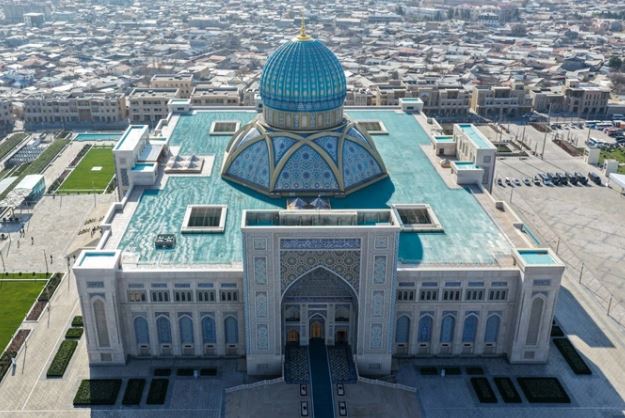
The Islamic Civilization Center, a major cultural and research complex, officially opened in Tashkent on March 17 in the historic Hazrati Imam area, according to daryo.uz. Uzbek President Shavkat Mirziyoyev attended the ceremony.

The complex reportedly covers 10 hectares. The three-story building measures 161 meters in length and 118 meters in width, with a dome rising 65 meters high. Its total floor space is about 50,000 square meters. daryo.uz says the site could qualify for inclusion in the Guinness World Records.

Over eight years of construction, the center’s collection has grown to include more than 2,000 historical items, including over 60 rare Quran manuscripts. In the past year alone, more than 1,500 exhibits were added, including around 800 manuscripts, archaeological artifacts, and historical maps.

The center has collaborated with international auction houses, collectors, and art dealers, bringing 743 original artifacts to Uzbekistan.

For the first time in the country’s museum practice, international experts conducted scientific analysis of the chemical composition and age of all exhibits in a modern laboratory, with detailed documentation prepared for each item.

The centerpiece of the exhibition is the Hall of the Holy Quran, which houses one of the world’s six oldest Qurans — the Uthman Quran.

ИЗОБРАЖЕНИЕ

The museum also holds 114 additional rare Quran manuscripts from different historical periods.

Specialists from multiple countries, including France, China, the United Kingdom, the United States, the UAE, Russia, Turkey, Germany, Spain, Italy, Malaysia, Azerbaijan, Saudi Arabia, India, and Central Asian nations, took part in the design, construction, and technological оснащение of the center.

Visitors are offered modern features such as robotic guides, tablets with audio and video content, and audio guide systems similar to those used in leading museums worldwide.

The center is expected to accommodate up to 5,000 visitors ежедневно. More than 400 staff will be required for full operation under international standards. Currently, over 100 controllers and more than 30 guides are already working, with tailored tour programs available for visitors from 10 countries.


Navrouz in Tajikistan: from ancient traditions to a national tourism brand

0

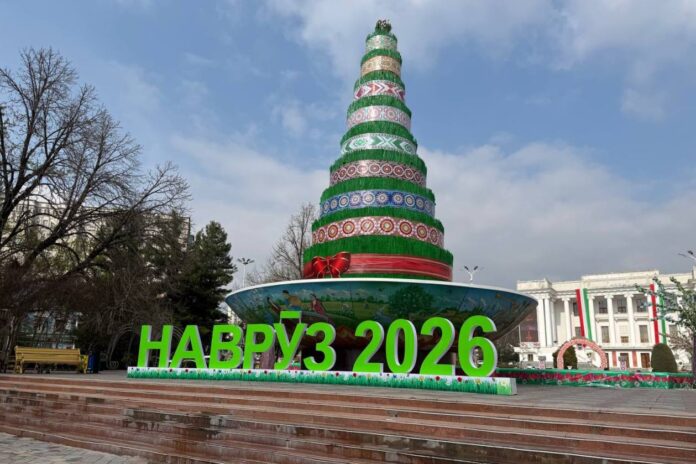
Navrouz is an ancient national holiday of the Tajik people and marks the beginning of the new year according to the calendar of their ancestors. It is a time when nature and all living things awaken, and Tajikistan turns into a vast cultural arena.

Navrouz is not only a heritage passed down through centuries, but also a cultural hallmark of the nation and one of the key factors attracting tourists to the country. This spring festival, with its distinctive character, centuries-old traditions, and vibrant programs, reveals Tajikistan’s unique image to the world.

Today, Navrouz is becoming a national tourism brand of Tajikistan. The traditions and rituals of Navrouz and other ancient festivals — Sada, Tirgon, and Mehrgon — revived during the years of state independence, have become a solid foundation for preserving the cultural and spiritual values of the Tajik people in world history.


Navrouz — A Heritage of Human Civilization

Navrouz has a history of more than 3,000 years and is recognized by UNESCO as an intangible cultural heritage of humanity. At the initiative of the United Nations, March 21 has been declared the International Day of Navrouz.

For Tajikistan, Navrouz is not merely the beginning of the year, but a symbol of spiritual renewal, purification, unity, and friendship. These enduring values make the celebration especially attractive to every foreign visitor.

ИЗОБРАЖЕНИЕ Photo: Asia-Plus


Tajikistan During Navrouz — A Living Cultural Stage

During the праздничные days, cities and districts across the country are decorated with national symbols, and exhibitions of folk crafts and cultural programs are held everywhere. The main center of celebrations is traditionally Dushanbe, where large-scale events take place in the main squares and parks.

Tourists and guests of the republic can:

·         Witness spectacular sporting competitions, including traditional wrestling (gushtingiri) and the equestrian game buzkashi (goat grabbing);

·         Take part in festivals and exhibitions of folk crafts;

·         Taste national dishes such as sumanak, pilaf, and other festive treats;

·         Take memorable photos in traditional costumes made of chakan and atlas fabrics;

·         Attend concert programs featuring traditional songs and dances.

ИЗОБРАЖЕНИЕ Photo: Asia-Plus


An Important Tool of Cultural Diplomacy

Navrouz presents Tajikistan as a country with an ancient civilization, rich culture, and a tradition of hospitality. Foreign guests and tourists do not simply observe the celebration, but experience an atmosphere of friendship and sincerity. The holiday has become an international platform for festivals, tourism forums, and cultural exhibitions.

Navrouz introduces Tajikistan to the world as a country with an ancient civilization, rich culture, and genuine hospitality. Foreign visitors and tourists are not merely spectators — they immerse themselves in an atmosphere of warmth and goodwill. Today, the holiday has become an international platform for hosting festivals, tourism forums, and large-scale cultural exhibitions.

ИЗОБРАЖЕНИЕ Photo: Asia-Plus


Navrouz in Tajikistan’s Tourism Development Strategy

Amid growing competition in the global tourism market, each country seeks to offer its own unique national product. According to the goals of the Tourism Development Strategy of the Republic of Tajikistan for the period up to 2030, the creation of competitive seasonal products with high cultural value is a priority.

One of the key objectives of the Strategy is to ensure the sustainable development of the country’s tourism industry. Achieving this goal relies significantly on marketing and promotion of tourism products, as well as the protection and rational use of natural, historical, and cultural resources.

In this context, Navrouz holds a strong position as a full-fledged tourism product and national brand capable of attracting foreign visitors during the spring season.

Ancient national holidays — Sada, Navrouz, Tirgon, and Mehrgon — have in recent years been actively promoted in this capacity.

Each year, the Committee for Tourism Development, together with the authorities of Dushanbe, organizes the international festival “Navrouz — Cultural and Tourism Heritage,” aimed at showcasing the tourism potential and national culture of the Tajik people.

The Committee for Tourism Development and tourism companies actively promote Navrouz festivals, traditions, and competitions through informational materials and social media, drawing the attention of travelers to these events.


Why Navrouz Is an Ideal Tourism Brand

Navrouz in Tajikistan is a living embodiment of culture, nature, and hospitality. Its success as a brand is based on several factors:

·         A vibrant and colorful culture: the opportunity to experience ancient traditions firsthand;

·         National cuisine: a unique gastronomic diversity;

·         Nature and adventure: a combination of festive celebrations with distinctive mountain landscapes;

·         Sports and folk traditions: the spectacle and authenticity of traditional games and customs.

ИЗОБРАЖЕНИЕ Photo: inkedin.com

For foreign tourists, Navrouz offers the opportunity to:

·         Get to know Tajik families more closely;

·         Take part in traditional rituals;

·         Enjoy the sincere hospitality of the people;

·         Capture vivid photographs and gain unforgettable impressions.

Navrouz presents Tajikistan as a country of ancient and living culture, unique nature, and hospitality.

Tajik tourism companies are already leveraging the potential of Navrouz by creating new tourism products (“Navrouz tours”) and incorporating elements of the holiday into existing itineraries, which include visits to national competitions, festivals, and other festive events.

We are convinced that Navrouz, as a factor in strengthening national identity, contributes to enhancing Tajikistan’s image globally as a country with a rich ancient civilization and significant tourism potential. Undoubtedly, this holiday is a national tourism brand of Tajikistan and a bridge of friendship between peoples.

Iran’s Ambassador to Tajikistan says U.S. and Israel failed to achieve their goals

0

Iran’s Ambassador to Tajikistan, Alireza Haghighiyan, said that the United States and Israel have failed to achieve their objectives in the conflict with the Islamic Republic. He made the statement at a press conference in Dushanbe on March 16.

According to the diplomat, Tehran is currently focusing all its efforts on defending the country. He noted that the U.S. and Israel had planned to overthrow Iran’s political system within 48 hours, but the country’s armed forces, with public support, thwarted those plans.

Haghighiyan said that more than 1,200 civilians were killed during the conflict, but emphasized that “the adversary did not achieve any of its goals.”

He stressed that Iran was prepared for various scenarios but was not the initiator of the conflict. “We did not start this war, and it was not our choice,” he said.

The ambassador also recalled earlier stages of the confrontation, including the killing of General Qassem Soleimani, commander of the Quds Force, during Donald Trump’s first presidential term, as well as subsequent escalations, including the so-called “12-day war” and events during Ramadan.

According to him, the U.S. presence in the region “not only does not contribute to security, but is itself a source of instability and division among Muslim countries.”

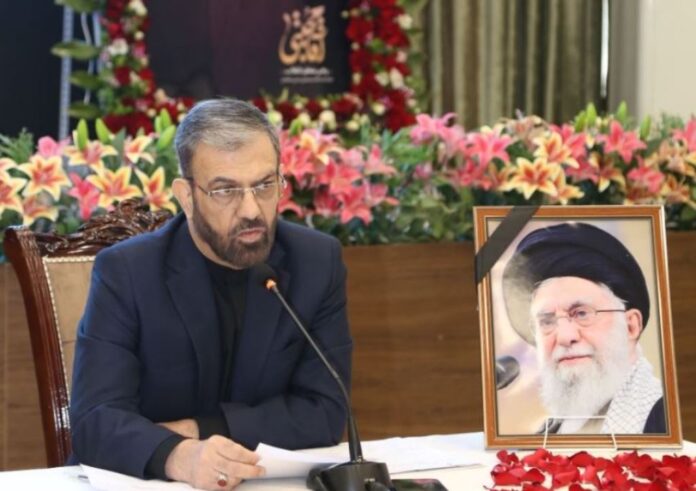
Speaking about Iran’s new Supreme Leader Mojtaba Khamenei, the ambassador described him as “a theologian, a wise and courageous man,” raised in the school of his father, Ali Khamenei.

Haghighiyan also stated that Iran is not currently holding negotiations with the United States. He noted that Tehran has experience of being attacked during negotiation processes.

“In the current situation, we have directed all our capabilities and potential toward defending the country and are not thinking about anything else,” he said.

Commenting on economic cooperation between Tajikistan and Iran, the diplomat noted that export and import operations continue as usual and no major disruptions are expected.

At the same time, businesses importing goods from Iran are already reporting rising prices in Tajikistan.

Airstrike on drug rehabilitation center in Kabul kills over 100 people

0

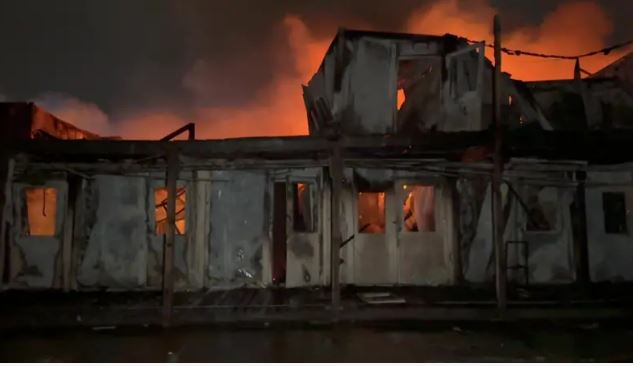
More than 100 people have been killed in an airstrike carried out by the Pakistani military on a drug rehabilitation center in Kabul, the BBC’s Russian Service reported on March 17, citing sources in a forensic laboratory.

Earlier, representatives of the Taliban, which currently holds power in Afghanistan, reported at least 400 dead and 250 injured.

According to staff at Kabul’s forensic department, some of the bodies are severely damaged, making identification difficult. The rehabilitation center was designed to accommodate around 2,000 patients, but the exact number of people inside at the time of the strike remains unknown. A significant part of the building has been destroyed.

Pakistan has rejected accusations of targeting a medical facility. The country’s Ministry of Information stated that the strikes were aimed at “military targets and infrastructure supporting terrorists” in Kabul and the eastern province of Nangarhar and were “precise and carefully planned.”

The complex that was struck, along with the surrounding area, had previously been used as a U.S. military base. After coming to power, the Taliban repurposed part of the site into a drug rehabilitation center — an issue that remains particularly acute in the country, especially in the capital.

The United Nations has called for an urgent investigation into the circumstances of the strike and reminded all parties of the need to comply with international law and protect civilians.

Tensions between Pakistan and Afghanistan have been escalating since February, with Islamabad accusing Kabul of harboring militants from Tehrik-i-Taliban Pakistan, an allegation denied by Afghan authorities.

According to the United Nations Assistance Mission in Afghanistan (UNAMA), at least 75 people have been killed and 193 injured in ongoing hostilities since February 26.

Iran’s Security Council Secretary Ali Larijani killed

0

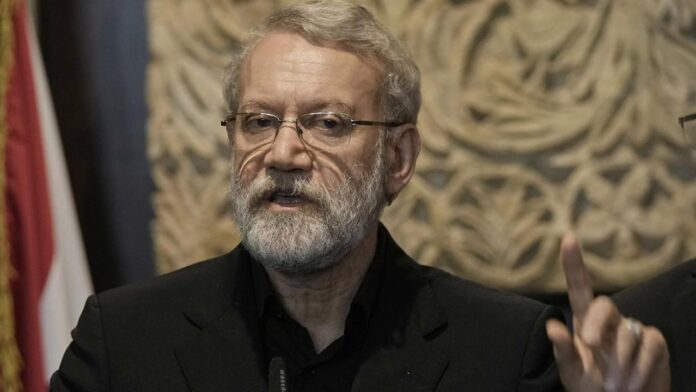
The BBC’s Russian Service reported yesterday that Iranian state-run media have confirmed the death of Ali Larijani, Secretary of the Supreme National Security Council. According to official reports, he was killed along with his son, another official, and several bodyguards.

According to the BBC’s Russian Service, the first report of Larijani’s killing came from Israeli Defense Minister Israel Katz, who said the operation was carried out overnight.

Tehran did not comment on the reports during the day but officially confirmed Larijani’s death by the evening.

The Israel Defense Forces reportedly also said that in a separate strike, Gholamreza Soleimani, commander of the paramilitary Basij organization, was killed. His death was later confirmed by the Islamic Revolutionary Guard Corps.

ИЗОБРАЖЕНИЕ Gholamreza Solemani; photo: Tasnim news agency
According to Israeli media, the strike on Larijani targeted an apartment where he was reportedly hiding from potential attacks.

CNN, citing an Israeli military official, reports that following the death of Supreme Leader Ali Khamenei on February 28, Larijani had effectively become Iran’s leader and coordinated attacks against Israel and Gulf countries.

In August 2025, Iranian President Masoud Pezeshkian appointed Larijani as Secretary of the Supreme National Security Council and as the Supreme Leader’s representative in the body. Iranian media also described him as one of Khamenei’s closest allies.

Iranian media report that funerals for Ali Larijani and Gholamreza Soleimani, as well as for sailors of the vessel Dena sunk by the United States, will take place in Iran today.


Who was Ali Larijani

Ali Larijani was born in 1958 in the Iraqi city of Najaf into the family of an influential Iranian cleric, Ayatollah Hashemi Mirza Amoli, who had been exiled to Iraq by Shah Mohammad Reza Pahlavi.

After the 1979 Islamic Revolution, the family returned to Iran, where Larijani later earned a doctorate in philosophy.

He was among the early members of the Islamic Revolutionary Guard Corps and later headed the state broadcasting company IRIB for several years, exerting significant influence over the country’s information policy.

From 2005 to 2007, he served as Iran’s chief nuclear negotiator and defended the country’s right to enrich uranium. At the time, he compared European proposals to abandon nuclear fuel in exchange for economic incentives to “trading a pearl for a chocolate bar.”

Larijani also sought to build a political career. In 2005, he ran for president but did not win. In 2021 and 2024, he again attempted to take part in presidential elections but was disqualified both times by the Guardian Council.

His brother, Sadegh Larijani, is another influential figure in Iranian politics. He heads the Expediency Council, which acts as an arbiter in disputes between parliament and the Guardian Council.

Russia’s Interior Ministry proposes expanding grounds for migrant deportation

0

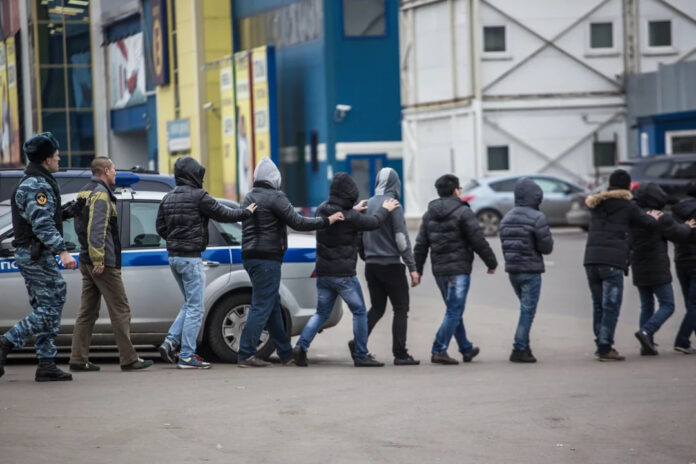
The Russian government has drafted a bill aimed at tightening migration policy and amending the Code of Administrative Offenses (CoAO). The document, developed by the Interior Ministry, was reviewed at a meeting of the government commission on legislative activity, Kommersant reports.

According to the initiative, mandatory deportation of foreign citizens is proposed for 20 types of administrative offenses. These include participation in unauthorized protests, involvement in strikes, activities of undesirable organizations, and violations of a state of emergency regime.

In addition, the CoAO is expected to be supplemented with specific offenses предусматривающие deportation exclusively for foreign nationals — in particular, for minor hooliganism involving disobedience to police officers, as well as for abuse of media freedom, including the dissemination of dangerous content.

Currently, deportation under a number of such articles is applied at the court’s discretion; however, the Interior Ministry proposes making it a mandatory form of punishment.

As explained by Vladimir Gruzdev, Chairman of the Board of the Russian Lawyers Association, in certain cases deportation will be imposed as a mandatory additional penalty alongside a fine. At the same time, the bill provides for a ban on imposing multiple additional sanctions for a single offense. It also proposes increasing fines under 14 articles of the CoAO, including for violations of entry rules and illegal employment, to 4,000–7,000 rubles from the current 2,000–5,000 rubles.

The Interior Ministry says the changes are necessary due to a rise in unlawful activities among foreign nationals. The agency notes an increase in conflict situations, including mass brawls. According to the ministry, around 100 such incidents were monitored in 2023–2024, with approximately 1,500 individuals held accountable.

The ministry also emphasizes that migration flows may contribute to growing social tensions and can be exploited by extremist groups for propaganda purposes.

According to the Federal Security Service (FSB), foreign citizens made 15.6 million trips to Russia in 2025, compared to 16.7 million a year earlier. The number of foreigners in the country fell to 5.7 million by the beginning of 2026, down 10% year-on-year.

The tightening of migration legislation in Russia has been ongoing for the second year. In particular, a registry of controlled persons has been introduced for violators, предусматривающий account freezes and possible deportation, and in some regions — mandatory geolocation sharing via mobile applications. In February 2026, the State Duma also passed in the first reading bills requiring mandatory HIV and drug testing for foreign nationals.

Experts note that the Interior Ministry’s initiative aligns with the broader policy of strengthening control in the migration sphere. At the same time, according to Vadim Kozhenov, head of the Migrant Assistance Center, labor migrants are not generally prone to committing such offenses en masse, and those involved in fights are already deported for long periods. In his view, the new measures are more likely to simplify law enforcement work than significantly change existing practices.

Khatlon province expands cooperation with Russian regions

0

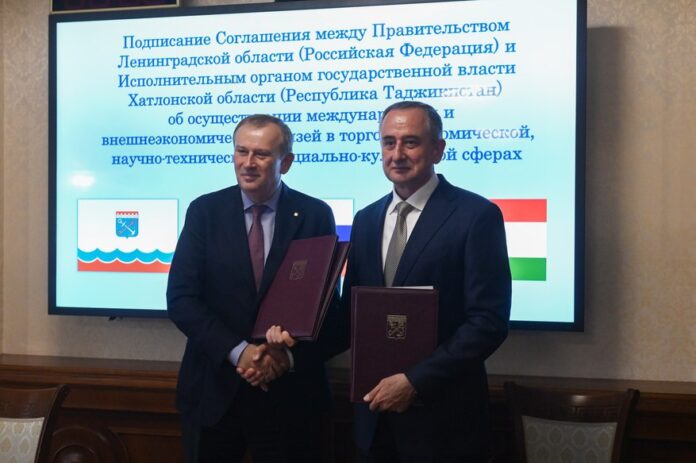
The Government of Tajikistan has approved cooperation agreements between the Khatlon region and three Russian regions — Leningrad, Kirov, and Penza.

The relevant resolutions were signed by President Emomali Rahmon in late February 2026.

Under the agreements, cooperation will develop in trade and economic, scientific and technical, social, cultural, and humanitarian areas.

The agreement with Leningrad Region was signed on June 24, 2025, in St. Petersburg, while the agreement with Kirov Region was signed on March 17, 2025, in Moscow.

In addition, the government approved a draft agreement with Penza Region. The head of Khatlon Province has been authorized to sign the document, with the date and venue to be agreed through diplomatic channels.

The agreements are expected to expand external economic ties, promote trade and scientific cooperation, and strengthen cultural and humanitarian links between the regions.

Local authorities in Khatlon, together with relevant ministries, have been tasked with implementing the agreements.

The Ministry of Foreign Affairs will notify the Russian side once all domestic procedures required for the agreements to enter into force are completed.

According to customs data, a two-way trade between Tajikistan and Russia reached approximately $2.47 billion in 2025, marking a roughly 25% increase compared to $1.98 billion in 2024.


Afghanistan faces risk of food crisis as key trade routes disrupted

0

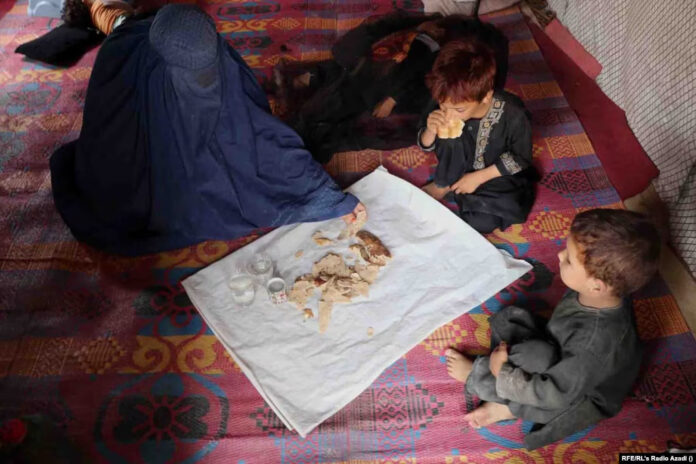
Afghanistan is facing a growing risk of a severe food crisis as key trade routes through Pakistan remain closed and supplies from Iran become increasingly uncertain.

The Pakistan border has been shut since October 2025, while the Iranian corridor has become less reliable following the outbreak of conflict in the Middle East on February 28, 2026. The situation was highlighted on March 9 by Georgette Gagnon, acting head of the UN Assistance Mission in Afghanistan (UNAMA), during a UN Security Council meeting, according to Fergana news agency.

She warned that regional tensions are placing additional strain on an “already extremely fragile” Afghan economy.


Escalation with Pakistan

Major border crossings at Torkham and Chaman were closed after deadly clashes and Pakistani airstrikes. Islamabad said the measures were aimed at countering militant groups allegedly operating from Afghan territory.

Despite a fragile truce brokered by Qatar and Turkiye, trade between the two countries has not resumed. Kabul suspended all trade with Pakistan in November 2025.

The situation escalated further in February 2026, when Pakistan carried out airstrikes in several Afghan provinces. Afghan forces responded with military action, prompting Pakistani officials to declare an “open war.”

The economic impact was immediate. Bilateral trade fell by 53% to $594 million, down from $1.26 billion a year earlier. Food prices in Kabul have surged, including staple goods such as flour, rice, and cooking oil.


Disruptions to Iranian supplies

Afghanistan has also been affected by disruptions to trade with Iran, which had been a major supplier of goods.

Following the escalation in the Middle East, Tehran imposed a temporary ban on exports of food and agricultural products to meet domestic demand. The move has significantly impacted Afghanistan, which relies on imports via Iran, including through the port of Chabahar.

Iran’s own economic difficulties — including high inflation, rising food prices, and currency depreciation — have further limited its ability to maintain stable exports.

Although trade through the Islam Qala border crossing was still ongoing in early March, experts warn that disruptions could intensify.


Growing humanitarian risks

According to the United Nations, about 17.4 million people in Afghanistan — more than a third of the population — are expected to face acute food insecurity in spring 2026, including 4.7 million in emergency conditions.

The situation is compounded by rising numbers of returnees. In 2025 alone, around 2.8 million Afghans were deported from Iran and Pakistan.

The World Food Programme has warned of a critical funding shortfall, with its $1.71 billion humanitarian appeal only 10% funded and emergency resources potentially running out by April.


Search for alternatives and risks of instability

Afghanistan has sought to diversify its trade routes, including expanding links with Central Asia and increasing use of the Chabahar port. However, ongoing regional instability raises doubts about the reliability of these alternatives.

Gagnon warned that without urgent action, Afghanistan could once again become a source of regional and global instability, including increased migration, terrorism, and drug trafficking.

She called for de-escalation and the restoration of humanitarian access, while also stressing the need for Afghan authorities to demonstrate credible commitments to counterterrorism.