Home Blog Page 36

Sughd governor cites lack of funds for delay in construction of city of Sayhun in the province

0

The governor of Sughd province, Rajab Ahmadzoda, said the main reason for the prolonged delay in building the city of Sayhun is a lack of budget funds. He made the statement during a press conference in Khujand, the capital of Sughd province, in early February.

According to him, completing the project requires substantial financing, particularly for the construction of basic infrastructure.

“Significant funds are needed to build the necessary infrastructure, including water supply, sewage systems, electricity and drinking water. We do not have such large resources in the budget. First of all, we must address the existing shortcomings,” Ahmadzoda said.

He added that investment projects aimed at solving the settlement’s problems have already been prepared and presented to potential investors.

“I am confident that we will resolve this issue,” the governor noted.

The city of Sayhun was intended to become the first city built in the Sughd province during Tajikistan’s independence.

The project was proposed in response to the rapid population growth in the region’s largest cities. President Emomali Rahmon on March 24, 2015 laid the cornerstone of a new modern city in the Somghor area of the Bobojon-Ghafourov district.

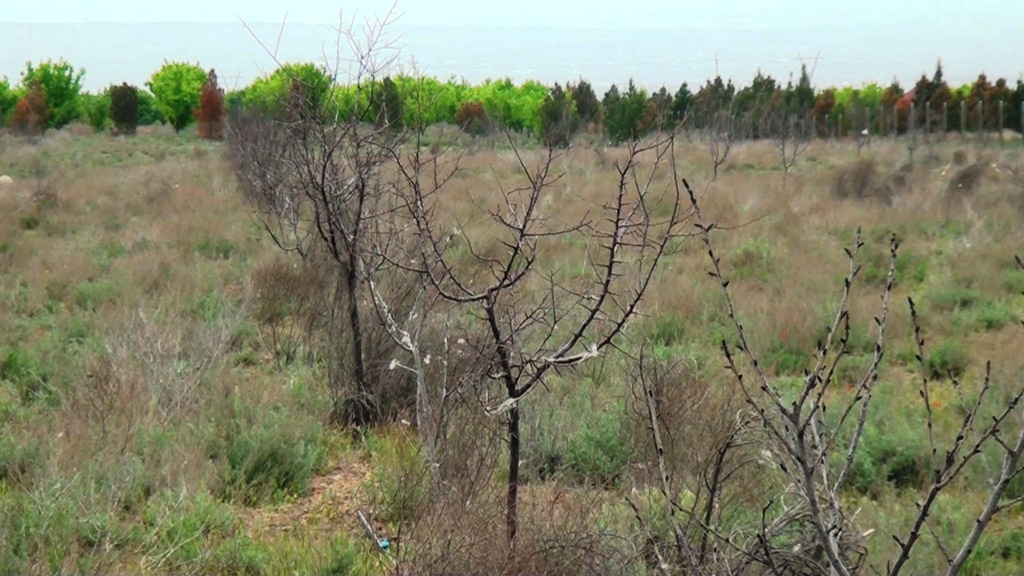
This city for more than 40,000 families or some 250,000 people, named Sayhun after a nearby river, was planned to be built on a 14,000-hectare desert land, about 15 kilometers from Khujand.  

The plan included the construction of 19 residential districts, 17 schools, 31 kindergartens, about 140 commercial and service centers, 40 sports facilities, a passenger transport terminal, markets and other social infrastructure.

In addition, more than 1,000 hectares of land near the city were allocated for fruit orchards using drip irrigation systems.

In 2015, the first stone was laid for the construction of multi-story residential buildings, and two pumping stations began operating. In May of the same year, the then chairman of the Sughd province, Abdurahmon Qodiri, who was considered one of the project’s initiators, reviewed the plans for the future buildings.

At the time, authorities promised that the first facilities would be completed by September 2016.

However, more than a decade later the city has still not been built. Meanwhile, dozens of families who received land for private housing and orchards installed water and electricity at their own expense.

Asia-Plus Media Group donates more than 500 books to women’s penal colony in Nurek

0

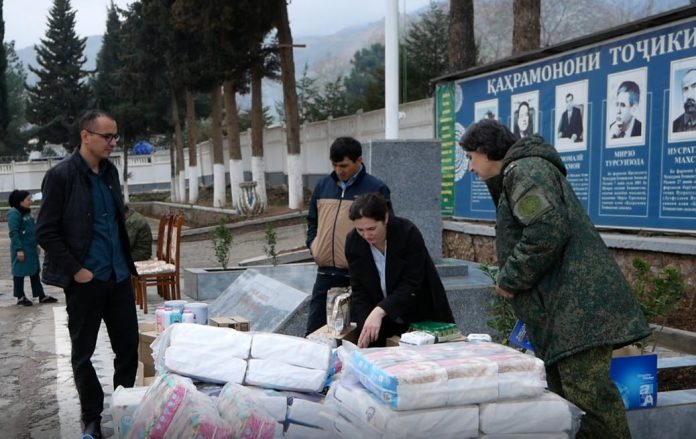
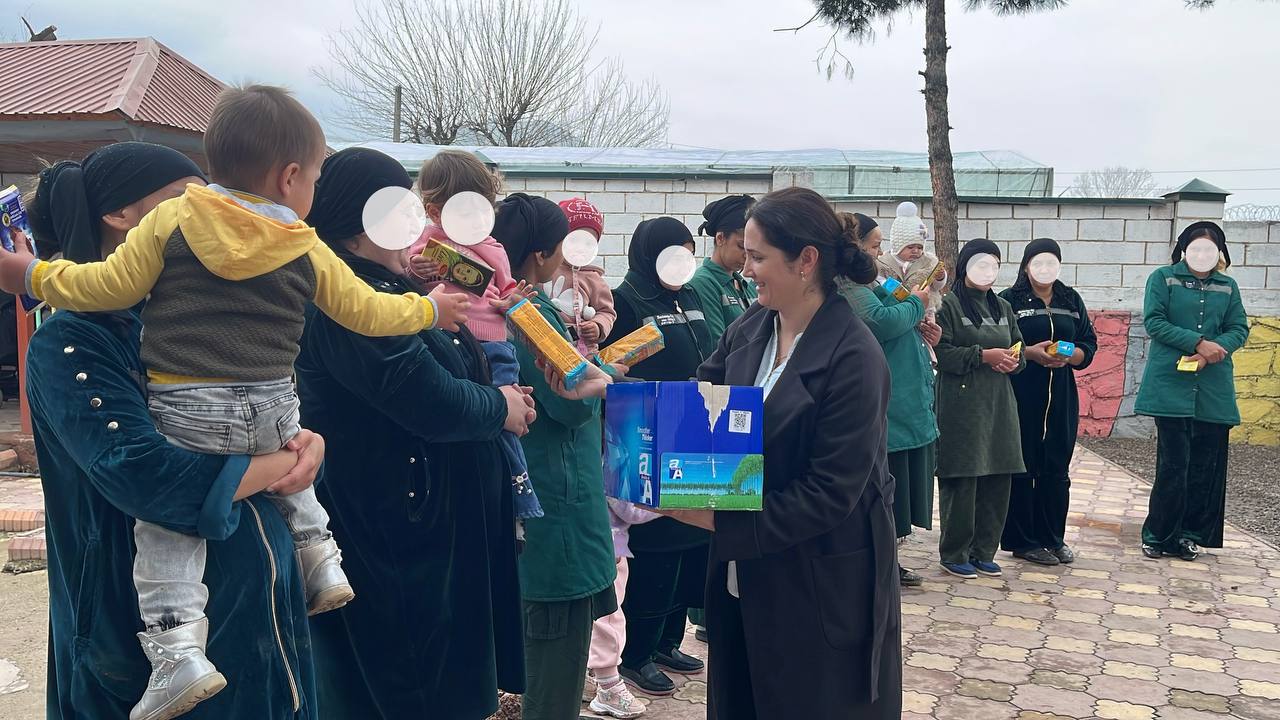
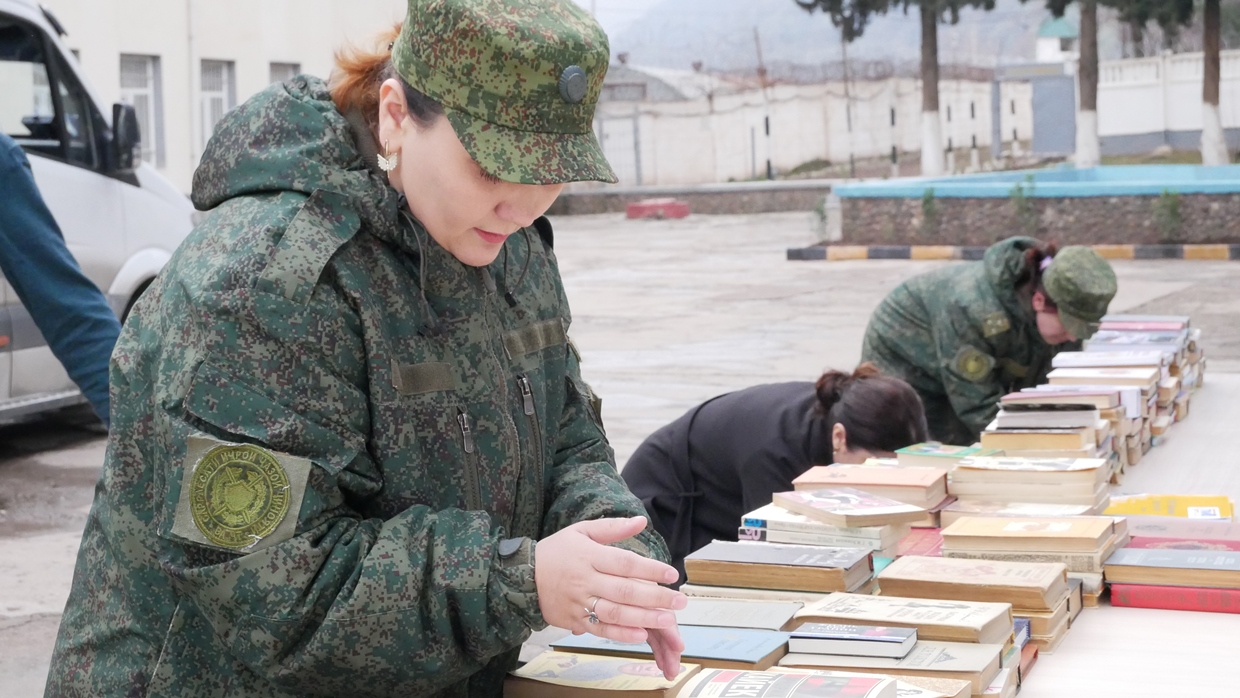
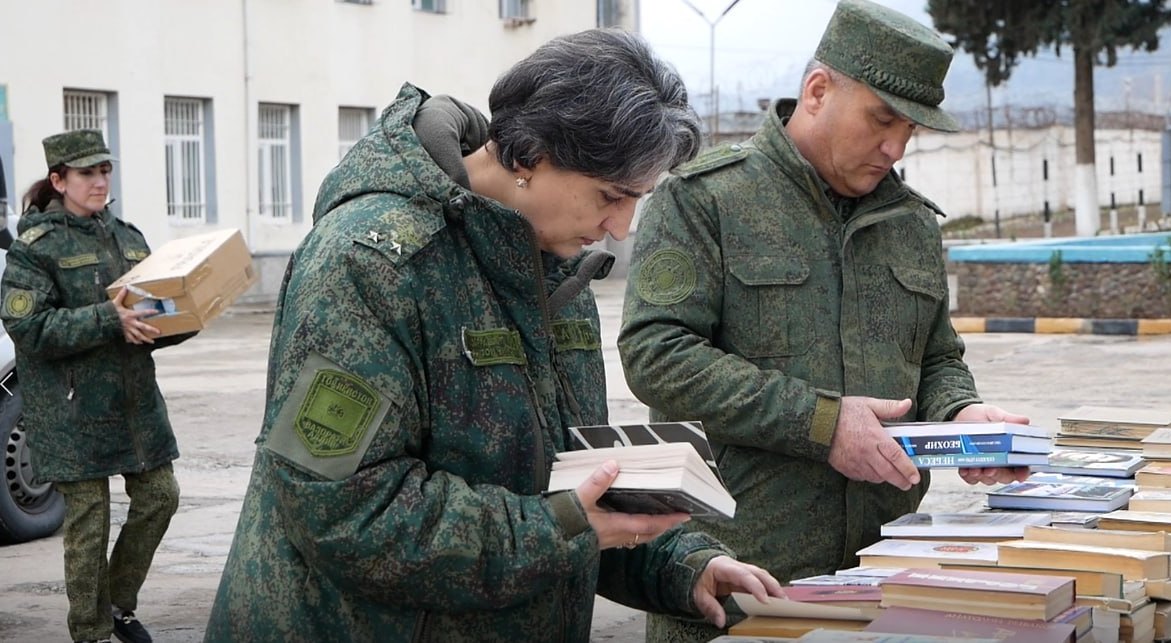
On the occasion of International Women’s Day and Mother’s Day, the Asia-Plus Media Group organized a charity initiative, delivering books and essential supplies to the women’s correctional facility in Nurek. The initiative involved not only the company’s staff but also its readers and partners.

In total, the facility received more than 500 books in Russian, Tajik and English, as well as drawing albums, notebooks, pencils and other stationery items for children. The donation also included baby food and hygiene products.

According to the organizers, the books were a particularly welcome gift. The prison already has its own library containing over 6,000 books, but many of them are outdated. The initiative was supported by Mansourjon Umarov, head of Tajikistan’s Main Department for the Execution of Criminal Punishments.

The country’s only women’s prison currently houses more than 400 women and 11 children, including four pregnant inmates.

Children stay with their mothers in the facility until the age of three, after which they are usually transferred to relatives. Mothers with young children and pregnant women are accommodated in separate areas and remain under constant supervision.


Work and self-development

The prison operates a sewing workshop, where about 45 women receive training and work. They produce uniforms for inmates as well as workwear for other government institutions under contract.

The facility also includes rooms dedicated to decorative and applied arts.

In addition, a small pasta production workshop operates at the prison, supplying products not only to the facility itself but also to other correctional institutions across the country. Officials say such initiatives help improve working conditions and allow inmates to develop professional skills.

According to the deputy head of the facility, Vanjigul Langarshoeva, the inmates themselves often initiate cultural and educational activities.

Currently, the penal colony is hosting competitions titled “Shahnameh,” “Morning Light in the Knowledge of Books,” and “Tajiks in the Mirror of History.” Winners will be awarded certificates by March 15, and success in these contests may also increase the number of short- and long-term visits with relatives.

In conversations with journalists, several inmates expressed gratitude to the administration for the living conditions and the opportunities for education and self-development.  

Somon Air resumes flights on Dushanbe–Dubai route

0

Tajikistan’s privately-owned airline, Somon Ai,r has announced the resumption of flights on the Dushanbe–Dubai–Dushanbe route starting March 11.

Flights on this route were temporarily suspended in early March amid the escalating conflict involving the United States, Israel and Iran.

According to the airline, flights between Dushanbe and Al Maktoum Airport in Dubai will operate on March 11, 13 and 15. The schedule for subsequent flights has already been published on the airline’s official website.

The company noted that tickets for the flights are already on sale, although ticket prices have not yet been disclosed.

Passengers can obtain additional information by contacting the airline via the following numbers: +992 44 640 40 49; +992 44 640 40 50; and +992 93 7777 459 (WhatsApp)

Meanwhile, more than 300 people returned to Tajikistan on two flights on March 8. According to Tajikistan’s Ministry of Foreign Affairs, the first charter flight was organized with the assistance of the Tajik Embassy in the UAE, local authorities and FlyDubai. The flight from Dubai carried 130 Tajik citizens.

The second charter flight was operated by Somon Air from Al Maktoum Airport, bringing 178 passengers to Dushanbe, including foreign nationals.

Overall, amid the tensions in the Middle East, about 550 people returned to Tajikistan from Abu Dhabi and Dubai on charter flights operated by Somon Air and FlyDubai.

Earlier, Tajik authorities instructed Somon Air to organize charter flights to evacuate citizens from countries in the Middle East.

“Citizens wishing to return home can contact the diplomatic missions and consular offices of the Republic of Tajikistan in the respective countries for additional information and registration,” the statement said.

Previously, due to developments in the Middle East, Somon Air announced the suspension of flights on the Dushanbe–Tehran–Dushanbe route until March 31, while flights on the Dushanbe–Dubai–Dushanbe route had been cancelled until March 6.  

Tajik tourism companies sign more than 20 agreements at ITB Berlin 2026

0

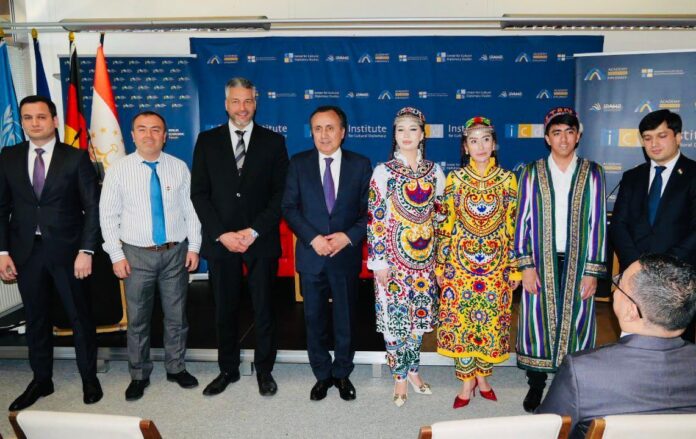
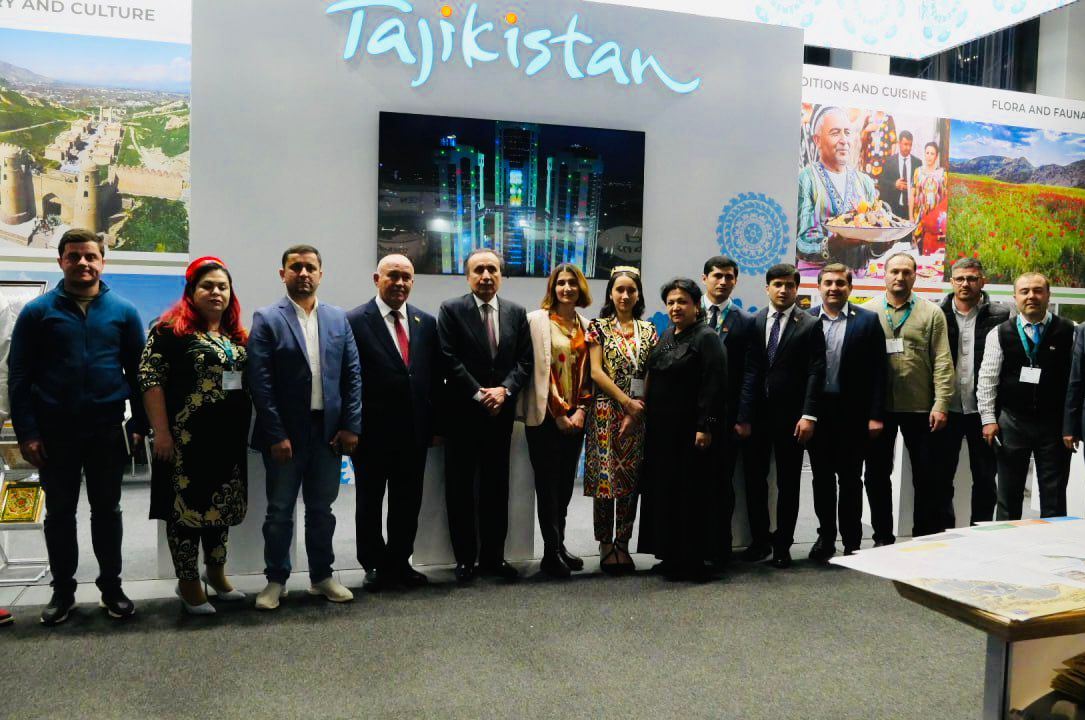
Tourism companies from Tajikistan have signed more than 20 cooperation agreements with European partners during the international tourism exhibition ITB Berlin 2026, held in the German capital from March 3 to 5.

According to the Committee for Tourism Development under the Government of Tajikistan, members of the national delegation held a series of meetings and negotiations with international tourism companies and organizations. The discussions focused on expanding partnerships, organizing travel programs and attracting investment into Tajikistan’s tourism sector.

Officials noted that Tajikistan’s participation in one of the world’s largest tourism events was supported by the country’s government, while the Tourism Development Committee coordinated the work of the national delegation.

The Embassy of Tajikistan in Germany also played an important role, assisting with organizational and diplomatic matters, establishing contacts with German business and tourism circles, and promoting Tajikistan’s tourism potential to foreign companies.

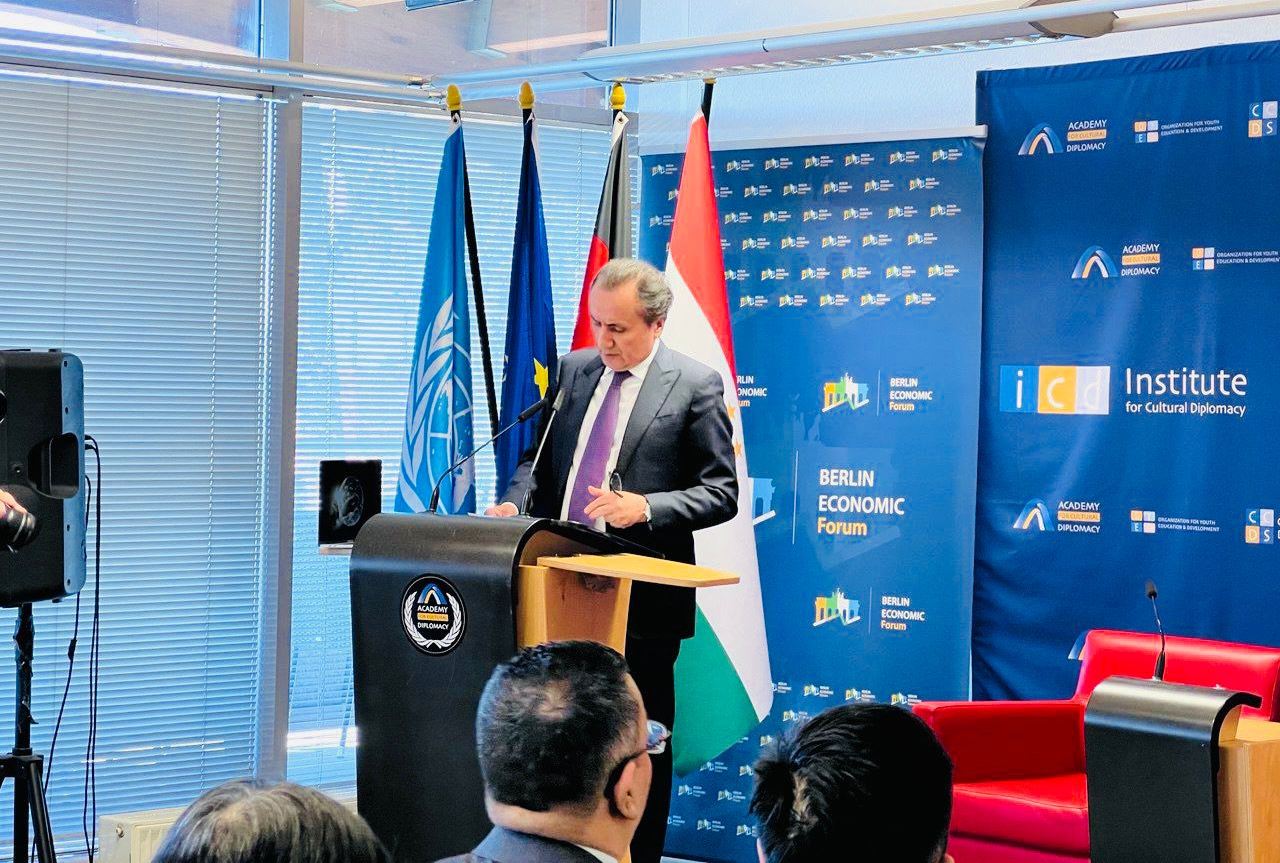
On the sidelines of the exhibition, the country’s Ambassador to Germany Imomuddin Sattorov met at Tajikistan’s tourism pavilion with tourism academic and international expert Miroslav Rončák, who has more than 30 years of experience in the global tourism industry.

Following the meeting, the parties agreed to organize a high-level tourism forum in Dushanbe in 2027. The forum aims to attract tourists from Germany and other European countries and to launch new tourism programs and routes across Tajikistan’s scenic regions.

During the exhibition, Tajikistan showcased its tourism potential, including unique natural landscapes, historical and cultural heritage sites, mountaineering, eco-tourism, as well as traditional crafts and national culture.

According to the Tourism Development Committee, more than 3,000 visitors visited Tajikistan’s pavilion during the three days of the event.

The honorary guest of the Tajik stand was Christian Grosse, a German journalist, blogger and public figure and author of the business magazine NewsMark, which covers economic, tourism and cultural topics.

The ITB Berlin exhibition is considered one of the world’s largest tourism events, bringing together representatives of government agencies, leading tourism companies, international organizations and investors from across the globe.

Officials say Tajikistan’s participation in ITB Berlin 2026 will help further promote the country’s tourism potential on the international market, strengthen cooperation with foreign partners and increase the flow of international visitors.

The International Tourism Trade Fair, ITB Berlin 2026, took place from March 3 to March 5 as a B2B event. Since its inception in 1966, ITB Berlin has grown into the leading trade show for the global travel industry. This year, the fair celebrated its 60th anniversary under the theme, "Discover the Stories Behind 60 Years of Legacy."

In 2025, ITB Berlin hosted 5,800 exhibitors from over 170 countries and territories, attracting nearly 100,000 visitors. As the world's largest tourism trade fair, ITB Berlin showcases a wide range of companies, including hotels, tourist boards, tour operators, system providers, airlines, and car rental services.

Held annually in March at Messe Berlin, ITB Berlin continues to be the premier platform for networking and knowledge exchange in the global travel sector.

Tajik President Emomali Rahmon congratulates Mojtaba Khamenei on becoming Iran’s Supreme Leader

0

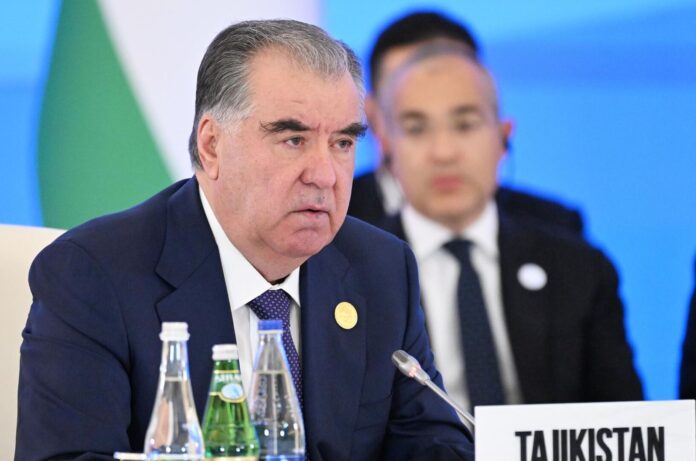
President of Tajikistan Emomali Rahmon has sent a congratulatory message to the newly elected Supreme Leader of the Islamic Republic of Iran, Ayatollah Seyyed Mojtaba Hosseini Khamenei, on his appointment, according to the Tajik president’s press service.

In his message, Rahmon expressed confidence that Iran would overcome its current challenges under Khamenei’s leadership.

“I am confident that under your leadership the noble people of Iran will overcome all the difficulties that the friendly and brotherly country we know today is facing,” the message said.

Rahmon also emphasized Iran’s constructive role in maintaining regional and global stability.

“We highly value the constructive role of the Islamic Republic of Iran in strengthening regional and global peace and stability and reaffirm our commitment to strict adherence to the principles and norms of international law in interstate relations,” the Tajik leader noted.

In conclusion, Rahmon stated that Tajikistan is ready to further develop cooperation with Iran.

According to him, Dushanbe intends to continue strengthening and expanding mutually beneficial partnership with Tehran based on the principles of mutual trust and respect.

Ayatollah Seyyed Mojtaba Hosseini Khamenei becomes third Leader of the Islamic Revolution. Mojtaba Hosseini Khamenei was selected by Iran's Assembly of Experts, comprised of 88 clerics and supervised by the 12-member Guardian Council, which acts as a watchdog for Iran's constitution. His father Ali Khamenei was killed on February 28 in a strike that also took out about 40 other high ranking Iranian officials.

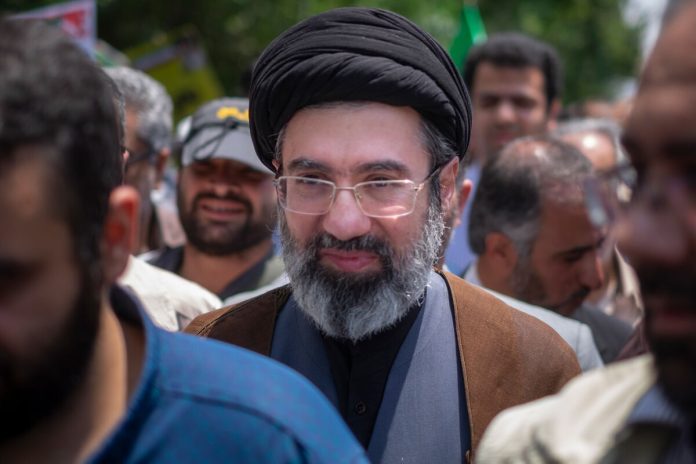
Mojtaba Khamenei chosen as Iran’s new Supreme Leader: what is known about him?

0

Iran’s Assembly of Experts has elected Seyyed Mojtaba Hosseini Khamenei, the son of Ayatollah Ali Khamenei, as the new Supreme Leader of the Islamic Republic of Iran. Ali Khamenei was killed on February 28 following strikes carried out by the United States and Israel.

The decision was announced overnight between March 8 and 9 by Iranian state media.

According to Iran’s state-run news agency IRNA, meetings of the Assembly of Experts — the body responsible for selecting the country’s supreme leader — were held both in person and, for security reasons, through representatives of council members.

The Assembly of Experts consists of 88 influential Islamic scholars who are tasked with appointing the supreme leader.

Following the announcement, Iran’s Islamic Revolutionary Guard Corps (IRGC) pledged allegiance to the new leader and declared its readiness to follow his directives.

In an official statement, Mojtaba Khamenei was described as “a well-educated cleric and a young thinker with deep knowledge of political and social issues.”

According to the BBC’s Russian Service, the 56-year-old Mojtaba Khamenei has largely remained out of the public eye for many years. He has never held official government positions, rarely appeared in public and has given very few interviews.

Only a small number of photographs and video recordings of him are publicly available. Despite the lack of formal positions, he has long been considered one of the most influential figures in Iran. Western media reports describe him as a trusted confidant of his father who oversaw key aspects of both domestic and foreign policy.


Who is Mojtaba Khamenei?

Mojtaba Hosseini Khamenei was born on September 8, 1969, in the holy Shiite city of Mashhad. He is the son of the late Iranian Supreme Leader Ayatollah Ali Khamenei. He is the second child of Ali Khamenei and Mansoureh Khojasteh Bagherzadeh. The couple had six children in total — four sons and two daughters.

During Mojtaba’s childhood, his father was repeatedly arrested for his political and religious activities.

In 1976, Ali Khamenei was exiled from Mashhad to the southeastern city of Iranshahr, but he returned in 1978 shortly before the Islamic Revolution, according to RBC.

After the revolution, the Khamenei family moved to Tehran.

In 1987, Mojtaba graduated from the prestigious Alavi School in Tehran, an institution known for educating children from religious families.

After graduation, he joined the Habib volunteer battalion, affiliated with the IRGC, and took part in the final phase of the Iran-Iraq war.

His military service allowed him to build strong connections with future IRGC commanders, many of whom later assumed senior positions in Iran’s security establishment.

In 1989, Ali Khamenei became Iran’s Supreme Leader. From that point on, Mojtaba Khamenei began to play a more active role in the country’s political sphere, supported in part by his connections within the IRGC.

The Islamic Revolutionary Guard Corps functions as a powerful military and security institution that combines elements of the army, police and intelligence services. It includes ground, air and naval forces and oversees Iran’s missile and nuclear programs. According to Iran’s constitution, its primary mission is to “protect the Islamic Revolution and its achievements.”

In 1999, Mojtaba Khamenei moved to Qom, one of the main centers of Shiite theology, to continue his religious education.

Notably, he had not worn clerical robes before that time, and it remains unclear what prompted him to enter a religious seminary at around the age of 30, since such studies usually begin much earlier.

Mojtaba Khamenei holds the rank of a mid-level cleric, though this did not prevent him from becoming Iran’s supreme leader.

Within the religious education system, attaining the title of ayatollah and teaching at advanced levels are often seen as indicators of scholarly authority and are typically considered among the qualifications for future leadership.

Since 2004, Mojtaba Khamenei has been married to Zahra Haddad-Adel, the daughter of former Iranian parliament speaker Gholam-Ali Haddad-Adel. The couple has three children; their eldest son, Ali, was born in 2007.

According to Bloomberg, the eldest son of the Iranian leader controls an extensive investment network. Assets linked to the family reportedly include more than a dozen properties in London worth around $138 million, as well as hotel businesses in Europe and high-value real estate in Germany and the United Arab Emirates. He is reportedly also involved in shipping operations in the Persian Gulf. Bloomberg notes, however, that the son’s name does not appear directly in the transactions.

In 2019, the U.S. Treasury Department placed Mojtaba Khamenei on its sanctions list amid disputes over Iran’s nuclear program. Nevertheless, media reports indicate that the sanctions have not halted his financial activities, which are allegedly conducted through intermediaries and companies registered in various jurisdictions.


What to expect

According to BBC analysts, many observers expect Mojtaba Khamenei to continue the hard-line policies pursued by his father.

Some experts also argue that a man who lost his father, mother and wife as a result of U.S. and Israeli strikes is unlikely to make concessions under pressure from the West.

At the same time, the new leader faces a difficult challenge: ensuring the survival of the Islamic Republic while convincing society that he is capable of leading the country out of its political and economic crises.

His leadership abilities remain largely untested, and concerns that the Islamic Republic may be evolving into a hereditary system could further increase public dissatisfaction.


Trump “dissatisfied” with Mojtaba Khamenei’s appointment

Former U.S. President Donald Trump has expressed dissatisfaction with the appointment of Mojtaba Khamenei as Iran’s new supreme leader, Fox News reported.

Host Brian Kilmeade said he spoke with Trump after the announcement, and the former president told him: “I’m not happy.” No further details were provided, according to the BBC.

Earlier, Trump had also commented on media reports suggesting Mojtaba Khamenei was among the most likely candidates for the position, stating that he did not support such a scenario. He emphasized that the United States’ position should be taken into account when Iran chooses its leadership, given the ongoing conflict between Washington and Tehran.

Meanwhile, Israel warned that the new leader could become a potential target.

U.S. and Israeli strikes on Iran — which began with the killing of Supreme Leader Ayatollah Ali Khamenei — have now entered their second week. In response, Iran has launched attacks against U.S. allies and their facilities across the region.
AI in Tajikistan’s tax system: how technology is changing interactions with citizens and businesses

0

Digital transformation of government services in Tajikistan is gaining momentum, with one of the key developments being the integration of artificial intelligence (AI) within the Tax Committee's operations. In'omjon Saidullayev, a representative of the IT department of the Tax Committee, told about how these technologies are changing tax administration and what benefits they offer to citizens and businesses.


What role does AI play in the Tax Committee's digital transformation?

"AI is primarily a tool for increasing transparency and efficiency in our operations," Saidullayev explains. "We are implementing AI both in external electronic services for citizens and businesses, as well as in internal analytical processes. Our goal is to reduce administrative procedures, speed up data processing, and minimize human error."


What changes have ordinary citizens experienced so far?

One of the most noticeable innovations is the intelligent registration system for individuals in their personal account without the need to visit tax offices. The algorithms automatically verify the data, cross-check it with state registers, and identify any discrepancies. This significantly reduces registration times and simplifies the process.


How is security ensured during online registration or when updating personal information, like phone numbers?

"We use multi-factor authentication and behavioral analysis," Saidullayev explains. "The system tracks the user's activity history and automatically detects any suspicious behavior. This ensures a high level of protection for personal data."


What opportunities has AI provided to businesses?

"Through their personal accounts, legal entities and individual entrepreneurs can obtain duplicates of their state registration documents, register their Taxpayer Identification Numbers (TIN), or carry out re-registration. AI automatically checks the accuracy of the submitted data, analyzes the business structure, and generates decisions without inspector involvement. This speeds up the provision of services considerably."


Balancing security and accessibility in digital services

"As more services shift to mobile platforms, what steps is the Tax Committee taking in this direction?"

"We’ve implemented the ability to register individual entrepreneurs via the mobile app 'Andozi Man,'" said Saidullayev. "Document recognition technologies and intelligent identity verification allow entrepreneurs to set up their businesses fully online. This simplifies the process of starting a business and supports the development of small businesses."


Is AI used in the internal processes of the Tax Committee?

"Yes, it is actively used," Saidullayev confirms. "For example, in property taxation, we apply intelligent algorithms during the inventory and re-registration of individuals' real estate. The system compares data from various government sources, identifies discrepancies, and helps create an up-to-date tax base. This improves tax collection and strengthens financial discipline."


How is data protection and infrastructure secured during these processes?

"We use a hybrid architecture," Saidullayev explains. "Sensitive data and risk analytics are processed within a secure local infrastructure (on-premise). Meanwhile, some online services operate using cloud technologies. This approach strikes a balance between information security and the availability of digital services."


What future developments do you foresee for AI in the tax sector?

"In the future, we plan to expand AI usage to include tax revenue forecasting, automated report analysis, and more extensive use of big data. Digital transformation is an ongoing process, and AI technologies are becoming an essential tool for modern public administration."


“We consider Iran’s success our success, and its failure our failure”: views of Tajikistan’s public figures on the U.S.-Israel war on Iran

0

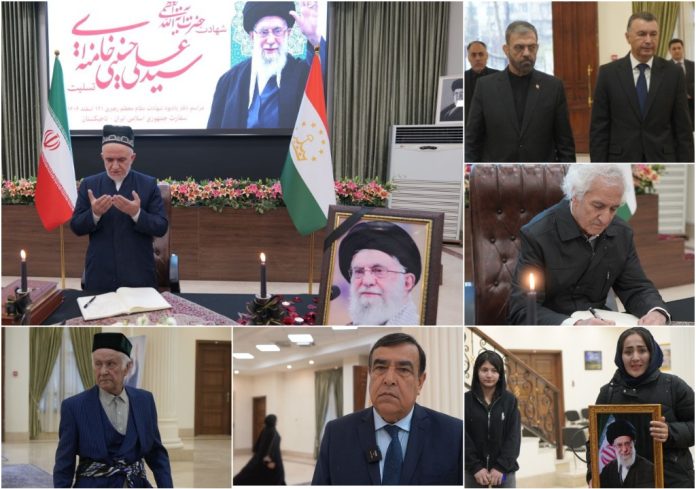
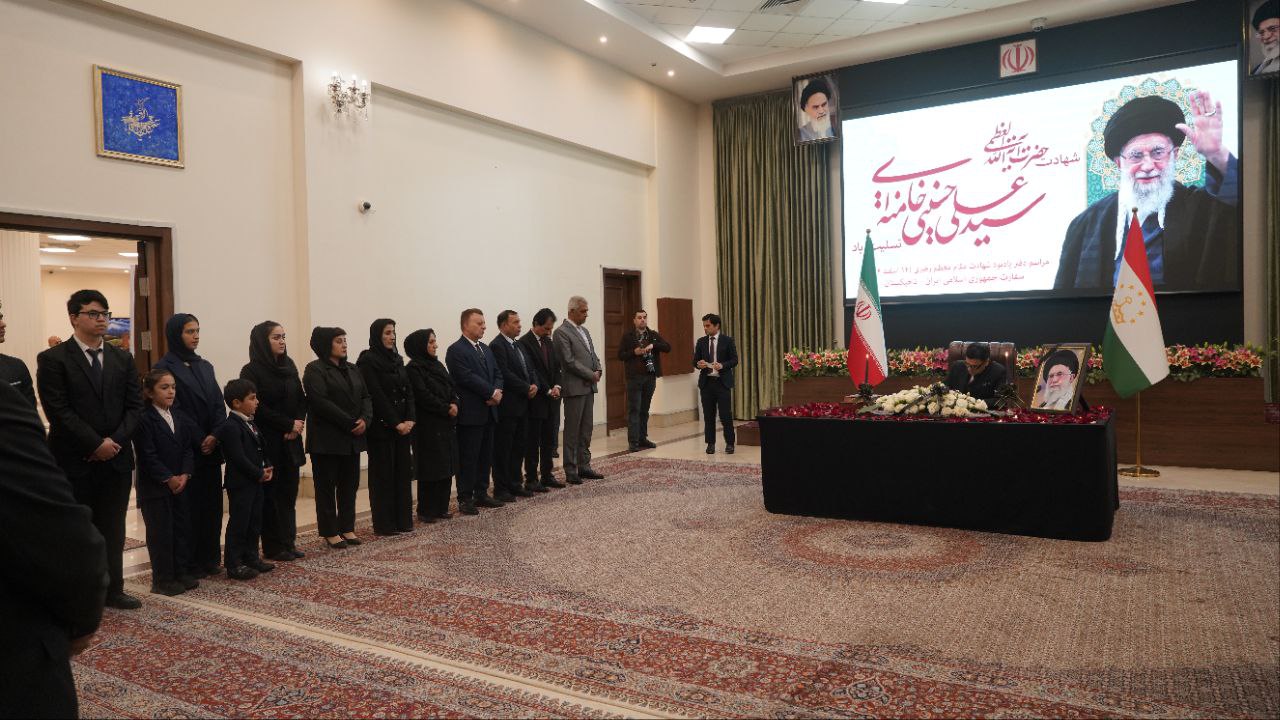
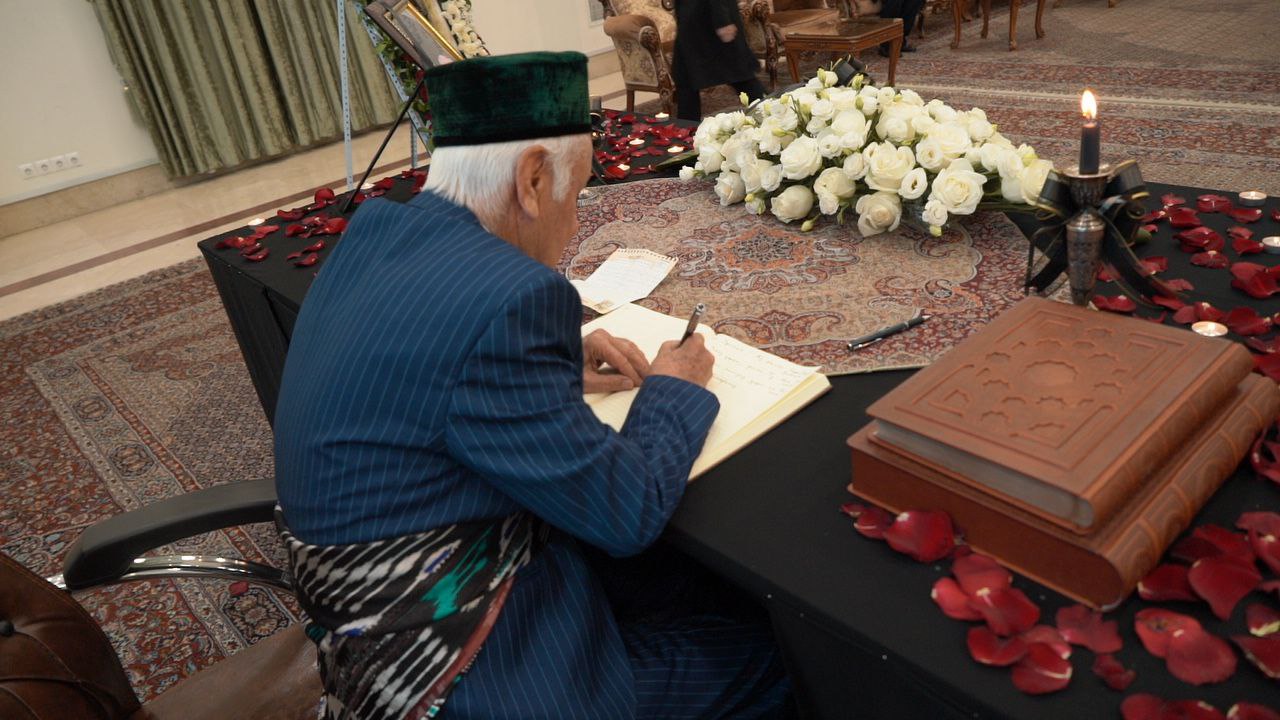
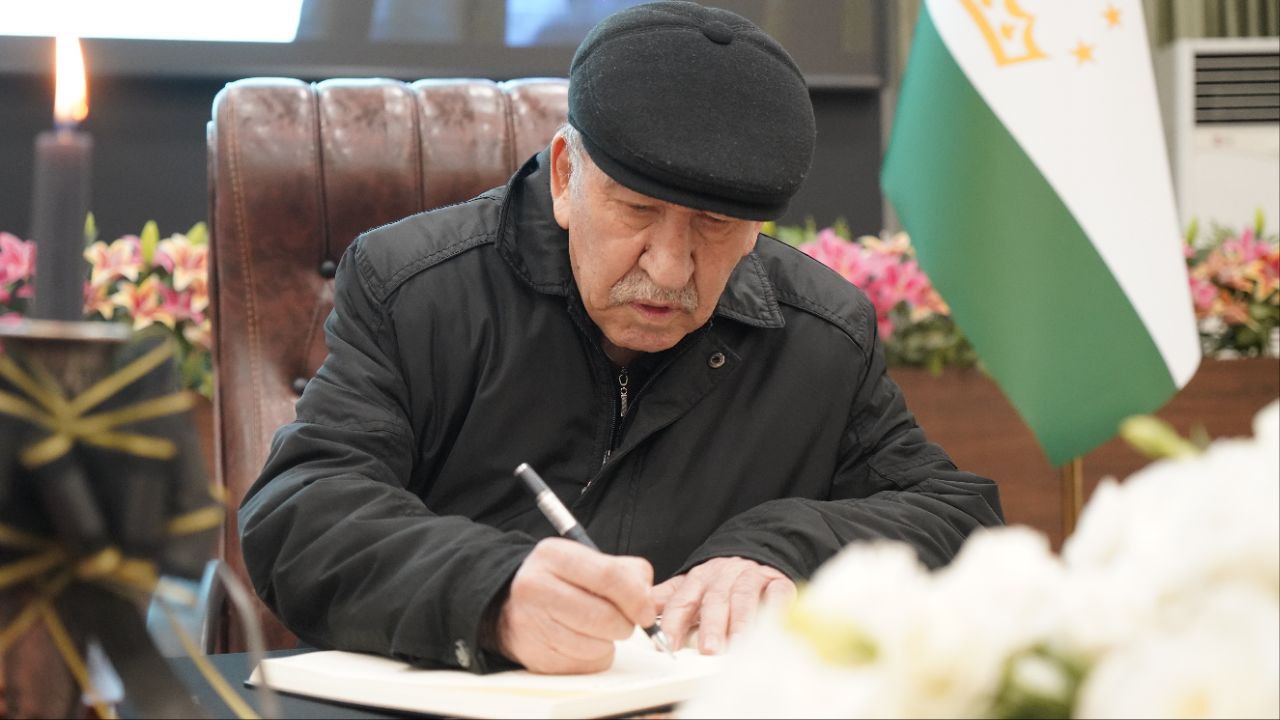
The U.S.-Israel war on Iran has deeply affected the citizens of Tajikistan, particularly its politicians and intellectuals. On March 5, many of them gathered at the Iranian Embassy in Dushanbe, where a book of condolences was opened following the death of Iran’s Supreme Leader Ali Khamenei and other senior military officials. During the ceremony, Tajik figures expressed their sympathy to the Iranian people.

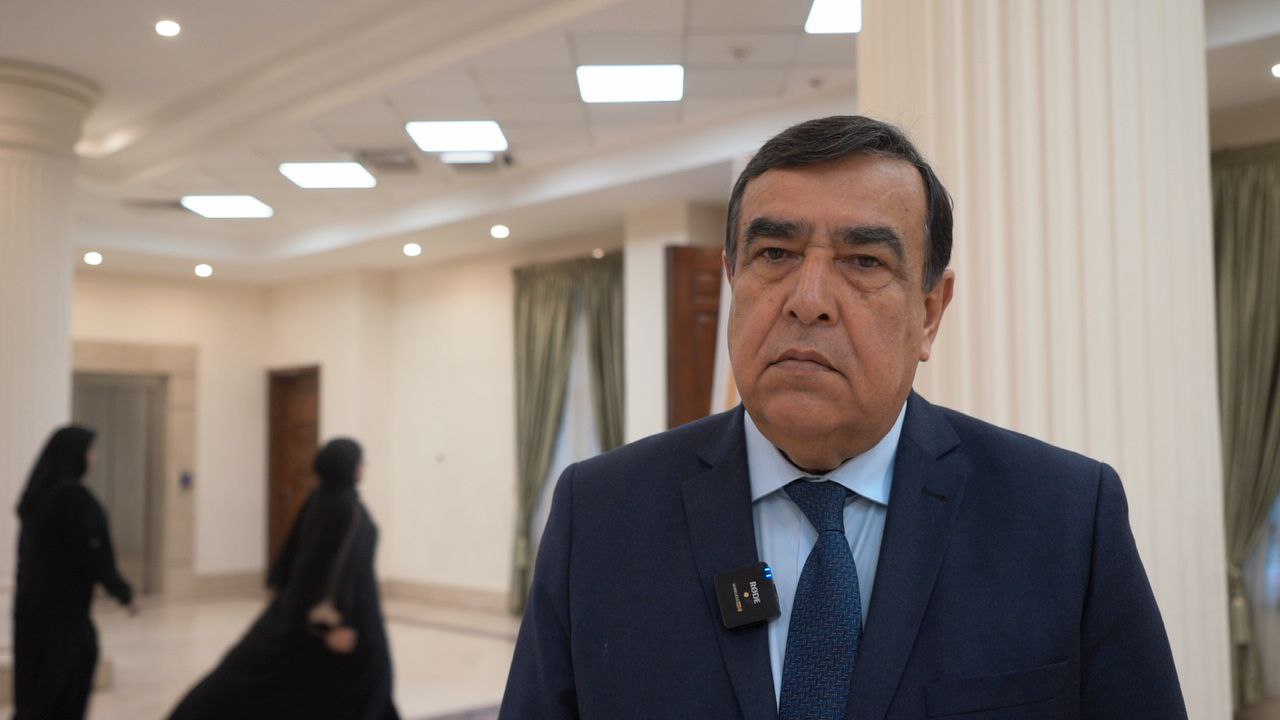
Journalists from Asia-Plus prepared a report from the ceremony and asked several political, academic, and literary figures present for their opinions on the situation in Iran.


Among the elderly man and the crying woman with a photograph of Khamenei

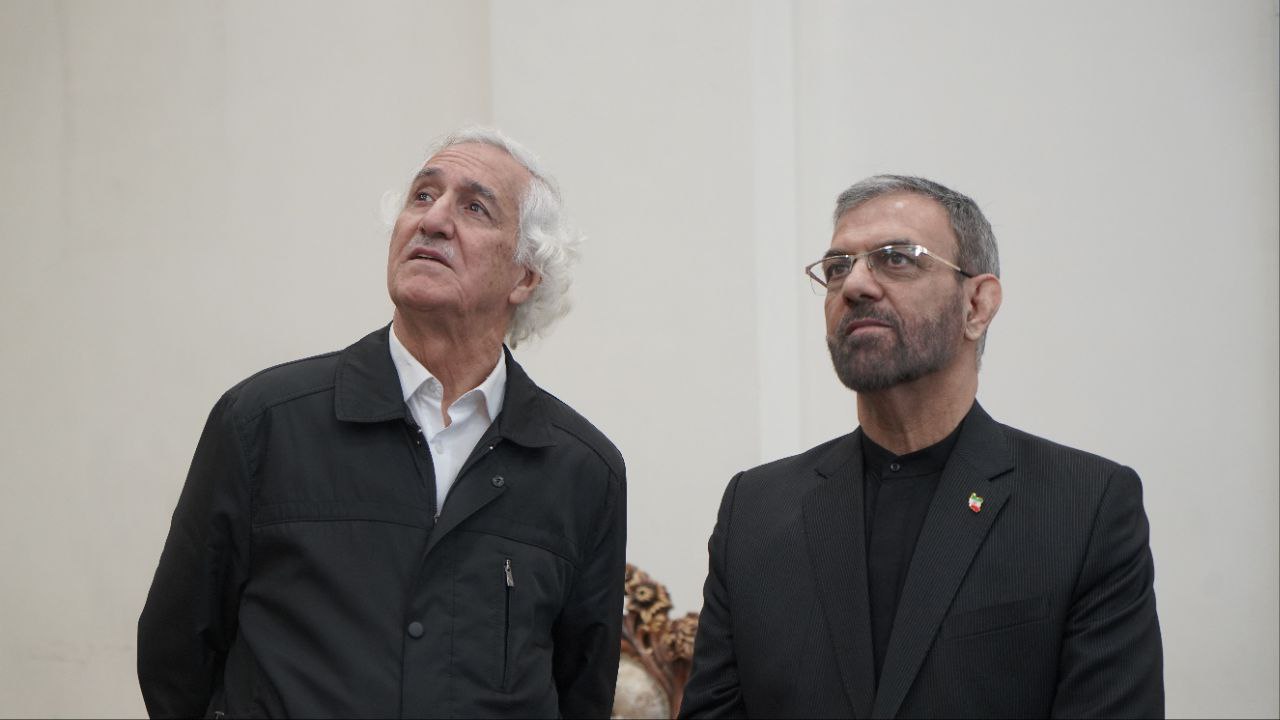
The ceremony was attended by high-ranking Tajik officials, representatives from foreign diplomatic missions, scientists, writers, and cultural figures, as well as numerous citizens of Tajikistan.

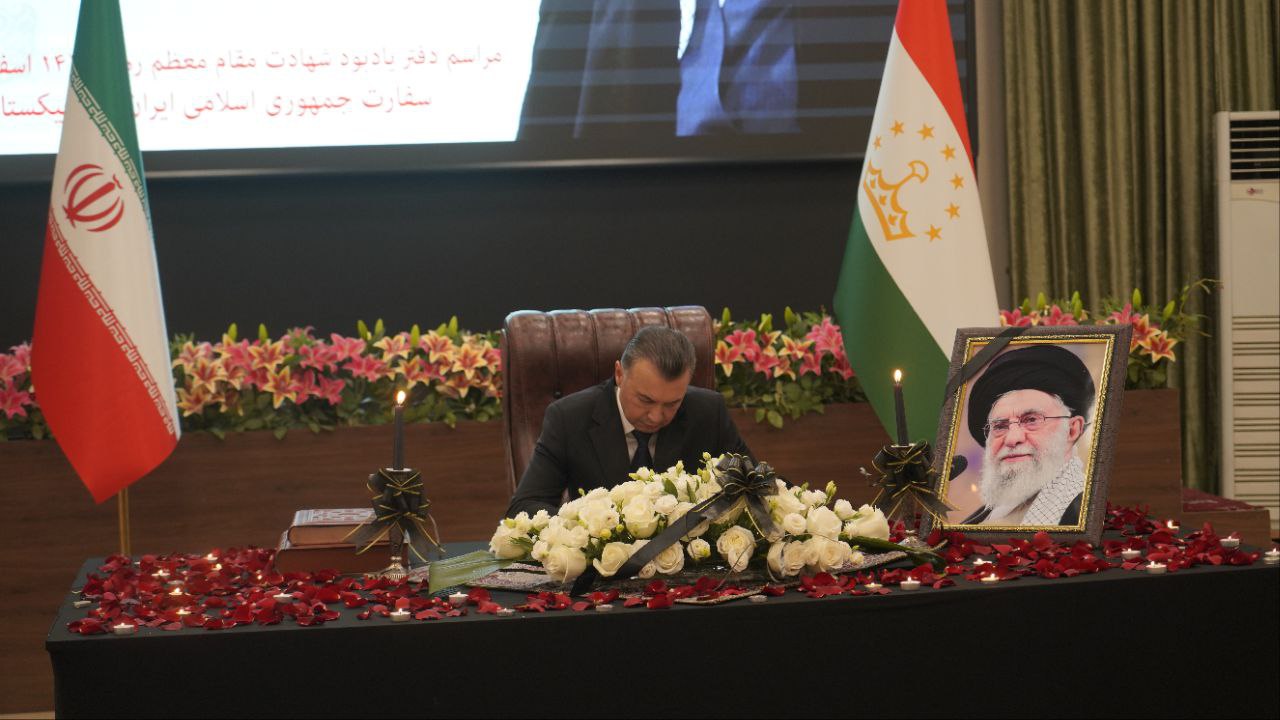
Among those attending on behalf of the government of Tajikistan was Prime Minister Qohir Rasoulzoda, who expressed his condolences to the Iranian ambassador and the people of Iran.

Other Tajik officials, including the Deputy Minister of Foreign Affairs, representatives from the Ministry of Internal Affairs, Parliament, the Union of Writers, the National Museum of Tajikistan, and the country’s Grand Mufti, also paid their respects.

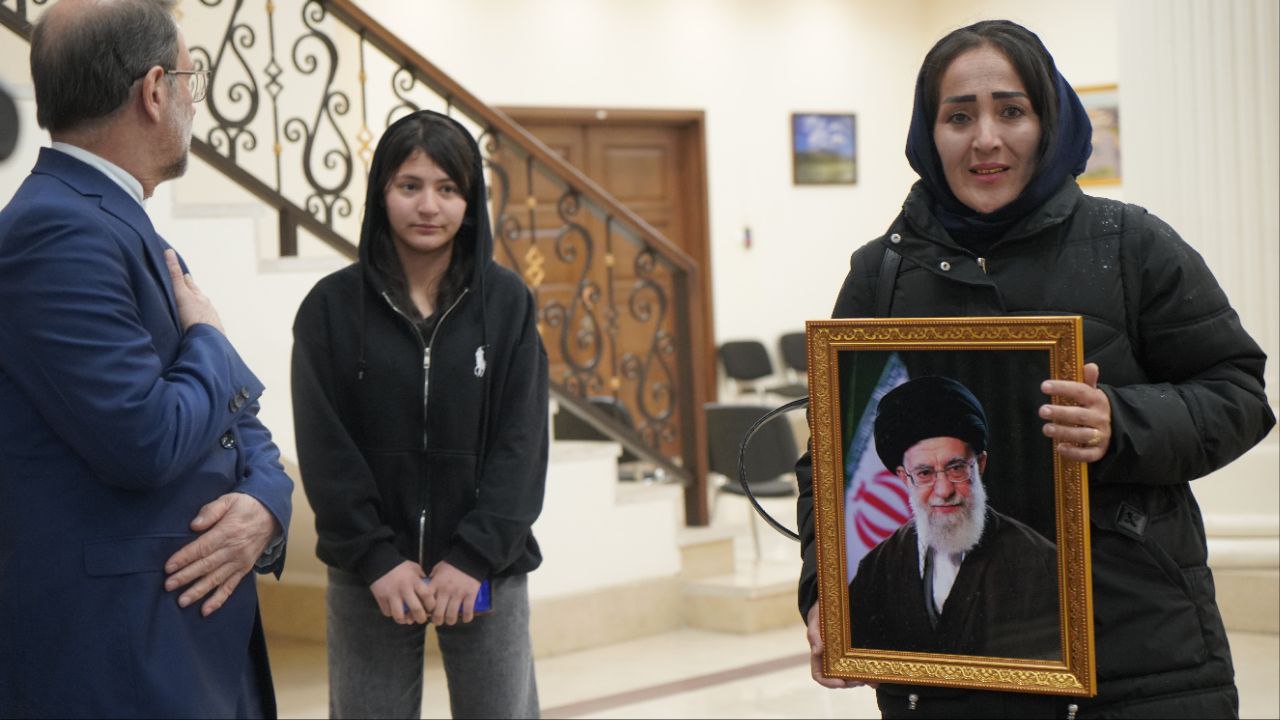
Throughout the day, the ceremony was visited by academics, journalists, writers, and cultural figures. Dozens of Tajik citizens came to the embassy and left messages in the book of condolences. One elderly man wore a mourning ribbon around his waist, and a woman, tearfully holding a photograph of Khamenei, stood in silence.

The ceremony was also attended by a large number of Iranians living in Tajikistan, dressed in black and visibly emotional. A large portrait of Ali Khamenei adorned the center of the room, surrounded by flowers and a black mourning ribbon, while the sound of the Quran being recited filled the air.

Ambassadors and diplomats from countries such as Turkiye, Russia, Belarus, Kazakhstan, and Afghanistan were also present.

During the event, Asia-Plus journalists asked some Tajik political and literary figures for their views on the war between the U.S. and Israel against Iran and their stance on the ongoing situation.


“A very heavy tragedy and shared pain”

Former politician and diplomat Abdudjabbor Rahmonzoda called the events in Iran “a very heavy tragedy,” emphasizing that what is happening in Iran is a shared disaster for all peoples tied together by culture and language.

He stressed that the presence of Tajikistan’s Prime Minister and other officials at the ceremony held significant diplomatic value. According to Rahmonzoda, if a people with shared culture, language, and historical connections to Iranians fail to show support during such difficult times, it could be misinterpreted.

Rahmonzoda added that for a country like Tajikistan, which has experienced civil war and great losses, the events in Iran are particularly painful. However, he expressed confidence that the tragedy would eventually be overcome, and that the future cooperation between the two countries would grow even stronger.


“Great Iran will certainly triumph”

The Chairman of the Union of Writers of Tajikistan and member of the upper chamber of parliament, Nizom Qosim, stated that Tajikistan and Iran have always been “like two bodies and one soul.”

He noted that since Tajikistan’s independence, this bond has only grown stronger. “We consider Iran’s success our success, and its failure our failure,” Qosim said.

Qosim strongly condemned the attacks by the U.S. and Israel, calling it an “unjust assault” and expressing his deep sorrow. He sincerely wished victory for Iran, adding that during these challenging times, Tajik writers stand in solidarity with their Iranian counterparts, recalling their works and shared love for their countries and common culture.

According to Qosim, the shared language is the fundamental foundation of the ties between the two nations. He also stated that such wars cannot destroy the literary connections between Tajikistan and Iran.

He emphasized that war is the enemy of culture, cooperation, and creation, which is why wise people always oppose war, bloodshed, and aggression. The Chairman of the Union of Writers of Tajikistan also condemned the actions of the U.S., Israel, and other countries involved in the war, expressing hope that Iran would endure the trials and defeat its enemies.


“The fate of Iran should be determined by the Iranian people themselves”

Academician Karomatullo Olimov addressed the writers and cultural figures of Tajikistan, urging them to support the Iranian people during these difficult times.

He described the killings as unjust and alarming to people worldwide. Olimov noted that the attack violated the principles of the United Nations and was aimed against all of humanity.

He called Iranian scientists and cultural figures heirs to the great shared civilization of Tajikistan and Iran, stressing that despite the challenges, the Iranian people must continue to fight.

When discussing the impact of the war on scientific cooperation between the two countries, Olimov acknowledged that direct travel and contacts are currently hindered, but expressed confidence that cooperation would not be fully halted.

Olimov concluded, saying, “The fate of Iran should be determined by the Iranian people themselves.”

More than 2.7 million Tajiks visited Uzbekistan in 2025 for tourism, medical treatment, and education

0

In 2025, over 2.78 million citizens of Tajikistan visited Uzbekistan for tourism, medical treatment, education, and trade, with the vast majority—2.7 million—traveling for tourism. This was reported by Uzbekistan’s State Committee for Statistics.

According to the source, a total of 11.7 million tourists visited Uzbekistan in 2025, with Tajikistan ranking second in the number of tourists, following Kyrgyzstan, which had 3.3 million visitors.

At the same time, the Agency for Statistics under the President of Tajikistan reported that 1.12 million Uzbekistan citizens visited Tajikistan as tourists last year. This accounts for over 50% of all tourists visiting Tajikistan in 2025.

However, the Uzbek State Statistics Agency reports that 1.3 million Uzbek citizens visited Tajikistan as tourists.

In addition, Uzbek authorities noted that 59,145 Tajik citizens traveled to Uzbekistan for medical treatment last year. This makes Tajiks the largest group of foreign visitors traveling to Uzbekistan for healthcare, out of a total of 86,199 people who visited the country for medical purposes in 2025.

The source also mentioned that in 2025, 2,904 Tajik citizens traveled to Uzbekistan for educational purposes. Tajikistan ranks third, after India (17,241 students) and Turkmenistan (9,349 students), in terms of the number of students coming to Uzbekistan for study.

Additionally, earlier reports from the Uzbek Statistics Agency revealed that Tajikistan is second after Russia in terms of the number of foreign students studying at Uzbek universities, with 6,039 Tajik students currently enrolled in higher education institutions in Uzbekistan.

Regarding trade, 17,962 Tajik citizens visited Uzbekistan for business purposes in 2025. Tajiks ranked second, after Afghan nationals (415,577 people), for the number of foreign traders visiting Uzbekistan. In total, 446,800 people visited Uzbekistan for trade purposes last year.

It is important to note that since Shavkat Mirziyoyev assumed the presidency of Uzbekistan and his state visit to Tajikistan in 2018—during which new cooperation agreements were signed with Tajik President Emomali Rahmon—the relationship between the two neighboring countries has improved significantly, with open borders facilitating easier travel.

Since then, bilateral cooperation between the two countries has expanded in trade, tourism, and social and economic spheres, with thousands of people traveling between the two countries every year for various purposes.


Recruitment tender

0

COUNTRY: REPUBLIC OF TAJIKISTAN

NAME OF PROJECT: INTEGRATED PROGRAM FOR REDUCING THE USE OF HYDROFLUOROCARBONS AND SUSTAINABLE COOLING IN TAJIKISTAN 


The Government of the Republic of Tajikistan is implementing the Integrated Program for Reducing the Use of Hydrofluorocarbons and Sustainable Cooling in Tajikistan with support from the United Nations Development Programme (UNDP) and financing from the Global Environment Facility (GEF), and intends to recruit the following specialist:

– International Consultant on Legislation, Customs Control and Standards Related to Fluorinated Gases (HFCs) – 1 (one) position.


      Deadline:

      March 20, 2026

      Place:

 Home-based with at least one mission to Tajikistan

      Duration of assignment:

 40 working days


Tajikistan, as a country with an economy in transition, has actively participated in the global phase-out of ozone-depleting substances since 1999. With the support of the Global Environment Facility (GEF), the country successfully phased out hydrochlorofluorocarbons (HCFCs) by 99.5% by 2020 and strengthened national capacity for the introduction and safe management of energy-efficient cooling technologies.

Following the ratification of the Kigali Amendment to the Montreal Protocol by the Parliament of the Republic of Tajikistan on 2 March 2022 and the introduction of the national licensing and quota system for import and export of hydrofluorocarbons (HFCs) under Government Resolution No. 376 dated 20 August 2023, the Government has initiated further measures for the phasedown of HFC consumption.

The objective of the Program is to support Tajikistan in fulfilling its obligations under the Kigali Amendment by reducing HFC consumption through strengthening national capacity and introducing low-GWP, energy-efficient technologies, contributing to a 70% reduction in HFC consumption by 2029 and supporting the priorities of the National Development Strategy 2030 and the Green Economy Development Strategy 2023–2037.


Duties and responsibilities for International Consultant on Legislation, Customs Control and Standards Related to Fluorinated Gases (HFCs)

Qualification requirements

• University degree in Natural Resource Management, Environmental Management, Business Administration, Management, Engineering, or other relevant fields related to climate change and environmental protection;
• At least 5 years of professional experience in developing policies and legislation related to ozone layer protection and climate change, and/or assessing national and international environmental legislation;
• At least 5 years of experience in ozone layer protection and implementation of projects/programs introducing environmentally sound, low-GWP alternatives under the Montreal Protocol and its Kigali Amendment;
• Experience related to fluorinated gases (HFCs) will be considered an asset;
• Experience working with governmental and international organizations, customs authorities, and HFC experts;
• Experience in Central Asia and Tajikistan will be considered an advantage;
• Full proficiency in written and spoken English or Russian;
• Excellent research, analytical, and report-writing skills;
• Established professional contacts with sectoral experts, government authorities, and relevant ministries and committees.


            Further information can be obtained at the address below during office hours from 08:00 to 17:00, Monday to Friday. Interested specialists must submit a CV and a cover letter with indication of the position name, Diploma, certificate, recommendation letters and others to the address below (in person or by e-mail) by March 17, 2026 (17:00 Dushanbe time).

The Terms of Reference (ToR) are available at the following link: https://docs.google.com/document/d/1jBZQbu_ZeHTJ4Zm_uEgktiABusxAL2TF/edit?usp=drivesdk&ouid=111006696901023793896&rtpof=true&sd=true


Center for Implementation of Investment Projects of the Committee for Environmental Protection under the Government of the Republic of Tajikistan

Address: S. Abdulloev 77., floor 6, Dushanbe, Tajikistan

Tel: +992 111-51-04-31

Email:  [email protected]