The governor of Sughd province, Rajab Ahmadzoda, said the main reason for the prolonged delay in building the city of Sayhun is a lack of budget funds. He made the statement during a press conference in Khujand, the capital of Sughd province, in early February.
According to him, completing the project requires substantial financing, particularly for the construction of basic infrastructure.
“Significant funds are needed to build the necessary infrastructure, including water supply, sewage systems, electricity and drinking water. We do not have such large resources in the budget. First of all, we must address the existing shortcomings,” Ahmadzoda said.
He added that investment projects aimed at solving the settlement’s problems have already been prepared and presented to potential investors.
“I am confident that we will resolve this issue,” the governor noted.
The city of Sayhun was intended to become the first city built in the Sughd province during Tajikistan’s independence.
The project was proposed in response to the rapid population growth in the region’s largest cities. President Emomali Rahmon on March 24, 2015 laid the cornerstone of a new modern city in the Somghor area of the Bobojon-Ghafourov district.
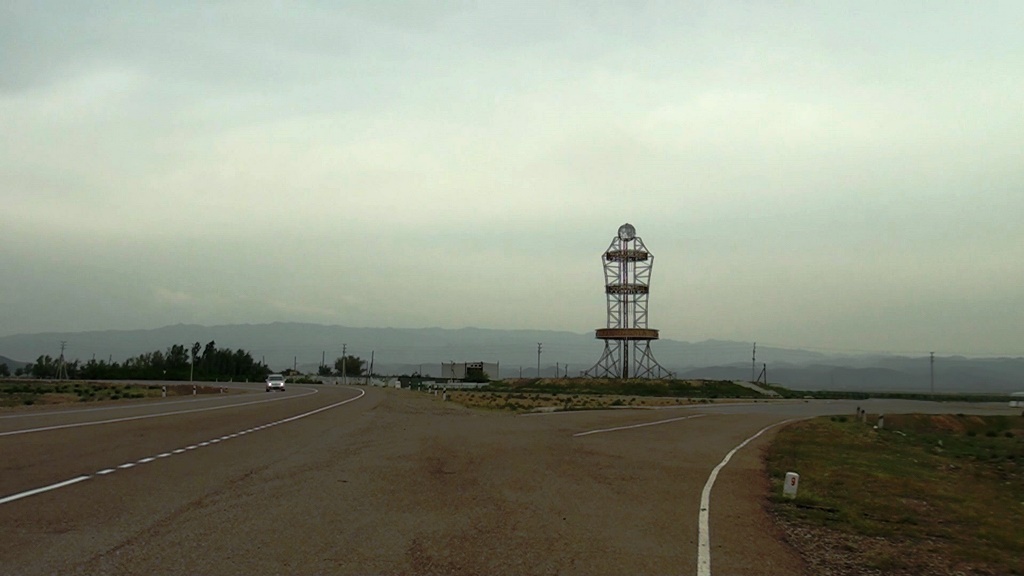
This city for more than 40,000 families or some 250,000 people, named Sayhun after a nearby river, was planned to be built on a 14,000-hectare desert land, about 15 kilometers from Khujand.
The plan included the construction of 19 residential districts, 17 schools, 31 kindergartens, about 140 commercial and service centers, 40 sports facilities, a passenger transport terminal, markets and other social infrastructure.
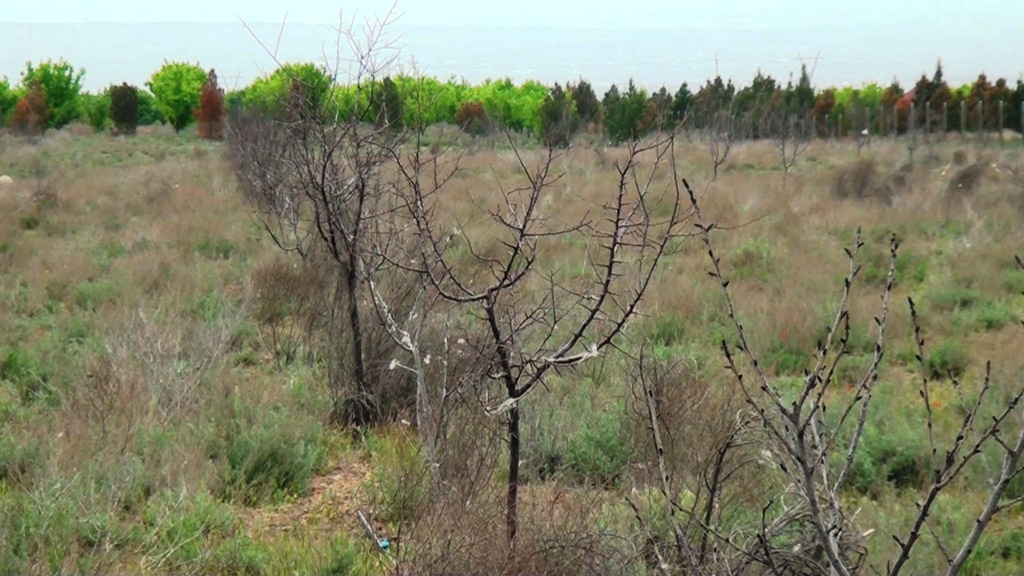
In addition, more than 1,000 hectares of land near the city were allocated for fruit orchards using drip irrigation systems.
In 2015, the first stone was laid for the construction of multi-story residential buildings, and two pumping stations began operating. In May of the same year, the then chairman of the Sughd province, Abdurahmon Qodiri, who was considered one of the project’s initiators, reviewed the plans for the future buildings.
At the time, authorities promised that the first facilities would be completed by September 2016.
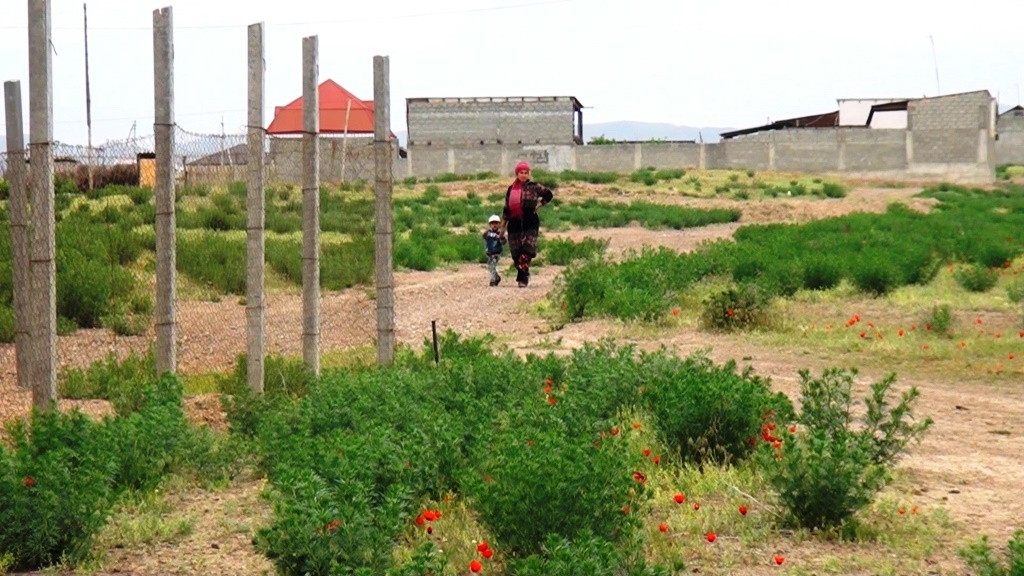
However, more than a decade later the city has still not been built. Meanwhile, dozens of families who received land for private housing and orchards installed water and electricity at their own expense.