Home Blog Page 37

Moody’s raises Tajikistan’s credit rating to “B2” with stable outlook

0

International rating agency Moody’s Investors Service has upgraded Tajikistan’s long-term sovereign credit rating to "B2," with a "stable" outlook, according to the National Bank of Tajikistan (NBT).

“This achievement is the result of consistent implementation of a balanced macroeconomic policy and structural reforms in the country,” the national financial regualtor said in a statement.

Moody’s explained that the upgrade from "B3" to "B2" is primarily due to the country’s sustained economic development in recent years, strengthening of financial and budgetary positions, and the maintenance of positive macroeconomic indicators.

“The ‘stable’ outlook reflects the agency's positive expectations regarding the continuation of prudent fiscal and budgetary policies, and the preservation of macroeconomic stability in the medium term,” the regulator added.

The statement also highlighted that continued economic and structural reforms, reduced debt sustainability risks, and improved public financial management were key factors contributing to the country's improved rating.

“The upgrade of the country’s sovereign rating reflects international partners' and financial markets’ trust in Tajikistan's macroeconomic policy and financial stability, creating favorable conditions for expanding investment opportunities, reducing borrowing costs, and strengthening the country’s position in international financial markets,” the NBT concluded.

It is worth noting that just a month ago, another prominent international rating agency, Standard & Poor's, raised its outlook on Tajikistan’s long-term sovereign credit rating from "stable" to "positive" at the "B" level.


What does this mean?

Moody’s "B2" rating indicates moderate creditworthiness, with certain risks. The upgrade from "B3" to "B2" reflects stabilization of Tajikistan’s economic situation and improved financial conditions.

The "B2" rating suggests that the country can meet its debt obligations, though there may still be risks related to economic or external factors. However, with a "stable" outlook, it indicates a relatively high level of confidence in the country's economy, suggesting that no significant economic changes are expected in the near future. Risks remain moderate, and the economy is stabilizing.

In comparison, a "B3" rating with a "positive" outlook suggests that while the economy has improved and growth is possible in the future, risks remain higher than with a "B2" rating, and stability has not yet been achieved. Overall, a "B2" rating with a "stable" outlook provides more confidence and stability than a "B3" with a positive outlook.


Why are ratings from agencies important?

Ratings from reputable international agencies are significant for countries, including Tajikistan, for several reasons:

1.     Access to International Capital Markets: Sovereign ratings help assess a country’s ability to meet financial obligations and secure loans on more favorable terms.

2.     Investment Appeal: Ratings are used to assess investment risks and can attract more foreign investment, improving the economic situation.

3.     Economic Stability and Trust: A higher rating serves as an indicator of financial discipline and economic stability, increasing trust among external and internal partners.

4.     Management of External Debt: Sovereign ratings impact borrowing conditions, helping the government fund projects and improve the economy.

5.     International Relations and Geopolitical Stability: A strong rating enhances a country’s international reputation, contributing to better diplomatic and economic relations.

Thus, ratings from agencies serve as a tool for the Tajik government in decision-making aimed at economic development and financial stability.


About Moody’s

Moody’s Investors Service is an international rating agency that evaluates the creditworthiness of various debt issuers, including governments and private companies. It is one of the three largest global rating agencies, alongside Standard & Poor’s and Fitch Ratings.
The Line of Durand: How far will the armed conflict between Pakistan and Afghanistan go?

0

The long-standing conflict between Afghanistan and Pakistan escalated into what can now be called an "open war" on February 27. The conflict has drawn international attention, especially given Pakistan's status as a nuclear power and the Taliban-controlled "Islamic Emirate of Afghanistan," one of the most archaic regimes, which is officially recognized only by Russia.

However, the recent joint U.S.-Israeli attack on Iran has overshadowed news of the Afghanistan-Pakistan war. Yet, upon closer examination, the significance of the latter may be equally or even more crucial for global stability than efforts to dismantle the Iranian regime. This issue is analyzed by Fergana.


The midwife of terror

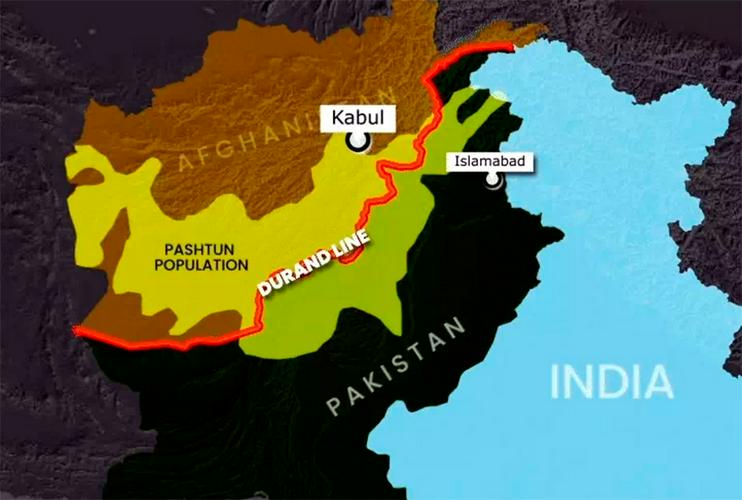
Today's rivalry between the two Muslim countries finds its roots in the colonial history of the region. In 1893, Afghanistan and British India, which included the territory now known as Pakistan, established a border known as the Durand Line. Named after Sir Henry Mortimer Durand, the British Foreign Minister who convinced the Afghan Emir, Abdur Rahman Khan, to accept the international boundary, this line stretched over 2,640 kilometers.

As was common in colonial times, the border failed to consider local specifics, especially the fact that Pashtun tribes had traditionally lived on both sides of it. Consequently, the Durand Line divided related communities, disrupting long-established ties and ultimately becoming a ticking time bomb.

The main issues began after 1947, when Pakistan gained independence. In July 1949, relations between Pakistan and Afghanistan deteriorated to the point where several armed incidents occurred along the Durand Line. Afghanistan then declared that Kabul would not recognize the “artificial border” and that previous agreements on it were illegitimate.

The situation was further complicated by attempts to create an independent Pashtun state—Pashtunistan. In August 1949, Pashtun tribal leaders convened in Tirah, Pakistan, and proclaimed the establishment of Pashtunistan, electing a National Assembly and adopting a state flag. The Afghan government supported these efforts and declared August 31 as Pashtunistan’s National Day. However, Pakistan did not recognize the new state, and soon after, it began bombing both the territories of rebellious Pashtun tribes and Afghanistan itself.

This tension simmered for decades, with several peaks, including the Soviet invasion of Afghanistan in 1979 and the subsequent training of the Taliban by Pakistan’s intelligence agency, ISI.

"The midwife of the Afghan 'Taliban' was Pakistan's Inter-Services Intelligence (ISI)… This must be remembered when the media start commenting on the renewed military actions between Pakistan and Afghanistan, where the same 'Taliban' is in power. It is this aspect of the political origins of the Taliban that was hinted at yesterday by Pakistan's Minister of Defense Khawaja Asif when he declared 'open war' on them, adding with significance that 'due to the proximity of the two countries, the Pakistani military knows their opponent and its weak points very well,'" writes political scientist Arkady Dubnov.

The expert then goes on to explain that during their first time in power in Afghanistan (1996-2001), the Taliban, seeking support from Islamic radicals, invited 'Al-Qaeda' into the country, which, as we now know, marked the beginning of their downfall. However, the lesson went unheeded: when they returned to power in 2021, they sheltered even more radical militants from the Pakistani 'Taliban' ('Tehrik-e-Taliban Pakistan', TTP), who, from Afghan territory, began fighting against the government of Pakistan—the only Islamic nuclear power.


"Operations of retribution"

Initially, relations between Pakistan and Taliban-controlled Afghanistan were relatively friendly. However, over the years, tensions increased, especially after Taliban spokesperson Zabihullah Mujahid publicly denied the Islamic nature of Pakistan’s state system in 2021.

Between 2022 and 2024, relations between the countries steadily worsened, largely due to mutual criticism. In 2025, the Taliban’s growing proximity to Pakistan’s traditional enemy, India, became a significant issue, nearly bringing Pakistan and India to the brink of war in the spring. Furthermore, Pakistan accused the Taliban of sheltering TTP militants, exacerbating tensions.

In October 2025, armed clashes erupted along the Afghanistan-Pakistan border. Pakistan accused the Taliban of supporting the TTP, while the Taliban declared a “retaliatory operation” in response to Pakistan's strikes on Afghan territory. Qatar and Turkey facilitated a ceasefire agreement, though it lasted only briefly.

On February 6, 2026, a terrorist attack at a Shiite mosque in Islamabad killed dozens. On February 19, a bomb-laden vehicle crashed into a checkpoint in Bajaur, killing 11 soldiers and a child. The Pakistani government confirmed the attacker was Afghan. Another suicide bombing followed on February 21, targeting a military convoy in the Pakistani district of Bannu, killing two soldiers.

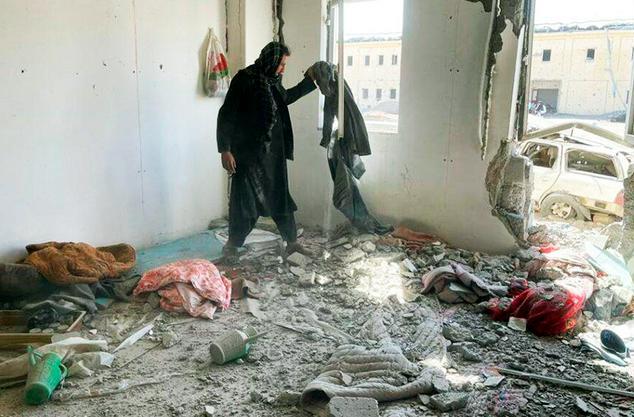
On February 22, the Pakistan Air Force conducted airstrikes on Afghan provinces, claiming they targeted TTP camps and hideouts. Afghan authorities, however, reported that civilian sites, including a madrasa, were hit, with several deaths among the civilian population.

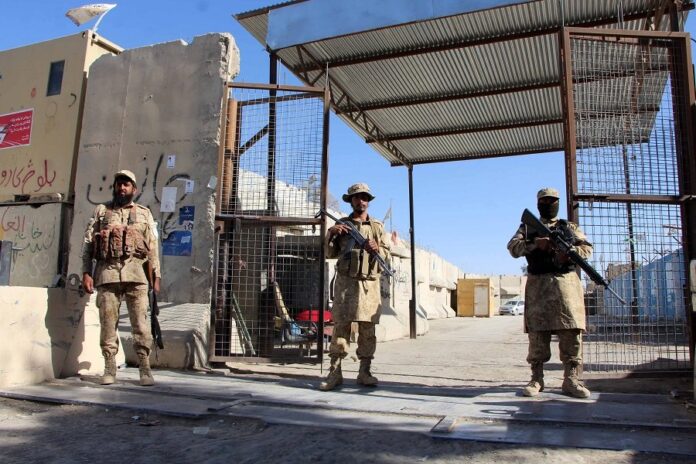
On February 26, Afghan forces launched a large-scale operation along the Durand Line, claiming control of more than 15 border posts. The Afghan side emphasized that the operation was "defensive" in nature and aimed at preventing further airstrikes. Afghan artillery also shelled Pakistani positions in Chitral, Mohmand, Khyber and Kurram.

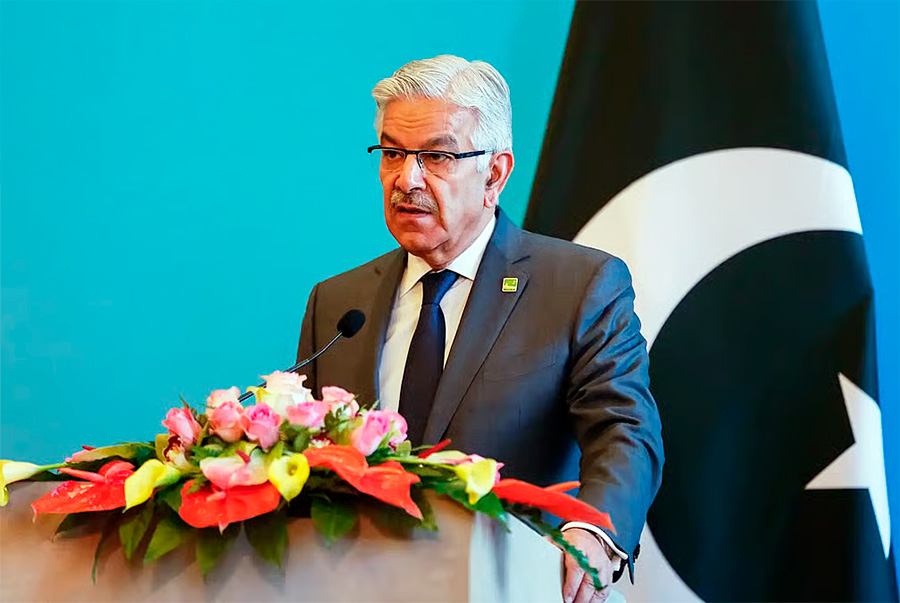
The next day, Pakistan responded with a second wave of airstrikes, hitting targets in Nangarhar, Paktia, and areas around Kabul and Kandahar. Pakistani Defense Minister Khawaja Asif declared the beginning of an “open war” with Afghanistan. Clashes spread to six border provinces in Afghanistan, including Nangarhar, Nuristan, Kunar, Khost, Paktia, and Paktika, with firefights and artillery exchanges reported on both sides of the border.


The escalating conflict and its global impact

Despite diplomatic efforts by Saudi Arabia and Qatar to broker a ceasefire, the fighting continues. The conflict has drawn concern not only from regional states but also from the global community. A war between nuclear-armed Pakistan and Afghanistan would be dangerously destabilizing. Moreover, the conflict risks empowering terrorist organizations like al-Qaeda and ISIS, alongside the already active TTP.

The UN had previously estimated that over 20 terrorist groups operate within Afghanistan. Now, this "hornet’s nest" of extremist groups may exploit the ongoing conflict to further their own goals.

The international response has been clear, with countries and organizations including Uzbekistan, China, Iran, Turkey, Russia, and the UN Secretary-General António Guterres calling for an immediate ceasefire.

The burning question now is how far the conflict will escalate. Unlike the 2025 India-Pakistan tensions, where nuclear war seemed imminent, experts believe the current situation, while grave, is unlikely to escalate to a nuclear conflict. Pakistan, with its conventional military superiority, has no immediate need to use nuclear weapons against Afghanistan. However, the conflict could morph into a hybrid war involving various terrorist groups operating from Afghan soil, an outcome that would deeply concern the international community.

While the situation remains fluid, it is likely that the fighting will either subside or transition into a protracted conflict with sporadic skirmishes. A total war of annihilation seems unlikely, but for both sides, the conflict provides a means to assert their political legitimacy.

As the world focuses on Iran, it is along the 2,640 kilometers of the Durand Line that the future of regional terrorism—and its potential global reach—will be decided.

Dushanbe Water Conference 2026 to focus on water management, climate change, and innovation

0

The 4th High-Level International Conference on the International Decade for Action “Water for Sustainable Development” 2018–2028 will be held in Dushanbe from May 25–28, 2026. Hosted by the Government of Tajikistan and the UN, this event serves as a final, comprehensive review of the Water Action Decade, aiming to accelerate progress on SDG 6 and acting as a key preparatory step for the 2026 UN Water Conference.

The upcoming Dushanbe Water Conference 2026 will address key issues of water supply adaptation and sustainability, drawing from the experiences of countries that have already faced the consequences of climate change.

One of the key topics for discussion will be transboundary cooperation in water resource management. The conference will explore experiences and approaches used for joint management of water systems in countries that share rivers and bodies of water. Special attention will be given to resolving water disputes and finding solutions for the fair and effective distribution of water resources.

Another significant focus of the forum will be innovations in the water sector. Participants will examine cutting-edge technologies and solutions that can help increase water-use efficiency, improve water quality, and contribute to the sustainable use of water resources. This will include both new water purification technologies and methods to optimize water supply in the context of growing populations and climate change.

The conference will feature plenary sessions, thematic discussions, and cultural events. On May 25, 2026, the conference will begin with participant registration and an official opening ceremony, followed by a high-level plenary session.

On May 26, sessions will focus on water resource management, climate security, transboundary cooperation, and innovations in the water sector.

May 27 will be dedicated to multilateral dialogue, presentations of innovative solutions, and partnership events.

The conference will conclude on May 28, with the preparation and adoption of final documents, followed by a closing ceremony and gala lunch.


Emomali Rahmon introduces staff changes in Supreme Court, prosecutor’s offices, and interior ministry

0

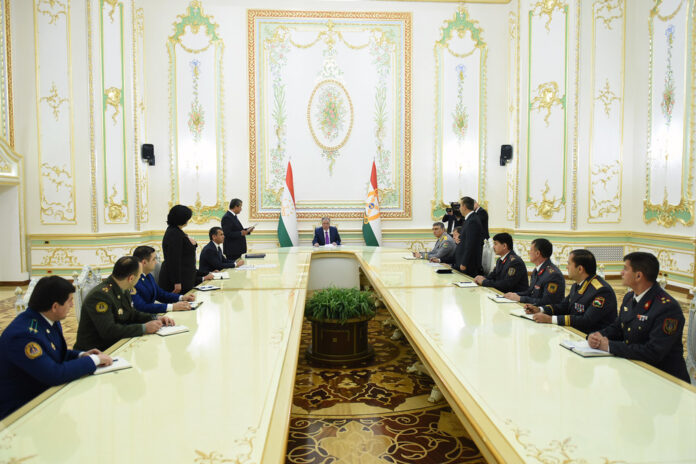
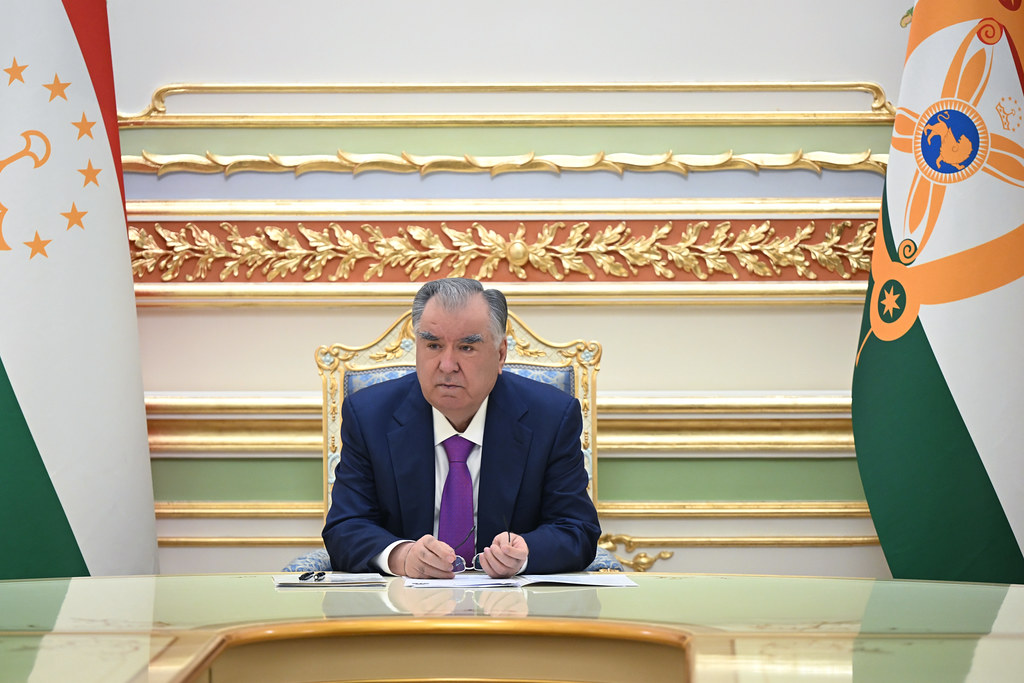
Tajik President Emomali Rahmon has carried out significant personnel changes within the structures of the Supreme Court, the prosecutor’s office, and the ministry of internal affairs.

According to the Tajik president’s official website, Tojiddin Hafizoda has been relieved of his position as First Deputy Chairman of the Sughd Regional Court and appointed as Chairman of the Mastchoh District Court.

Additionally, new appointments have been made in the Mastchoh district, where experienced and qualified professionals with strong managerial skills have been appointed as prosecutor and head of the police department.

Other staff changes also affected prosecutors and department heads within various cities and regions across the country, though their names were not disclosed.

During a meeting with the newly appointed officials, President Rahmon discussed ongoing issues in their work and issued specific instructions aimed at improving the fight against crime, particularly drug trafficking, and addressing violations in land use.

The President emphasized that, in any situation, the interests of the state and the nation must always come first. He stressed that law enforcement officers are required to strictly adhere to the law and diligently fulfill their duties.

Rahmon also focused on the importance of foreign language proficiency, improving the qualifications of law enforcement staff, and mastering new technologies to enhance their effectiveness.


From which countries cars are imported into to Tajikistan?

0

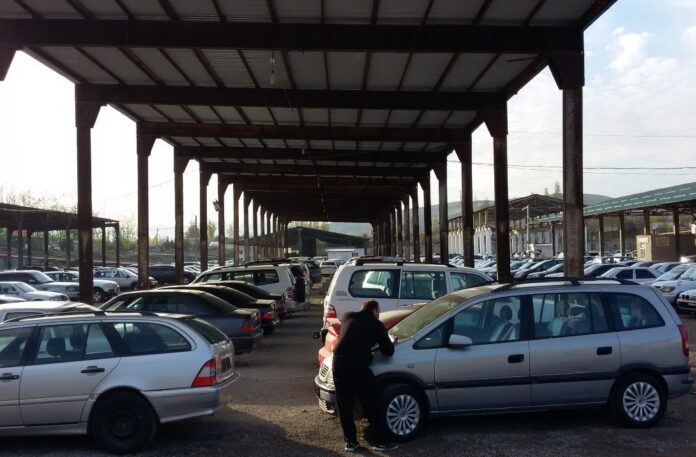
In 2025, Tajikistan imported 63,961 passenger cars worth $684.9 million, marking an increase of 16,667 vehicles compared to 2024. Khurshed Karimzoda, Head of the Customs Service under the Government of Tajikistan, announced this at a news conference in Dushanbe last month. 

In 2024, the country imported 47,294 passenger cars with a total value of $521.2 million.

“When the vehicle recycling fee was introduced, there were claims (the official did not specify who made the claims — editor’s note) that cars would no longer be imported into Tajikistan. Yet, in 2025, the number of passenger cars imported was 16,600 higher compared to 2024,” said Karimzoda.

However, the exact number of other types of vehicles imported to Tajikistan last year remains unclear.

According to the Customs Service, the largest share of vehicles came from the following 10 countries:

·         China – 28%

·         Russia – 26.7%

·         Kazakhstan – 13.3%

·         Uzbekistan – 5.2%

·         Iran – 4.5%

·         Belarus – 2%

·         Turkiye – 2.4%

·         South Korea – 2.4%

·         Germany – 1.6%

·         Japan – 1.4%

 In addition, Khurshed Karimzoda noted that last year, the import of electric vehicles, including electric cars, buses, and trolleybuses, worth 1.181 billion somoni, was exempt from customs duties. However, he did not specify how many electric cars were imported during this period.

Meanwhile, according to the Ministry of Transport, as of June 1, 2025, the country had 34,354 electric vehicles. In 2024, Tajikistan imported 17,695 electric cars, while in the first five months of 2025, 12,821 electric vehicles were imported.

Earlier, the Ministry of Transport reported that there were 701,231 registered vehicles in Tajikistan, including 676,782 passenger cars.

Trump says he must be ‘involved’ in choosing Iran’s next supreme leader

0

U.S. President Donald Trump has expressed his desire to be involved in the process of selecting Iran's next Supreme Leader, reaffirming his goal to help facilitate a shift in Iran's leadership that aligns more closely with U.S. interests.

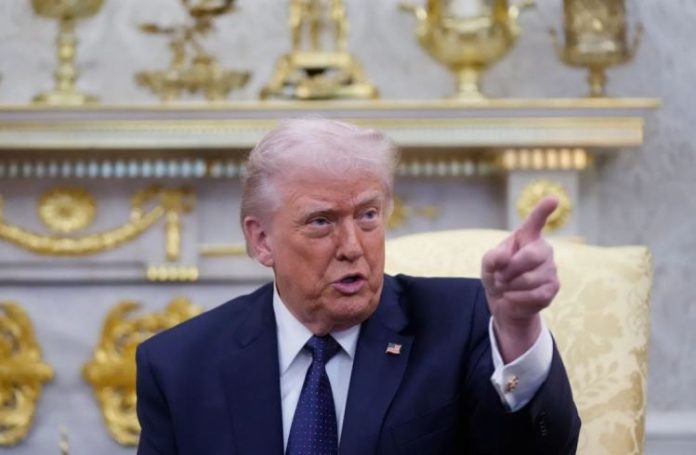
Trump voiced strong opposition to the possibility of Mojtaba Khamenei, the son of the late Supreme Leader Ayatollah Ali Khamenei, assuming his father’s position. "They are wasting their time. Khamenei’s son is a lightweight. I have to be involved in the appointment," Trump said in an interview with Axios.

While the U.S. president did not elaborate on his preferred candidate, he mentioned that he would welcome a leader similar to Venezuela's Delcy Rodríguez. Rodríguez, who succeeded Nicolás Maduro after his abduction by U.S. forces in January, has cooperated with Washington's policies, including allowing the sale of Venezuelan oil to the U.S. and cutting off petroleum supplies to Cuba under the threat of further U.S. sanctions.

Trump has repeatedly expressed his desire to find an Iranian leader akin to Rodríguez, someone who would align with U.S. policies.

However, experts note significant differences between the political landscapes in Iran and Venezuela. While Rodríguez’s rise followed a swift military operation, Iran’s leadership is deeply entrenched in religious and political structures that may not easily accommodate such a shift.

In Iran, the Supreme Leader must also be a qualified religious scholar, a requirement that would limit the pool of potential candidates. Analysts argue that Trump’s ideal leader, someone willing to submit to U.S. demands, is unlikely to emerge from within the current Iranian system.

Trita Parsi, Executive Vice President at the Quincy Institute, commented in an interview with Al Jazeera, saying Trump’s strategy appears to be one of seeking Iranian capitulation. “He is fine with a symbolic figure taking over Iran as long as this person pursues Trump’s policy preferences, just as Delcy has done,” Parsi said. He further added that Trump is unlikely to find anyone within the Islamic Republic system who would be willing to submit to his policy demands.

In a separate statement to Reuters, Trump also reiterated his belief that the U.S. must play a role in choosing Iran’s next leader. He suggested that it would be "wonderful" if Iranian Kurdish forces, based in Iraq, were to cross into Iran and launch attacks on the Iranian security forces. The president voiced his support for their offensive, which came just days after U.S. and Israeli forces launched joint attacks on Iran.

The escalating conflict has claimed more than 1,000 lives, including at least six U.S. service members, and has left the Middle East in turmoil. Trump’s comments underscore the growing tensions between the U.S. and Iran, which have reached a critical point following the assassination of Iran’s Supreme Leader.

While Trump’s rhetoric suggests a hands-on approach to influencing Iran’s future leadership, analysts remain skeptical about the feasibility of such an outcome in a country with a complex, deeply rooted political and religious system.

Dushanbe to host Judo Grand Slam again

0

Dushanbe will host the Judo Grand Slam for the third time, bringing together some of the world’s top judo athletes. The IJF World Tour event, the Dushanbe Grand Slam, will take place from May 1 to 3, 2026, in the capital of Tajikistan. The competition has become a staple on the international calendar, marking a significant development in the country’s hosting of major sporting events.

In 2023, Dushanbe hosted a Grand Prix tournament, and following its success, the competition’s status was elevated to that of a Grand Slam— a more prestigious and higher-ranking event.


A key event for global athletes

The upcoming Grand Slam will see top judo athletes from around the world gather in Dushanbe, where they will compete for valuable ranking points in the International Judo Federation (IJF) world standings. These points directly influence athletes’ positions in the global rankings and their seeding in major international competitions.

In addition to ranking points, cash prizes will be awarded: €5,000 for the winner of each weight category, €3,000 for the silver medalist, and €1,500 for the bronze medalists. As a result, the Dushanbe Grand Slam will remain one of the key events of the spring season in the judo calendar.


Last year’s success and expectations

In last year’s Grand Slam in Dushanbe, 226 athletes from 27 countries competed. The Tajikistan team delivered an outstanding performance, winning 4 gold, 3 silver, and 4 bronze medals, which secured them the top spot in the overall medal tally.

The upcoming tournament will be the third major event of this level in Dushanbe, positioning the capital as a regular host of international sporting competitions. For Tajikistan, it is not just a sporting milestone but also an important image-building project, showcasing the country’s ability to host world-class events.


A chance for global stars and local fans

The tournament is expected to feature fierce competition, a packed schedule, and performances from the world’s top-ranked judokas. For Tajikistan’s fans, it will be a unique opportunity to witness the elite of global judo on home turf. For the national team, it will be a chance to showcase their skills once again before their local supporters.

Record-breaking temperatures in Central Asia in February: rising risks of global warming

0

February 2026 saw record-breaking temperatures across Central Asia, further confirming the escalating climate crisis. In all the countries of the region, temperatures significantly exceeded seasonal norms, with extreme heat and water shortages threatening agriculture and water supply systems. These developments call for urgent measures to adapt and improve natural resource management in the region.


February 2026 temperature records in Central Asia

In February 2026, Dushanbe set a new record for high temperatures. The average temperature for the month was 10.8°C, which is 5.8°C higher than the norm for the month (normally 5.0°C), making it the warmest February in recent years.

Other countries in the region also recorded unprecedented temperatures. In Turkmenistan, the temperature reached 33.4°C in February 2026, setting an all-time high for that month. According to Kazakhstan's Kazhydromet, on February 19, 2026, the temperature in Almaty peaked at 22.8°C, a new absolute record for February.

Bishkek, the capital of Kyrgyzstan, also set a new February heat record, with an average temperature of 6°C, 6.5°C above the norm. On February 19, the city recorded a maximum temperature of 22.9°C.

In Uzbekistan, temperatures on February 19-20 ranged between 20-25°C, a range typically seen in mid-spring, not in the last month of winter.


Global warming forecasts and consequences for Central Asia

These temperature records align with findings from the report "The Climate of the Planet: Facts, Forecasts, and Solutions amid the Growing Crisis," which predicted that 2026 would be a record year for global warming, with temperatures surpassing 1.4°C above pre-industrial levels. Forecasts regarding rising temperatures in Central Asia and other regions are materializing faster than expected, and the impacts on ecosystems and human populations are becoming increasingly evident.

The climate crisis report highlights several key issues impacting the region. In 2025, all Central Asian countries set new temperature records, with anomalies of 2-3°C above the historical norms—an alarming shift in the region's climate.


Challenges for agriculture in Central Asia

According to the "The Climate of the Planet" report, global warming is causing more frequent and intense droughts, which threaten agriculture and water supply systems in the region.

Rising temperatures in Central Asia have led to extreme weather events, making conditions increasingly unfavorable for farming and food security. Climate change is disrupting natural processes, negatively affecting agriculture, particularly in countries like Tajikistan, where the agricultural sector heavily relies on water resources for irrigation. These challenges require urgent and effective measures for adaptation, better water resource management, and the adoption of sustainable agricultural technologies across the region.


Climate recommendations for Tajikistan and Central Asia

The report offers several climate-related recommendations, considering the intensifying crisis. Specifically for Tajikistan, as well as other countries in the region, the following points are emphasized:

In 2025, Tajikistan, like other Central Asian countries, recorded temperature highs where mountain areas exceeded seasonal norms by more than 3°C. This underscores the importance of developing adaptation strategies for agriculture, water resource management, and preparing for droughts.

The region faces significant challenges related to water scarcity, particularly in mountainous areas where only 41% of Tajikistan’s population has access to safe drinking water. More efficient water resource management and the implementation of sustainable water supply methods are critical.

With the changing climate and extreme droughts, the agricultural systems in the region require enhanced resilience. This includes using drought-resistant crop varieties, improving irrigation technologies, and utilizing agricultural waste as a resource. These recommendations are aimed at mitigating the impacts of climate change and preparing Central Asia, including Tajikistan, for future climate threats.

New fruit orchard planted on seven hectares in Dushanbe

0

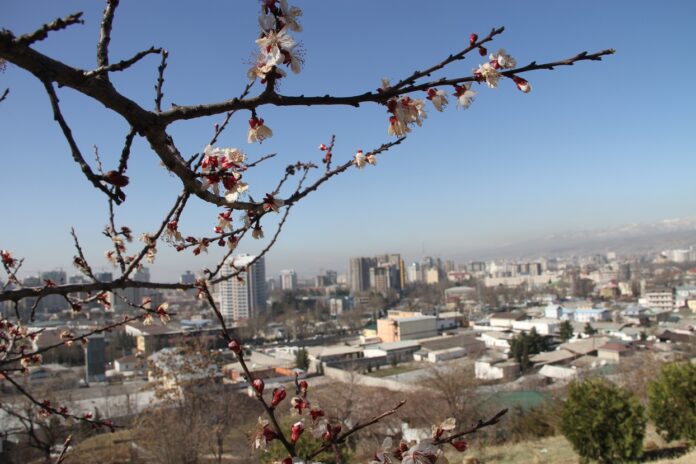
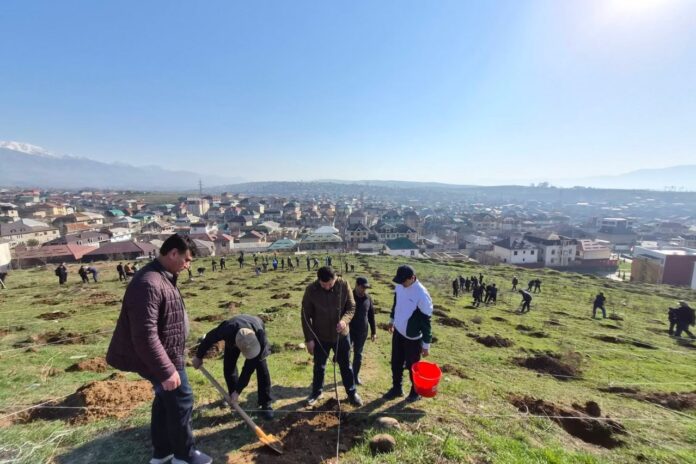
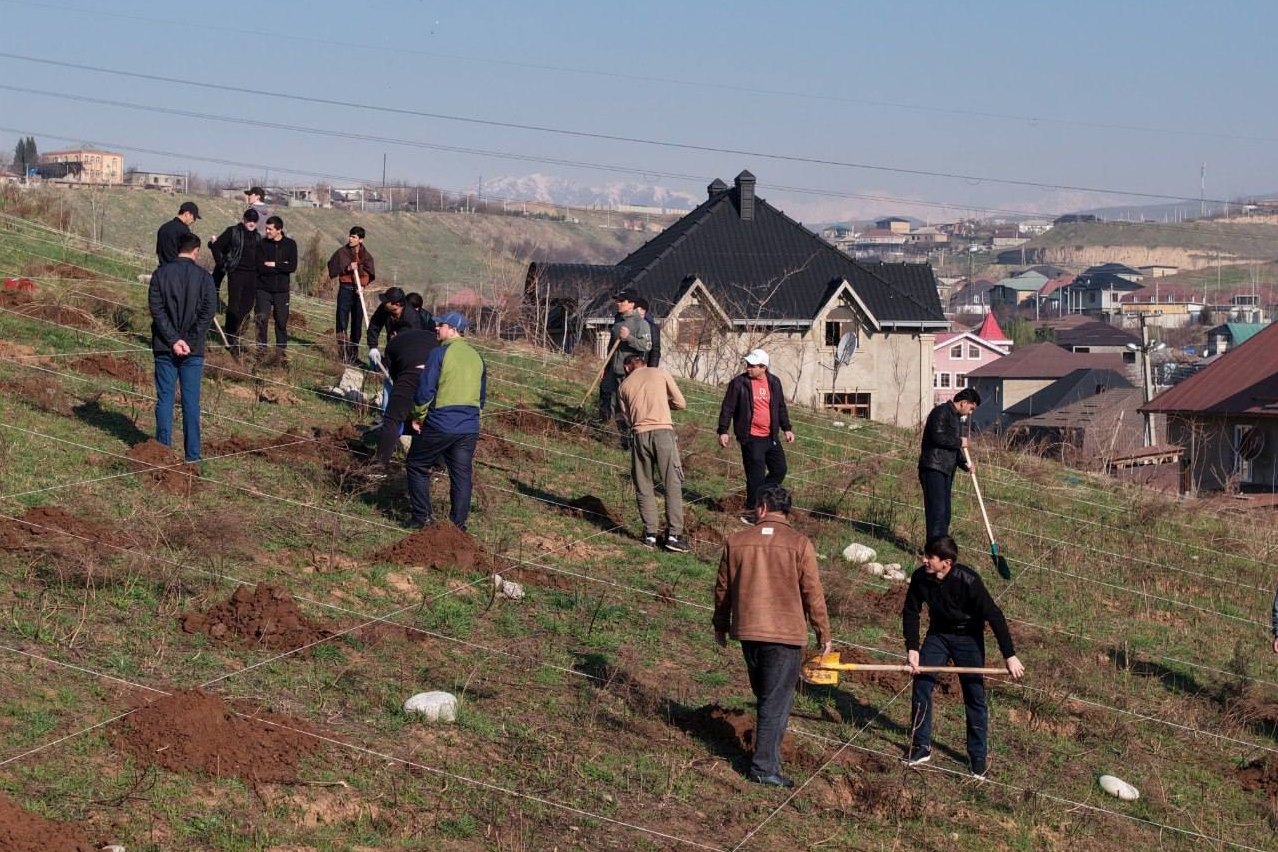
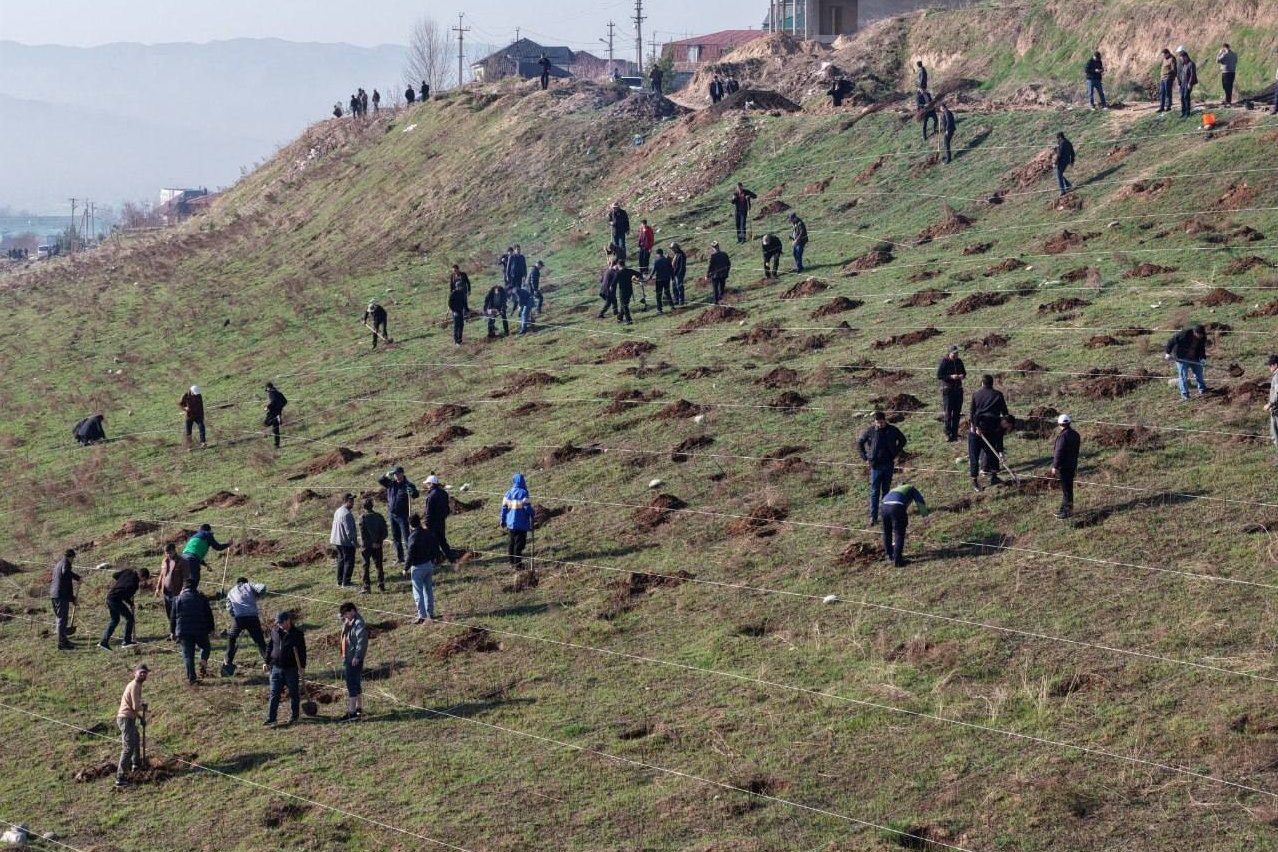
A new fruit orchard has been established in the Khovaron neighborhood of Dushanbe, covering more than 7 hectares. The orchard includes saplings of apple trees, plums, and grapes, along with over 7,000 evergreen plants.

The creation of the orchard is being carried out by Tajikistan's State Committee for Land Management and Geodesy (SCLMG).

According to the Committee, the orchard is part of the "State Greening Program of the Republic of Tajikistan until 2040," which aims to improve the country’s ecological situation.

Before the start of the project, a seminar and meeting were held with representatives from various departments of the Committee. The discussions focused on the proper planting of saplings according to agro-technical norms, as well as soil characteristics for successful plant growth.

Orif Khojazoda, the Chairman of the State Committee for Land Management and Geodesy, emphasized that the goal of the consultation was to ensure the correct planting of saplings, adhering to agro-technical standards, and to create a green and well-maintained garden that would beautify and improve the city of Dushanbe.

The director of the State Institute for Land Construction Design, Tojikzaminsoz, provided detailed explanations on planting and caring for saplings in this area. It was also mentioned that the institute’s specialists had already taken soil samples and analyzed its composition.

The program stresses the importance of adhering to agro-technical requirements during greening works, which will ensure the successful growth and development of the saplings. As part of the project, two water reservoirs will be constructed on the site to provide irrigation for the saplings and support their healthy growth.

Pentagon demands unlimited access to Claude: why Anthropic refused and what it means for the tech market

0

A significant conflict has unfolded in the United States over who should control the application of powerful generative AI models in military contexts. During contract negotiations, the U.S. Department of Defense (Pentagon) demanded more extensive, effectively unlimited, access to Anthropic’s AI model, Claude. Anthropic refused, and the dispute quickly escalated into a federal political decision.


What did the Pentagon want?

According to Reuters, the disagreement centered around the terms of use. The military insisted that Anthropic loosen or rewrite the restrictions on Claude’s use so that it could be employed "for any lawful purposes" in defense-related activities. Meanwhile, Anthropic sought stronger, more specific prohibitions on certain use cases. The dispute also involved deadlines for contract acceptance, with the Pentagon negotiating with multiple suppliers of large language models.


Why Anthropic said "no"

Anthropic’s public stance is centered on two key “red lines”:

·         The AI must not be used for mass internal surveillance.

·         The AI must not be used in fully autonomous lethal systems without human oversight.

These points, according to Reuters and The Guardian, were non-negotiable for the company, even at the cost of losing some government contracts.


Political outcome: federal agencies ordered to stop using Anthropic

The situation quickly escalated beyond closed-door negotiations. Reuters reported that, amid tensions, the U.S. Treasury Department and the Federal Housing Finance Agency (FHFA) announced they would stop using Anthropic's products, citing a presidential directive. The company was also labeled as a "supply-chain risk," effectively blocking its access to much of the federal market and opening the door for competitors to vie for defense contracts.


Competitors’ response: the OpenAI example

In response to pressure on Anthropic, OpenAI announced a deal to deploy its technologies in the U.S. Department of Defense’s classified networks. However, this agreement sparked an internal debate within the industry and among experts. The Verge noted that the term "any lawful use" could be problematic, as what’s considered "lawful" in intelligence or surveillance often has a broad, evolving interpretation.

OpenAI, in an official statement, asserted that its agreement includes "layered" safeguards and clear "red lines," urging that such conditions should be accessible to all AI companies, not just one.


Internal rebellion in big tech: employees sign open letters

The issue has sparked notable responses from employees within tech companies. TechCrunch, Forbes, Business Insider, Axios, and Engadget reported on an open letter signed by hundreds of Google employees and dozens of OpenAI staff. The letter expressed solidarity with Anthropic's position, calling for limits on military access to AI without explicit restrictions on surveillance and the autonomous use of force.


Why this matters beyond the U.S.

This conflict sets a new precedent for the global AI market:

·         Governments seek guaranteed access to the best models with fewer contractual restrictions.

·         AI developers fear reputational and legal risks if their models are used in contentious scenarios (such as surveillance, target selection, or use of force decisions).

·         There is growing competition over "whose agreement is safer," with the risk that "safety" becomes a PR contest rather than a set of transparent rules.

For Central Asia—and countries where the public sector is a key tech customer—a practical takeaway is clear: AI contracts will increasingly include clauses on acceptable use cases, audits, request logging, data storage, and “red lines.” Without such protections, suppliers may hesitate to engage in government projects. At the same time, authorities will likely push for broader mandates that allow “any lawful use.”


What’s next?

Reuters notes that U.S. agencies are beginning the process of divesting from Anthropic’s solutions, while the defense AI contract market is shifting in favor of competitors. In the coming months, the central question will not be "will AI be used in defense?" but rather, "under what rules and who defines those rules: law, contract, or internal company policy?"