Home Blog Page 38

Pentagon demands unlimited access to Claude: why Anthropic refused and what it means for the tech market

0

A significant conflict has unfolded in the United States over who should control the application of powerful generative AI models in military contexts. During contract negotiations, the U.S. Department of Defense (Pentagon) demanded more extensive, effectively unlimited, access to Anthropic’s AI model, Claude. Anthropic refused, and the dispute quickly escalated into a federal political decision.


What did the Pentagon want?

According to Reuters, the disagreement centered around the terms of use. The military insisted that Anthropic loosen or rewrite the restrictions on Claude’s use so that it could be employed "for any lawful purposes" in defense-related activities. Meanwhile, Anthropic sought stronger, more specific prohibitions on certain use cases. The dispute also involved deadlines for contract acceptance, with the Pentagon negotiating with multiple suppliers of large language models.


Why Anthropic said "no"

Anthropic’s public stance is centered on two key “red lines”:

·         The AI must not be used for mass internal surveillance.

·         The AI must not be used in fully autonomous lethal systems without human oversight.

These points, according to Reuters and The Guardian, were non-negotiable for the company, even at the cost of losing some government contracts.


Political outcome: federal agencies ordered to stop using Anthropic

The situation quickly escalated beyond closed-door negotiations. Reuters reported that, amid tensions, the U.S. Treasury Department and the Federal Housing Finance Agency (FHFA) announced they would stop using Anthropic's products, citing a presidential directive. The company was also labeled as a "supply-chain risk," effectively blocking its access to much of the federal market and opening the door for competitors to vie for defense contracts.


Competitors’ response: the OpenAI example

In response to pressure on Anthropic, OpenAI announced a deal to deploy its technologies in the U.S. Department of Defense’s classified networks. However, this agreement sparked an internal debate within the industry and among experts. The Verge noted that the term "any lawful use" could be problematic, as what’s considered "lawful" in intelligence or surveillance often has a broad, evolving interpretation.

OpenAI, in an official statement, asserted that its agreement includes "layered" safeguards and clear "red lines," urging that such conditions should be accessible to all AI companies, not just one.


Internal rebellion in big tech: employees sign open letters

The issue has sparked notable responses from employees within tech companies. TechCrunch, Forbes, Business Insider, Axios, and Engadget reported on an open letter signed by hundreds of Google employees and dozens of OpenAI staff. The letter expressed solidarity with Anthropic's position, calling for limits on military access to AI without explicit restrictions on surveillance and the autonomous use of force.


Why this matters beyond the U.S.

This conflict sets a new precedent for the global AI market:

·         Governments seek guaranteed access to the best models with fewer contractual restrictions.

·         AI developers fear reputational and legal risks if their models are used in contentious scenarios (such as surveillance, target selection, or use of force decisions).

·         There is growing competition over "whose agreement is safer," with the risk that "safety" becomes a PR contest rather than a set of transparent rules.

For Central Asia—and countries where the public sector is a key tech customer—a practical takeaway is clear: AI contracts will increasingly include clauses on acceptable use cases, audits, request logging, data storage, and “red lines.” Without such protections, suppliers may hesitate to engage in government projects. At the same time, authorities will likely push for broader mandates that allow “any lawful use.”


What’s next?

Reuters notes that U.S. agencies are beginning the process of divesting from Anthropic’s solutions, while the defense AI contract market is shifting in favor of competitors. In the coming months, the central question will not be "will AI be used in defense?" but rather, "under what rules and who defines those rules: law, contract, or internal company policy?"
Famous “Kharbouza” teahouse in Hisor re-listed for auction

0

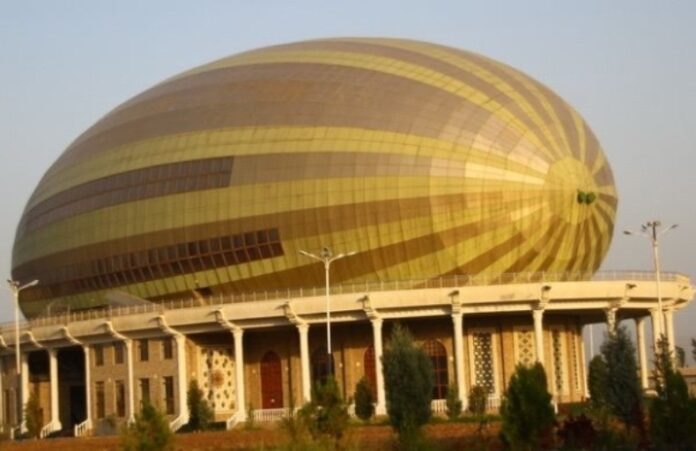
The renowned "Kharbouza" national teahouse in Hisor has once again been put up for auction. The bidding for the property is scheduled for March 11, according to the State Committee on Investment and State-owned Property Management (GosKomInvest).

An official source within GosKomInvest says the starting price for the teahouse is set at approximately 34.9 million somoni (over $3 million), the same as last year.

The melon-shaped teahouse, which spans more than 4,000 square meters, was inaugurated on October 27, 2015 with participation of the country’s president, as part of celebrations for the 3,000th anniversary of the city of Hisor. It was intended to become a city landmark, create 100 jobs, and host a pilaf center. However, none of these plans materialized — the teahouse operated for only about three months before it was shut down. Officials say the facility was never used efficiently. 

The main investor in the project was Murodali Alimardon, the former head of Tajikistan's National Bank and the founder of the now-bankrupt Agroinvestbonk. After the bank's bankruptcy, the teahouse was confiscated by the state.

The "Kharbouza" building has been listed for sale several times, most recently in December 2025, but has yet to attract any buyers.

A representative of GosKomInvest told Asia-Plus in December last year on the basis of anonymity that the asking price is too high, and that’s why no one wants to purchase it. “Auctions are held monthly, but no applications are submitted. The price cannot be reduced, as the property is part of the financial reconciliation with Agroinvestbonk, and its valuation is fixed by a government decree,” he said.

Over 200 Tajik nationals repatriated from Iran and 115 others from the UAE

0

After the onset of military actions by the US and Israel against Iran, Tajikistan has repatriated 219 of its citizens from Iran. Additionally, 115 Tajik nationals have returned via charter flights from Abu Dhabi (United Arab Emirates). This information was confirmed by the Tajik Ministry of Foreign Affairs (MFA).

According to the ministry, 118 people left Iran via the Turkmenistan border, while 101 people crossed into Azerbaijan.

The ministry also established an operational headquarters, requiring the country’s diplomatic missions in the Middle East to provide daily updates on Tajik citizens in the region.

On March 3, Tajikistan's Ambassador to Iran, Nizomiddin Zohidi, reported that approximately 300 Tajik citizens were in Iran, mainly for business, medical treatment, and tourism. He also noted that, by that time, 200 people had applied for repatriation.


More than 100 Tajik citizens return on charter flights

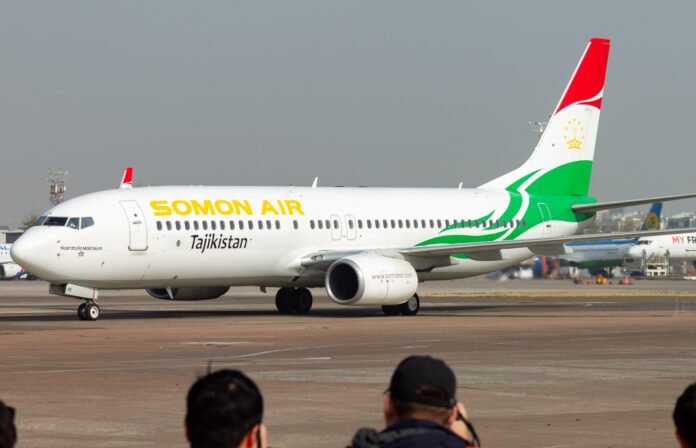
On the night of March 4-5, Tajikistan repatriated another 115 citizens via a charter flight organized by Somon Air from Abu Dhabi.

Earlier, on March 4, Tajik MFA announced that Somon Air had been instructed to organize charter flights, if necessary, to evacuate Tajik citizens from unstable regions in the Middle East.

The Ministry also stated that citizens wishing to return on these flights should register at Tajikistan’s embassies and consulates in the relevant countries.

After the US and Israeli strikes on Iran and Iran's retaliatory attacks on Israeli and US military bases in the Middle East, the security situation in the region has worsened. Many airlines have canceled or postponed flights, leaving hundreds of passengers, including Tajik citizens, stranded in hotels or airports in the Middle East.

At this time, it remains unclear how many Tajik citizens are trapped in the conflict zone and wish to return home. Previously, the Tajik embassy in Iran reported that approximately 200 people had submitted requests for repatriation.

The embassy also added that no one had been harmed due to recent events, and they are working on facilitating departures through border crossings in Azerbaijan and Turkmenistan. On March 1, 13 Tajik citizens left Iran through the Astara border crossing and arrived in Azerbaijan.


Travel advisory

The MFA had earlier advised citizens to "avoid traveling to Middle Eastern countries until the situation stabilizes." They also recommended that those currently in the region adhere to safety rules, follow local authorities' instructions, avoid crowded places and potentially dangerous areas, and always carry personal identification and communication devices.

Against the backdrop of escalating events in the Middle East, Somon Air announced it would suspend flights on the Dushanbe–Tehran–Dushanbe route until March 31, and cancel Dushanbe–Dubai–Dushanbe flights until March 6.

“The US will bitterly regret it”: Iran confirms loss of military ship after US strike

0

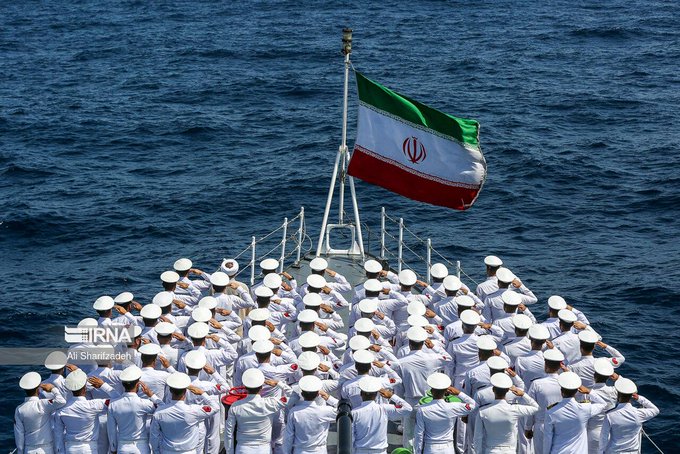
Iran has acknowledged the loss of its military frigate Dena, which was in international waters of the Indian Ocean when it was “unprovokedly” attacked by the United States, according to Iranian Foreign Minister Abbas Araghchi. He stated that the US would "bitterly regret" the "crime" it committed.

“The United States has committed a crime at sea, 2,000 miles from Iran’s coastline. The Dena frigate, which was visiting India’s navy, with nearly 130 sailors on board, was attacked in international waters without warning. Remember my words: the US will bitterly regret the precedent they have set,” Araghchi wrote on social media platform X.

On March 4, US Secretary of Defense Pete Hegset confirmed that an American submarine struck the Iranian frigate Dena off the southern coast of Sri Lanka, in international waters of the Indian Ocean. The number of people on board ranged from 130 to 180. Sri Lankan media reported that 87 people were killed in the strike, 32 were rescued, and 60 are still missing.

Earlier, General Bradley Cooper, head of the US Central Command, stated that the US had sunk 17 Iranian military ships, including a submarine. “Today, there are no Iranian vessels in the Persian Gulf, Strait of Hormuz, or Gulf of Oman, and we won’t stop there,” he added.

Meanwhile, on March 5, a "massive explosion" occurred on an anchored tanker off the coast of Kuwait, resulting in an oil spill. The UK Maritime Trade Operations (UKMTO) reported that the crew was unharmed, but the incident could have serious environmental consequences.

The incident occurred amidst the ongoing US-Israel military operation against Iran, which began on February 28. Iran has retaliated with strikes, including on US bases in the Gulf countries, and the Islamic Revolutionary Guard Corps has blocked the movement of ships through the Strait of Hormuz.


Will the crisis around Iran revive ISIS? How the new war may affect security in Central Asia

0

Central Asia is not directly involved in the ongoing military conflict in the Middle East, but it is bound to feel its consequences. The instability surrounding Iran could impact transport corridors and energy routes, and may also negatively affect security in the region—both at the borders and within the republics themselves.

Asia-Plus posed several questions to experts regarding the situation:

·         How will the war in Iran affect security in Central Asia, particularly Tajikistan?

·         What impact will a possible escalation have on border security?

·         Are there risks of increased radicalization in the region?

·         Is there a possibility of refugee flows into Central Asia, including through Afghanistan?


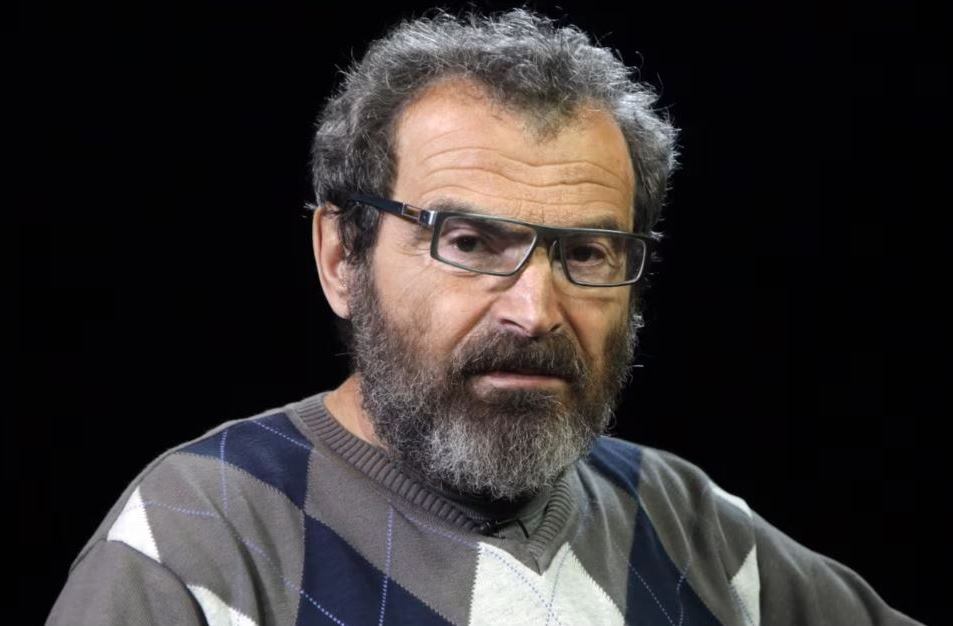
Arkady Dubnov, Political Analyst and Central Asia Expert:

·         Security in Central Asia has long been shaped by the balance of power between global centers: China, Russia, the USA, and the EU. Today, Central Asia is trying to distance itself from the conflict between the US/Israel and Iran, though countries like Kazakhstan and Tajikistan may have different levels of involvement.

This approach seems wise. In this regard, removing US military bases from the region (in Uzbekistan and Kyrgyzstan) has proven to be a farsighted decision, as it reduces the threat to the countries that hosted these bases.

For now, the region faces minimal direct military or forceful actions from the conflict's participants. However, border security in Central Asia is more uncertain. The instability in the southern part of Eurasia can lead to migration increases, economic crises, and other challenges.

Radicalization risks also persist within the region. The younger, more impressionable Muslim population in Kyrgyzstan, Kazakhstan, and Tajikistan remains susceptible to calls for "justice" in defense of Islam, especially when they perceive threats from "infidels." This sentiment can easily align with emerging narratives about decolonization in Central Asia, particularly with the increasing US interest in exploiting the region's mineral resources.

As for refugees, an influx is possible but unlikely to be significant. If migration from Iran occurs, it will likely be contained within South Asia and the Middle East, possibly extending to Europe and Azerbaijan, especially for ethnic Azeri Iranians.


Anonymous expert on Afghanistan and Central Asia:

·         The situation around Iran is part of a broader plan that may eventually spread to Central Asia. It seems that the destabilization of Iran involves a broad spectrum of tools, including the international terrorist network previously active in Syria and Iraq, with recruits from Central Asia.

Central Asian states, which may face similar scenarios, should study these tactics in advance to prepare and implement preventive security measures.

Currently, discussions in the US, Israel, and among their allies involve the possibility of a ground operation against Iran, potentially using proxy forces. Armed groups from neighboring countries, including Central Asia, could play a role in this.

Another area of concern is the territorial fragmentation of Iran, with possible new formations such as Southern Azerbaijan and Baluchistan emerging, especially given the deteriorating relations between Pakistan and Afghanistan. In this context, speculation about the breakup of Pakistan into a Greater Pashtunistan and a separate Baluchistan is becoming more common.

Any state in Central Asia could face similar challenges if separatist movements gain traction in the region.


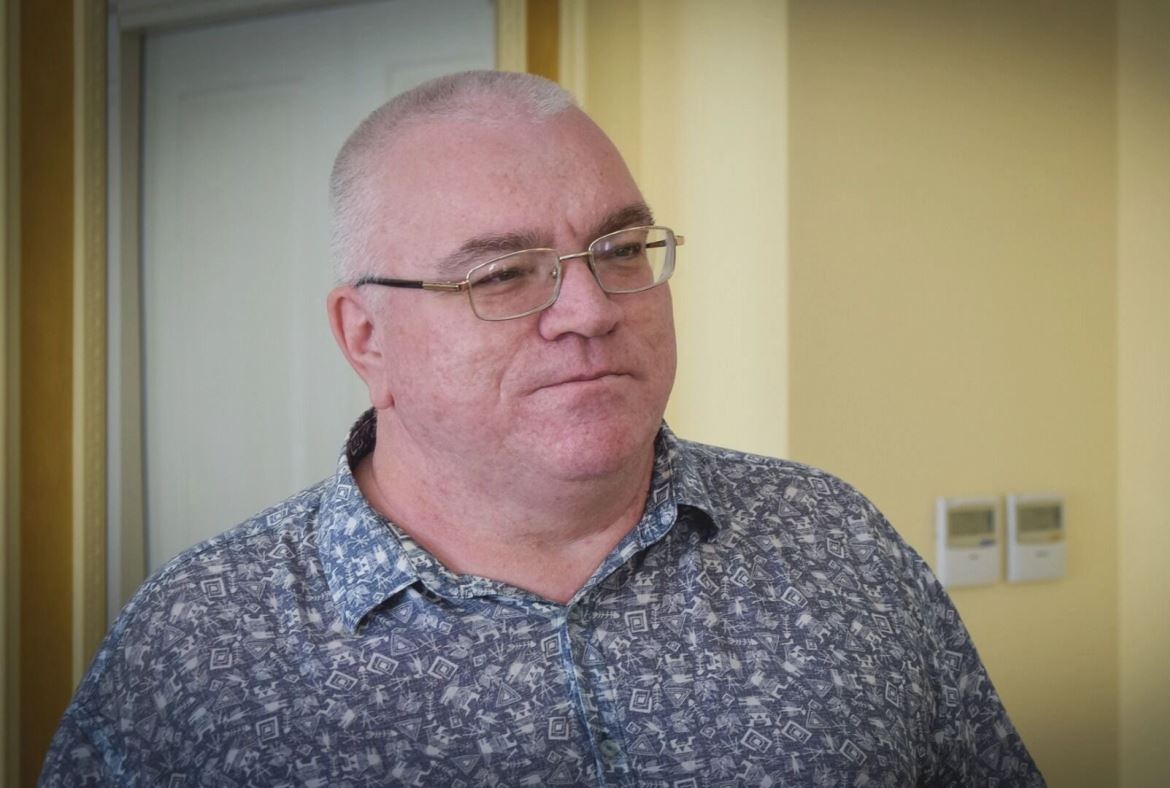
Andrei Serenko, Director of the Analytical Center of the Russian Society of Political Scientists, Head of the Russian Center for Afghan Policy Studies:

·         The US and Israel's war against Iran will inevitably weaken the Islamic Republic and its position in the region. It is extremely difficult for any country—even one as battle-hardened as Iran—to withstand the military might of the United States and its allies.

It’s difficult to say how significant this weakening will be—much depends on the resilience of Iran’s political system and its ability to regenerate after the blows it is likely to endure. The opponents of Tehran aim to destroy the Islamic Republic. Even if they don’t succeed in this, Iran will take a long time to recover, focusing primarily on its internal issues.

Iran's influence in the external region will diminish, which will negatively affect the balance of power and regional security. Iran has long been a key player in fighting jihadist projects like ISIS, and the loss of this influence will make it harder to combat such threats.

The revival of ISIS and its affiliates in the region is a serious concern. This is particularly worrying for the Central Asian republics, especially since the ISIS faction in neighboring Afghanistan—Wilayat Khorasan—has been vocal about its expansionist plans.

With Iran weakening, the jihadist threat will grow, and Central Asia's borders will be more vulnerable than before. The radicalization of marginalized groups within Central Asian societies is likely to increase, especially as ISIS and similar groups gain inspiration from the weakening of Iran.

If there is little resistance to the possible rise of jihadist activity, it will lead to new conflicts, humanitarian crises, refugee problems, and the destruction of social and economic ties.

The effects of the Iranian crisis will be long-lasting and will almost certainly be detrimental to the Middle East, South Asia, and Central Asia.

Tajikistan and Turkmenistan outline directions for trade and economic cooperation

0

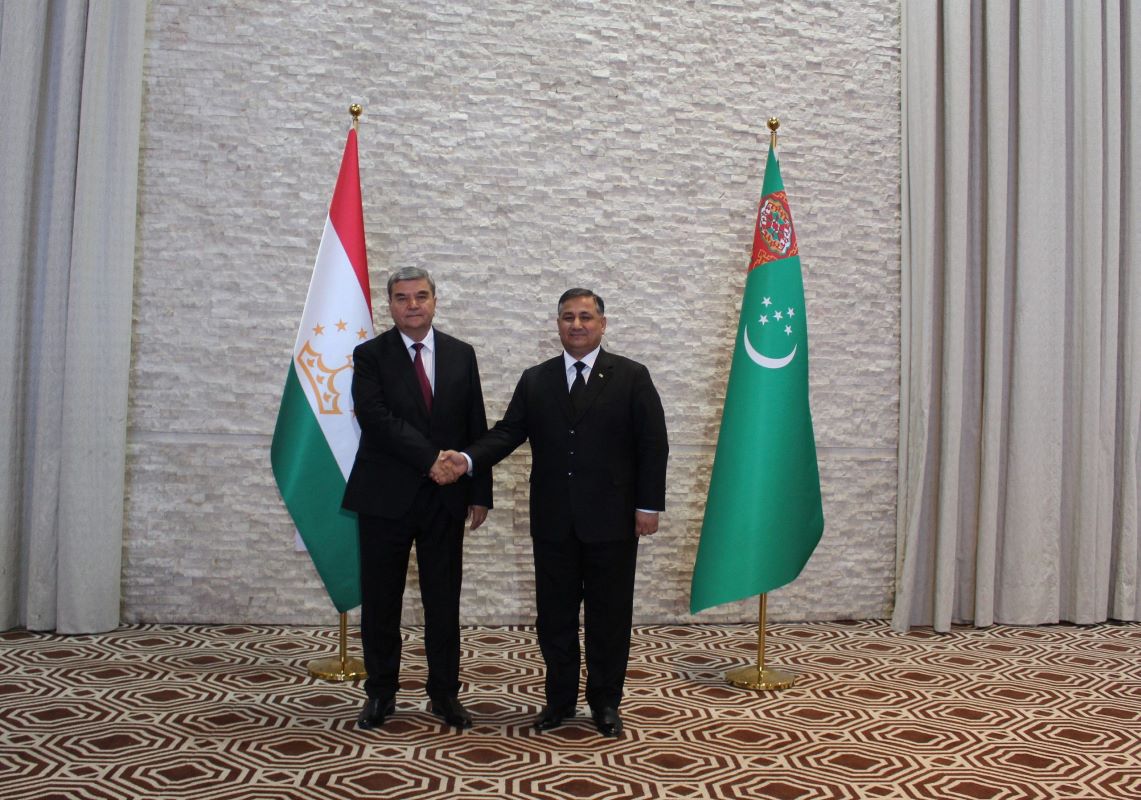
A two-day meeting of the joint intergovernmental commission on trade, economic, and scientific-technical cooperation between Tajikistan and Turkmenistan was held in Dushanbe on March 3-4.

According to the press service of the Ministry of Foreign Affairs of Turkmenistan, the meeting highlighted that relations between the two countries have gained new momentum and depth in recent years, based on mutual goodwill.

“Regular high-level visits and meetings contribute to the progressive development of fruitful cooperation in all its areas,” the statement said.

The sides discussed key issues of bilateral relations, focusing on the state and prospects of trade-economic cooperation, the activation of mutual trade, collaboration in transport and communications, energy and water resources, industry and construction, agriculture, education and science, and other sectors.

Both sides noted that in 2025, a two-way trade between the two countries valued at $43.1 million, marking a 17.1% increase compared to 2024. This figure reflects the growing economic cooperation between the two nations.

According to the press service of Tajikistan’s Ministry of Energy and Water Resources (MoEWR), the co-chairs of the Commission—Tajikistan’s Deputy Prime Minister, Sulaymon Ziyozoda, and Turkmenistan’s Deputy Chairman of the Cabinet of Ministers, Tangryguly Atakhallyyev—emphasized that the agreements reached lay a solid foundation for further expanding trade-economic relations and scientific-technical ties.

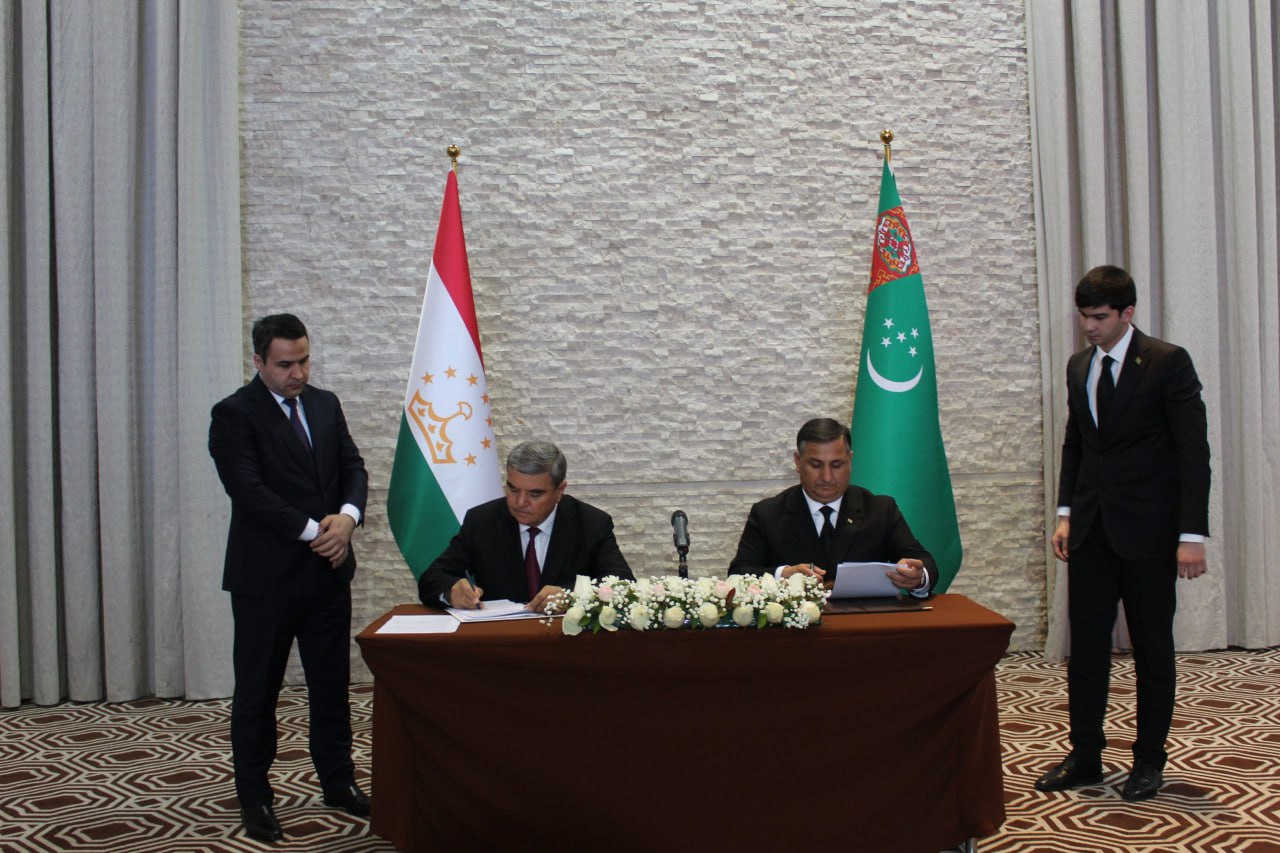
At the end of the meeting, the co-chairs signed a protocol outlining the main directions for future activities, marking an important step in the development of friendly relations between the countries.

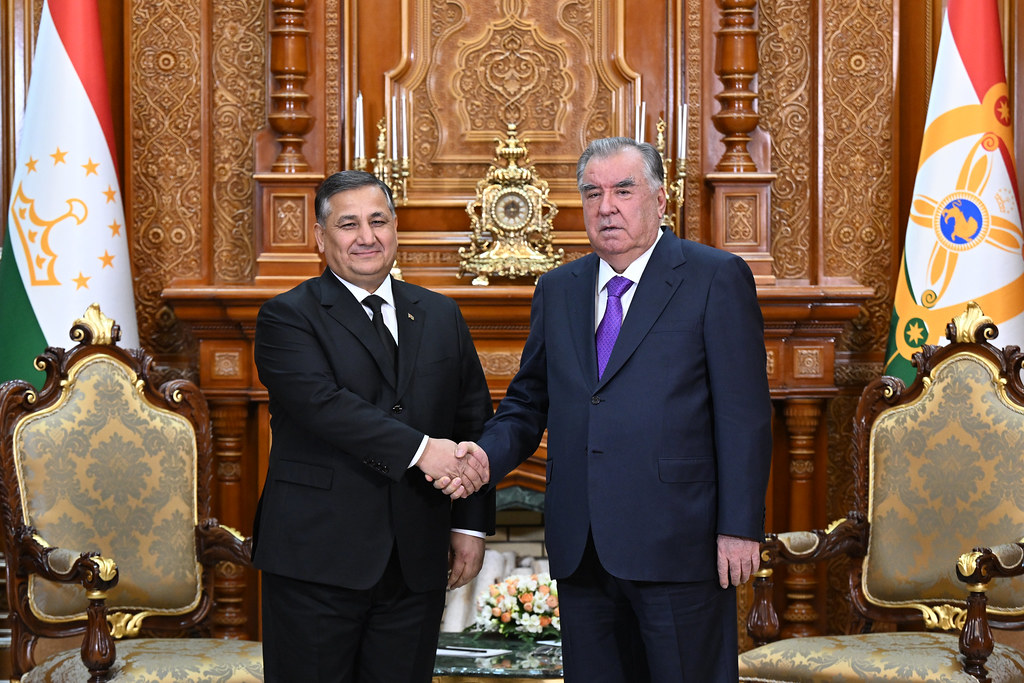
On March 4, President of Tajikistan Emomali Rahmon met with Tangryguly Atakhallyyev. The discussion focused on the state and prospects of Tajikistan-Turkmenistan strategic partnership and the ways to further develop these relations, according to the Tajik president’s official website

Output from Tajikistan’s free economic zones increases by 30% in 2025

0

In 2025, the production value of industrial goods in Tajikistan's Free Economic Zones (FEZs) reached approximately 687 million somoni (around $69 million), according to the Agency for Statistics under the President of Tajikistan.  This marks a 30.6% increase (161 million somoni) compared to 2024.

Last year, 35 enterprises operated within the FEZs, including 21 in the FEZ Sughd, 12 in the FEZ Danghara, 1 in the FEZ Kulob, and 1 in the FEZ Panj. In 2024, there were 30 active enterprises across these zones.

FEZs are specific, limited territories within Tajikistan that provide preferential economic conditions and special legal frameworks for business and investment activities.


FEZ Sughd

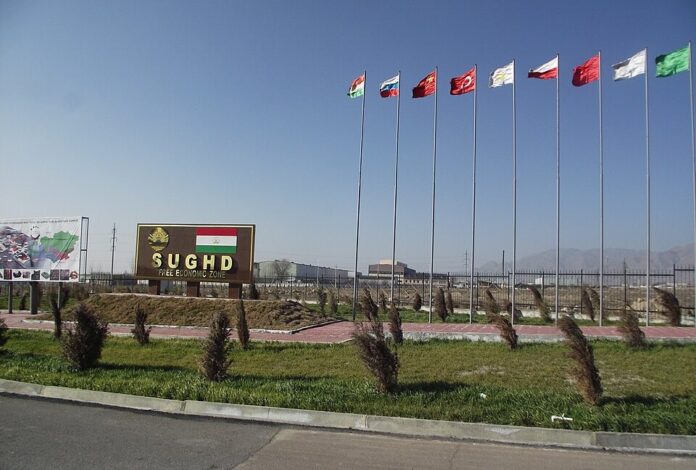
Located in Khujand, the capital of Sughd province, the 320-hectare Sughd zone hosts 44 registered companies, including 38 domestic firms and six joint ventures with Poland and Turkiye.  It remains one of the country’s key economic hubs. In 2025, 21 industrial enterprises operated here, marking a 26.2% increase from the previous year. The total industrial production amounted to 557.7 million somoni, accounting for nearly 82% of the total output from all FEZs in the country.

Last year, the major contributors to production were Tajprof LLC (365 million somoni) and Afrang Plastik LLC (82 million somoni). This zone produces high-demand goods such as solar thermal collectors, plastic pipes, meat products, and fruit packaging.

Additionally, services worth 4.6 million somoni were provided, and construction work amounted to 757,100 somoni.

Established in May 2008 and launched in August 2009, the zone’s mandate is valid for 50 years.


FEZ Danghara

FEZ Danghara, covering 541.3 hectares in Khatlon province, hosted 12 industrial enterprises in 2025, generating around 112 million somoni in production. The top performers include Tajikistan Petroleum LLC, Aufen LLC), and Detyen Beton LLC.

Last year, key contributors included Tajikistan Petroleum LLC with 26.5 million somoni in production and Aufen LLC, which produced goods worth 46 million somoni.

In addition, paid services worth 2.3 million somoni were rendered, and transport services generated an additional 6 million somoni.

The zone was established by government decree in February 2009, with regulations approved in 2010.


FEZ Kulob

In FEZ Kulob (309 hectares), two companies are registered, but only Tajik Almos LLC was active, producing approximately 463,000 somoni worth of goods. However, construction and contracting works in the zone amounted to 17.6 million somoni construction contracts totaled 10.9 million somoni.

This zone was established in August 2019.


FEZ Panj

FEZ Panj (401.6 hectares, Jayhun district in Khatlon province) registered six enterprises, but only JSC Fon Daryo JSC last year produced goods (valued at around 17 million somoni.  

The zone was created by a government decree on August 30, 2019.


FEZ Ishkashim

FEZ Ishkashim (200 hectares, Ishkashim district in the Gorno-Badakhshan Autonomous Region, or GBAO) recorded no industrial production in 2025, limiting activity to construction works valued at 1.2 million somoni.  

The zone was established in February 2009.


Conclusion

Nearly two decades after the creation of the first free economic zones, only Sughd and Danghara have proven effective as platforms for industrial growth and investment. Meanwhile, Panj, Kulob, and Ishkashim remain in early infrastructure development or exist mostly on paper. Experts warn that without comprehensive business support and improved infrastructure, the potential of these zones may remain largely untapped.

The free economic zones provide preferential terms for economic, financial, trade, information, and other activities for investors.  The FEZs offer incentives to investors, including preferences on taxation and customs procedures.

In the early 2000s, foreign direct investment has remained low because of political and economic instability, the poor domestic financial system, and Tajikistan’s geographic isolation.  To attract foreign investment and technology, Tajikistan has offered to establish free economic zones in which firms receive advantages on taxes, fees, and customs.  In 2004, the parliament passed a law on free economic zones.  The zones offer customs and tax incentives to qualified investors.

By 2024 a total of 88 corporate residents have been registered with five FEZs operating in Tajikistan; only 33 of them (37.5 percent) were operational in 2023.


Tajikistan authorities order Somon Air to organize charter flights for citizens from the Middle East

0

The Tajik government has tasked the airline Somon Air with organizing charter flights to repatriate Tajik citizens from Middle Eastern countries if necessary. The Ministry of Foreign Affairs of Tajikistan announced this development.

"Citizens who intend to return home via these flights can contact the diplomatic and consular missions of the Republic of Tajikistan in the respective countries for additional information and registration," the ministry said in a statement.

The Ministry also provided contact information for Somon Air and Tajikistan’s diplomatic and consular missions:

·         Somon Air Information Center

Phones: +992446404049, +992446404050, +992937777459 (WhatsApp), +992901115022 (WhatsApp), +992901032000 (WhatsApp)

·         Tajik Embassy in Iran

Mobile: +989363253147

WhatsApp: +992918818889

·         Tajik Embassy in Saudi Arabia and Bahrain

Tel: +966115120333

WhatsApp: +966563417592

·         Tajik Embassy in the UAE

Tel: +97124417950

WhatsApp: +971581531574

·         Tajik Consulate General in Dubai

Tel: +97143945814

WhatsApp: +971585081221

·         Tajik Embassy in Kuwait and Oman

Tel: (+965) 25329896

WhatsApp: +96565762307

·         Tajik Embassy in Qatar

Tel: +97444123906

WhatsApp: +97439902438

·         Tajik Embassy in Turkmenistan

Tel: +99391827271

WhatsApp: +9269738322

·         Tajik Embassy in Azerbaijan

Tel: +994513484032

WhatsApp: +994513484032

Following US and Israeli airstrikes on Iran and Iran’s retaliatory attacks on Israel and US military bases in the region, the security situation in the Middle East has deteriorated. As a result, dozens of airlines have canceled or postponed flights indefinitely, leaving hundreds of passengers, including Tajik citizens, stranded in hotels or airports in the Middle East.

At present, it is unclear how many Tajik citizens remain stranded in the conflict zone and wish to return home. Earlier, the Tajik embassy in Iran reported that around 200 people had applied to return. The embassy also stated that no one had been injured due to the recent events, and they are working on organizing citizens' departure via border crossings in Azerbaijan and Turkmenistan. On March 1, 13 Tajik citizens left Iran through the Astara border crossing and arrived in Azerbaijan.

Earlier, the Ministry of Foreign Affairs advised citizens to "avoid traveling to Middle Eastern countries until the situation stabilizes." They also recommended that those currently in the region follow safety protocols and local authorities' instructions, avoid crowded places and potentially dangerous areas, and always carry personal identification and communication devices.

In light of the ongoing events in the Middle East, Somon Air announced that it would suspend flights on the Dushanbe-Tehran-Dushanbe route until March 31 and cancel flights on the Dushanbe-Dubai-Dushanbe route until March 6.

Uzbekistan to introduce life sentences for pedophiles and arrests for sexual harassment

0

Uzbekistan is preparing changes to its criminal legislation aimed at tightening penalties for crimes involving violence against women and children. Among the proposed reforms is the introduction of life sentences for those convicted of pedophilia and administrative detention of up to five days for sexual harassment.

These initiatives were discussed during a meeting with President Shavkat Mirziyoyev, Fergana reported, citing the president’s press service. The proposed changes were prepared by a coordination council, taking into account public opinion, expert advice, and international best practices.

Mirziyoyev reportedly approved the initiatives and signed a decree instructing relevant authorities to amend the existing laws.

The Prosecutor-Generl’s Office, the Supreme Court, the National Social Protection Agency, and the Ministry of Justice have been tasked with preparing a draft of the amendments to the Criminal Code within three months.

The amendments will introduce life sentences for individuals previously convicted of crimes against the sexual freedom of minors, as well as for engaging in immoral acts with them.

Starting from November 1, 2026, investigations into crimes related to sexual violence will be exclusively handled by prosecution authorities. These cases will include those related to the following articles of the Criminal Code:

·         Article 118 — rape

·         Article 119 — forced satisfaction of sexual needs in an unnatural way

·         Article 121 — coercion to engage in sexual intercourse

·         Article 128 — sexual intercourse with a person under 16 years of age

·         Article 128-1 — sexual intercourse with a person aged 16-18 years for material goods or other advantages

·         Article 129 — immoral acts towards a person under 16 years of age

According to the decree, those convicted under Articles 118 and 119 will not be eligible for transfer to correctional colonies. Improvement in their living conditions will only be possible after undergoing psychological correction.

Starting January 1, 2027, investigations into cases involving violence against women and children will be conducted by specially trained investigators and judges. To this end, a new educational program, "Procedural Aspects of Working with Women and Children Affected by Crimes," will be introduced at educational institutions.

Additionally, from April 1, 2026, women with protection orders will be required to install the my.ihma.uz application on their devices. Developed by the National Social Protection Agency, the app will allow women to instantly report incidents of violence or harassment to law enforcement authorities.

How Iranians are coping with bombing raids: rare testimonies of life during war and internet blackouts

0

Since the outbreak of the new war in the Persian Gulf, missile strikes from Israel and the US have targeted strategic sites in Iran, many of which are located within urban areas. Alongside government officials and military commanders—40 of whom have died from the bombings—ordinary citizens of the Islamic Republic are also suffering.

However, due to widespread internet outages, information about the situation in the country remains scarce. Nonetheless, Western journalists have managed to communicate with local residents. Meduza has compiled reports from The New York Times, BBC, The Wall Street Journal, and Reuters, shedding light on how Iranians are experiencing the onset of this new war.


Residential areas and hospitals in Tehran suffer from airstrikes

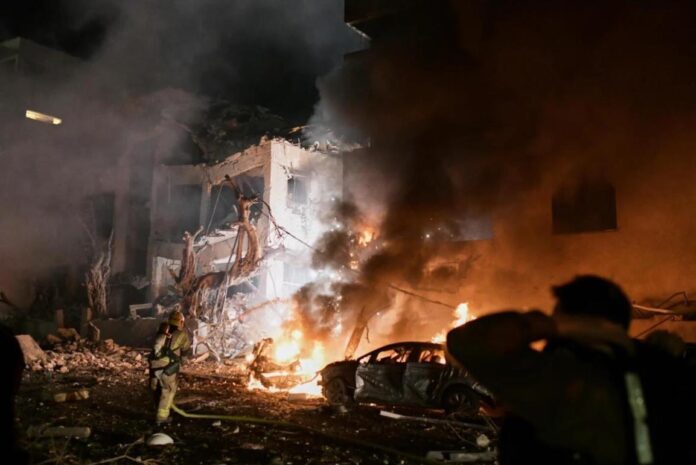
According to the Iranian Red Crescent, by Tuesday, March 3, 787 Iranians were confirmed dead as a result of US and Israeli airstrikes. From the very beginning of the new war in the Persian Gulf, the attacks have targeted strategic sites in Tehran and other Iranian cities: besides government buildings and the residence of Ayatollah Khamenei, other bombed sites included the airport and the state television office.

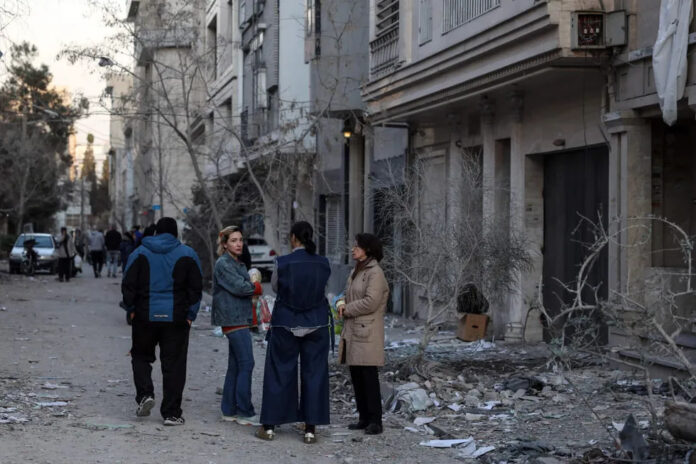
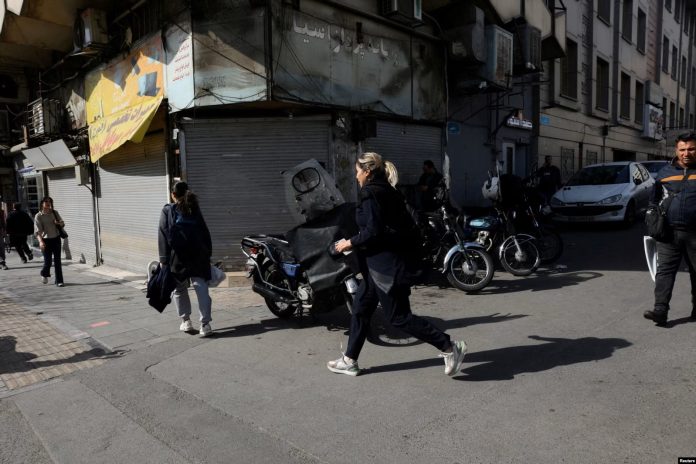
Tehran, a densely populated city with tightly packed buildings, faces severe consequences. In an interview with The New York Times, local residents described how residential neighborhoods are often not separated from government and security agency buildings. Mina, a 61-year-old engineer, recounted how, while watching TV on Sunday, March 1, she heard a huge explosion from a nearby office just three houses away.

"The attacks are so close, the sounds are deafening. Pray we survive this night," Mina said in a voice message sent to The New York Times correspondent.

The blast wave shattered windows and doors in her building and the entire street, Mina reported. Another resident described seeing a massive explosion from her window, saying, "I thought the apartment would collapse. It was terrifying."

In one instance, the strike on a telecommunications tower in Tehran forced the staff of a nearby private hospital, Gandhi Hospital, to evacuate all patients. Additionally, other hospitals in Tehran, as well as two medical centers in different cities, were evacuated. While Al Jazeera reported some damage to several Tehran hospitals, journalists have not confirmed direct hits on these facilities.

Some locals are now afraid to go to hospitals, fearing they could be hit.

"My ten-year-old daughter is on dialysis, and now we are trapped. I'm scared to take her to the hospital. What if they bomb it? Why are you bombing us?" exclaimed Firouzeh Seraj in a conversation with Reuters.

Iranian state media also reported a missile strike hitting a girls' school, Shajareh Tayebeh, in the city of Minab on the first day of the war. According to the Tasnim agency, associated with the Islamic Revolutionary Guard Corps, 148 people were killed and 98 injured. However, Reuters has not been able to verify these figures.


Panic grips Tehran and surrounding cities

As explosions rang out in Tehran on Saturday, people rushed to grocery stores to stock up on food and water, according to The Wall Street Journal. Reuters sources reported long lines at gas stations, and traffic was paralyzed.

Soon after the attacks began, many residents packed their belongings into plastic bags and fled the capital, seeking refuge in the mountains or along the Caspian Sea. The number of those who left is unknown, but many remained in Tehran due to a lack of alternatives.

"People are really scared," said an anonymous oil magnate in an interview with The Wall Street Journal. He himself gathered his belongings and fled Tehran for his villa by the Caspian Sea.

The airstrikes have not been limited to Tehran alone. A resident of Karaj, a city located 42 kilometers west of the capital and a major hub of the military-industrial complex, told the BBC about intense bombings. He counted 17 consecutive explosions on the first night. "The hits were so strong that the house shook. I heard loud explosions. I'm just trying to find a safe place," he added.

In Urmia, near the borders with Turkey and Iraq, a woman complained to Reuters about the total lack of shelters and aid. On Tuesday, March 3, an explosion was reported in the city.


Anger and isolation amid internet blackouts

As reported by various local residents, many Iranians are furious at being cut off from the outside world due to yet another internet blackout in the country. Fatima, an elderly woman from the port city of Bushehr, told Reuters that due to unstable network coverage and power outages, she cannot contact her children.

"My children call me, but the internet barely works. I’m afraid, so afraid, that I will never see them again because I might die in these bombings," she said.

Despite the chaos, there are no reports of widespread unrest in the cities. According to a resident of Karaj speaking with the BBC, the Islamic Revolutionary Guard Corps still maintains control at the local level.

"I think the death of Khamenei and the number of people killed during recent protests have only widened the gap between the government's supporters and its opponents," said the resident. Both The New York Times and the BBC reporters noted that checkpoints have been set up throughout Tehran, with security forces thoroughly searching local residents and passing vehicles.

On Tuesday, March 3, US Secretary of State Marco Rubio warned that the heaviest strikes on Iran are still to come.