February 2026 saw record-breaking temperatures across Central Asia, further confirming the escalating climate crisis. In all the countries of the region, temperatures significantly exceeded seasonal norms, with extreme heat and water shortages threatening agriculture and water supply systems. These developments call for urgent measures to adapt and improve natural resource management in the region.
February 2026 temperature records in Central Asia
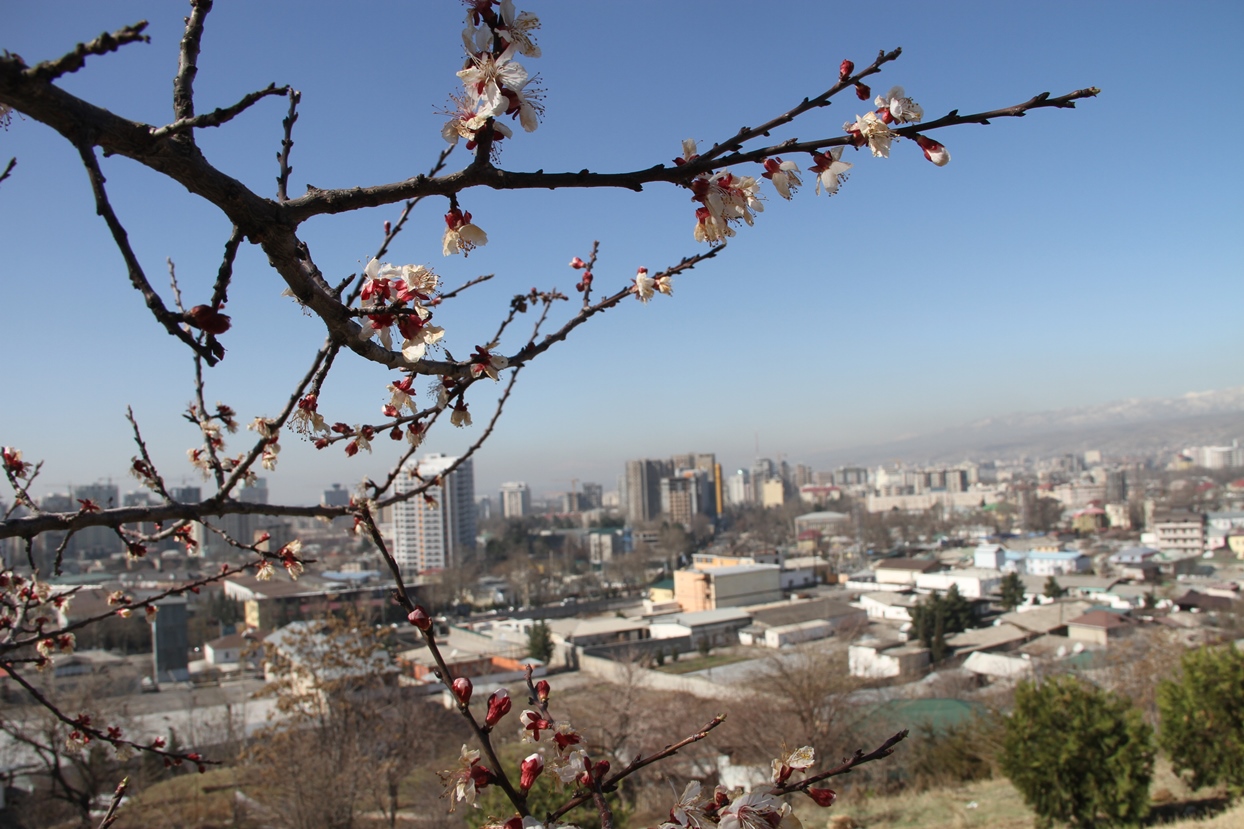
In February 2026, Dushanbe set a new record for high temperatures. The average temperature for the month was 10.8°C, which is 5.8°C higher than the norm for the month (normally 5.0°C), making it the warmest February in recent years.
Other countries in the region also recorded unprecedented temperatures. In Turkmenistan, the temperature reached 33.4°C in February 2026, setting an all-time high for that month. According to Kazakhstan's Kazhydromet, on February 19, 2026, the temperature in Almaty peaked at 22.8°C, a new absolute record for February.
Bishkek, the capital of Kyrgyzstan, also set a new February heat record, with an average temperature of 6°C, 6.5°C above the norm. On February 19, the city recorded a maximum temperature of 22.9°C.
In Uzbekistan, temperatures on February 19-20 ranged between 20-25°C, a range typically seen in mid-spring, not in the last month of winter.
Global warming forecasts and consequences for Central Asia
These temperature records align with findings from the report "The Climate of the Planet: Facts, Forecasts, and Solutions amid the Growing Crisis," which predicted that 2026 would be a record year for global warming, with temperatures surpassing 1.4°C above pre-industrial levels. Forecasts regarding rising temperatures in Central Asia and other regions are materializing faster than expected, and the impacts on ecosystems and human populations are becoming increasingly evident.
The climate crisis report highlights several key issues impacting the region. In 2025, all Central Asian countries set new temperature records, with anomalies of 2-3°C above the historical norms—an alarming shift in the region's climate.
Challenges for agriculture in Central Asia
According to the "The Climate of the Planet" report, global warming is causing more frequent and intense droughts, which threaten agriculture and water supply systems in the region.
Rising temperatures in Central Asia have led to extreme weather events, making conditions increasingly unfavorable for farming and food security. Climate change is disrupting natural processes, negatively affecting agriculture, particularly in countries like Tajikistan, where the agricultural sector heavily relies on water resources for irrigation. These challenges require urgent and effective measures for adaptation, better water resource management, and the adoption of sustainable agricultural technologies across the region.
Climate recommendations for Tajikistan and Central Asia
The report offers several climate-related recommendations, considering the intensifying crisis. Specifically for Tajikistan, as well as other countries in the region, the following points are emphasized:
In 2025, Tajikistan, like other Central Asian countries, recorded temperature highs where mountain areas exceeded seasonal norms by more than 3°C. This underscores the importance of developing adaptation strategies for agriculture, water resource management, and preparing for droughts.
The region faces significant challenges related to water scarcity, particularly in mountainous areas where only 41% of Tajikistan’s population has access to safe drinking water. More efficient water resource management and the implementation of sustainable water supply methods are critical.
With the changing climate and extreme droughts, the agricultural systems in the region require enhanced resilience. This includes using drought-resistant crop varieties, improving irrigation technologies, and utilizing agricultural waste as a resource. These recommendations are aimed at mitigating the impacts of climate change and preparing Central Asia, including Tajikistan, for future climate threats.