In Dushanbe, from April 14 to 18, the international forum “Partnership for Sustainable Development: Green. Digital. Smart” will take place, bringing together over 500 government representatives and experts from more than 50 countries.
The event is organized by the International University of Tourism and Entrepreneurship of Tajikistan with the support of the country’s government, as well as dozens of partner organizations. The forum will serve as a platform for discussing issues of the green economy, digital transformation, artificial intelligence implementation, and sustainable development.
The program features over 50 speakers, as well as dozens of events, including a summit of rectors, international conferences, a business forum, and exhibitions of innovative projects and startups.
The opening of the forum will take place on April 14 in Dushanbe with the participation of up to 1000 people. On the same day, cultural events will be held, including a “Friendship Evening” and a national clothing festival.
Key discussions will be held on April 16. On this day, conferences on the role of artificial intelligence and digital technologies, green diplomacy, the development of the financial system and the tourism industry, as well as a business forum with the participation of the state and private sector, are planned.
The forum will continue with olympiads, regional conferences, and events in Khujand and Levakant, as well as an environmental camp and initiatives for the youth.
Organizers expect the forum to become a platform for the development of international cooperation, the launch of joint projects, and the strengthening of Tajikistan’s role as a center for sustainable development in the region.
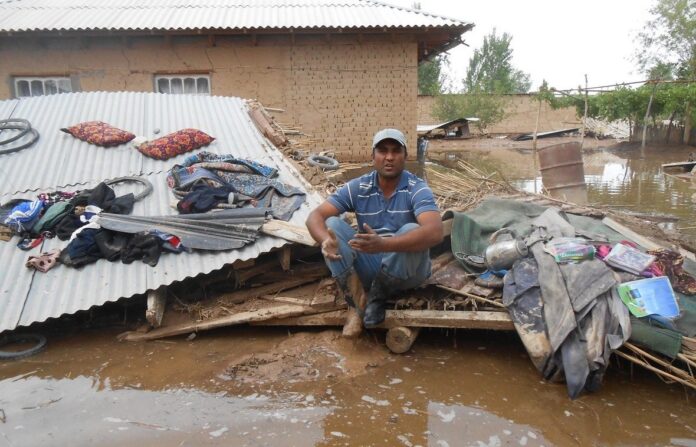
За последние 25 лет череда крупных бедствий в Таджикистане затронула более 80% населения. Наводнение в Фархоре, июнь 2018 года. Архивное фото asia+
Climate change may cause serious economic damage to Central Asian countries by 2080. The most vulnerable will be the mountainous states of the region, where the effects of global warming will be particularly noticeable.
This was stated by Iskandar Abdullaev, a senior researcher at the International Water Management Institute of Uzbekistan, at the CAREC Technology Forum.
According to him, the climate agenda is already going beyond environmental issues and becoming a crucial economic factor. Among the key risks, he mentioned droughts and water shortages, floods, heat waves, and glacier melting.
According to the presented estimates, by 2080, the potential economic damage to the countries of the region could be:
– Tajikistan — from 80% to 130% of GDP,
– Kyrgyzstan — from 70% to 120% of GDP,
– Kazakhstan — 40–80% of GDP,
– Uzbekistan — 30–45% of GDP,
– Turkmenistan — 20–60% of GDP.
The expert emphasized that the greatest losses are expected in the mountainous countries, where climate changes directly affect water resources. The melting of glaciers may lead to a decrease in river flow, which will impact energy and water supply.
Moreover, droughts and extreme temperatures are already putting pressure on agriculture, reducing crop yields and pasture productivity. In the long term, this could undermine the economic stability of the region.
Experts note that adaptation measures are necessary to reduce risks, including the modernization of irrigation systems, the implementation of sustainable agricultural technologies, and the development of renewable energy.
According to World Bank estimates, natural disasters already cause significant economic damage to Central Asian countries. Losses from extreme events, including floods and earthquakes, can reach up to 6% of GDP, and the annual damage from earthquakes alone can be up to $2 billion.
Furthermore, countries in the region face the risk of financial deficits after major disasters: for Tajikistan, this could amount to up to $1.5 billion. In the long term, climate change exacerbates these risks and increases the burden on the economy.
The World Health Organization (WHO) is monitoring the situation with a highly mutated strain of COVID-19, which has currently been detected in 23 countries. Cases of the “Cicada” strain, officially known as BA.3.2, have already been reported in the USA, Hong Kong, Mozambique, and the United Kingdom, according to the BBC.
Data analysis suggests that children are more likely to test positive for BA.3.2 than adults, simply because children’s immune systems are weaker.
Like COVID-19, “Cicada” is accompanied by symptoms such as fever, cough, sore throat, nasal congestion, fatigue, headaches, body aches, shortness of breath, and diarrhea.
Should we be worried?
The WHO noted that the new strain poses a low risk to public health.
Both independent experts and WHO experts state that COVID-19 has now become one of the common winter respiratory infections, and people simply need to keep it in mind. We will continue to see the emergence of new virus strains as long as humans inhabit the planet. It is doubtful that SARS-CoV-2 will ever disappear, they note.
Are children at risk?
The first alarming signs of possible vulnerability of children to the new COVID-19 strain BA.3.2 (“Cicada”) came from the USA. Researcher Ryan Hisner, after analyzing morbidity data in New York, reached a preliminary conclusion: children are more likely to test positive than adults.
It is emphasized, however, that this data has not yet been peer-reviewed or published in scientific journals. Nevertheless, Professor Ravindra Gupta of the Cambridge Institute of Therapeutic Immunology believes that such a trend is “quite possible.”
Experts highlight two main reasons for the possible vulnerability of children.
The first is the peculiarities of the immune system. The new strain has not been encountered before, and it is difficult for the body to recognize it. Children’s immune systems are less “trained” as they have experienced fewer infections, including COVID-19.
The second possible reason is virus mutations. According to scientists, the altered protein on the surface of the strain may facilitate infection, especially in children. Specialists are currently studying additional samples to confirm this hypothesis.
Illustrative photo: Getty Images
At the same time, doctors emphasize that most healthy children experience the infection in a mild form. Special attention should be paid to children with chronic lung, heart diseases, or weakened immune systems — they may require medical assistance.
How do symptoms manifest?
There is currently no data indicating that the BA.3.2 (“Cicada”) strain causes a more severe course of the disease compared to other COVID-19 variants.
Specialists note that the virus affects the body in a similar manner regardless of the strain, so the symptoms remain approximately the same.
What is known about the new COVID-19 strain
The BA.3.2 strain received the unofficial name “Cicada” due to its behavioral characteristics. These insects can spend many years underground and then suddenly appear in large numbers. Similarly, after its initial detection, the virus remained inconspicuous for some time and then began to spread actively.
According to available data, the strain was detected in samples from travelers, clinical samples from patients, and wastewater, indicating its circulation in different environments.
The World Health Organization has classified BA.3.2 as a “variant under monitoring.” This means it requires further study, and specialists continue to assess its potential impact on global health.
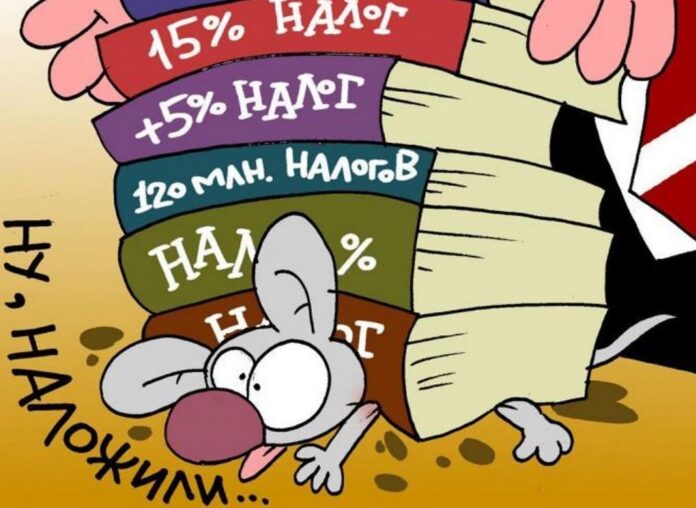
The leadership of the Tax Committee of Tajikistan refutes claims about the high tax burden in the country, stating that the load remains lower or at the level of most neighboring countries. Is this really the case?
The head of the Tax Committee Nusratullo Davlatzoda stated that the tax burden in the RT remains lower or at the level of most neighboring countries.
“Tajikistan does not have a high tax burden, as is often claimed. We are constantly working on reducing the tax burden to improve business conditions and comply with international standards,” he said at a press conference on February 13.
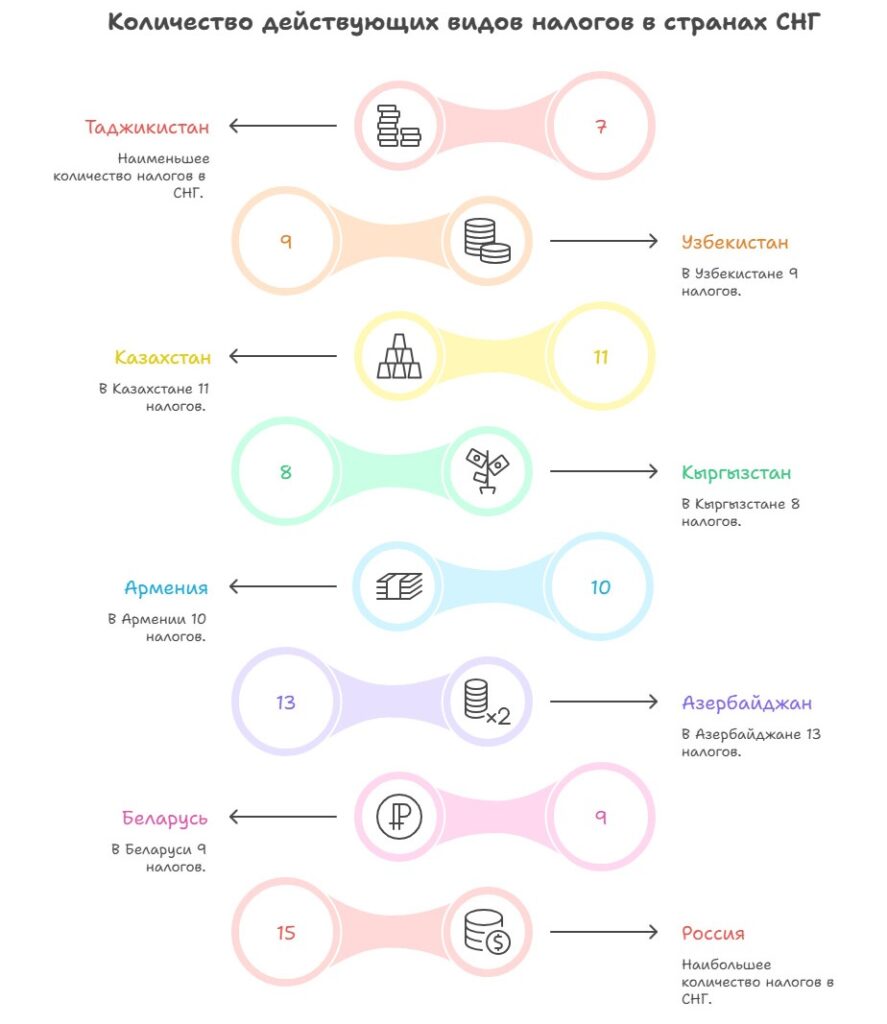
According to him, the state consistently reduces the number of taxes and lowers rates, creating more favorable conditions for entrepreneurs. As an example, he reminded about the 2022 reform: the number of tax types was reduced from 10 to 7, which, according to the head of the committee, significantly simplified the tax system for business.
Davlatzoda also emphasized that the tax burden in Tajikistan is not higher than in neighboring countries.
Number of active tax types. Infographics asia+
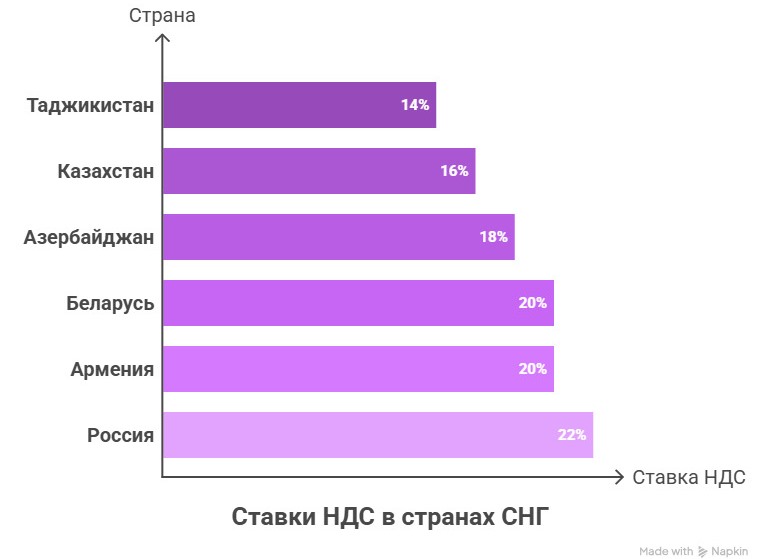
He specifically addressed key tax rates. The VAT rate in Tajikistan in previous years was reduced from 18% to 15%, as of January 1, 2026, it is 14%, and from 2027 it will be reduced to 13%.
VAT rates. Infographics asia+
The income tax for legal entities in Tajikistan, according to him, has also been optimized:
– for enterprises in the manufacturing sector, the rate has been reduced to 13%;
– for other types of activities — to 18%;
– for mobile companies and financial organizations — to 20%.
In Belarus, Azerbaijan, and Russia, the profit tax rate is 20%, in Armenia — 18%, and in Uzbekistan — 15%.
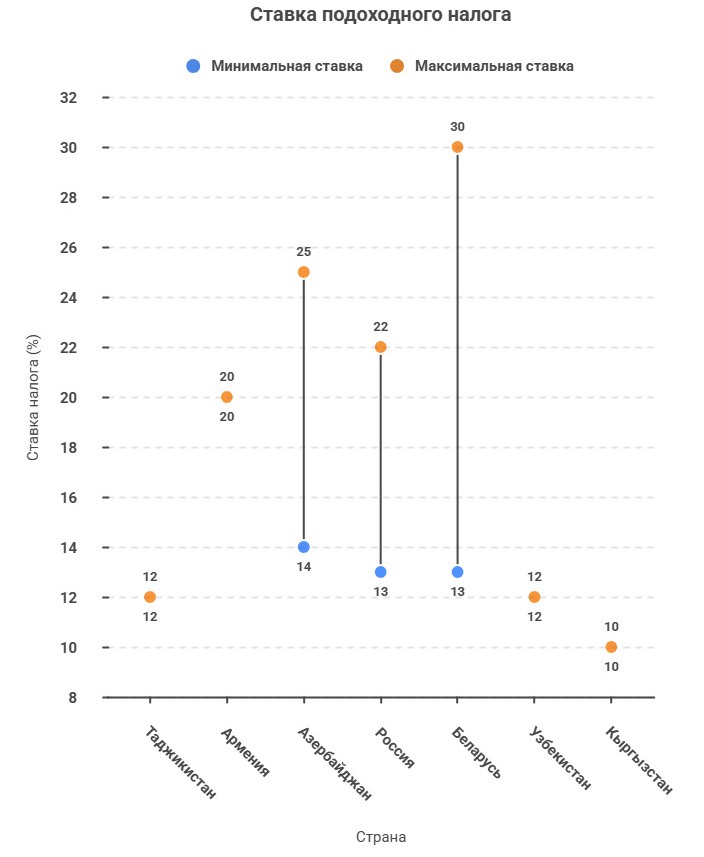
He also compared income tax rates.
Income tax rates. Infographics asia+
“You see, taxes in Tajikistan do not differ in high burden compared to other CIS countries and main trading partners,” emphasized Davlatzoda.
He added that changes in tax legislation are aimed at further reducing the burden and simplifying administration. According to him, this contributes to improving business conditions, increasing transparency, and helps the country improve its positions in international rankings and attract foreign investments.
“Reducing taxes and simplifying reporting, as well as increasing business transparency, will help strengthen the country’s economy and create new jobs,” noted the head of the Tax Committee.
Fact Checking
Tax systems of different countries vary, there are no two absolutely identical ones, which complicates the direct comparison of the tax burden. Tax rates and rules differ greatly across countries, sometimes even in different regions of the same country.
To determine the real tax burden, various indicators are usually used, mainly tax rates, sometimes the ratio of taxes to GDP.
It should be noted that the number of taxes does not matter much because the tax burden is assessed not by quantity, but by their cumulative impact on payers.
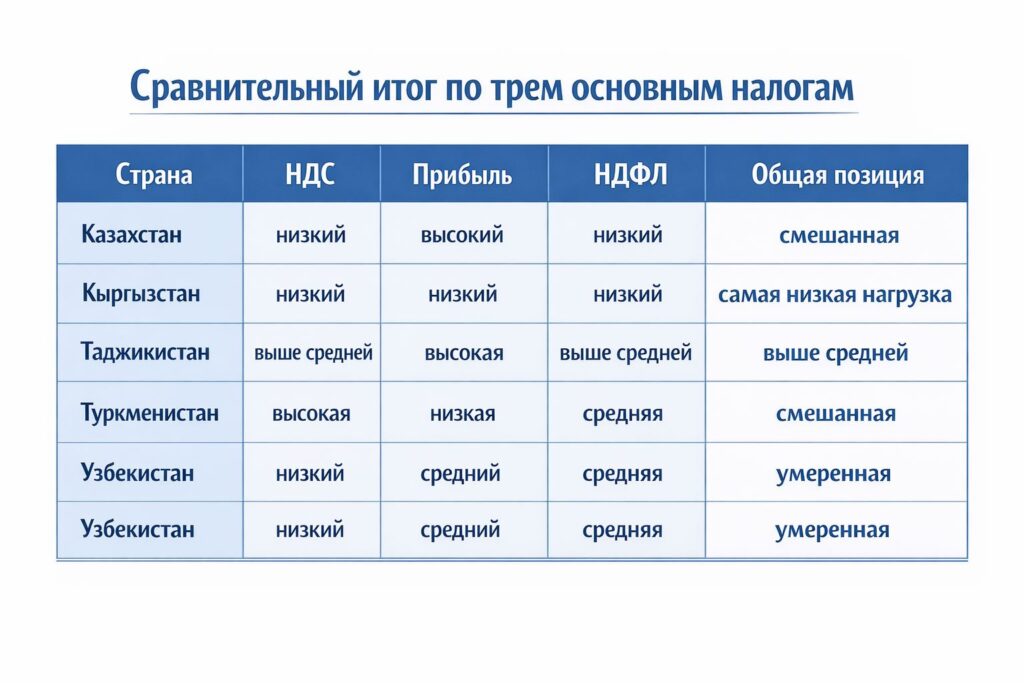
We decided to verify the reliability of the above data based on the rates of the three main taxes (VAT, profit tax, and income tax, which usually form over 60% of tax revenues) of Central Asian countries, as well as the ratio of taxes to GDP.
– standard rate — 15% (certain rates/exceptions may apply for some categories or under special regimes).
VAT:
– standard rate — 12%.
Personal income tax:
– basic rate — 12%.
Infographics asia+
Thus, the lowest cumulative tax burden on the three key rates is in Kyrgyzstan. Tajikistan is above the regional average.
The Share of Taxes in GDP
The ratio of taxes to GDP to some extent shows the tax burden. The higher this indicator, the higher the tax burden is considered to be, and vice versa.
Tax revenues to GDP of CA countries in 2025:
Kazakhstan
Tax revenues — $55 billion;
Nominal GDP — $300 billion;
Tax-to-GDP ratio — about 18.3%.
Kyrgyzstan
Tax revenues — $3.5 billion;
Nominal GDP — $22.6 billion;
Tax-to-GDP ratio — 15.5%.
Tajikistan
Tax revenues – about $4 billion;
Nominal GDP — $19 billion;
Tax-to-GDP ratio — 21%.
Turkmenistan
Tax revenues (not available in the public domain);
Nominal GDP — $72.1 billion;
Tax-to-GDP ratio — unknown.
Uzbekistan
Tax revenues — $20.5 billion;
Nominal GDP — $152.5 billion;
Tax-to-GDP ratio — 13.4%.
As the data show, the highest load is in Tajikistan, the lowest is in Uzbekistan. Kazakhstan and Kyrgyzstan occupy an intermediate position, and additional data is needed for Turkmenistan.
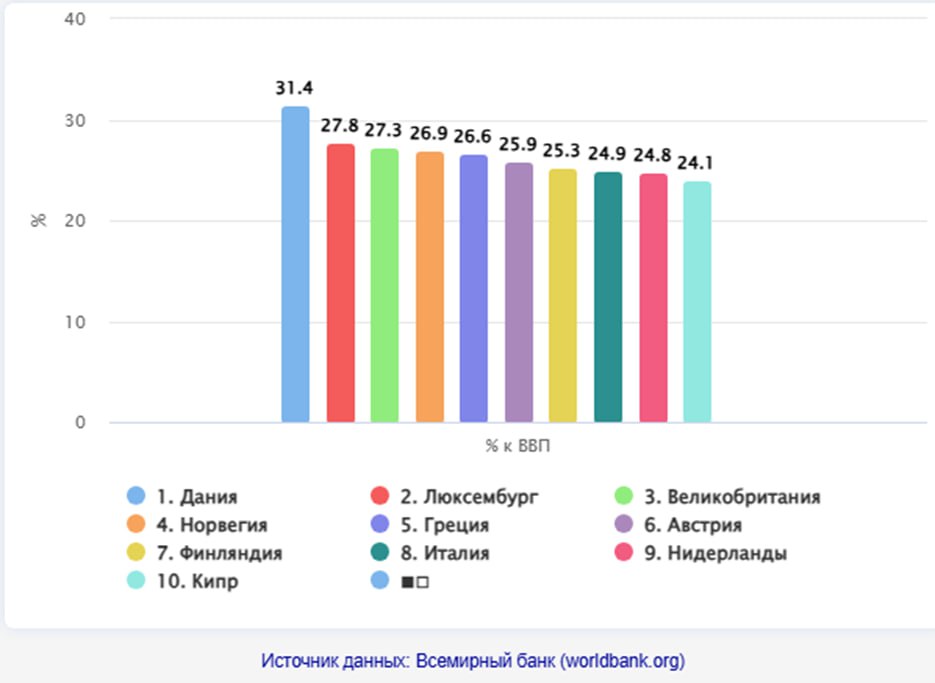
Top-10 countries in the world with the highest share of taxes in GDP. Infographics asia+
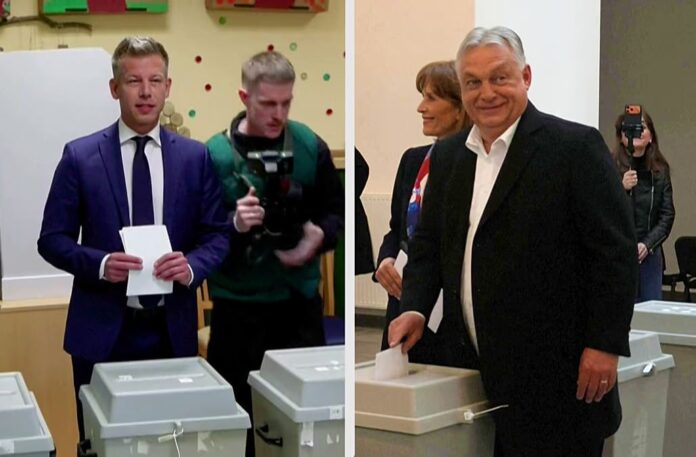
Петер Мадьяр и Виктор Орбан. Фото с сайта euronews.com
Hungarian Prime Minister Viktor Orban conceded defeat in the parliamentary elections on April 12 and stated that his team will continue to serve the country, even while in opposition. He announced this to his supporters that same evening in Budapest, reports DW.
According to Orban, his supporters need to focus on strengthening their own political community.
According to the electoral commission’s data after processing 84.91% of the ballots, the victory is held by opposition politician Peter Magyar and his center-right party “Tisa”. They may secure 138 out of 199 seats in parliament — more than two-thirds. Voter turnout was a record 79%.
Magyar reported that Orban personally called him to congratulate on the victory, which he wrote about on social network X.
European Commission President Ursula von der Leyen welcomed the victory of the opposition party “Tisa”.
“Hungary has chosen Europe. Europe has always chosen Hungary,” she wrote on X.
According to her, “the country is returning to its European path,” and “tonight the heart of Europe beats stronger in Hungary”.
German Chancellor Friedrich Merz joined in the congratulations, stating: “I look forward to cooperation for a strong, secure, and, above all, united Europe.” German Foreign Minister Johann Wadeful noted that Hungarians have chosen change and expressed hope that the country will “once again seize its vast opportunities in Europe”.
French President Emmanuel Macron reported that he has already spoken with Magyar and called for joint work on a “more sovereign Europe”.
Italian Prime Minister Giorgia Meloni congratulated Magyar and wished him success, also thanking Viktor Orban for his cooperation, adding: “I know that even in opposition he will continue to serve his country”.
UK Prime Minister Keir Starmer described the events as a “historic moment” — “not only for Hungary, but also for European democracy,” emphasizing readiness for joint work for security and prosperity.
The confrontation between Orban and Magyar was key in these elections. Orban, who is 62, had led the country since 2010. Meanwhile, 45-year-old Magyar became the first opposition candidate in a long time with real chances of victory.
Among the reasons for dissatisfaction with the current government are issues with infrastructure, healthcare, and education, as well as accusations of corruption. Magyar, in turn, promises to fight corruption, implement systemic reforms, and present a new constitution. Additionally, he advocates for distancing Hungary from Russia and strengthening the country’s role as a reliable NATO partner.
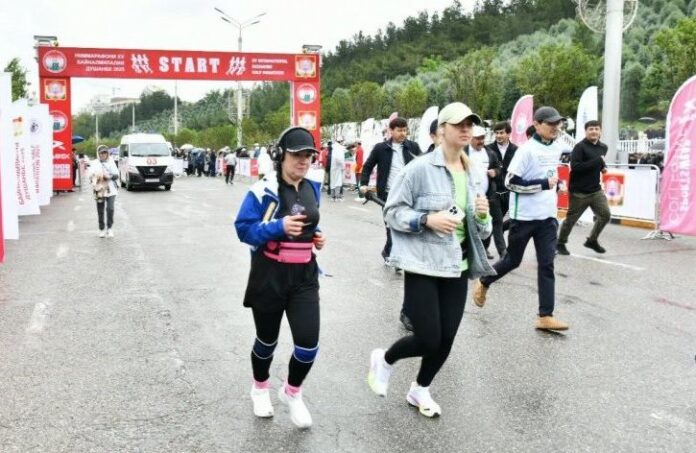
On April 18, the XV International Half Marathon will be held in Dushanbe in honor of the Day of the Capital of Tajikistan. Athletes from both Tajikistan and several foreign countries will participate.
According to the Department of Youth Affairs and Sports of Dushanbe, the race covering a distance of 21 km 97.5 m will start and finish on the highway near “Navruzgoh”. The start is scheduled for 9:00 AM.
The Executive Authority of Dushanbe City will award winners with cash prizes and commemorative gifts funded by its own resources. Prizes are provided for foreign participants from 1st to 6th place, as well as separately for the best local athletes from 1st to 3rd place among men and women.
Participants who take 1st to 6th places among men and women — foreign citizens — will receive the following prizes:
1st place — 33,250 somoni
2nd place — 28,500 somoni
3rd place — 23,750 somoni
4th place — 14,250 somoni
5th place — 12,350 somoni
6th place — 9,500 somoni
Awarding is separately provided for local athletes — citizens of Tajikistan, who showed the best results among men and women:
1st place — 7,700 somoni
2nd place — 5,500 somoni
3rd place — 3,300 somoni
Additionally, to promote athletics, increase its mass participation, and prepare professional athletes, a 5 km amateur race will be organized along Hafiz Sherozi Avenue after the start of the half marathon. Winners who take 1st to 3rd places in the amateur race will be awarded medals and diplomas.
Since 2014, the Dushanbe Half Marathon has been officially included in the calendar of the International Association of Marathons and Distance Races (AIMS), making it part of the global running movement.
Throughout the history of the half marathon, the best results of Tajik athletes have been second place among women and fourth place among men.
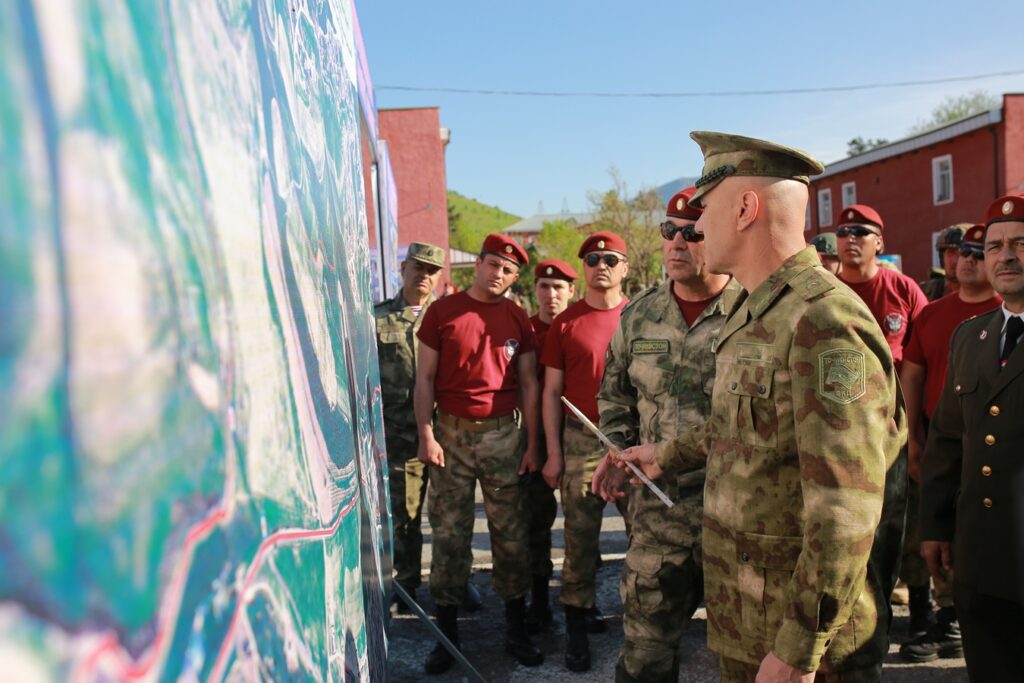
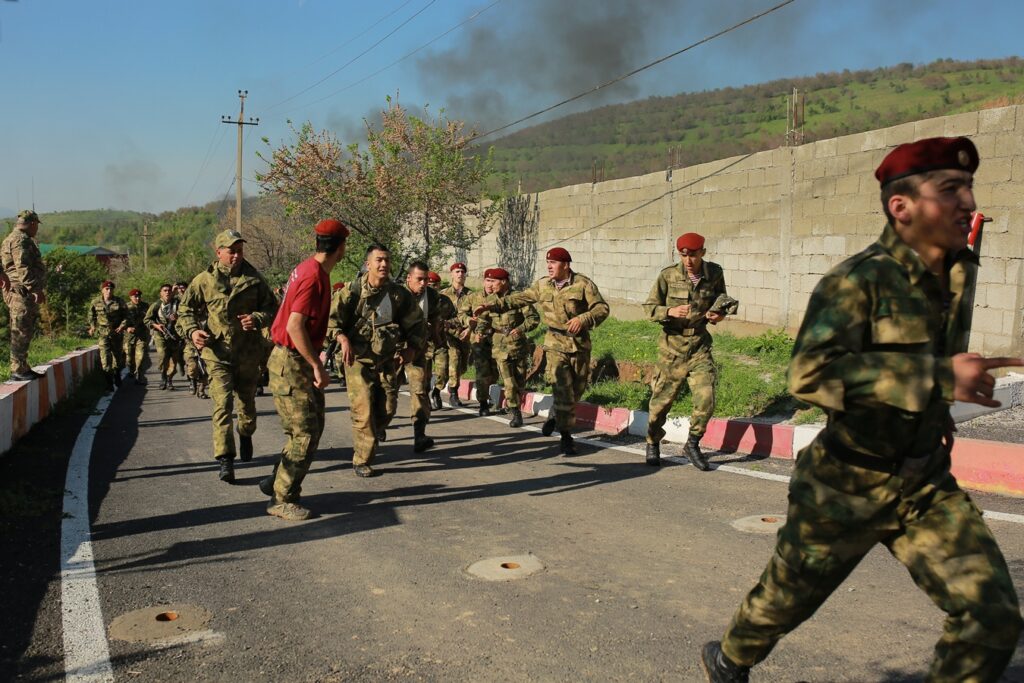
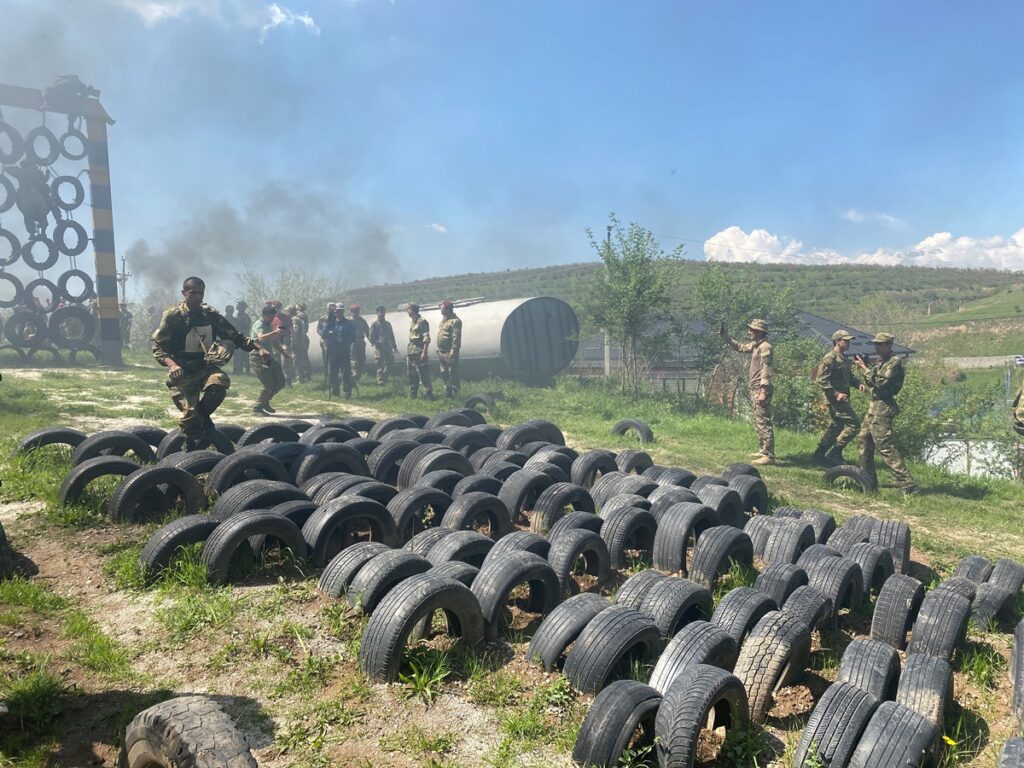
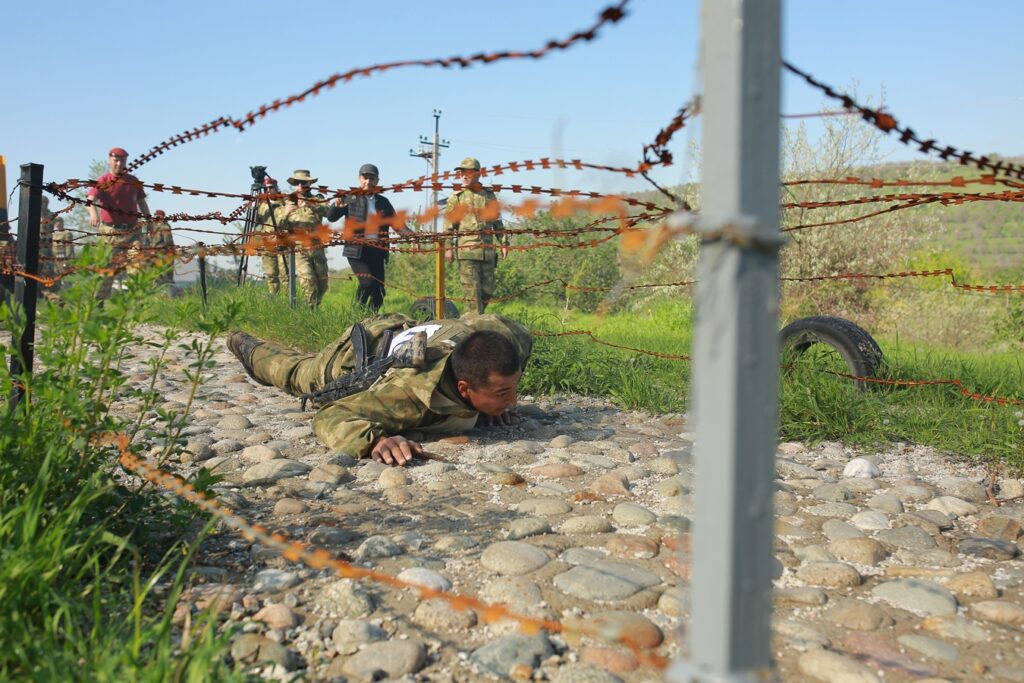
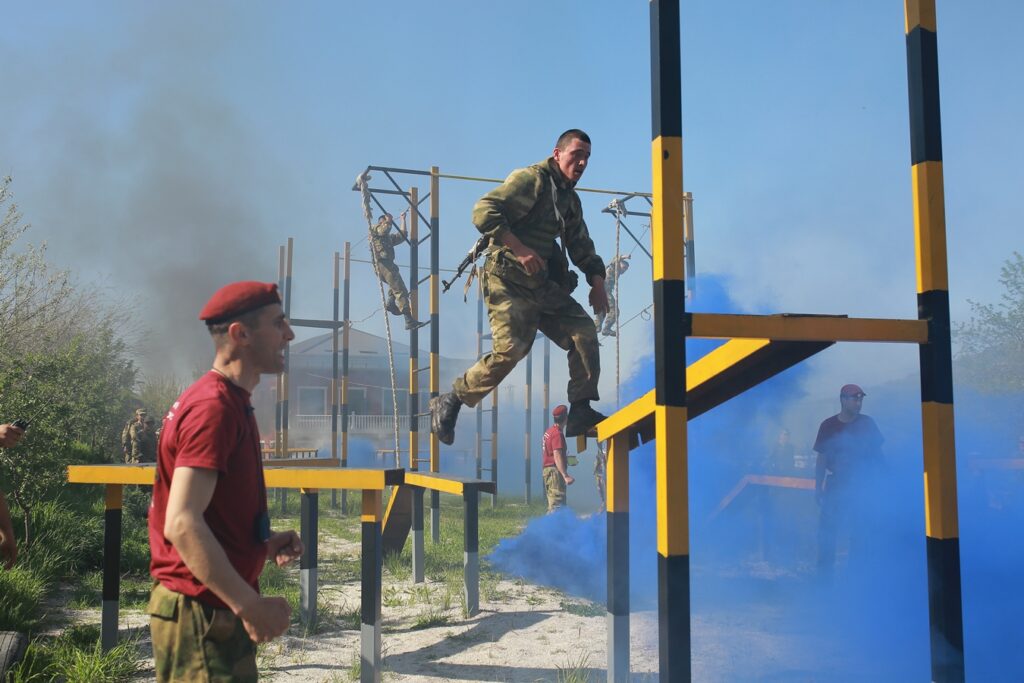
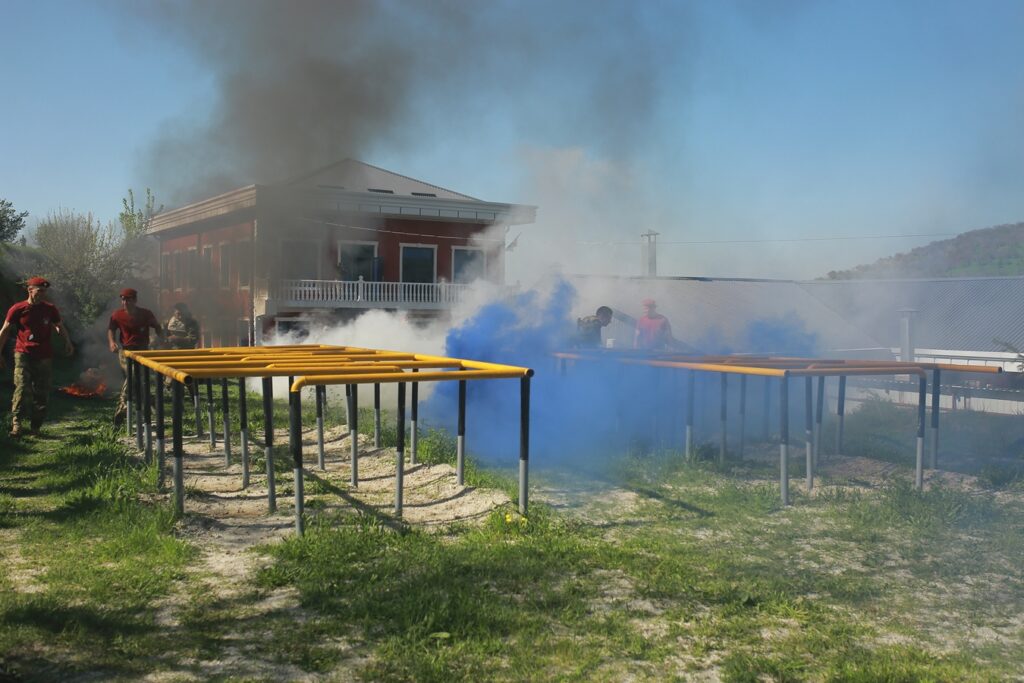
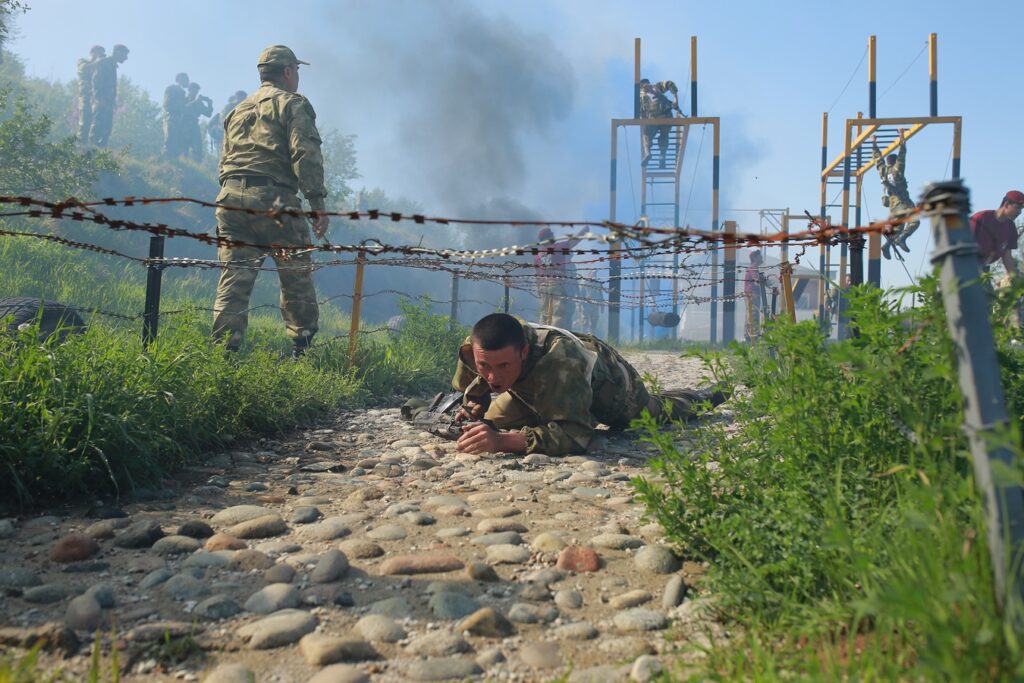
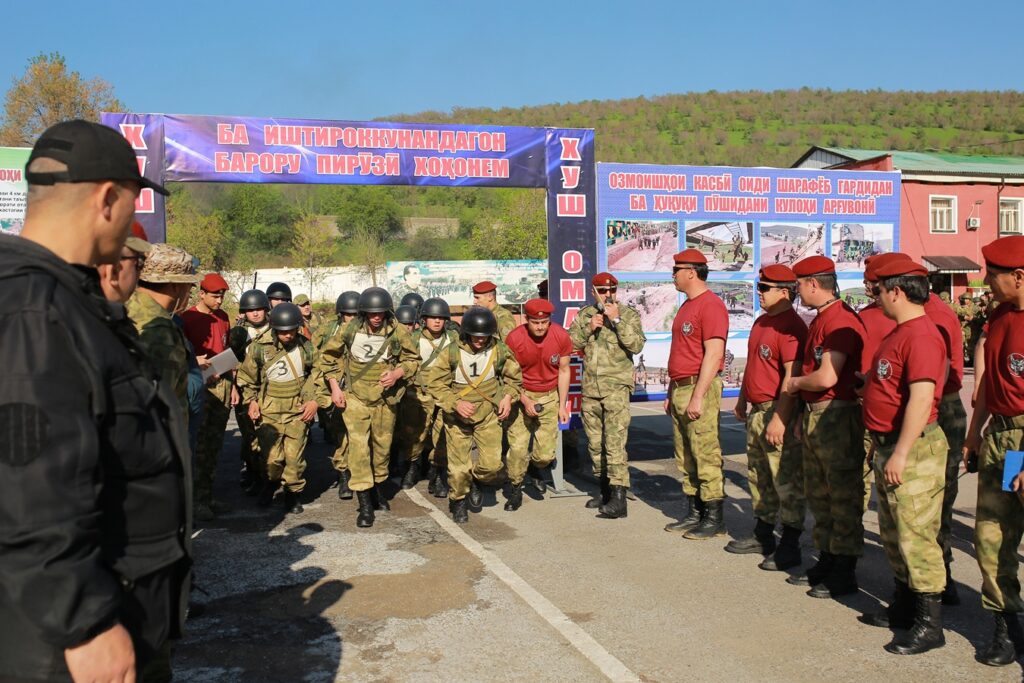
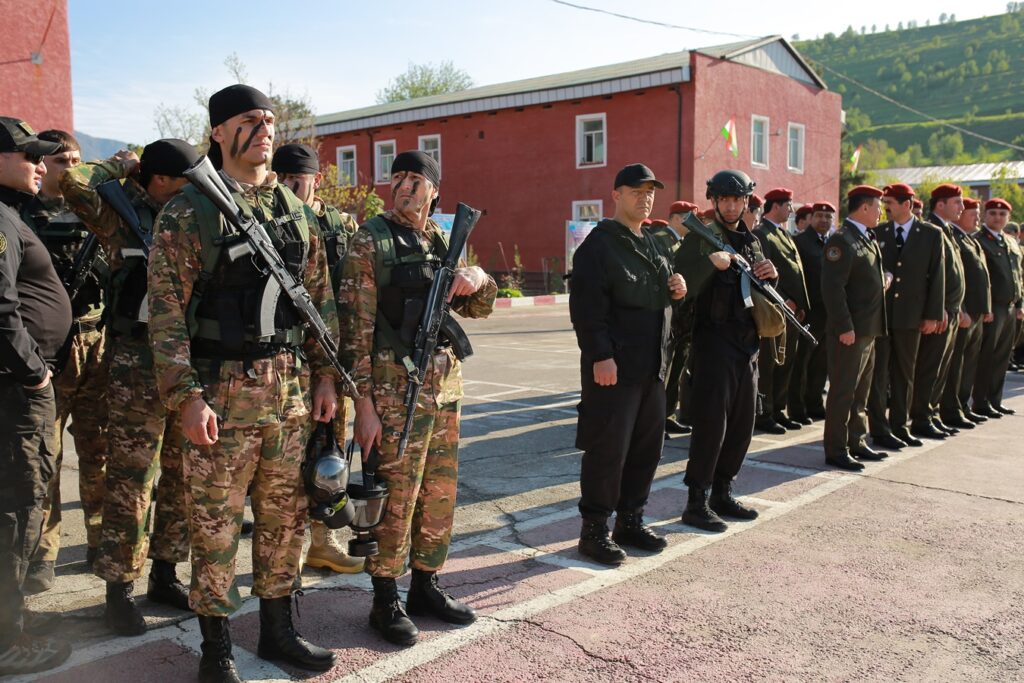
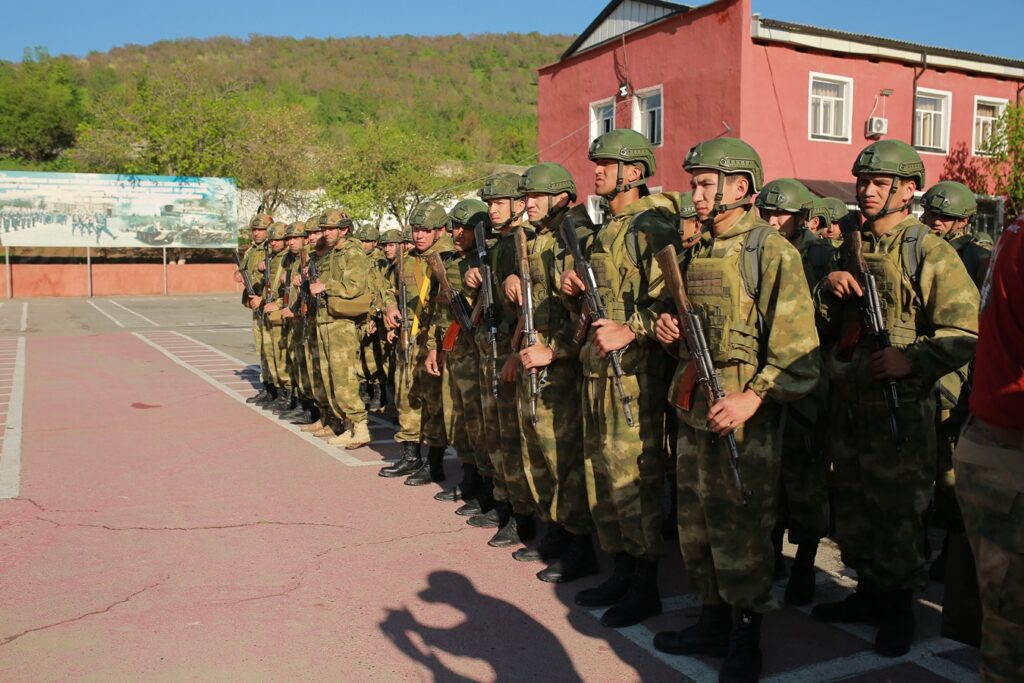
Элитные испытания спецназа Таджикистана. Фото предоставлено Управлением Внутренних войск МВД РТ
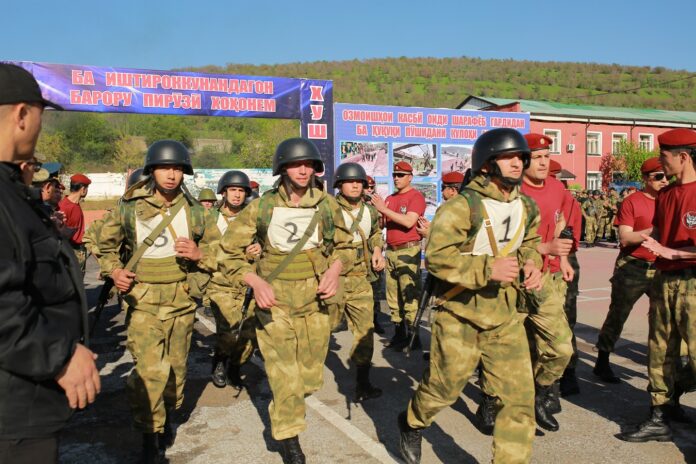
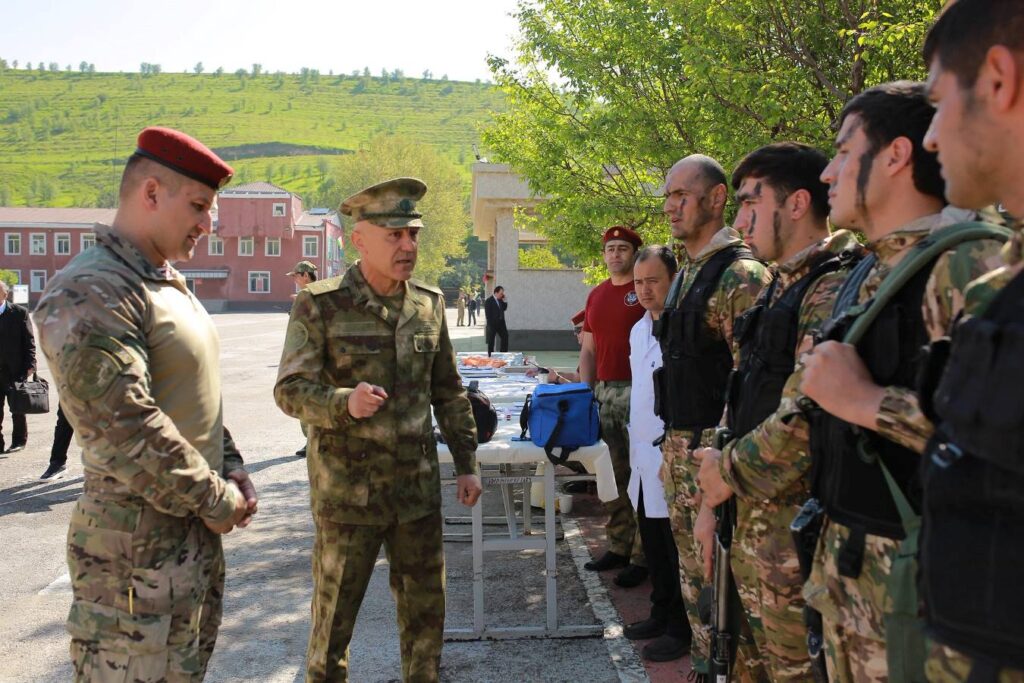
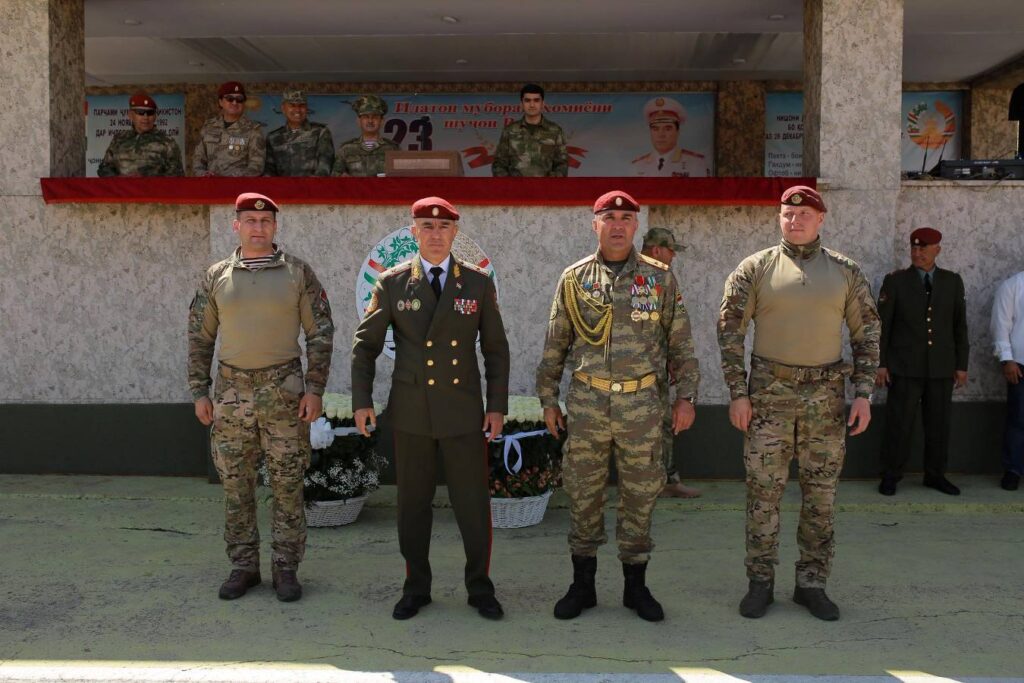
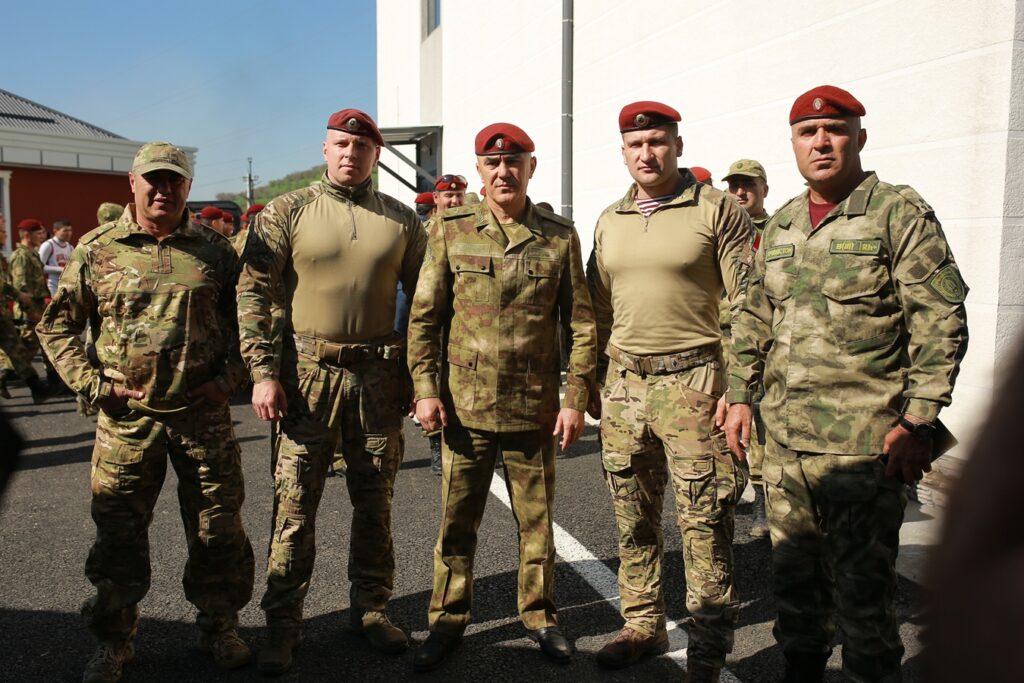
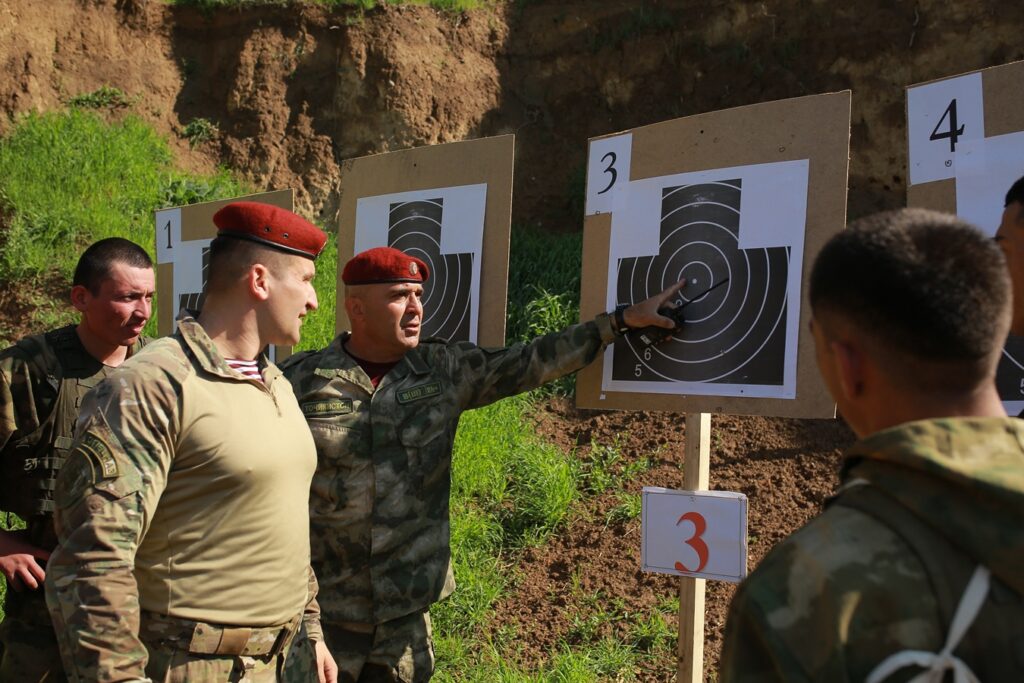
In Tajikistan on April 9-10, an event occurred that can be called historic for the entire internal troops system without exaggeration. For the first time in the country, qualifying tests were held for the right to wear the maroon beret — a symbol of the highest level of training, courage, and professionalism of special forces fighters.
A journalist from “Asia-Plus” managed to attend these tests and see everything with their own eyes — from the first meters of the march to the final hand-to-hand combat, where the fate of each participant was decided.
A Test That Does Not Forgive Weakness
The conduct of such tests was under the personal supervision of the Commander of the Internal Troops of the Ministry of Internal Affairs of the Republic of Tajikistan, Major General Suhrob Raufzoda. A program was developed, the whole system was organized, and control was ensured at every stage.
It is important to note: this was not a formal event. It was a real exam in endurance, character, and professionalism. Out of more than 270 candidates, only 150 were able to pass the preliminary selection, which went on throughout the past week, and gain access to the main test (April 9). This stage already showed how high the bar of requirements was.
Photo provided by the Internal Troops Directorate of the Ministry of Internal Affairs of the Republic of Tajikistan
The tests were conducted in conditions as close as possible to real combat tasks. Each stage was designed to reveal not only the physical strength but also the psychological resilience of the fighter.
Participants had to:
– complete a 10-kilometer march in challenging mountainous terrain in full gear;
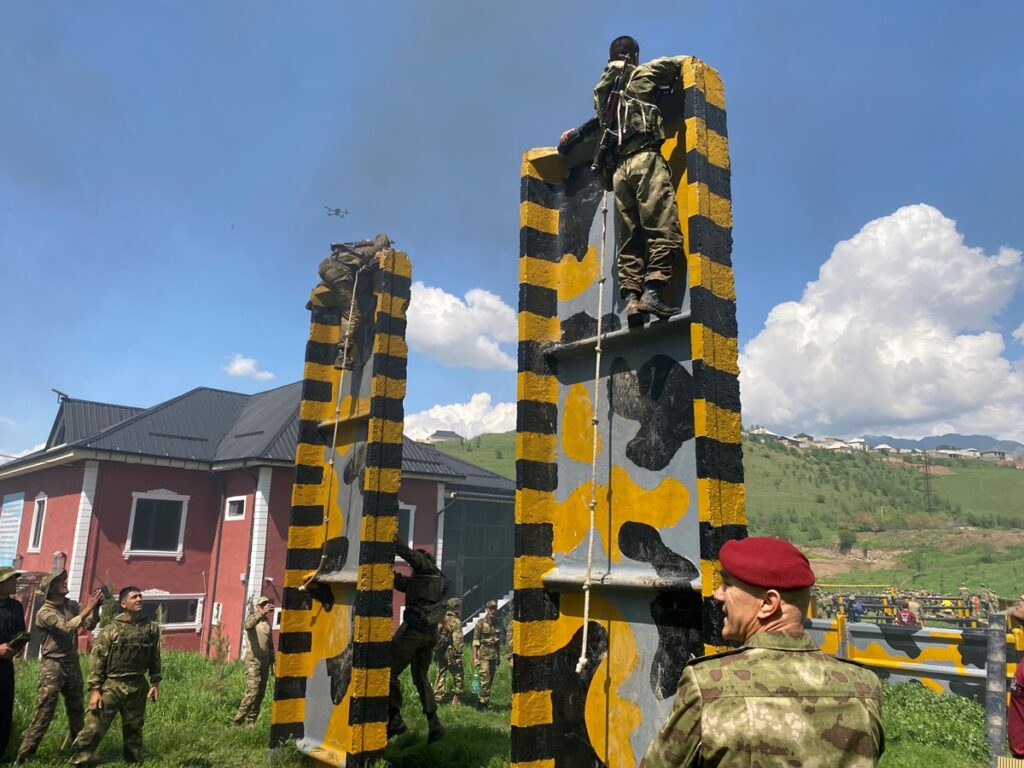
– pass an obstacle course requiring agility, speed, and tactical thinking;
– perform shooting from various types of weapons in a state of extreme physical exhaustion;
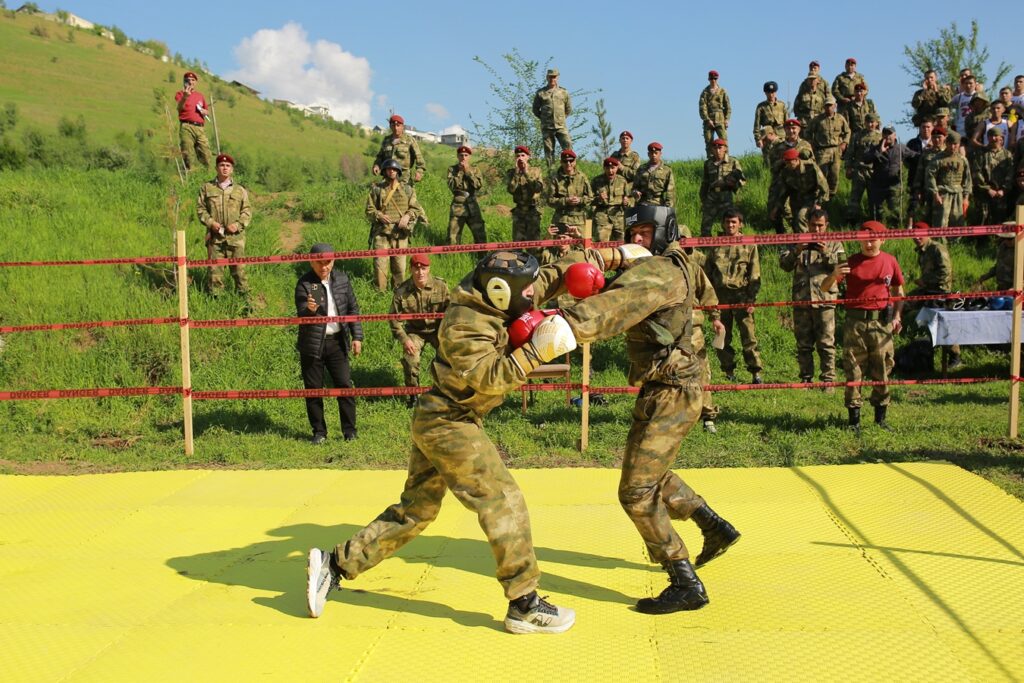
– withstand hand-to-hand combat, which became the final and most rigorous test.
The last stage was particularly impressive. After a multi-kilometer run, with extreme fatigue, the fighters entered sparring matches, where their fate was decided. Here, there was no room for error — only character, only will.
Photo provided by the Internal Troops Directorate of the Ministry of Internal Affairs of the Republic of Tajikistan
“Being in special forces is already serious. But being a holder of the maroon beret is another level, it’s true professionalism. It’s a sign that a person has gone through difficulties and proven their readiness. For the guys, it was their first experience, it was tough, but they managed. This means we have a foundation on which we will continue to build,” said Suhrob Raufzoda in an interview with “Asia-Plus”.
27 out of 150: The Price of the Maroon Beret
The final was extremely tough. Out of 150 participants, only 27 fighters were able to pass all stages and earn the right to wear the maroon beret and badge. These names are now forever inscribed in the history of Tajikistan’s special units.
The maroon beret is not just a part of the uniform. It is a symbol that is associated worldwide with the elite of special forces, with fighters who have endured extreme loads and proven their readiness for the most challenging tasks.
Photo provided by the Internal Troops Directorate of the Ministry of Internal Affairs of the Republic of Tajikistan
“The tests were as close to real conditions as possible. Almost all types of training were involved here — physical, tactical, and psychological. We wanted each stage to be a real test. And those who passed have truly earned this beret,” noted Suhrob Raufzoda.
Observers from Belarus: “Everything is organized at a very high level”
To ensure transparency and compliance with international standards, specialists and observers from the Ministry of Internal Affairs of the Republic of Belarus were invited to the tests. Their assessment was unequivocal: a high level of organization, discipline, and physical training of the Tajik servicemen.
“We arrived in Tajikistan with a delegation to see how the maroon beret tests are conducted. This is the first such experience in the country, and it was important for us to study everything in advance: we went through the route, looked at the obstacle course, evaluated the stages. I can say frankly — everything is organized at a very high level, honestly and competently.
Especially noteworthy is that the terrain here is specific. Mountains, sun, relief — all this creates additional difficulties. The march will be a serious test for the fighters. The obstacle course is not easy either, elements require serious preparation. But it is these kinds of conditions that show the real level of a fighter,” said Deputy Commander of the Special Purpose Brigade of the Ministry of Internal Affairs of the Republic of Belarus, Lieutenant Colonel Yevgeny Narevonchik, to “Asia-Plus”.
Observers from Belarus Timur Kilichev (first from left) and Yevgeny Narevonchik (far right). Photo provided by the Internal Troops Directorate of the Ministry of Internal Affairs of the Republic of Tajikistan
“It is a great honor for us to be invited to the Republic of Tajikistan as observers. We represent the maroon movement of Belarus and can confidently say: for the first time, the tests for the right to wear the maroon beret were conducted at a very high level here.
First of all, I would like to note the organization. The preparation of the training and material base, the clarity of the stages, the discipline of the fighters — everything meets high standards. It is especially significant that the commander of the internal troops personally accompanies the process, is with the fighters, supports them at every stage. This creates the right atmosphere and shows a serious attitude towards the matter.
All tests are conducted strictly according to the regulations, in full, and in conditions as close to combat as possible. This is the exact format that such exams should have. The impressions are exclusively positive,” said Timur Kilichev, Deputy Commander of Military Unit 3214 for Combat Training of the Ministry of Internal Affairs of the Republic of Belarus, to “Asia-Plus”.
Photo provided by the Internal Troops Directorate of the Ministry of Internal Affairs of the Republic of Tajikistan
In fact, Tajikistan conducted tests for the first time that correspond to the best practices of countries where the maroon beret has a long history.
“The most difficult stage in such tests is undoubtedly the march. I have taken it myself and know how hard it is. If you lack endurance, the main difficulties begin precisely on the march. In the mountains, in such weather, over distances — it is a real test of character. Shooting is anxiety, hand-to-hand combat is emotions, everything happens quickly. But the march is patience. Whoever endures the march will show themselves.
Separately, I want to note the work of the commander of the internal troops. You can see that he is fully involved, is with the fighters, controls every stage, supports. This is very important. When the commander leads the way, the fighters gain confidence. And the very fact of coming out for such tests is a victory. The rest is a matter of time and preparation,” added Yevgeny Narevonchik.
Photo provided by the Internal Troops Directorate of the Ministry of Internal Affairs of the Republic of Tajikistan
Indeed, the role of Suhrob Raufzoda deserves special attention. In essence, he became not only the initiator but also the main ideologist of this project. Under his leadership, a system was built: from the regulations on combat distinction signs to the formation of the commission, methodology of tests, and involvement of international experts.
Moreover, as noted by the participants and organizers, the general personally monitored the progress of the tests, was present at the training ground, and ensured all requirements were met. Thanks to this approach, trust in the result was achieved.
“These are just the first steps. We have made an important start, and we can already say that a new tradition has appeared in the country. The next stage will take place in the fall, and I am sure the level will be even higher. The guys already understand the requirements, will prepare, and the results will be even stronger,” said Suhrob Raufzoda.
Photo provided by the Internal Troops Directorate of the Ministry of Internal Affairs of the Republic of Tajikistan
A New Tradition for the Country
Timur Kilichev also specifically noted the complexity of the marching stage.
“In Tajikistan, the specific mountainous terrain, plus weather conditions — rain, clay — all this seriously complicates the task. Nevertheless, the fighters show a worthy level and cope with the loads. The hand-to-hand combat is also at a high level. It is evident that many have a basic preparation — freestyle wrestling, sambo, which allows them to act confidently even after serious physical tests.
In general, I can say: the internal troops of Tajikistan are not standing still. During our stay, we saw how the training system is developing, modern approaches are being implemented, international experience is being taken into account. Including the active development of unmanned aviation direction, the improvement of the combat training program.
I wish the Tajik special forces further development. The maroon movement in Tajikistan will definitely grow. Special forces are a force, and it is evident that this force is being formed correctly,” noted Timur Kilichev.
Photo provided by the Internal Troops Directorate of the Ministry of Internal Affairs of the Republic of Tajikistan
The maroon beret test was timed to the 33rd anniversary of the formation of the Internal Troops of the Ministry of Internal Affairs of the Republic of Tajikistan, as well as to the Day of Internal Troops of the Ministry of Internal Affairs of the Republic of Tajikistan, which is celebrated annually on April 10, giving the event special symbolism.
But the main thing is that this is just the beginning. It has already been announced that such tests will be conducted twice a year in the future — in spring and autumn, which essentially forms a new tradition and a new standard of preparation for special units. The maroon beret in Tajikistan is a badge of distinction, behind which are kilometers, pain, struggle, and victory over oneself.
Photo provided by the Internal Troops Directorate of the Ministry of Internal Affairs of the Republic of TajikistanPhoto provided by the Internal Troops Directorate of the Ministry of Internal Affairs of the Republic of TajikistanPhoto provided by the Internal Troops Directorate of the Ministry of Internal Affairs of the Republic of TajikistanPhoto provided by the Internal Troops Directorate of the Ministry of Internal Affairs of the Republic of TajikistanPhoto provided by the Internal Troops Directorate of the Ministry of Internal Affairs of the Republic of TajikistanPhoto provided by the Internal Troops Directorate of the Ministry of Internal Affairs of the Republic of TajikistanPhoto provided by the Internal Troops Directorate of the Ministry of Internal Affairs of the Republic of TajikistanPhoto provided by the Internal Troops Directorate of the Ministry of Internal Affairs of the Republic of Tajikistan
After the Tests: A Celebration of Courage and Recognition
If April 9 became the final day of extreme loads and endurance tests, then the next day, April 10, events took on a ceremonial and symbolic character. After the exam at the testing ground, the country saw another side of these days — a side of recognition, respect, and pride for its defenders.
A military-cultural gathering was held at the State Academic Opera and Ballet Theater named after Sadriddin Aini in Dushanbe. This became a continuation of those events that unfolded just a day before at the test site.
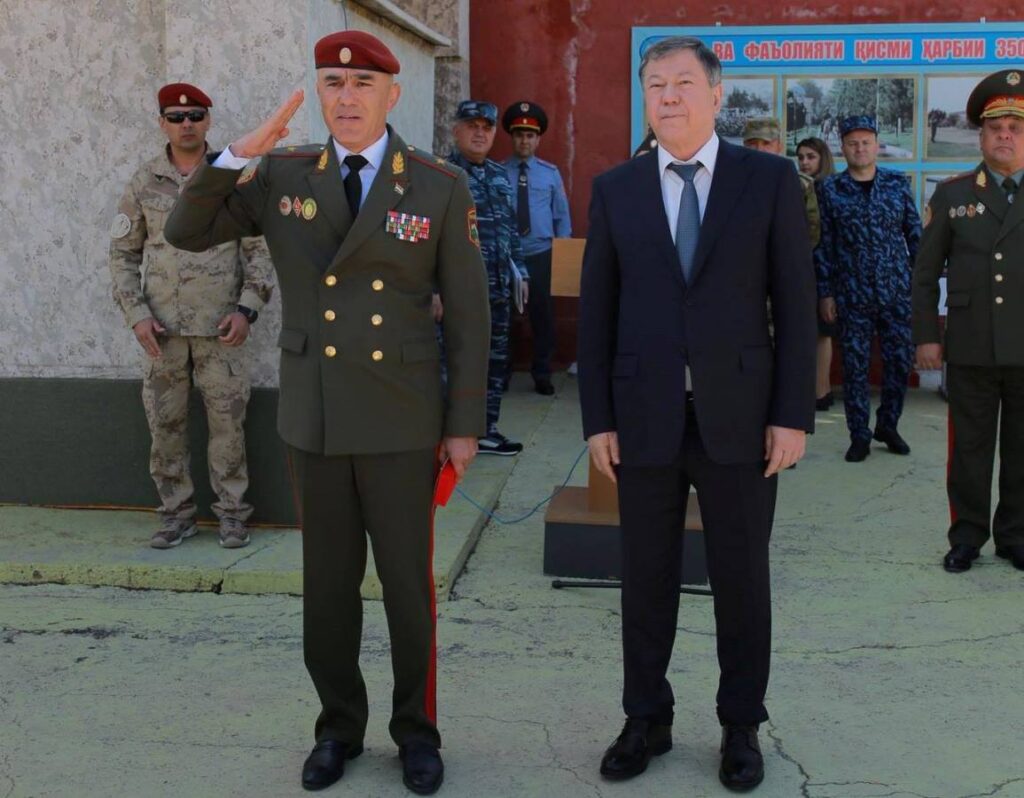
The solemn event was attended by the Minister of Internal Affairs of the Republic of Tajikistan Colonel-General Ramazon Khamro Rahimzoda, Deputy Chairman of Dushanbe Dilbar Rahim Odilzoda, the leadership of the Ministry of Internal Affairs, the command of the Internal Troops, as well as domestic and foreign guests.
Opening the event, the Minister of Internal Affairs Ramazon Rahimzoda delivered a comprehensive report, in which he paid special attention to the historical path of the Internal Troops — from their formation in difficult years to the present day. In his speech, he emphasized that these units remain a reliable support of the state for decades.
Suhrob Raufzoda and Ramazon Rahimzoda. Photo provided by the Internal Troops Directorate of the Ministry of Internal Affairs of the Republic of Tajikistan
“From the first days of formation to the present day, the Internal Troops have been a reliable shield of the constitutional order and a firm support of the state and nation,” noted the minister.
Special words were addressed to those who had passed one of the most challenging tests in their service. The officers and soldiers awarded the maroon beret became a symbol of a new stage in the development of the country’s special units.
The minister congratulated the entire personnel, veterans, and current servicemen, emphasizing the importance of their role in ensuring stability, security, and order in the country, and expressed confidence in the further strengthening of the combat potential of the Internal Troops.
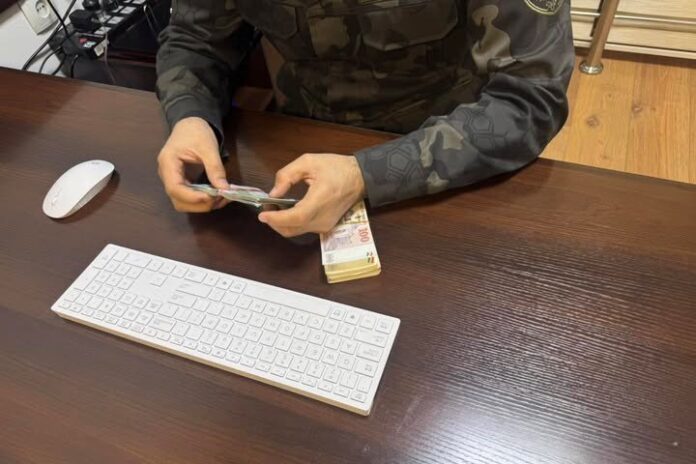
Иллюстративное фото со страница Антикоррупционного агентства РТ
The Agency for State Financial Control and Combating Corruption of Tajikistan has submitted a criminal case to court against an employee of the military commissariat of the Jabbor Rasulov district of the Sughd region.
As reported by the press center of the Agency, A. Sattorzoda, who has held the position of officer for territorial defense of the mobilization unit of the military commissariat of the Jabbor Rasulov district since February 21, 2025, received 15,000 somoni for granting a deferral from service to one of the conscripts and for his non-passage of the military medical commission.
“He received the specified amount directly in the building of the Military Commissariat and used it for personal purposes,” the agency’s statement said.
It is not specified who transferred the money to the officer.
In this regard, a criminal case was initiated against A. Sattorzoda under part 1 of article 391 (“Abuse of power or official position, exceeding official or service powers or inaction of power”) of the Criminal Code of the Republic of Tajikistan. After the investigation, the case with the approved indictment was sent to court for consideration on the merits.
The maximum penalty under the specified article is a fine ranging from 250 to 912 calculation indicators, or restriction of military service for up to two years, or imprisonment for up to five years.
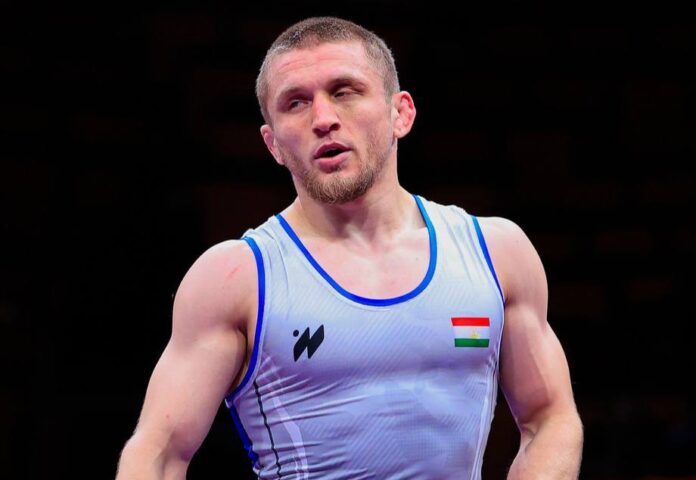
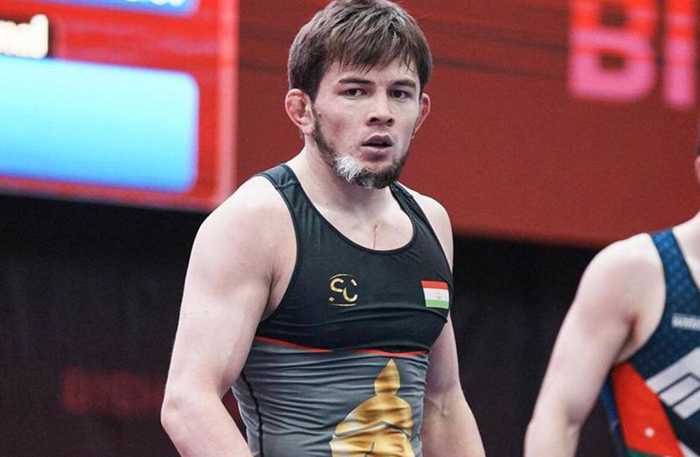
The Tajikistan freestyle wrestling team won two medals at the Asian Championship in Bishkek — in addition to Abdulmajid Kudiyev’s bronze, another award was added: third place in the 74 kg weight category was claimed by Mustafa Akhmedov.
In the decisive match for the bronze medal, Akhmedov secured a victory over Uzbekistan’s representative Begijon Kuldashev — 7:6. The encounter was dramatic and evenly matched, but in key moments the Tajik wrestler was more precise and composed, which earned him the award.
Akhmedov’s path to the medal was not easy. He began the tournament with a confident victory over Nepalese athlete Suresh Chunara (10:0), but in the quarterfinals, he lost to Bahrain’s representative Magomedrasul Asluev (1:3). Nevertheless, thanks to his opponent reaching the final, Akhmedov got the chance to continue competing through the repechage matches — and he used it most effectively.
Mustafa Akhmedov. Photo: UWW
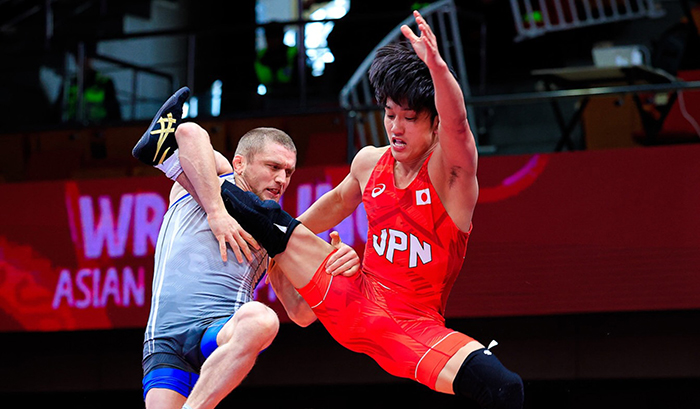
The first bronze for Tajikistan at this tournament was won by Abdulmajid Kudiyev in the 65 kg category. In the match for third place, he defeated Kyrgyzstan’s Rustamjan Kaharov (10:7). Kudiyev started the tournament from the quarterfinals, defeating Japan’s Takara Suda with a score of 9:0. In the semifinals, the Tajik wrestler faced Indian athlete Sujit and lost with a score of 2:7.
Somon Ikromov (79 kg) was also close to a medal, reaching the match for third place but losing to Kyrgyzstan’s representative Jakshylyk Baitashov (0:6). Athletes Aiaal Belolyubsky (57 kg), Viktor Rassadin (70 kg), Bahodur Kodirov (86 kg), Ismoil Kartoev (92 kg), and Rahmon Mahmadbekov (97 kg) were stopped in the early stages of the tournament.
Abdulmajid Kudiyev. Photo: UWW
Thus, as a result of the freestyle wrestling competition, the Tajikistan team won two bronze medals, which can be considered a commendable result amid stiff competition from leading Asian schools — Iran, Japan, India, Kazakhstan, and Uzbekistan. The Asian Championship in Bishkek gathered about 350 wrestlers, who contested 30 sets of awards in three styles.
As for the representatives of Tajikistan’s Greco-Roman wrestling, none managed to reach the podium. In the 67 kg weight category, Sunatullo Abdulloyev lost in the opening match to Iran’s Ahmadreza Saifollah Mohsennajod with a score of 0:10. In the 72 kg category, Loik Amirkhonzoda lost to Japan’s Taishi Narikuni with a score of 2:11 in the qualifying stage.
In the 77 kg weight class, Alisher Ruzimadov had a competitive match against China’s Kalisan Bahean, but lost with a score of 6:9.
The most challenging path was for Muhammad Sultonzoda in the 87 kg category. He lost to Iran’s Gholamreza Javad Farahisanjani with a score of 0:9. His opponent reached the final, allowing the Tajik wrestler to continue competing in the consolation round, but there Sultonzoda was also defeated — by Uzbekistan’s athlete Mukhammadkodir Rasulov (0:9).
In the overall standings of the Asian Championship, Tajikistan placed 13th with 2 medals:
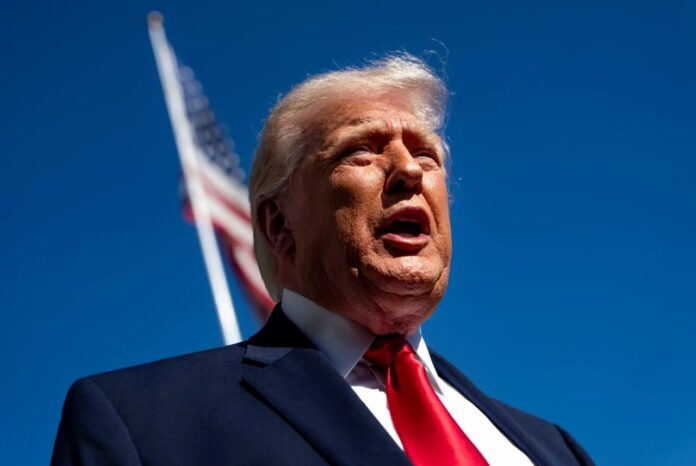
U.S. President Donald Trump announced that the United States Navy is “beginning a blockade of any ships trying to enter or exit the Strait of Hormuz.” He wrote about this in his post on Truth Social.
“I have also ordered our Navy to search and intercept every vessel in international waters that has paid tribute to Iran. No one paying illegal tribute will have safe passage on the open sea. We will also begin to destroy the mines laid by Iranians in the straits. Any Iranian who fires at us or at civilian ships will be blown to smithereens!” Trump threatened.
According to him, “the blockade will begin shortly” and other countries will join it.
Speaking about the results of the U.S.-Iran negotiations in Islamabad on April 11-12, Trump noted that “in many ways, the agreements reached are better than continuing military operations to the end,” but the parties were unable to agree on the most important issue – Iran’s nuclear program.
In an interview with Fox News, he again threatened to strike Iran’s civilian infrastructure if Tehran refuses to accept Washington’s terms for resolving the conflict. Trump noted that the U.S. has “practically destroyed the entire country” and is ready to deliver a “very destructive” blow to the water-energy infrastructure.
“I would not want to do that, but it’s their water, their desalination plants, their power plants that we could very easily hit. We could disable them all so that they won’t have electricity for 10 years because it takes a decade to build these plants from scratch,” the U.S. president stated.
At the same time, Trump believes that Iran will eventually return to the negotiating table and accept all U.S. terms because “they [the Iranians] have no trump cards.”
Two-Week Ceasefire and Failed Negotiations
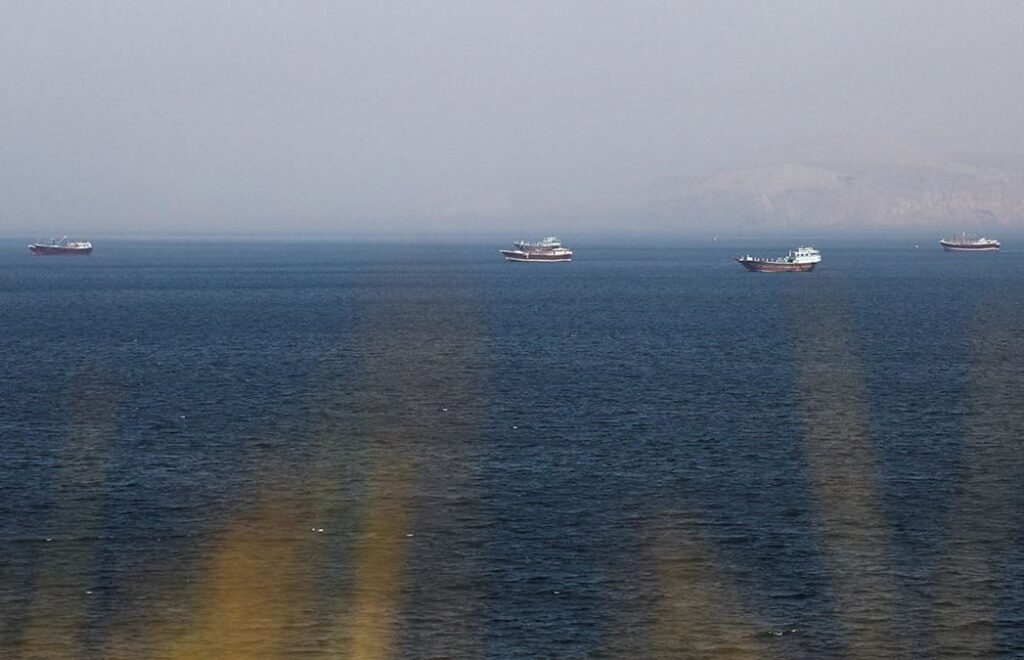
On the night of April 8, the U.S. and Iran agreed to a two-week ceasefire. One of the conditions for the temporary truce was the opening of the Strait of Hormuz, through which about 20% of the world’s oil supplies pass. On the first day after the agreements were reached, Iran allowed several ships to pass, but then closed the strait again due to ongoing Israeli strikes on Lebanon.
The Strait of Hormuz. Photo: Amr Alfiky / Reuters
On April 11-12, more than 20-hour negotiations between the Iranian and U.S. delegations took place in Islamabad with Pakistan’s mediation, resulting in the parties failing to reach a peace agreement.
“We just couldn’t reach a situation where the Iranians would accept our conditions,” said U.S. Vice President J.D. Vance following the negotiations.
He noted that during the Islamabad talks, the American side was unable to secure a commitment from the Iranians on the key issue of not developing nuclear weapons in the future.
The Iranian Foreign Ministry, in turn, stated that the parties reached mutual understanding on several issues, but there remained disagreements on “two or three key issues.” These include the U.S.’s demand for the removal of enriched uranium from Iran and the issue of control over the Strait of Hormuz.
After the unsuccessful conclusion of the talks, the Islamic Revolutionary Guard Corps (IRGC) announced that the Strait of Hormuz is under Iran’s full control and any attempt by enemy warships to pass through it will be met with fire.
“The enemy will find themselves in a deadly vortex in the strait if they make a wrong move,” the IRGC statement was quoted by BBC.
Speaker of the Iranian Parliament Mohammad Bagher Ghalibaf, who led the Iranian delegation in Islamabad, stated that Tehran will not yield to Trump’s threats of a naval blockade of the Strait of Hormuz.
“If they fight, we will fight, and if they act logically, we will act logically. We will not succumb to any threats; let them test our will once more so we can teach them an even more serious lesson,” he said.
Iranian Foreign Ministry spokesman Esmail Baghaei stated that “diplomacy never ends,” indicating that Tehran is not in a hurry to conclude an agreement with the U.S.
“It was not expected that we could reach an agreement in one round of negotiations. I don’t think anyone had such expectations,” he said.
Whether the next round of negotiations will take place and when it might occur remains unclear.