Home Blog Page 59

Increase in rapes in Tajikistan, but decrease in murders and abductions in 2025

0

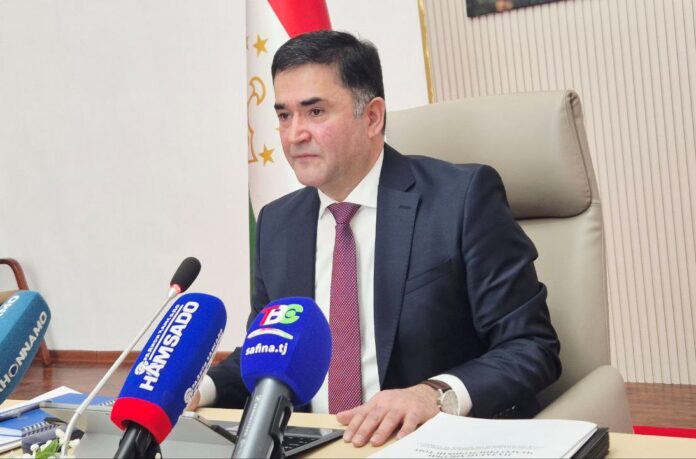
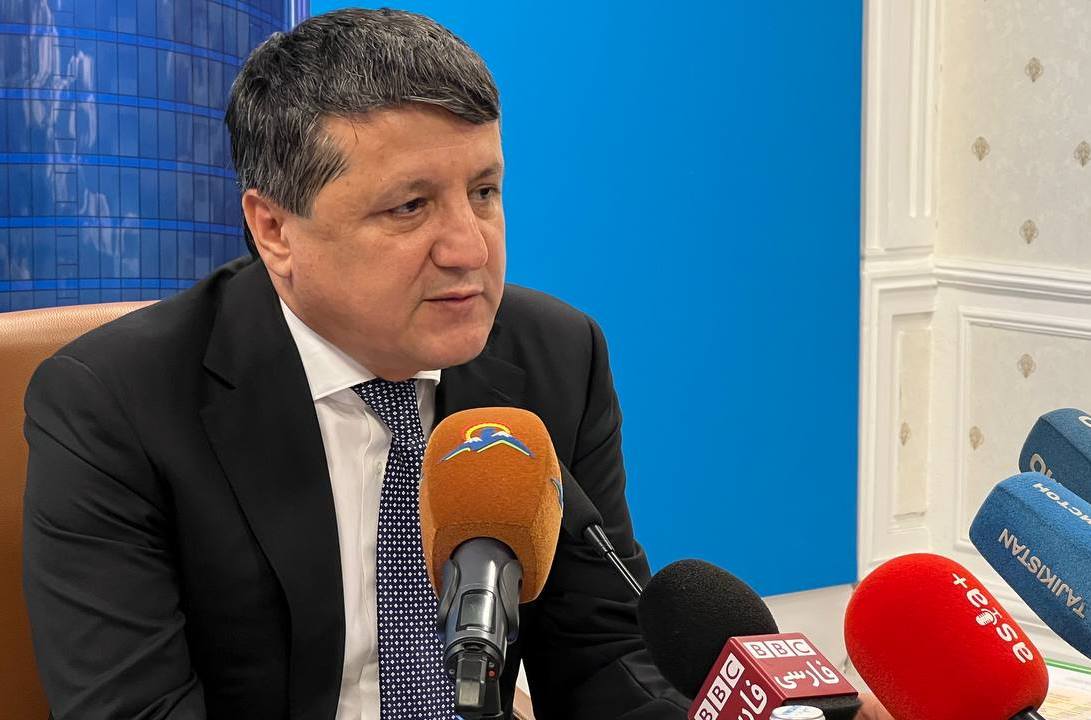
In 2025, Tajikistan registered 23,448 crimes, an increase of 1,134 cases compared to 2024, when the number was 22,314. This was reported by the Ministry of Internal Affairs of Tajikistan, Ramazon Rahimzoda, at a news conference in Dushanbe on February 12.

According to the ministry, the crime clearance rate last year was 78%.

The number of reported rapes, robberies, and illegal drug trafficking cases increased, while murders, abductions, and hooliganism declined. Specifically, the following crimes were registered:

·         Murders and attempted murders: 74 (compared to 75 in 2024)

·         Robberies: 32 (compared to 28)

·         Thefts: 107 (compared to 86)

·         Rapes: 49 (compared to 41)

·         Intentional infliction of grievous bodily harm: 119 (compared to 117)

·         Hooliganism: 1,559 (compared to 1,663)

·         Abductions: 9 (compared to 10)

·         Illegal possession and manufacturing of weapons: 26 (compared to 31)

·         Corruption crimes: 56 (compared to 61)

·         Illegal drug trafficking, production, and transportation: 905 (compared to 745)

·         Fraud: 3,857 (compared to 3,480)

·         Thefts: 3,902 (compared to 3,858)


Increase in road traffic accidents

Interior Minister Ramazon Rahimzoda also reported a rise in road accidents and the number of fatalities caused by traffic incidents. According to Rahimzoda, in 2025, Tajikistan registered 1,373 road accidents, resulting in 643 deaths. Another 1,542 people were injured in these accidents.

In 2024, 1,233 traffic accidents occurred, resulting in 552 deaths. 

9-year-old schoolchild killed in wolf attack in GBAO’s Shugnan district

0
Wolf

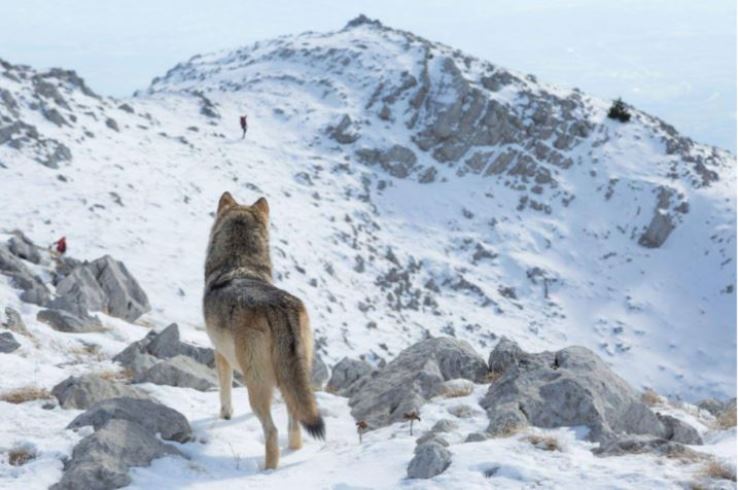
A 9-year-old girl has died following a wolf attack in a village Shugnan district of the Gorno-Badakhshan Autonomous Region (GBAO). 

According to local authorities, the incident occurred on February 9 in a village, part of the Wanqala jamoat. A hungry wolf reportedly attacked the girl, who was on her way to school, in the early hours of the day.

While further details of the incident were not disclosed, local authorities confirmed that the regional governor issued instructions to district leaders to ensure that schoolchildren in mountainous areas are accompanied by adults on their way to school.

Additionally, it was recommended that any sightings of wolves near populated areas be immediately reported to the relevant authorities.

This is not the first time a wild animal attack has resulted in fatalities in this area. In recent years, the wolf population in the region has grown, and hungry predators are frequently forced to enter populated areas during the winter.

During the winter months, the risk of wolf and other wild animal attacks increases in the Gorno-Badakhshan Autonomous Region, where food shortages often drive predators closer to human settlements.

Tajik authorities noted on December 17, 2019 that wolf population has increased more than eight times over the past nearly 30 years.

The GBAO administration press center said in late 2019 that the number of wolves has increased in the region and they have become posing threat to the population.

There have been deadly wolf attacks reported in the region over the past decade. 

In early 2013, separate wolf attacks killed an elderly woman and severely injured another elderly woman in the Navobod jamoat, Shugnan district.

In July 2017, wolves killed a 3-year-old child in the Wanqala jamoat, Shugnan district. In 2018, wolves killed two women and injured several other people in GBAO.

At least three people, including two children, were attacked by wolves in the Suchan jamoat alone of Shugnan district in 2019.   In January 2019, a wolf attacked a five-year-old boy in the village of Dashtak, some nine kilometers to the east of Khorog, the administrative center of the GBAO, in the daytime.  People came in time to help and the wolf left the boy and ran away. In February 2019, a wolf has attacked a police officer in the Dashtak village in the evening.  Neighbors have reportedly come in time and saved him.  In the same month, wolf attacked a 6-year-old boy in the neighboring village of Sipindz in the daytime.  Relatives managed to save the boy.    

On October 1, 2023, a 48-year-old resident of Yakhchwol village in GBAO’s Ishkashim district was attacked by a wolf early in the morning of October 1, 2023 right in front of his house.   He was reportedly saved by neighbors who came running to his screams.  

Local residents say they have just pitchforks and shovels to fight wolves when necessary. The Tajik authorities confiscated the hunting rifles of villagers in the Gorno Badakhshan Autonomous Region several years ago.

How to connect to Starlink in Tajikistan: costs, registration, and limitations

0
istockphoto

The official launch of Starlink in Tajikistan has opened access to satellite internet even in the most remote areas of the country. This article provides a detailed guide on how to order the terminal, the monthly subscription costs, where to register the equipment, who can use it, and when it makes sense to switch to satellite internet instead of mobile or fixed-line options.

All these details were shared with Asia-Plus by specialists from Tajiktelecom, the official Starlink partner in Tajikistan.

How to Connect to Starlink in Tajikistan: What to Do, Where to Go, and What Documents Are Needed?

Anyone interested can order the Starlink equipment via the official website at starlink.com based on their needs and choose the appropriate tariff. After receiving the equipment, users must visit a Tajiktelecom service office for registration.

For those with already installed Starlink equipment, registration should be completed before March 1.

Equipment registration is necessary for the legal use of the satellite terminal in the country and to link the device to a specific user or organization.

When visiting the office, the following documents are required:

·         Passport (for individuals);

·         Registration documents (for legal entities);

·         Serial number of the Starlink equipment.

The registration process is notification-based and not a licensing procedure in the traditional sense.


Do you need permission from regulators, and are there any licensing restrictions?

There are no additional restrictions for using a single unit of equipment. However, if multiple units of Starlink are used, additional permission from the Communications Service is required.

"Multiple units" typically refers to installations within a single project, facility, or network, such as a school, community center, enterprise, or multiple buildings. In such cases, usage may be considered as part of a telecommunications infrastructure rather than a personal connection, requiring further approval.


Who can install and use Starlink in Tajikistan?

Individuals, sole proprietors, and legal entities are all eligible to use Starlink without any restrictions on user categories. There are no differences in service conditions, although additional documents may be required during registration for legal entities and sole proprietors, such as:

·         Certificate of registration;

·         Taxpayer Identification Number (TIN);

·         Legal address;

·         Person responsible for equipment operation.

These additional requirements do not affect the tariffs or technical aspects of the service and are solely for accounting and control purposes.


How much does it cost to connect and purchase Starlink equipment?

The current cost of equipment and tariffs is listed on the Starlink website. The equipment package includes installation instructions.

·         Standard equipment package (with delivery to Tajikistan) costs 2,950 somoni.

·         Mini equipment package costs 2,450 somoni.

·         Additional accessories such as a rotating mount (640 somoni), standard wall mount (570 somoni), pipe adapter (280 somoni), and mini router (490 somoni) can also be purchased separately.

Installation by third-party companies is not included in the package price and must be paid separately. In most cases, users install the equipment themselves, as the system is designed for quick and easy installation without special technical skills.


Tariffs and monthly service fees

The monthly service fee is 1,100 somoni. The payment is automatically deducted from the linked payment method. The fee covers internet access without distinguishing between domestic and international traffic. Additional payments are only required if changing the tariff plan, activating mobile options (Roam), or replacing equipment outside the warranty case. Currently, the Roam tariff in Tajikistan also costs 1,100 somoni per month.

Internet Speed with Starlink

·         Download speed: 135–305 Mbps

·         Upload speed: 20–40 Mbps

These speeds reflect the standard range for users worldwide (between the 20th and 80th percentiles). Actual speed depends on location and operating conditions (more details at starlink.com/tajikistan). Speeds may fluctuate during the day and are influenced by the satellite network load in the region. Speeds are generally higher in the early morning and night, with temporary fluctuations possible during the evening. However, users can still make video calls, study and work online, and use cloud services.


Are there any limitations on traffic or speed?

Starlink applies a fair usage policy. During peak hours, users with Priority tariffs may receive temporary priority. For standard home users, no limits apply.

More information can be found in the support section on the Starlink website.


Does Starlink work in remote mountain areas of Tajikistan?

In practice, Starlink is actively used in remote areas, including mountain villages, pastures, temporary camps, geological exploration, and tourism.

Before purchasing equipment, it is recommended to use the sky review tool in the official Starlink mobile app.

In mountain areas, key factors include an open horizon, the absence of obstructions (such as rocks or trees), and weather conditions—heavy snow or rain can temporarily impair the connection.


What are the requirements for antenna placement (Starlink Dish)?

The antenna must have as clear a view of the sky as possible. In seismic zones, reliable attachment to permanent structures is recommended. The equipment is designed to withstand strong winds and precipitation, but incorrect installation may reduce the connection's stability. More details are available in the support section on the Starlink website.


How many devices can be connected to Starlink Wi-Fi?

Depending on the model of the basic Starlink Wi-Fi router, between 128 and 235 devices can be connected with active simultaneous connections.

According to official Starlink terms, one station is meant to serve a single location or address. For multi-user scenarios (e.g., schools, offices, communities), it is recommended to use an external professional router or access points connected to Starlink via Ethernet to better manage network load and improve stability.


Can Starlink equipment be transported and used while moving?

The Starlink equipment can be physically transported and used in different locations. Many users take their equipment to their summer homes, other villages, or on trips within the country.

Under the standard tariff, Starlink is linked to the registered service address. If the device is moved significantly away from that address, the service may be limited. If moving to a new permanent location, it is recommended to update the address in the user’s personal account.

For frequent relocations, the Roaming/Portability (RV) tariff options are available.

A standard stationary Starlink antenna is not designed to work while a vehicle is moving. For mobile use, specialized mobile solutions or Roam/RV tariffs are recommended.


Are there any restrictions on using equipment and services?

Starlink works like a regular internet connection and does not restrict the types of devices or services. It is suitable for VoIP telephony, Zoom/Teams/Google Meet, IP cameras, cloud services, and VPNs.

If the network is overloaded, it is advisable to set priority for critical services to ensure they remain stable under high traffic conditions.


Is there official support or service centers?

Starlink support is primarily provided online through the user account and mobile app. Requests are processed centrally. Warranty replacement of equipment is handled through the official Starlink channel if a fault is confirmed.


Can the government limit or disconnect access to Starlink?

Satellite internet use is regulated by national legislation. Like any other type of communication, Starlink is subject to the regulator’s requirements, including issues related to national security, frequency control, and licensing for mass usage.


Key differences between Starlink, mobile, and fiber optic internet

Speed

·         Fiber optic: High and symmetrical speed.

·         4G/5G: Potentially high speed, dependent on network conditions.

·         Starlink: Generally faster than 3G and comparable to 4G in remote areas, but slower than fiber optic.

Stability and Latency

·         Fiber optic: Maximum stability and minimal latency.

·         Mobile: Depends on the base station load and distance.

·         Starlink: Not dependent on local infrastructure but sensitive to weather and sky view.

Coverage

·         Starlink: Mountains, villages, remote areas.

·         3G/4G/5G: Cities and populated areas.

·         Fiber optic: Areas with cable infrastructure.


Economic feasibility of different connection options

The choice of connection type primarily depends on the available infrastructure at a specific location.

If fiber optic is available, wired internet offers stable performance and predictable monthly costs (e.g., Tojiktelecom’s "Unlimited 30" plan at 155 somoni per month).

If fiber infrastructure is absent but 4G/5G is available, mobile internet can be convenient for moderate usage. However, as traffic and the number of users grow, network strain increases. Mobile internet for the average user costs 100-150 somoni per month.

Starlink is designed for locations where wired and mobile infrastructure is either unavailable or economically unfeasible, providing stable access under such conditions. 
Tajikistan to install machines for buying and selling gold bars

0

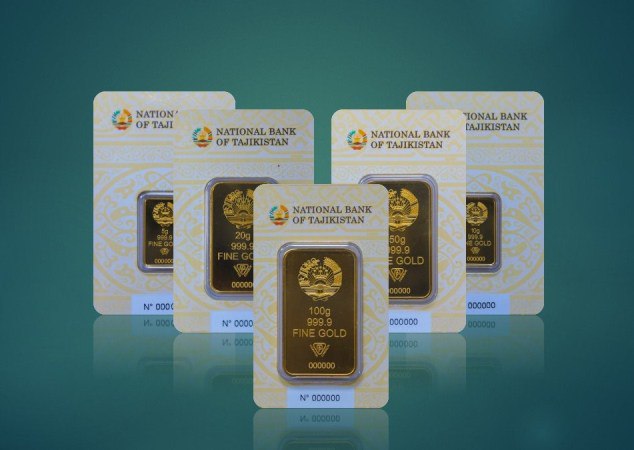
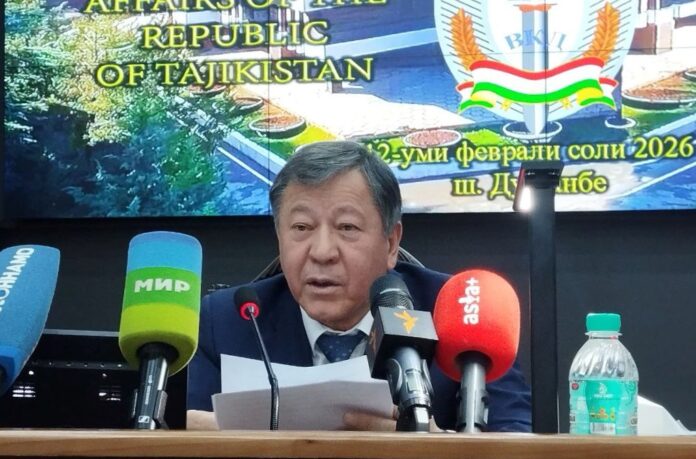
The National Bank of Tajikistan (NBT) plans to introduce machines for the purchase and sale of gold bars throughout the year. Special equipment, similar to ATMs for cash withdrawals, will be installed in Dushanbe, allowing individuals to buy and sell gold bars. This was announced by the head of the national financial regulator, Firdavs Tolibzoda, during a news conference in Dushanbe on February 11.

According to Tolibzoda, this initiative will simplify and expand the public’s access to purchasing gold bars.

In recent years, vending machines for buying and selling gold bars have emerged, operating similarly to cash ATMs. These machines, often referred to as "gold vending machines," allow people to buy gold bars or coins, much like they would withdraw cash from a regular ATM. Typically, these machines are installed in large shopping centers, airports, and other public places. The purchasing process includes selecting a gold bar, paying with a bank card, and receiving the selected gold. In some cases, the machines also allow customers to sell their gold back.

Tolibzoda stated that in 2025, a total of 200 kg of gold bars were sold, worth 224 million somoni. He added that the main buyers of the bars were individuals.

The NBT sets and updates the price of the gold bars daily based on the price of one troy ounce of gold (31.1034768 grams) determined by the morning interbank fixing in London. The costs of manufacturing the gold bars, transportation, insurance, and customs duties are also factored into the pricing. The gold used for production is sourced from Tajikistan.

The price of a 5-gram gold bar increased by 1,832.19 somoni (38.34%) throughout 2025 and was set at 6,610.42 somoni as of January 1, 2026. Bars weighing 10, 20, 50, and 100 grams are also available for sale. It’s worth noting that the higher the weight of the bar, the cheaper the gold is for the buyer, and vice versa.

As of February 11, 2026, the prices of gold bars in Tajikistan were set as follows:


Daily Price of Pure Gold Bars (NBT) on 11.02.2026

Weight of bars (grams)

  Buyback price (somoni)

  Selling price (somoni)

5

7686.14

7841.41

10

15252.77

15560.91

20

30374.47

30988.40

50

75724.13

77253.93

100

151374.64

154432.71


The 5-, 10-, 20-, 50- and 100 gram gold bars produced by the National Bank of Tajikistan were released into free circulation in June 2017.  The gold bars are sold by the NBT Department of Monetary Circulation and Cash Operations.

Citizens of the country can buy the NBT-produced bars using their passports, no other documents are required.

Each citizen of Tajikistan can buy gold bars totally weighing one kilogram per year.

They are available for purchase at the central NBT office in Dushanbe, as well as in its regional branches. Gold bars can also be bought at the offices of several commercial banks in the country, such as Amonatbank, Spitamen Bank, and Alif Bank.

Russia removes WhatsApp, Facebook, YouTube, and major news sites from national DNS servers

0

Several popular social media platforms and news websites, including WhatsApp, Facebook, Instagram, YouTube, and prominent global media outlets like Deutsche Welle, Radio Free Europe / Radio Liberty, Current Time, and BBC.com, have disappeared from Russia's National Domain Name System (NDNS). This was reported by the project "Na Svyazi."

When attempting to access these sites, browsers return the error “DNS_PROBE_FINISHED_NXDOMAIN,” indicating that the domain no longer exists.

"This means that all users of the NDNS cannot access a range of resources, including those that are not officially blocked in Russia but have been slowed down. While the law stipulates that access should remain," the project noted.

The DNS server converts human-readable domain names (e.g., google.com) into the digital IP addresses needed for device connections. Without DNS, accessing websites is impossible, as devices communicate only via IP addresses.

Experts believe this is a more severe form of internet restriction than previous measures, effectively marking the beginning of Russia's transition toward a "sovereign internet."

Jemali Avalishvili, managing director of the infrastructure integrator Ultimatek, explained to RBC that the removal of these domains was due to technical reasons. According to Avalishvili, Roskomnadzor’s equipment cannot simultaneously restrict YouTube, Telegram, and WhatsApp, so the agency is "clearing resources to slow down Telegram."

Earlier, on February 10, it was reported that Russian authorities decided to begin the process of slowing down Telegram in the country. Later, Roskomnadzor released a statement saying that the messaging app had not complied with Russian legislation and had not taken necessary measures to ensure the security of citizens' personal data. The agency noted that "phased restrictions" on Telegram would continue.

It is also worth noting that in August 2025, Roskomnadzor limited voice calls on Telegram and WhatsApp, justifying the move by claiming that these messengers had become primary means of communication for fraud and extortion, as well as for "involving Russians in subversive and terrorist activities." 

Tajik Accounts Chamber identifies financial violations totaling more than 1.1 billion somoni

0

The Accounts Chamber of Tajikistan has uncovered financial violations amounting to 1.116 billion somoni during its 2025 audits of ministries, agencies, government institutions, investment project centers, and banks. This was reported by Jamshed Karimzoda, Chairman of the Accounts Chamber, during a news conference in Dushanbe on February 11.

Karimzoda explained that over the past year, a total of 188 audit checks were conducted. He stated that more than 60% of the identified violations, or 710.6 million somoni, were related to the formation and execution of the state budget.

However, Karimzoda did not specify which ministries, agencies, or sectors had the most significant misuse of budgetary funds.

When asked for further clarification by Asia-Plus, he did not provide a detailed response, even though the Audit Chamber had previously disclosed such information on a per-agency basis.

According to the Chairman, 756.2 million somoni, or 67.7% of the identified violations, have been recovered.


Recoveries across various sectors

In total, financial violations were found in 103 ministries and agencies, including local government bodies in cities and regions, amounting to 23.9 million somoni. This entire sum has been fully reimbursed.

In addition, 19 centers and groups responsible for implementing state investment projects were audited, uncovering improper use of 19.4 million somoni, which was also fully recovered.

Furthermore, 46 state-owned enterprises were scrutinized, revealing financial discipline violations totaling 240.7 million somoni, with 150 million somoni already recovered.


Legal action and accountability

Karimzoda also mentioned that, based on the audit results, 63 cases have been forwarded to law enforcement agencies for further action.

Specifically, 33 cases were sent to the Supreme Court, 26 to the Agency for State Financial Control and Combating Corruption, and 4 to the State Committee for National Security.

As a result of the investigation into these cases, 222 individuals have been held accountable, facing disciplinary and financial sanctions. However, the specifics of the disciplinary measures imposed on these individuals were not disclosed. 

Only 10% of the cotton Khatlon produces is processed into final products locally, says Khatlon governor

0

Only 10% of the cotton Khatlon province produces is processed into final products locally, Davlatali Said told reporters in Bokhtar, the capital of Khatlon province, on February 11. 

“This figure is very low, and we are not satisfied with it. Through several state programs and directives from the president, relevant ministries, committees, and local authorities are tasked with increasing the processing of agricultural crops, including raw cotton, into finished products within the country. This will stimulate economic growth, create jobs, and improve conditions for cotton farmers,” Said explained.

According to Said, Khatlon’s cotton farmers produced 260,000 tons of raw cotton last year, marking an increase of 95,000 tons compared to 2024. The region’s large cotton ginning factories processed 91,100 tons of cotton fiber.

Said also expressed dissatisfaction with the performance of several local seed farms.

“There are many seed farms in Khatlon that should be involved in the development, production, and supply of high-quality seeds to other farms. Unfortunately, the performance of many of these farms is unsatisfactory. In 2025, we paid special attention to the quality of cotton seeds, recommending that farms use certified seeds. This approach yielded good results,” Said noted.

He added that in the previous year, 3-4 farms in Khatlon were provided with high-quality seeds, and as of now, there is a reserve of 7,200 tons of seeds, sufficient for the current planting season.

For 2026, it is planned to plant cotton on 124,500 hectares of land in Khatlon.

Tajikistan attracts $7 billion in foreign investments in 2025

0

In 2025, Tajikistan attracted approximately $7 billion in foreign investments, marking an increase of nearly $2 billion, or 35.1%, compared to 2024. This was reported by Sulton Rahimzoda, Chairman of the State Committee on Investment and State-owned Property Management (GosKomInvest), during a news conference in Dushanbe.

According to Rahimzoda, the inflow of foreign investments into Tajikistan’s economy reached $6.96 billion in 2025, which is $1.8 billion more than in 2024.

He highlighted that investments from CIS countries amounted to $3.3 billion, or 43.8% of the total foreign investments, representing a $1.67 billion increase (54.4%) compared to 2024.

Rahimzoda also noted that foreign investments from non-CIS countries totaled nearly $3.9 billion, accounting for 56.2% of the total, reflecting a rise of $731.3 million, or 23.1%, compared to the previous year.

“To attract direct foreign investments into the country’s economy, create new jobs, enhance production and export potential, and promote the production of import-substituting goods, the Committee signed 9 investment agreements totaling $681.2 million during the reporting period, leading to the creation of over 3,778 new jobs,” said Rahimzoda, adding that these agreements cover priority investment projects across various sectors of the economy.

GosKomInvest head emphasized that one of the key factors in ensuring the inflow of foreign investments is the improvement of the regulatory and legal framework, aligning the country’s investment legislation with modern requirements. To this end, on May 14, 2025, a new version of the Law of the Republic of Tajikistan "On Investments and Stimulating Investment Activities" was adopted, following the Committee's initiative. 

Tajikistan leads CIS in industrial growth in 2025

0

In 2025, Tajikistan produced industrial goods worth 66.7 billion somoni (over $7.1 billion), marking an increase of 13.3 billion somoni (more than $1.4 billion) compared to 2024. This was reported by Sherali Kabir, the Minister of Industry and New Technologies of Tajikistan, during a news conference in Dushanbe on February 11.

According to Kabir, Tajikistan achieved the highest industrial growth rate in the Commonwealth of Independent States (CIS) in 2025, surpassing Kyrgyzstan by 10%. Countries such as Kazakhstan, Uzbekistan, Moldova, Russia, Armenia, Azerbaijan, and Belarus showed slower growth rates, with some nations, like Azerbaijan and Belarus, even experiencing negative growth.

The mining and quarrying sector remains the leader in Tajikistan’s industrial structure, contributing 40.3% of total industrial output. This is followed by the food industry (18.6%), electricity production (17.2%), machinery manufacturing (7.9%), and construction materials production (6.2%).

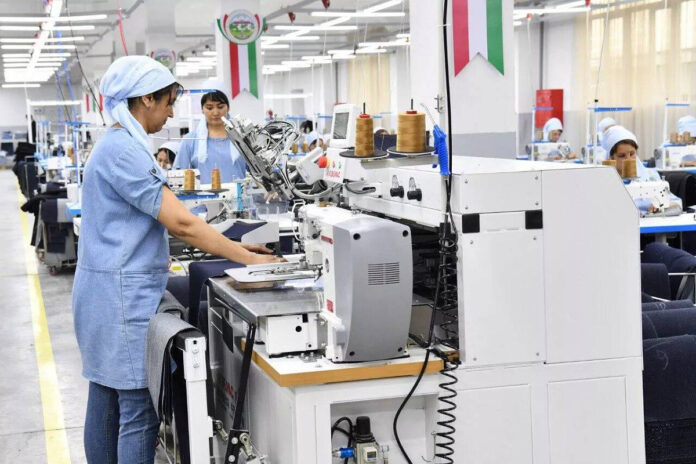
A particular focus of Kabir’s statement was the growth in the processing industry, which accounted for 51.8% of the total production. Notable sectors within this category include chemicals, which saw a 26.1% increase, rubber and plastic production with a 21.1% growth, food products with a 16.1% rise, textiles and garment manufacturing with a 14.4% boost, and pharmaceuticals, which grew by 10.6%.

Over 13,700 alimony defaulters in Tajikistan have their exit banned

0

In 2025, the authorities in Tajikistan have initiated criminal proceedings against 270 individuals, primarily fathers, for evading child support payments. According to the country's legislation, non-payment of alimony can result in penalties ranging from corrective labor to up to three years in prison.

This information was provided on February 10 by Alijon Aminzoda, the head of the Organization and Control Department of the Penal Execution Service, in an interview with Asia-Plus. He did not specify the prison sentences received by the 39 individuals who were arrested.

Aminzoda stated that in 2025, 753 people were put on the wanted list by law enforcement for avoiding alimony payments and hiding their whereabouts, compared to 514 in 2024.

Meanwhile, the head of the Penal Execution Service, Akhtam Abdullozoda, reported that a total of 13,765 individuals are currently listed as alimony debtors, and as a result, they have been banned from leaving the country. Of these, 8,332 people were added to this list in 2025 alone.

Abdullozoda noted that in 2025, Tajikistan collected 179.9 million somoni in child support payments for mothers and children, which was an increase of 147.2 million somoni compared to the previous year.

According to Tajikistan's legal framework, individuals who evade alimony payments for over three months are subject to prosecution. These individuals are placed on the debtor's list, and their ability to travel abroad is restricted.

"If a citizen pays alimony, the law also requires an advance payment for the next six months. Once this payment is made, the restriction on leaving Tajikistan is lifted," Abdullozoda explained.

He also mentioned that the agency cannot directly contact foreign governments for alimony enforcement; requests must go through the appropriate authorities and are only made upon the citizen's request.

"However, we don't face significant challenges in collecting alimony abroad. In 2025, our service received only 13 foreign court and arbitration decisions," said Abdullozoda.

The issue of evading alimony payments is not new in Tajik society, and the government has raised concerns about it in past years. In recent times, the ban on international travel for alimony defaulters has been presented as one of the key measures to address the issue.