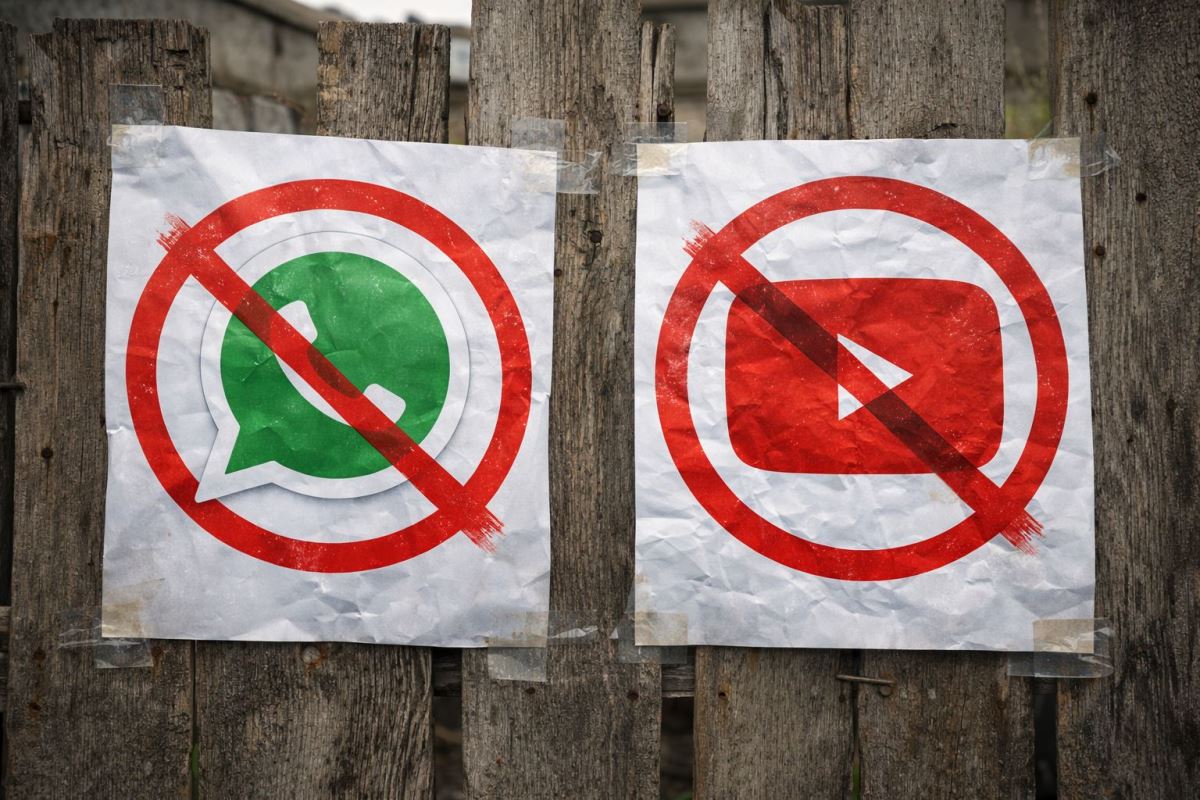
Several popular social media platforms and news websites, including WhatsApp, Facebook, Instagram, YouTube, and prominent global media outlets like Deutsche Welle, Radio Free Europe / Radio Liberty, Current Time, and BBC.com, have disappeared from Russia's National Domain Name System (NDNS). This was reported by the project "Na Svyazi."
When attempting to access these sites, browsers return the error “DNS_PROBE_FINISHED_NXDOMAIN,” indicating that the domain no longer exists.
"This means that all users of the NDNS cannot access a range of resources, including those that are not officially blocked in Russia but have been slowed down. While the law stipulates that access should remain," the project noted.
The DNS server converts human-readable domain names (e.g., google.com) into the digital IP addresses needed for device connections. Without DNS, accessing websites is impossible, as devices communicate only via IP addresses.
Experts believe this is a more severe form of internet restriction than previous measures, effectively marking the beginning of Russia's transition toward a "sovereign internet."
Jemali Avalishvili, managing director of the infrastructure integrator Ultimatek, explained to RBC that the removal of these domains was due to technical reasons. According to Avalishvili, Roskomnadzor’s equipment cannot simultaneously restrict YouTube, Telegram, and WhatsApp, so the agency is "clearing resources to slow down Telegram."
Earlier, on February 10, it was reported that Russian authorities decided to begin the process of slowing down Telegram in the country. Later, Roskomnadzor released a statement saying that the messaging app had not complied with Russian legislation and had not taken necessary measures to ensure the security of citizens' personal data. The agency noted that "phased restrictions" on Telegram would continue.
It is also worth noting that in August 2025, Roskomnadzor limited voice calls on Telegram and WhatsApp, justifying the move by claiming that these messengers had become primary means of communication for fraud and extortion, as well as for "involving Russians in subversive and terrorist activities."