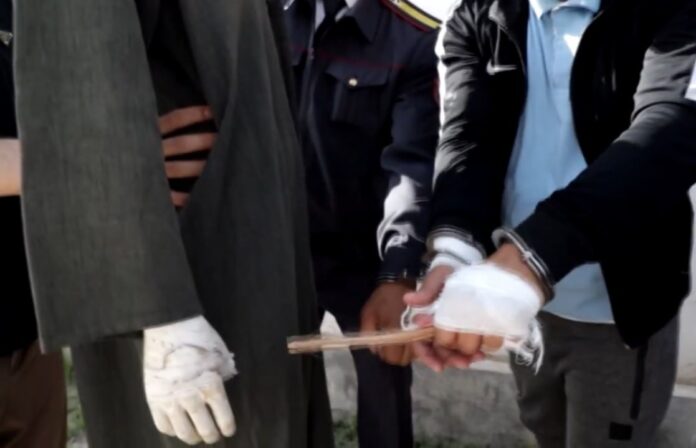
In Bokhtar, a 33-year-old man was detained on suspicion of murdering his cousin. The Ministry of Internal Affairs of Tajikistan reports that his name is Faridun Akhmedov, and he resides on Madaniyat Street in Bokhtar.
According to the agency, there had been quarrels and conflicts between him and his aunt’s son, 40-year-old Salmonkhon Shirinov, a resident of Kahramoni village in Kushoniyon district, for some time.
“Once again, they argued on March 27 of this year in Bokhtar, at their grandfather’s house. According to the investigation, Shirinov first attacked with a knife, but the detainee knocked him down, snatched the knife from his hands, and inflicted seven wounds on vital organs with particular cruelty. The victim, having received severe injuries, died at the scene,” reports the Ministry of Internal Affairs.
In the interrogation recording, Faridun Akhmedov confessed to committing the crime. A criminal case has been initiated against him under Article 104 (“Murder”) of the Criminal Code of the Republic of Tajikistan, and the investigation is ongoing. This article provides for a punishment ranging from 8 years of imprisonment to life imprisonment.
The Ministry of Internal Affairs also reports that Faridun Akhmedov had previously been convicted on charges of robbery (Article 248 of the Criminal Code of the Republic of Tajikistan) and served his sentence.
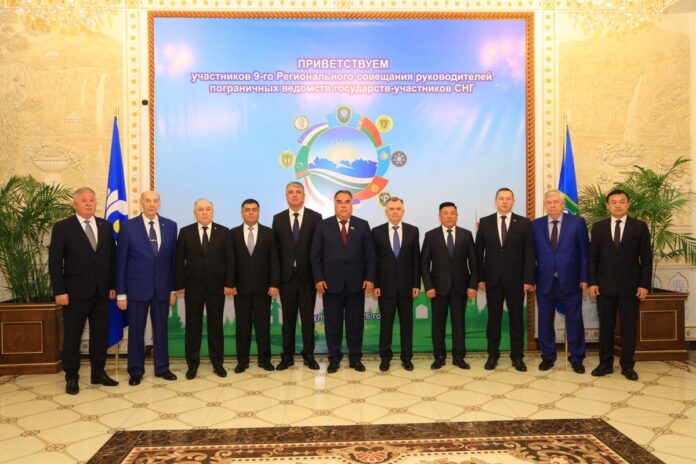
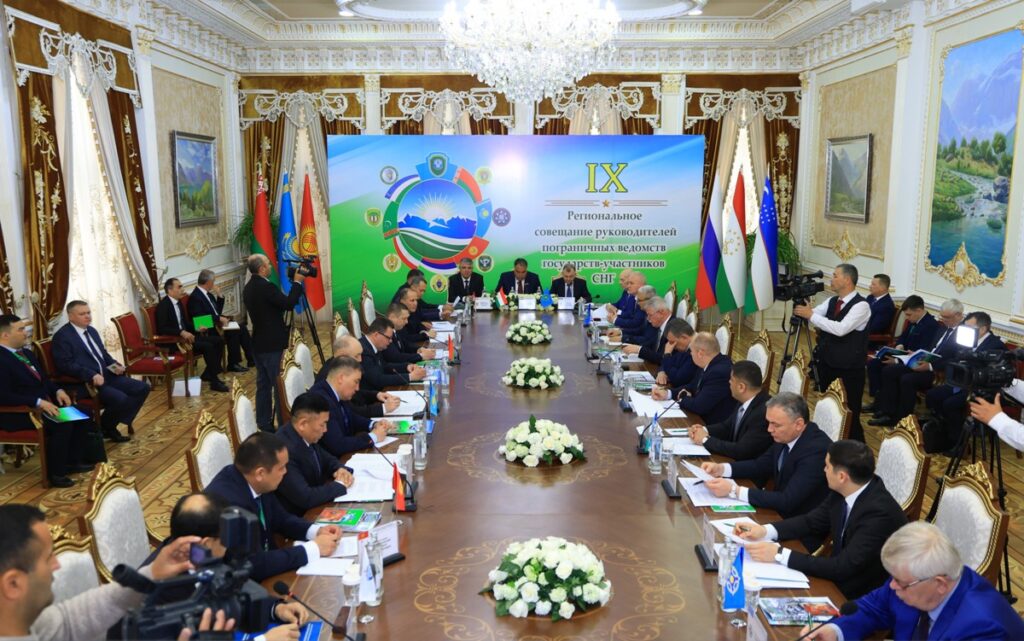
The unstable military-political and economic situation in Afghanistan is expected to have a destructive impact on the state of border security in the Central Asian direction in the medium term. This conclusion was reached by participants of the 9th regional meeting of the heads of border agencies of the CIS member states in the city of Guliston, Sughd Region, Tajikistan.
The meeting, held on April 8 with the participation of delegations from the border agencies of Tajikistan, Uzbekistan, Kazakhstan, Kyrgyzstan, Belarus, and Russia, as well as representatives from the CSTO and CIS, emphasized the importance of enhancing cooperation in the field of border security to effectively counter the threats arising from the unstable situation in Afghanistan, reported the CIS Executive Committee.
The participants of the meeting discussed the measures being taken by the border agencies of the CIS member states to counter threats to border security on the external borders of Central Asian countries.
According to the general opinion, the current situation in Afghanistan is expected to have a destructive impact on border security in the medium term, making it important to strengthen cooperation in this area.
Focus on Joint Programs and Experience Sharing
In this regard, the significance of the Cooperation Program of the CIS member states in strengthening border security on external borders for the years 2026–2030 was emphasized. This program is a key mechanism for the practical implementation of the coordinated border policy of the CIS countries.
The participants also emphasized the activation of the participation of border agencies in the Interstate Program of Joint Crime-Fighting Measures for 2024–2028, as well as in the CIS Cooperation Program in the field of countering terrorism and extremism for 2026–2028.
The meeting participants noted the positive experience of including in the agenda of working meetings of border agency specialists, as well as international scientific forums dedicated to exchanging experiences on preventive counteraction to modern border security threats.
As a result of the meeting, a set of practical measures was developed to maintain stability on the external borders of the Commonwealth.
After the meeting, the guest delegations visited an exhibition of folk crafts, national cuisine, and cultural traditions of the Tajik people in the city of Guliston.
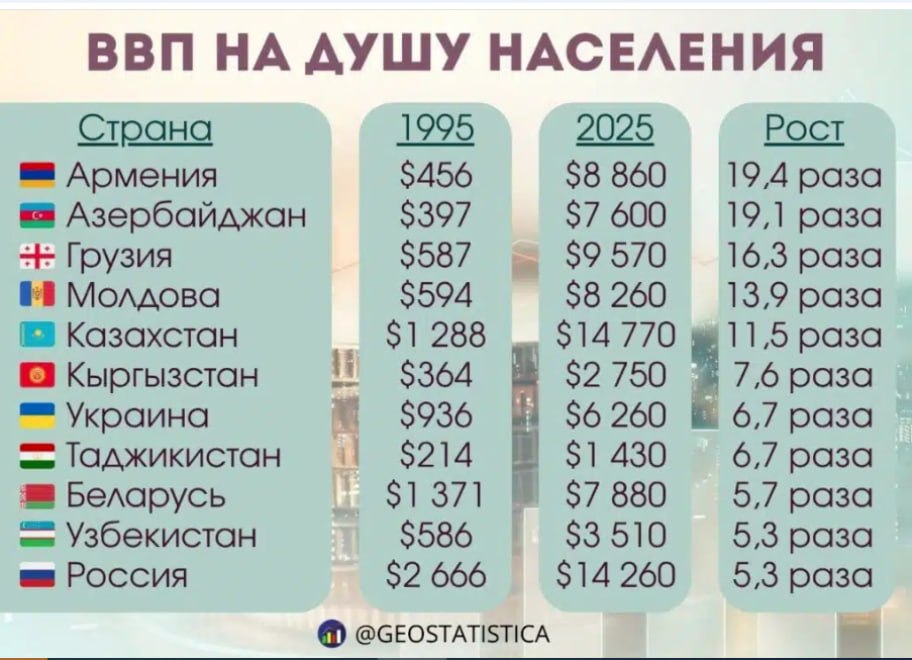
According to the updated data from the International Monetary Fund (IMF), Tajikistan ranked last in Central Asia in terms of GDP per capita, which amounted to $1430 in 2025. This places the country among the lowest in the Eurasian region in terms of economic level, despite positive growth trends.
According to IMF forecasts, in 2026, Tajikistan’s GDP per capita will rise to $1800, indicating a steady improvement in the country’s economic situation, yet the figures will still be significantly lower compared to other Central Asian countries.
The Telegram channel Geostatistics reports that over the past 30 years, nominal GDP per capita in Tajikistan has increased 6.7 times. In 1995, this figure was only $214.
For comparison, other countries of the former USSR show significantly higher results. In Kazakhstan, where the economy continues to develop, GDP per capita in 2025 is $14,770, which is more than 10 times that of Tajikistan. In Turkmenistan, GDP per capita is $13,340, while in Uzbekistan this figure reaches $3510.
The IMF calculates GDP per capita at current prices, which allows for an assessment of the overall level of welfare and purchasing power.
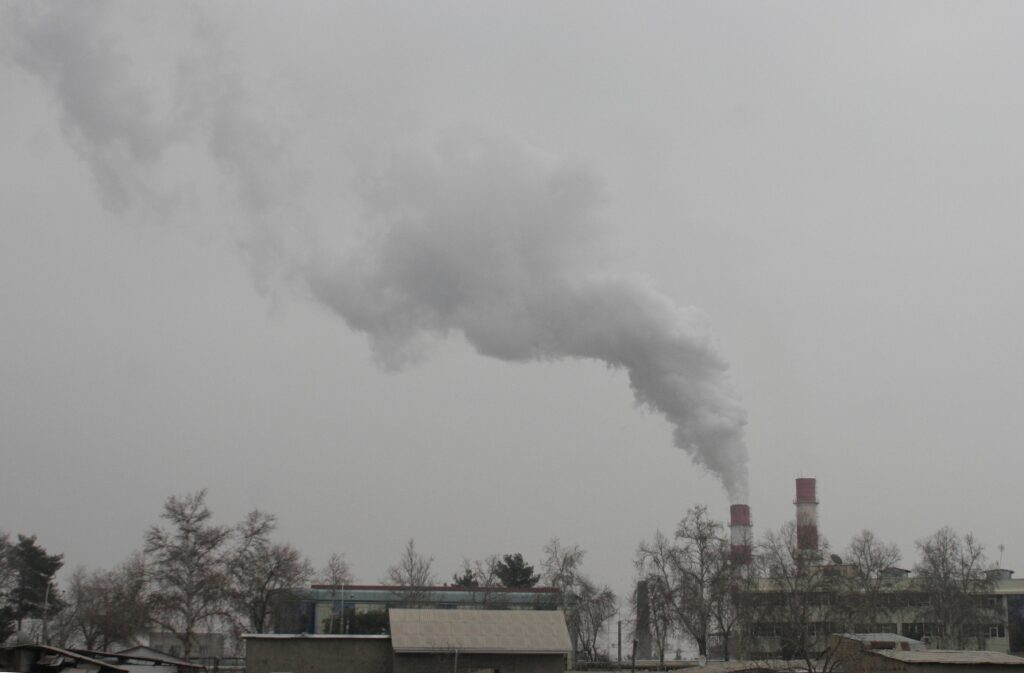
Tajikistan refutes the data from the international platform IQAir, according to which the republic is among the countries with the most polluted air in the world.
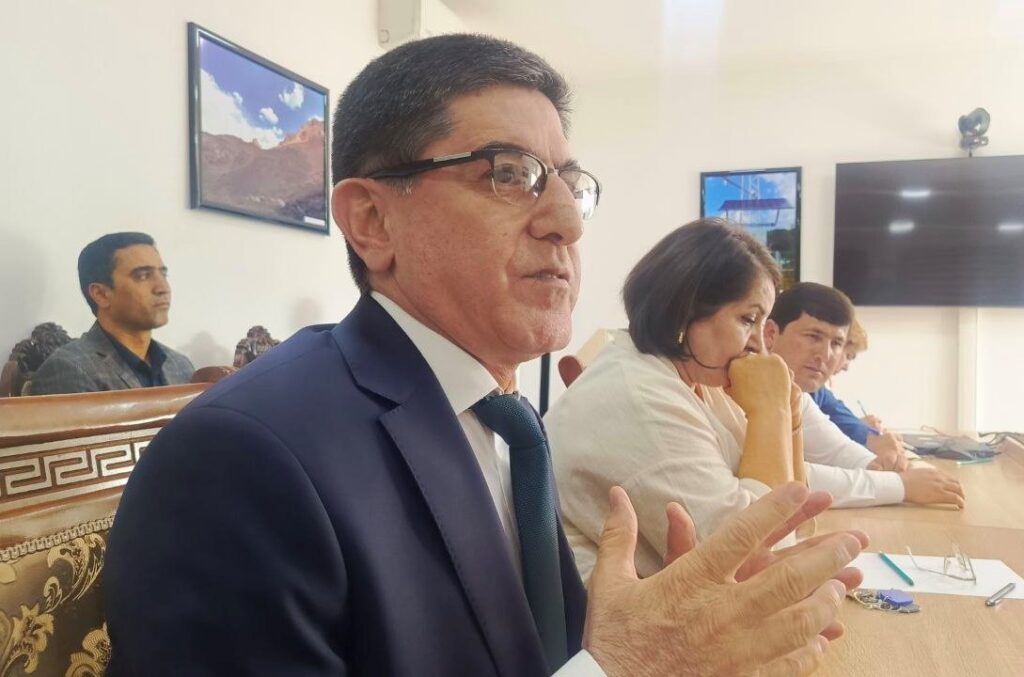
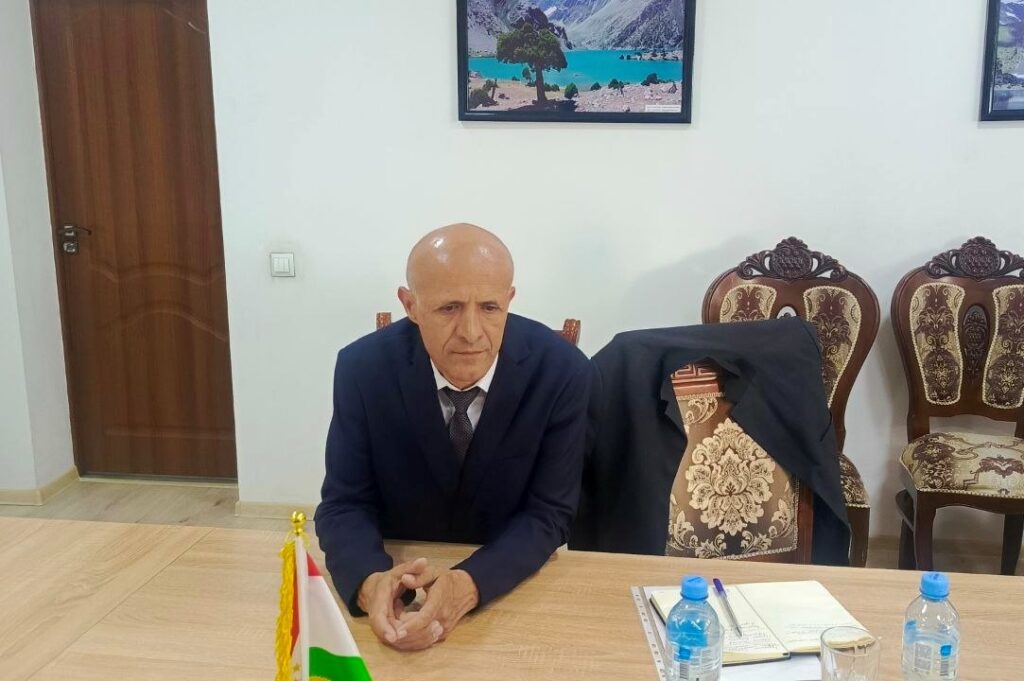
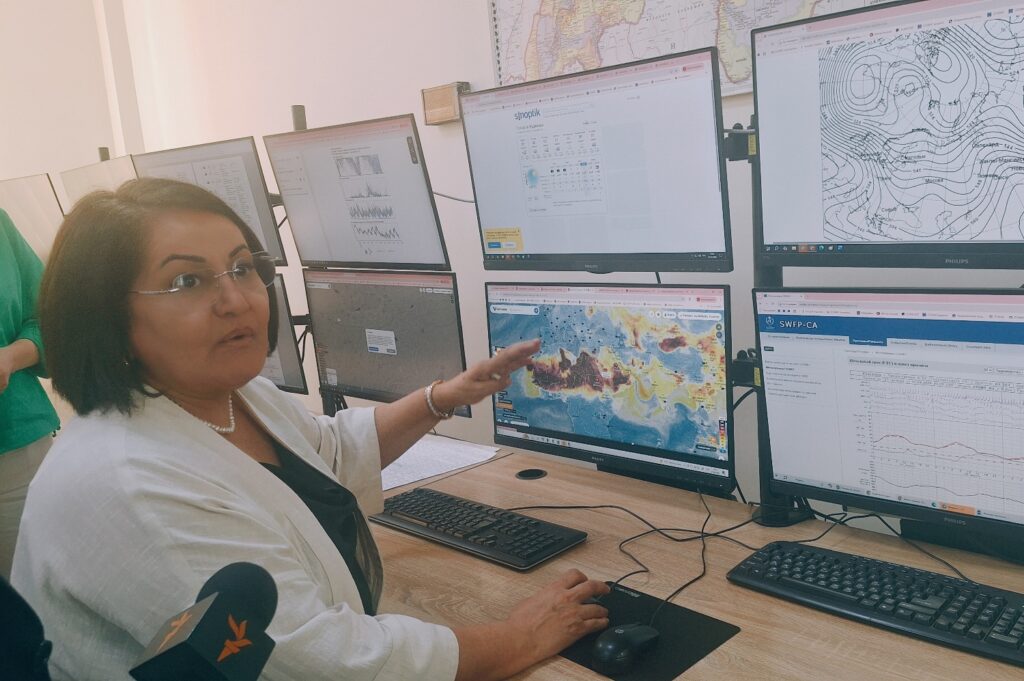
Director of the Agency for Hydrometeorology, Abdullo Kurbonzoda, stated in a meeting with journalists that the assessments presented in the “World Air Quality Report for 2025” do not reflect the real situation in the country.
According to the IQAir report, in 2025 Tajikistan ranked third in the world in terms of air pollution with a PM2.5 level of 57.3 µg/m³. This is 11.4 times higher than the level recommended by the World Health Organization.
In 2024, according to IQAir, Tajikistan was ranked 6th in terms of air quality, while in 2023, data specifically for Dushanbe placed the capital in 4th place.
The issue of air quality in Tajikistan, particularly in its capital, has remained relevant for several years. International monitoring services, the Committee for Emergency Situations and Civil Defense, and the city’s own residents regularly report on pollution. Media publications over recent years point to this as well.
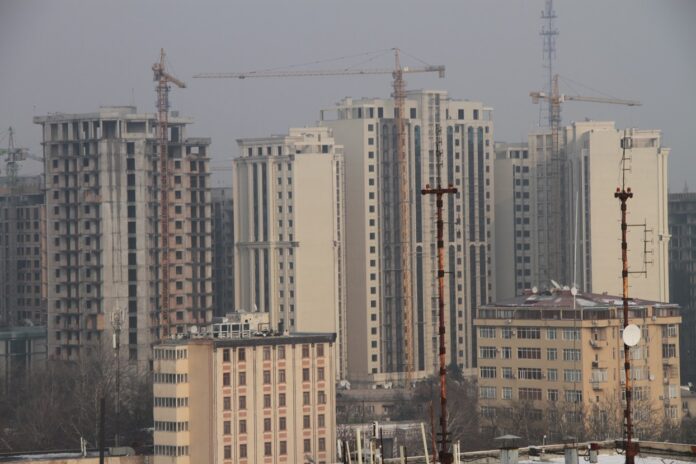
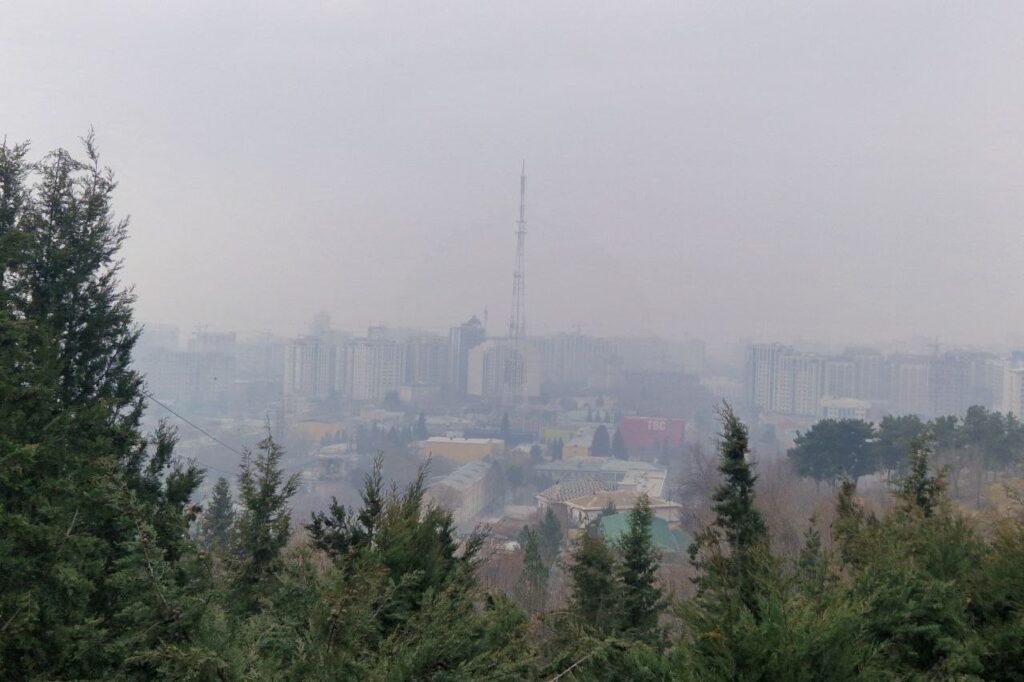
Residents of the capital complain about black dust on windows and cars, as well as reduced visibility — in previous years, the mountains surrounding Dushanbe could be seen from any point in the capital, but now they are increasingly obscured by smog. This situation is observed even outside the periods of dust storms.
Doctors and allergists previously noted that during air pollution, the number of allergic and respiratory diseases, including bronchial asthma and allergic tracheobronchitis, increases.
The main sources of pollution in Tajikistan: dust and degraded soil, heating of the private sector with solid fuels, energy, and transport.
Tajikistan’s Hydromet: IQAir data is questionable
The authorities of Tajikistan question the conclusions of the IQAir report, pointing to the discrepancy between the presented data and the actually recorded air quality indicators in the country. Director of the Agency for Hydrometeorology, Abdullo Kurbonzoda, emphasized on April 3 at a meeting with journalists that the assessments used in the report do not reflect an accurate picture.
“When it is written about our republic that the air is completely polluted, it is wrong,” he stated.
In the official explanation of the Agency, it is also noted that such assessments “should be considered in a balanced manner, with scientific validity and a professional approach.” The agency emphasizes that the ranking is based on the annual average concentration of fine particulate matter PM2.5 and “does not fully reflect all the factors affecting atmospheric air quality in the country.”
Kurbonzoda also drew attention to significant fluctuations in air quality indicators over time. According to him, after the precipitation was restored, the situation improved significantly.
“Since December 4, 2025, there have been no dust storms in Tajikistan… In the last four months, our air has been very clean,” he stated.
Kurbonzoda says that given the natural features, Tajikistan is not one of the countries with developed industry and constant sources of severe pollution.
“Tajikistan is 93% mountains; we do not have factories and plants that heavily pollute the air. Where, then, do such data come from?” he questions.
However, observations by residents and independent ecologists do not entirely confirm this assessment. Even in the absence of dust storms, Dushanbe experiences persistent pollution — in the form of smog, the smell of burning, and the accumulation of fine dust.
Such conditions may indicate a high content of suspended particles in the air, even if such phenomena are not officially classified as a dust storm.
How many sensors and where are they located?
In the official commentary, Hydromet also indicates that the country’s position in the international ranking depends “not only on the real environmental condition but also on the completeness, density, and coverage of the air quality monitoring network.” According to the agency, drawing generalized conclusions for the whole country without considering these factors is incorrect.
Separate criticism concerns the methods of measurement and data assessment. According to Kurbonzoda, using a limited number of sensors does not allow for conclusions about the air condition throughout the city or country.
“Placing a sensor next to a construction site and claiming that all of Dushanbe’s air is polluted is wrong… Measurement in one place does not mean that the air in general is polluted,” he emphasized.
Abdullo Kurbonzoda explained that IQAir employees assessed air pollution levels in Tajikistan based on data from two devices installed in Dushanbe — at the “Textilmash” plant and the Dushanbe CHP.
“There are certain rules for measurements: the device measuring air quality should be located at a certain distance from roads and industrial facilities. Setting two devices right in the smoke and evaluating Tajikistan’s air quality based on this is a mistake,” he explained once again.
Meanwhile, according to the international platform IQAir, they collect information from 4–6 stations in Dushanbe, including diplomatic missions and private sensors.
Hydromet: IQAir data does not consider features
According to Hydromet representatives, international platforms may also insufficiently take into account the geographical and climatic features of the country — mountainous terrain, seasonality, dust transfer.
In the official explanation of the Agency, this is formulated as follows:
“The specified rating is compiled based on the average annual concentration of fine particles measuring PM2.5 and does not fully reflect all the factors influencing atmospheric air quality in the country.”
Meanwhile, IQAir claims that such factors are considered through weather data, satellite observations, and processing algorithms.
Thus, the disagreements are not so much about the facts as about their interpretation and the methodology used for assessment, according to Hydromet.
IQAir researchers claim that their data undergo processing: they are compared with other stations, weather conditions, and historical values, reducing the impact of local emissions.
And how does Tajikistan itself check the air?
In Tajikistan, air quality is monitored through a monitoring system managed by the Agency for Hydrometeorology.
How exactly the atmosphere is checked was explained at a meeting with journalists by the head of the Regional Environmental Monitoring Center, Sangin Samiev.
Currently, the observation network covers four regions of the country: Dushanbe, Bokhtar, Khujand, and Tursunzade.
In these cities, stationary posts operate where specialists regularly measure the concentration of major pollutants — suspended particles (PM2.5 and PM10), nitrogen oxides, sulfur dioxide, carbon monoxide, formaldehyde, and other compounds.
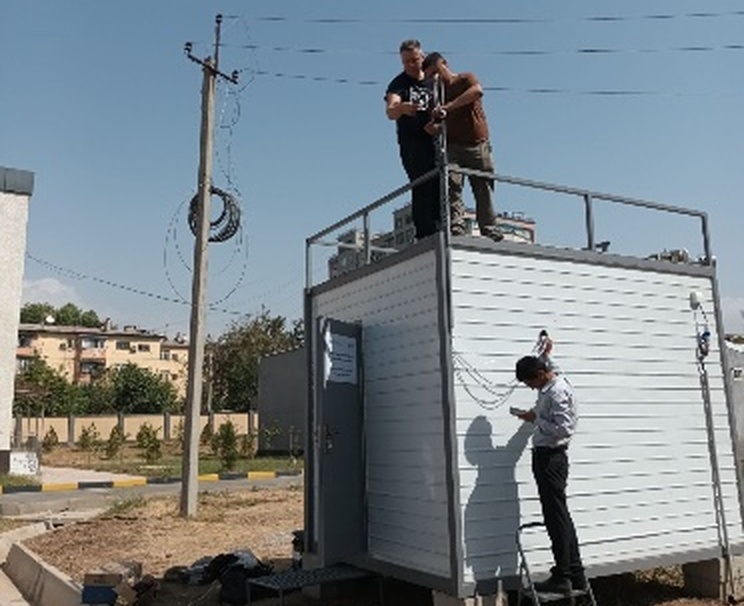
In addition to stationary points, the country uses modern automatic monitoring stations that conduct round-the-clock observations.
Since November 2016, an automatic air quality monitoring station has been operational at the Agency, created in collaboration with the Finnish Meteorological Institute (a research agency in Finland — Ed. note). This station provides round-the-clock monitoring of the atmosphere in Dushanbe.
All together, they record not only the chemical composition of the air but also meteorological parameters: temperature, humidity, pressure, wind direction, and speed. This allows for a more accurate assessment of the atmosphere and predicting its changes.
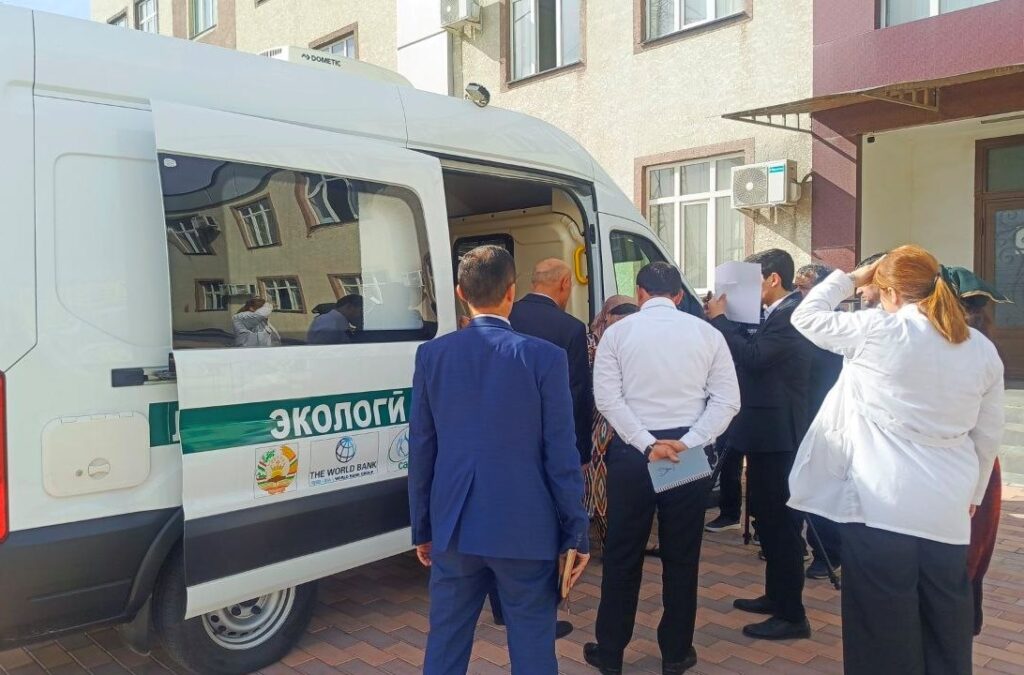
Route monitoring also plays a significant role. For this, mobile laboratories equipped with special equipment are used. They allow for measurements in various areas, including places with potentially high levels of pollution.
During such studies, the concentration of nitrogen oxides, ammonia, hydrogen sulfide, hydrocarbons, methane, as well as fine particles is measured.
Additionally, specialists collect air samples for laboratory analysis, use portable devices, and even unmanned aerial vehicles (drones) to assess air quality.
In parallel, precipitation — rain and snow — is analyzed, which also helps to determine the pollution level. The collected data is systematized and processed in information departments.
Based on observations, environmental bulletins are regularly prepared, which are sent to relevant agencies and communicated to the public, says Sangin Samiev.
According to him, more than three thousand air quality measurements are conducted in Dushanbe alone per quarter, and more than five thousand observations are made across the country.
At the same time, monitoring data is not published in real-time on any single open platform. There is a Hydromet website, where, according to specialists, air pollution levels in the cities of the republic are posted every morning. However, the information is presented in a way that an ordinary person cannot understand whether the air is dirty in their city today.
Despite the disagreements, the combination of data from international platforms, observations, and expert assessments shows that the level of air pollution in Dushanbe regularly exceeds WHO recommendations.
For example, not only IQAir rankings indicate that the air in Dushanbe remains dirty. According to a World Bank study, the average annual concentration of PM2.5 in Dushanbe in 2020–2022 was 54.6 µg/m³, and in winter it could reach 152–434 µg/m³.
According to the WB, to significantly improve air quality in Dushanbe, about $111 million in investments is needed. These funds are necessary for heating modernization, reducing solid fuel use, developing public transport, and expanding the air quality monitoring system.
The Agency for Hydrometeorology emphasizes that rankings cannot be ignored, but it is also incorrect to perceive them as a completely exhaustive assessment of air quality across the Republic of Tajikistan.
The differences primarily relate to assessment methods rather than the existence of the problem itself, note Hydromet specialists.
“This ranking (IQAir) indicates a serious problem with PM2.5 particles, but for accurate conclusions, extended monitoring, comparison of international data with national observations, and analysis of pollution sources are necessary. Such an approach can be objective, professional, and in line with the country’s interests,” Tajik specialists emphasize once again.
And environmentalist Timur Idrisov believes that “it is necessary not only to expand the observation network but also to radically revise approaches to urban planning, energy efficiency, and emissions control. Without this, even the most modern air quality data will not help solve the problem.”
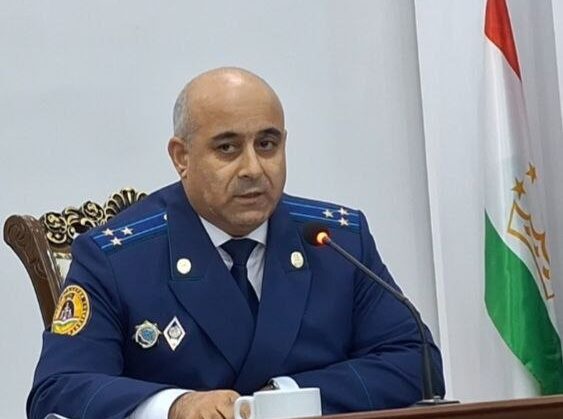
The Prosecutor of Sughd Region, Husein Davlatzoda, expressed concern about the behavior of some of his subordinates. He stated that “the knowledge of some of them does not meet the requirements, and they commit unworthy acts”.
On April 7, at a meeting of the department following the results of the quarter, the prosecutor, without mentioning specific names or cases, noted that some actions of the prosecutor’s office employees cause discontent in society and negatively affect the reputation of the bodies.
“Some employees visit entertainment centers and other leisure places, engage in the consumption of various drinks and substances, and even in some cases disturb the peace of citizens,” the prosecutor said.
Davlatzoda noted that “in accordance with the requirements of the Code of Professional Ethics for Prosecutor’s Office Employees, the staff of the bodies must demonstrate high ethics, good professional culture, and other positive human qualities, respecting the requirements of the law, both in the performance of official duties and outside of them.”
At the meeting, it was also reported that in the first three months of this year, the department recorded 16,891 offenses.
Conflicts Involving Prosecutor’s Office Employees
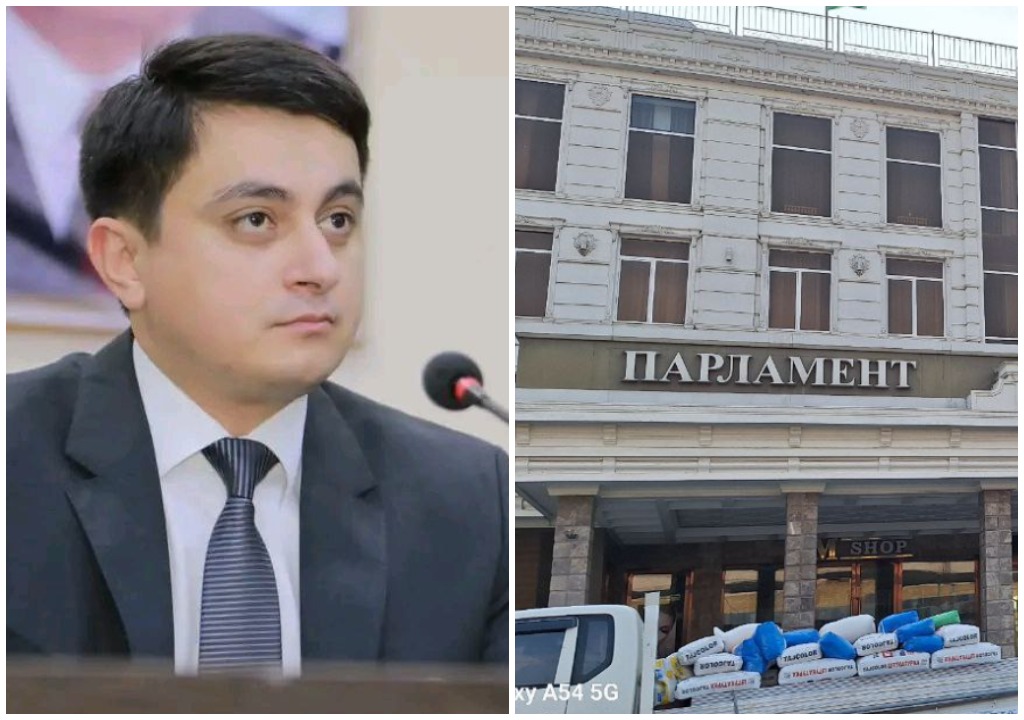
These statements were made by Davlatzoda two months after Abdukahhor Azizov, the former prosecutor of the city of Buston, got into a conflict with the owner of the “Parliament” restaurant of the hotel of the same name in this city, which eventually led to his dismissal and exclusion from the ranks of the prosecutor’s office employees.
The scandal between Abdukahhor Azizov and the owner of the “Parliament” hotel, Parviz Ashurov, spread in news media and social networks, causing a wave of sharp reactions. After the publicity of this incident, Azizov, who is the son of the former first deputy chairman of the People’s Democratic Party of Tajikistan, Abdudjabbor Azizi, was dismissed from the bodies.
The country’s Prosecutor General, Habibullo Vohidzoda, stated at a press conference on February 13 that Azizov was “dismissed from his position and excluded from the bodies” for non-compliance with the regulatory acts of the industry.
In Tajikistan, scandals involving officials and their relatives in entertainment centers periodically become public knowledge. After the incident with the former prosecutor of the city of Buston, a message spread on the network about a conflict in one of the restaurants involving the head of the department of transport control and regulation in the cities of Kanibadam and Isfara, Farrukh Saidzoda.
Previously, Avaz Nazarzoda, now the former prosecutor of the Khatlon Region, was also dismissed from his position and excluded from the prosecutor’s office by presidential decree “for actions degrading the honor and dignity of a law enforcement officer.” However, what exactly he committed was not reported.
The Tax Committee of Tajikistan launched a set of new electronic services on April 1, 2026.
This was done to further strengthen the digitalization of the tax sector, improve the efficiency of government authorities, and enhance the quality of services provided to citizens and taxpayers. It also aims to minimize the impact of the human factor, ensure transparency, and timely consideration of taxpayers’ appeals.
The innovations are aimed at simplifying and accelerating taxation processes, increasing the transparency of procedures, and improving access to information for all user categories — both citizens and economic entities.
The key areas of the implemented services include the following components:
Automated review and approval of comparative assessment documents for dehkan farms
– The process is carried out entirely in electronic format and without the involvement of tax authority employees.
– This allows for reducing document processing time, increasing data accuracy, minimizing errors and delays related to the human factor, as well as enhancing the efficiency of control and oversight.
Electronic “question-answer” service using artificial intelligence
– The service operates round-the-clock, providing continuous access to information.
– Taxpayers can promptly receive clarifications on regulatory acts, tax obligations, and document processing procedures.
Electronic procedure for the liquidation of a separate legal entity
– This feature simplifies the procedures for creating and managing separate divisions of economic entities.
– The process becomes fully transparent and reduces administrative barriers, saves citizens’ time, and facilitates interaction with government bodies.
The implementation of these electronic services will improve the quality of service provision, ensure transparency and accountability of all processes, speed up the receipt and processing of information for citizens and legal entities, and create conditions for effective control and monitoring of economic entities’ activities.
It should be emphasized that the implementation of all the listed services is planned to be completed in full in the near future. After that, taxpayers will have the opportunity to actively use electronic services, and government authorities will be able to ensure a higher level of service and control.
The introduction of new electronic services reflects the strategic goal of the Tax Committee to modernize the tax sphere, digitalize processes, and implement modern technologies to create a convenient, transparent, and efficient system of interaction between government authorities and taxpayers.
After Donald Trump announced a ceasefire between the US and Iran, the Strait of Hormuz remains effectively closed, and Israeli forces continue to strike Hezbollah positions in southern Lebanon, reports the BBC.
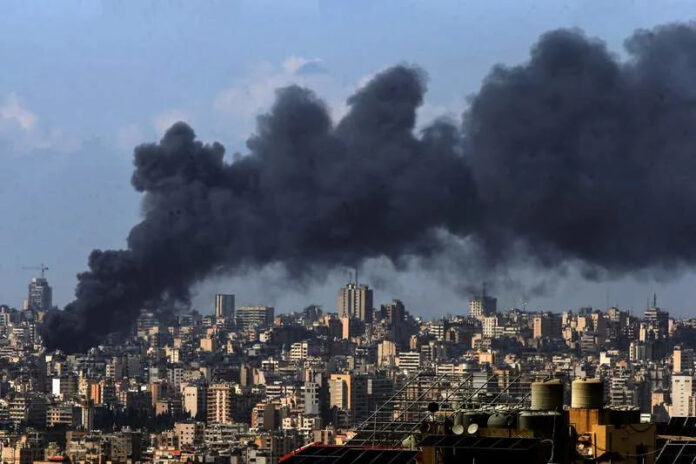
The Israel Defense Forces (IDF) reported that in the latest strikes, more than 100 Hezbollah targets in Beirut and southern Lebanon were attacked, including command centers and military facilities. These strikes were meticulously planned based on accurate intelligence gathered over several weeks.
The IDF noted that the majority of the targeted sites were located in densely populated civilian areas, which, according to the army, confirms that Hezbollah is using civilians as “human shields.”
Lebanon’s Ministry of Health reported that more than 180 people were killed and over 850 injured as a result of the shelling. Residential high-rises and shops were destroyed.
UN High Commissioner for Human Rights Volker Türk stated about the “horrifying” scale of casualties from the Israeli strikes on Lebanon on April 8.
“Such carnage, occurring just hours after agreeing to a ceasefire with Iran, is simply mind-boggling. It places immense pressure on the fragile peace that civilians so desperately need,” he said.
Recall that on the night of April 8, the US and Iran agreed to a two-week ceasefire. However, Israeli Prime Minister Benjamin Netanyahu stated that the ceasefire does not apply to Lebanon.
Iran’s Reaction: Strait of Hormuz Remains Closed
Tehran promised to withdraw from the ceasefire agreement if Israel does not stop bombing Lebanon. In response to Israel’s ongoing strikes on Lebanon, Iran’s Islamic Revolutionary Guard Corps (IRGC) stated that the Strait of Hormuz remains closed. In a statement broadcast by Iran’s state television, it was said:
“We issue a strong warning to the United States, which violates agreements, and their Zionist ally, their executioner: if aggression against beloved Lebanon does not cease immediately, we will fulfill our duty and respond.”
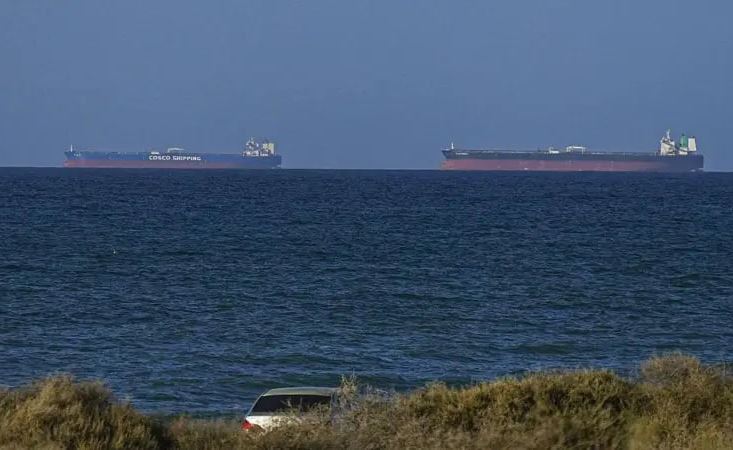
This statement was accompanied by a warning for ships in the Persian Gulf. British shipbroker SSY confirmed that vessels in the region received the following message: “Attention all ships in the Persian Gulf and the Sea of Oman. This is the IRGC Navy station. Passage through the Strait of Hormuz remains closed, and you need permission from the IRGC before passing through the strait. Any vessel attempting to go to sea will be attacked and destroyed.”
One of the most important conditions of the ceasefire between the US and Iran is the opening of the Strait of Hormuz, which is strategically significant for global oil trade. However, Iran continues to keep the strait closed. On April 8, only a few ships were able to pass through the strait. Iranian media reports that movement was halted due to ongoing Israeli attacks on Lebanon.
Iran also reported that it might partially open the strait in a controlled manner in the coming days if there is progress in negotiations with the US. As stated by Reuters, a senior Iranian official involved in the negotiations, “if an agreement on the framework of negotiations is reached, the strait may be opened to a limited extent, under Iran’s control.”
US President Donald Trump stated that the US expects Iran to “fully and immediately” open the Strait of Hormuz. This statement was made after Iran confirmed that if Israeli aggression does not cease, Iran would be ready to withdraw from the ceasefire agreement. Trump warned that “if the demands are not met, the consequences will be serious.”
Will Negotiations Take Place?
The US and Israel insist that the ceasefire does not apply to Lebanon, while Iran demands an immediate cessation of strikes on Lebanon, stating that continued attacks render negotiations meaningless.
Speaker of the Iranian Parliament Mohammad-Bagher Ghalibaf wrote on social media X that the US has already violated several points of Iran’s proposal to resolve the conflict, including the invasion of Lebanon, crossing Iran’s air borders, and denying the republic’s right to peaceful uranium enrichment.
“The deep historical distrust we feel towards the United States stems from their repeated violations of all kinds of commitments — a pattern of behavior that has, unfortunately, been repeated once again. Now the very ‘workable basis for negotiations’ has been openly and blatantly violated even before the negotiations began. In such a situation, bilateral ceasefires or negotiations are illogical,” noted the speaker of the Iranian parliament.
Donald Trump, in turn, noted that “there is only one set of significant ‘POINTS’ acceptable to the United States, and we will discuss them behind closed doors.”
According to the White House, a US delegation led by Vice President J.D. Vance will travel to Pakistan for negotiations with Iran. The talks are expected to begin in the capital of Pakistan, Islamabad, on April 10.
Two years ago, on April 9, 2024, a significant event occurred in the life of two-year-old Sulaymon Rahimov: he was administered the drug Zolgensma — the most expensive injection in the world, costing about $1.4 million at that time. This was made possible thanks to the incredible efforts and support not only of the people of Tajikistan but also of people from all over the world who came together to save the life of little Sulaymon.
Today, two years later, we decided to find out how Sulaymon is feeling and what changes have taken place in his life.
“He’s become a little rascal”
Sulaymon’s mother, Manizha, happily shares positive news about her son. She says that Sulaymon has changed a lot over the past year.
“He’s grown, become a little rascal, sings songs, and fights with his little brother every day,” Manizha says with a smile. Sulaymon continues to delight his family, and although he still cannot walk independently, the changes in his condition are noticeable.
Currently, Sulaymon is undergoing rehabilitation in Moscow. Manizha added that the family tries to travel for rehabilitation every two months to not miss important moments in the recovery process.
“Sulaymon is feeling good, even though he does not walk independently. But his arms have noticeably strengthened, he stands, and rolls around the whole room. Many steps have been taken towards recovery,” says his mother.
She also notes that despite the lost time, which led to the loss of some skills, Sulaymon becomes stronger every day. “We continue to move forward in small steps,” adds Manizha.
The boy engages in activities for about 5 hours a day, and these sessions are becoming more and more enjoyable. Previously, he often cried, but now he enjoys the activities and even reminds his mother of the next activity on the schedule. “This was one of the biggest achievements — he is no longer afraid and happily begins the procedures,” says Manizha with satisfaction.
The most important thing is that the disease is not progressing
Manizha emphasizes that the biggest success is that Sulaymon’s disease is no longer progressing. “He is alive, and he is with us — and that is already a huge achievement!” she adds.
Manizha does not forget to thank all the kind people who helped her son during difficult times.
“May the Almighty reward you with goodness for this kindness. We remember and love everyone!” she said.
The long-awaited life-saving injection
The two years that have passed since Sulaymon was administered the drug Zolgensma have shown how important support is — not only financial but also moral. Sulaymon’s difficult story shook the entire country. The only way to stop the progression of his rare disease was the expensive drug Zolgensma, whose cost made it into the Guinness World Records.
The initial cost of the drug was about $2.125 million, but thanks to an agreement between Russia and the manufacturer Novartis, Sulaymon was able to receive the injection for $1.4 million.
The fundraising was closed in December 2023. When Manizha was losing hope, as there was not enough money, an anonymous benefactor from Russia made the decisive contribution, closing the remaining amount — $204,000. And little Sulaymon received a chance at life.
Before administering the drug, the child took the supportive medication “Risdiplam” for several months, which slowed the progression of the disease but could not cure it. At the same time, one dose of it cost $8,000.
On April 9, 2024, when Sulaymon finally received the long-awaited “life-saving injection,” his mother wrote:
“The wait was long and hard, but we made it, and now we can breathe a sigh of relief. We cry with happiness that we overcame this journey together!”
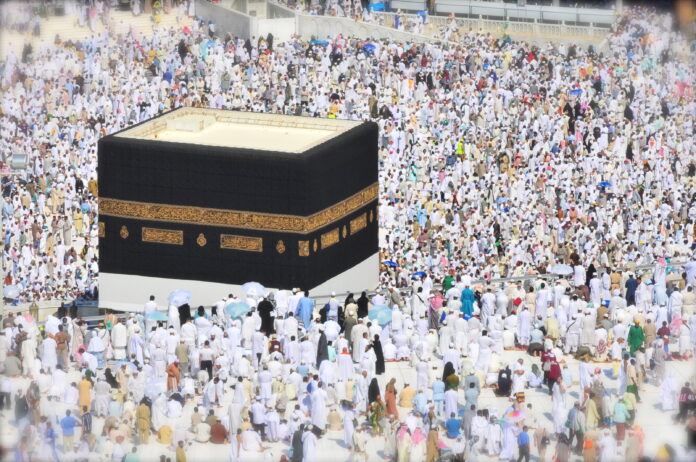
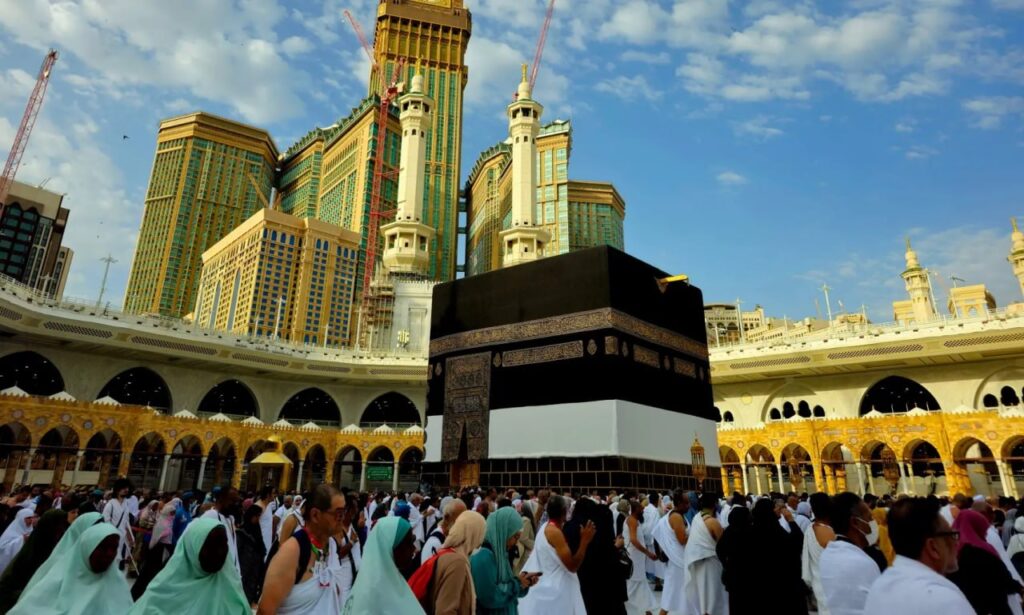
A group of Tajik citizens, who traveled to Saudi Arabia to perform the Hajj, encountered problems due to fake documents and turned to the Committee on Religion, Regulation of Traditions, Celebrations, and Ceremonies under the Government of the Republic of Tajikistan and the Tajikistan Embassy in Riyadh, requesting assistance to return home. The Committee on Religion stated in its statement that the citizens were victims of deception by certain individuals.
“These individuals, seeking financial gain, deceptively lured a group of citizens into the Kingdom of Saudi Arabia with promises to assist in organizing the mandatory Hajj. By preparing fake badges, they convinced the pilgrims that they would supposedly help them obtain the necessary documents. However, in reality, these documents have no legal force and cannot guarantee the legal stay of citizens during the Hajj season,” the Committee’s statement reads.
According to the agency, this group of citizens is currently in a difficult situation and has reached out to the Committee and the Tajikistan Embassy in Saudi Arabia for assistance in returning home.
The Committee emphasized that the deadline for processing documents for the mandatory Hajj this year has long passed, and after this deadline, no travel company can prepare the necessary documents. The agency urged citizens not to believe false promises and to contact the Committee’s hotline in case of such situations: +992 (37)2218358.
This body did not provide specific information about the individuals who brought this group from Tajikistan to Arabia, and thus, it is unknown whether they were arrested or punished for this.
This is not the first time Tajik citizens have fallen victim to promises from private companies or intermediaries when arranging a trip for the Hajj have become victims of promises from private companies or intermediaries. In previous years, there have also been cases where pilgrims with invalid documents reached the Saudi Arabian border but were detained by the country’s police and returned home.
Previously, the Committee on Religion also asked citizens to undertake the mandatory pilgrimage through official channels only. Authorities have repeatedly warned that using tourist, work visas, or other types of documents for the mandatory Hajj is prohibited by Saudi Arabian laws and may result in fines and deportation of pilgrims.
Every year, thousands of people from Tajikistan travel to pilgrimage in Mecca and Medina under the official quota of the Saudi Arabian authorities, and the entire process of their trip is under the control of the Committee on Religion of the Republic of Tajikistan. The cost of the trip for the mandatory Hajj under the quota for Tajik citizens in 2026 is 53,000 somoni, which is approximately 4,000 somoni less than last year.
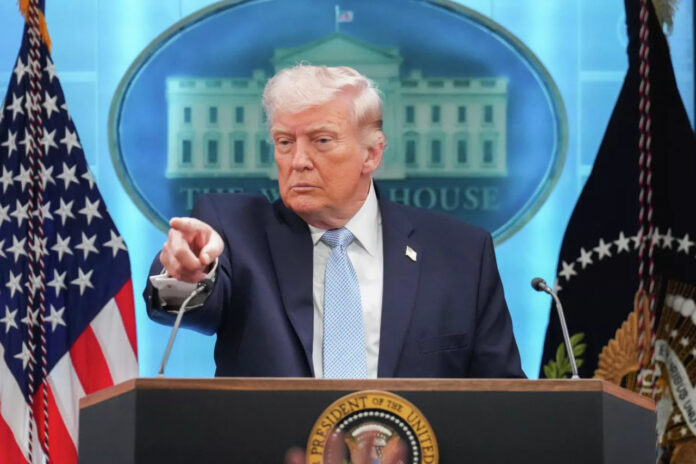
U.S. President Donald Trump announced that countries supplying weapons to Iran will face immediate 50% tariffs on all products sold to the United States. Trump made this statement in his post on the social network Truth Social.
“States supplying military equipment to Iran will be immediately subject to a 50% tariff on all goods entering the US, starting today. There will be no exceptions!” he wrote.
In another post, Trump noted that the US is negotiating with Iran to ease tariffs and sanctions. According to him, many of the 15 points of the peace agreement have already been agreed upon.
The American leader added that Iran has “undergone an extremely productive regime change.” In his opinion, Tehran will no longer engage in uranium enrichment, and the US will “dig up and destroy all deeply buried nuclear dust.”
“It has been and is under very careful satellite observation (Space Force!)” he added.
Recall that the ceasefire agreement between the US and Iran was reached on the night of April 8, just hours before the expiration of Trump’s ultimatum threatening to destroy Iranian civilization. Negotiations between US and Iranian delegations are expected to take place on April 10 in Islamabad, the capital of Pakistan.
Trump stated that the US agreed to the truce because Tehran expressed readiness for the “complete, immediate, and safe” opening of the Strait of Hormuz. The Supreme National Security Council of Iran confirmed the agreement to the ceasefire but emphasized that Tehran is still prepared to respond to US aggression.