Tajikistan officially becomes a candidate to host the 2031 AFC Asian Cup

0
Постер КА

The final list of candidates to host the 2031 AFC Asian Cup has been revealed, with Tajikistan, alongside Uzbekistan and Kyrgyzstan, included in the bid.

The Asian Football Confederation (AFC) has officially concluded the submission period for associations expressing interest in hosting the 2031 and 2035 AFC Asian Cups. This process was initiated by AFC President Sheikh Salman bin Ibrahim Al Khalifa, who proposed that the hosts for both tournaments be confirmed in a single Congress.

The bidding process for the 2031 and 2035 Asian Cups has now ended, and the AFC will move to the next stage: collaborating with the candidate associations to prepare the full bid documentation in accordance with regulations and deadlines.

According to the AFC, six bids for the 2031 tournament have made it to the final stage, including those from Australia, India, Indonesia, South Korea, Kuwait, and a joint bid from Uzbekistan, Kyrgyzstan, and Tajikistan.

An earlier bid from the UAE was withdrawn at the end of November. The AFC is expected to announce the host country in 2026. The 2027 Asian Cup will be held in Saudi Arabia.

For the 2035 tournament, the candidates are: Australia, Japan, South Korea, and Kuwait.

Interest in hosting the Asian Cup remains at a record level. According to the AFC President, this reflects the rapid rise in the tournament’s status, which, after the most recent edition in Qatar, has become one of the most prominent competitions in world football. The tournament set new records for attendance and digital reach, attracting dozens of broadcasters and audiences in hundreds of countries.

The AFC expects that the future hosts of the 2031 and 2035 tournaments will not only provide high organizational standards but also leave a legacy of infrastructure development, increased football interest, and an enhanced international image.

The final decision on the hosts for the 2031 and 2035 Asian Cups will be submitted for approval at the AFC Congress. 

New Lines Institute: “Water shortage becomes a key threat to economic development in Central Asia”

0
Вода

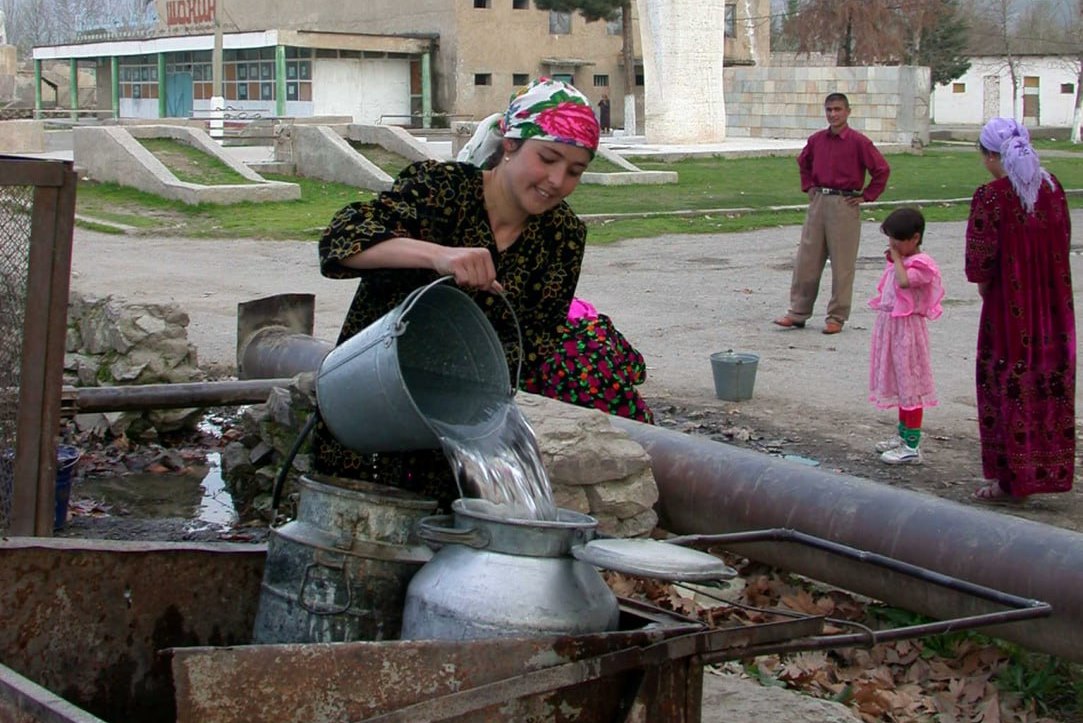
Water availability per capita in Central Asia has decreased more than threefold over the past 40 years, from 8,400 to 2,500 cubic meters annually, making water scarcity one of the main threats to the region's economic development, warn experts from the international think tank New Lines Institute.

In its report published in February 2026, New Lines Institute warned: “Water scarcity is becoming one of the key threats to the economic development and stability of Central Asia.”

The authors emphasize that no country in the region will be able to handle the crisis alone and call for the creation of a comprehensive regional water resource management mechanism.

The report states that the region's water resources are rapidly declining due to climate change and the melting of glaciers in the Tien Shan and Pamir mountains. Additionally, outdated and inefficient irrigation systems exacerbate the situation, with experts estimating that up to 40% of water is lost. Around 80% of the region's water continues to be used for agriculture, making the agricultural sector and food security particularly vulnerable.


Pressing concerns for water resources

A separate section of the report focuses on the growing pressure on water resources. The population in the region is increasing, while governments are launching modernization programs often targeting water-intensive industries, such as manufacturing, energy, mining, and digital technologies. The authors directly warn that without comprehensive planning, these ambitions could worsen the water deficit and increase risks to the economy.

A major issue highlighted by experts is the transboundary nature of water resources. The region's main rivers, the Amu Darya and Syr Darya, flow through multiple countries, and tensions between upstream and downstream nations have already led to conflicts. The report emphasizes that without coordinated water management rules, these risks will only grow.


The "human dimension" of the crisis

The authors also point out the "human dimension" of the crisis. In upstream countries such as Tajikistan and Kyrgyzstan, a significant portion of the rural population faces challenges accessing safe drinking water. In Tajikistan, less than a third of rural households have reliable access to safe water, while in Kyrgyzstan, nearly half of rural settlements lack reliable water supply.

A new emerging risk factor in the report is Afghanistan. Experts call on international partners to support the efforts of Central Asian countries to involve Afghanistan in a unified water resource management mechanism in order to reduce uncertainty around the use of transboundary rivers.


Recommendations for a regional approach

The key recommendation from the authors is to shift from fragmented measures to a regional "architecture" for water management. They propose preparing a new comprehensive agreement on water and energy, creating a unified regional body responsible for implementing agreements and targets. The report also suggests improving management efficiency by merging existing institutions into a single comprehensive organization with a permanent secretariat and clear decision-making rules.

The authors stress that previous mechanisms lacked effective enforcement tools, so the new approach should include oversight and sanctions for non-compliance.

Finally, the report underscores the role of external partners. The authors urge the international community to assist Central Asia with practical support — investments, technology, and expert assistance — to modernize irrigation systems and water management, as the region's countries lack the resources for swift reforms.


The bottom line

In conclusion, New Lines Institute states: "Water scarcity in Central Asia cannot be fixed by each country acting separately — a unified set of rules, a single management system, and support for reforms are necessary. Without these, the risks to the economy, social stability, and regional security will continue to grow."

Water crisis in Central Asia by the numbers

·         80% of all water in the region is used for agriculture.

·         40% of water is lost due to outdated irrigation systems.

·         80% of glaciers could disappear with a 4°C rise in temperature.

·         8,400 → 2,500 m³ — decline in per capita water availability in Central Asia over the past 40 years.

·         1,700 m³ — level of chronic water deficit by 2030.

·         92% — loss of water volume in the Aral Sea.

·         8%–20% — possible reduction in the flow of the Amu Darya due to the Qoshtepa canal.

·         5 million people — risk of climate-induced migration in the region in the next 25 years.


AI Impact Summit: From Global Dialogue to Tangible Impact for Humanity, Planet and Progress

0
India

India is gearing up to host a major global event on artificial intelligence (AI) — the India AI Impact Summit 2026. This historic gathering will take place from February 16 to 20, 2026, at Bharat Mandapam in New Delhi. It marks the first time a large-scale international AI summit is held in the Global South.

Prime Minister Narendra Modi first announced the summit during an earlier AI meeting in France. Unlike past global AI talks (in places like the UK, South Korea, and France) that focused mainly on safety rules or general plans, this one shifts the spotlight to real-world results. The goal is to show how AI can make a positive difference in people's lives, protect the environment, and support steady growth. The summit rests on three simple core ideas, called “Sutras”:

·         People — putting humans first, making AI fair and helpful for everyone.

·         Planet — using AI in ways that help the environment and fight climate change.

·         Progress — driving economic and social advances through smart technology.

These ideas connect to seven areas of teamwork between countries: building skills, including everyone (especially women and youth), creating safe and trustworthy AI, making systems more efficient, advancing science, sharing resources fairly, and using AI for jobs, growth, and social benefits.

The event's main message is clear: stop just talking about AI — start using it to solve real problems. Already, more than 35,000 people have signed up for the Summit. The Summit organisers expect 15 or more heads of government, over 50 ministers, 500+ top AI experts and company leaders, and hundreds of startups to attend the event. Around 500 sessions will highlight practical AI tools in areas like healthcare, farming, schools, climate protection, and government services. Key highlights include:

·         The India AI Impact Expo — a big showcase running all five days, with 300–400+ exhibitors from India and more than 30 countries. It will fill over 10 themed areas and welcome 150,000+ visitors to see working AI examples.

·         Three open global contests: “AI for All” (open to everyone), “AI by Her” (led by women), and “YUVAi” (for young people aged 13–21).

·         A special research meeting focused on ideas from the Global South.

 ·         Live demos of ready-to-use AI solutions.

This summit builds on India's fast-growing AI work at home. The India AI Mission, launched in March 2024, follows the motto “Make AI in India and Make AI Work for India.” It has seven main parts, and progress has been strong:

·         Compute power — India aimed for 10,000 high-end GPUs (special computer chips for AI); it now has over 38,000 available, at a low cost of just ₹65 (less than $1) per hour — one of the cheapest rates anywhere.

·         AI Kosh — a national library with 5,500+ datasets and 251 AI models covering 20+ fields.

·         Home-grown AI models — support for Indian large language models (like those from Sarvam AI) and Bharat Gen, which works in 22 Indian languages.

·         Bhashini — a translation tool with over 1 million downloads, handling real-time speech and text in more than 20 languages.

·         Ready-to-use apps — 30+ government-approved AI tools already helping in daily services.

·         Skill-building — thousands of scholarships and AI labs in smaller cities.

·         Safe AI — more than 13 projects to reduce bias and ensure fairness.

·         Funding for startups — help for Indian tech companies to grow worldwide.

India's AI scene is booming. The tech industry could hit $280 billion in sales in 2025 and employ over 6 million people. More than 1,800 global company centers operate here, with 500+ focused on AI. Global rankings place India third in overall AI strength, top four in talent and rules, and second in open AI code contributions on GitHub. Government programs weave AI into daily life for greater fairness. Special centers improve telemedicine in healthcare, predict crop pests for farmers (via Kisan e-Mitra), offer personalized learning in schools (under the National Education Policy 2020), speed up courts (e-Courts), and sharpen weather predictions. Many worry AI will take jobs, but experts say the opposite: India's AI workforce could double to 1.25 million by 2027, thanks to large training programs.

The summit's results will spread widely. AI might add $1.7 trillion to India's economy by 2035. It will speed up fair access for women, young people, rural areas, and those with disabilities. The “Planet” focus will push green AI and climate fixes. For developing nations like Tajikistan, it provides a chance to build AI that fits local languages and needs, instead of just using tools made for other places. India is acting as a link between tech giants and growing economies by sharing cheap computing power, data, and training. The summit will spark new partnerships, joint projects, and clear guidelines for safe, shared AI benefits. As India moves toward its goal of a developed nation by 2047 (Viksit Bharat), the message is simple: AI should help all people. This summit is more than meetings,  it's a promise to build a future where technology lifts everyone, cares for the Earth, and creates progress we all share. The world is paying attention, and India is stepping up to show the way.


Top 10 fruit export leaders of Tajikistan

0
Сухофрукты

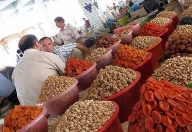
Fruit exports remain a key driver of Tajikistan's agricultural sector. In 2025, the country significantly increased its shipments of both fresh and processed fruit products, strengthening its position in international markets.

The largest export revenue came from dried apricots, mixed dried fruits, and fresh grapes. Other significant exports included dried and fresh peaches, apricots, apples, pistachios, and citrus fruits.

The data provided by the Export Agency highlights the strong demand for Tajik products and the potential for further growth in fruit and vegetable exports (figures in the table are rounded).


Fruit Exports

Fruit Name

Value in $

    Volume in tons

Dried apricots

$29.7 million

    10.5 thousand tons

Mixed dried fruits

$9.6 million

    1.3 thousand tons

Fresh grapes

$9 million

    3.4 thousand tons

Dried peaches

$3.6 million

    1.4 thousand tons

Fresh apricots

$3.2 million

    1.1 thousand tons

Dried apples

$2.9 million

    1.8 thousand tons

Pistachios

$2.5 million

    1 thousand tons

Fresh plums and cherries

$1.6 million

    960 tons

Fresh peaches

$1.3 million

    463 tons

Lemons

$1.2 million

    660 tons


Tajikistan’s Energy Oversight Agency reports over 2,200 technical inspections in 2025

0
Приписки иллюстративное фото

In 2025, the State Energy Oversight Agency under the President of Tajikistan conducted 2,230 technical inspections of electrical installations in government bodies and institutions, the agency reported.

During joint operations with law enforcement agencies and independent inspections, 2,713 cases of electricity usage violations were identified. The total amount of illegally consumed electricity reached 174.2 million kWh, resulting in a state loss exceeding 235.6 million somoni (more than $25 million).

Following these inspections, protocols for administrative violations were issued against 3,787 responsible individuals, amounting to 1.8 million somoni. In addition, law enforcement agencies issued rulings on 2,038 more cases, totaling 492,000 somoni.

In 2025, 406 employees from energy companies, including workers from the state-run Raspredelitel'nye Elektroseti (Electricity Distribution Networks), Barqi Tojik, and Pamir Energy, faced administrative charges. Based on the Agency's findings, more than 130 criminal proceedings have been instituted.


Energy misuse and abuses

Massive inspections in electrical network structures across cities and districts revealed over 321 million kWh of electricity fraudulently recorded on consumer accounts, totaling 106 million somoni. The largest violations were found in Dushanbe, the cities and districts subordinate to the center, as well as in Bokhtar and Kulob.

Abuses were also uncovered at the pumping stations of the Agency for Irrigation and Drainage, where 57 million kWh of electricity was misappropriated, amounting to 9.3 million somoni. Materials related to all violations were sent to the relevant authorities.


Preventive measures and awareness campaigns

The Agency has been actively involved in preventing the illegal use of electricity. Throughout the year, experts participated in 145 television programs, conducted 71,000 informational campaigns in public places, and distributed informational brochures and excerpts from the legislation.

Together with the Communications Service, six mobile operators sent SMS notifications on energy-saving and legal electricity consumption to more than six million subscribers four times.

The Agency also investigated 29 accidents, 21 of which resulted in fatalities.


About the Agency

The State Energy Oversight Agency under the President of Tajikistan was established by a presidential decree on March 28, 2025. The agency is responsible for state energy oversight, monitoring the rational and efficient use of electricity, and ensuring safety standards in electrical systems.

The maximum staff number for the Agency is set at 157 employees. Funding comes from the national budget, special accounts, and other sources, in coordination with the Ministry of Finance of Tajikistan.

TajikBorn: how one project promotes Tajik culture in the digital world

0
ТоджБорн

Photos of historical sites, national dishes, and promotional videos—some created with artificial intelligence—are the core content of the TajikBorn project. Launched by two Tajik women living abroad, the initiative aims to introduce Tajik culture to a global audience.

The founders of TajikBorn, Anakhita Nazri and Mohitobon Jonon, are working to popularize their nation’s culture in three languages: Tajik, Russian, and English. They shared the details of their project with Asia-Plus.


National pride

Anakhita has lived in various countries since the age of 13. She graduated from the International Academy of Oman, the University of Management and Economics ISM in Vilnius, and the SolBridge Business School at Woosong University in Daejeon, South Korea.

Mohitobon, who grew up in Dushanbe, moved with her family to Pakistan, China, and later to the United Kingdom during her teenage years.

Anakhita recalls that a few years ago, when foreigners asked her where she was from, she would proudly say she was Tajik and from Tajikistan. However, she couldn’t find enough high-quality content on social media to accurately present her country.

"I saw how people from other countries proudly talk about their flag, language, and music. I realized I could also be proud of my people, and that sparked a sense of national pride in me," she says.

ИЗОБРАЖЕНИЕ Anakhita Nazri

According to Anakhita, her parents always told her to be proud of her Tajik roots and show the world that her people have a rich culture.

"I set myself the goal of proving that Tajiks can be modern, independent, educated, and still maintain respect for their culture and traditions," she adds.

Mohitobon explains that after finishing school, she became interested in studying Tajik language and culture. She believes that hundreds of Tajiks living abroad yearn for their language and cultural roots, and this inspired her to promote them.

ИЗОБРАЖЕНИЕ Mohitobon Jonon


How the idea came to life

According to Mohitobon, the name TajikBorn came about by chance. She and Anakhita connected through Instagram and began looking for ways to improve their Tajik language skills.

One day, Anakhita updated her profile description to read: "Tajik-born, South Korea-based." Later, Mohitobon added to her own: "Tajik-born, London-based." That’s when the idea to create the TajikBorn digital project was born.

"Before launching the project, we involved designers and people who were interested in this non-commercial initiative. Javonshir and Robiya volunteered to work with us," Anakhita recalls.

ИЗОБРАЖЕНИЕ Robiya, project designer

Today, TajikBorn is managed by four Tajiks from four different countries: Anakhita in Riga, co-founder Mohitobon in London, designer Robiya in Moscow, and social media manager Javonshir in Dushanbe.

"For us, the visual presentation and quality of content are very important. This helps attract a broader audience," say the founders. 


Getting to know ourselves: TajikBorn bridges gaps for the diaspora

Anakhita points out that many, not only foreigners but also some Tajiks living abroad, are not fluent in the Tajik language. That’s why the TajikBorn team publishes content in three languages. For many members of the Tajik diaspora, this page has become a kind of "introduction to themselves."

"In English-language media and academic circles, Tajik culture is still underrepresented. The main goal of TajikBorn is to make information about the history, art, and heritage of the Tajik people accessible in English," she says.

In just over a year, TajikBorn has transformed from a small social media project into an active digital community. The project's content has helped Tajiks from all around the world—many of whom had been seeking information about their history, culture, and language—better connect with their roots.

ИЗОБРАЖЕНИЕ

"Tajik culture in the digital space is not just about photos of women in traditional costumes. Our goal is to break established stereotypes and showcase a modern state and culture. Tajiks are keeping pace with other nations, acquiring modern knowledge, but still respect their ancestors and traditions," explains Mohitobon.

According to the project’s creators, TajikBorn is followed by researchers, artists, designers, and foreigners interested in the cultures of Central Asia.

Additionally, the team uses artificial intelligence to "bring to life" historical photographs, paintings by artists, and images of national dishes, presenting them to the audience in a fresh and engaging format.

ИЗОБРАЖЕНИЕ

TajikBorn also has its own set of stickers, created to promote the project. They can be purchased through the official page for 55 somoni.

"The goal of releasing the stickers is not profit-making but to promote Tajik culture. The funds raised go toward supporting the project," explains Anakhita.

For the founders, it is important that young people, in particular, take pride in their roots and present their culture in a modern way.

The founders hope that in the coming years, TajikBorn will grow from an Instagram page into a major cultural project.


Life after prison: why former inmates in Tajikistan struggle to start over

0
Таджикская_тюрьма_Автор_Азия_Плюс

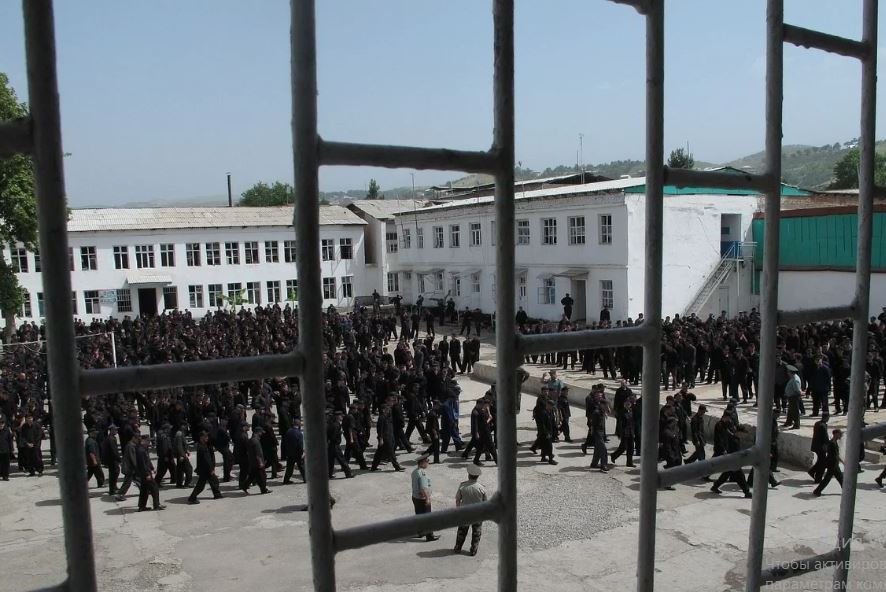
Release from prison does not mean a return to normal life. A lack of documents, difficulties finding work and housing, and deep-rooted social stigma turn the reintegration of former inmates into a serious challenge — both for the individuals themselves and for society as a whole.

Formally, people who have served their sentences return to society with the same rights as other citizens. In practice, however, their post-release lives often begin with a complex set of interconnected problems that make it difficult to rebuild their lives and achieve financial independence.


Why reintegration matters

Reintegration is essential to reducing repeat crime. When a person has valid documents, a job and a place to live, they can support themselves and their families legally. Without these basics, the risk of reoffending rises sharply.

Supporting former inmates benefits society as well. It reduces pressure on prisons and law enforcement agencies and contributes to public safety. Experts note that helping someone reintegrate is far more effective — and less costly — than incarcerating them again after a new offense.


Documents as the first obstacle

One of the most urgent problems after release is restoring personal documents, particularly a passport. Obtaining one requires paying fines and state fees and having a registered place of residence. Without registration, the process can come to a standstill.

Without a passport, former inmates cannot work legally, rent housing, receive social benefits or resolve legal issues. As a result, they become trapped in a cycle where the absence of one document leads to multiple other problems.


Employment barriers

Although Tajik law does not restrict citizens’ rights based on a criminal record, employers often demand a certificate of no criminal record, even in the private sector.

“Today, employers almost everywhere require a certificate of no criminal record, even though the law does not mandate this. It creates a real barrier to reintegration,” says Nargis Zokirova, head of the Bureau of Human Rights and the Rule of Law.

Experts warn that the inability to earn a legal income significantly increases the risk of reoffending.


Housing: an unresolved issue

Many former inmates cannot return home after release. Some are rejected by their families, while others simply have nowhere to go. Tajikistan lacks temporary shelters or transitional housing programs, leaving many people homeless and further marginalized.


Women face double stigma

Women who have been imprisoned face particularly severe challenges. They experience double stigma — as former inmates and as women — and are often deprived of family support, judged harshly by society and face greater difficulties finding work and housing.


Limited state support

After release, former inmates can register as unemployed and receive a monthly allowance of 600 somoni for up to three months. Those without a profession may enroll in vocational training programs run by the Ministry of Labor.

Experts say this assistance is short-term and insufficient for sustainable reintegration. Tajikistan lacks comprehensive state programs that combine employment, housing and long-term support.

At the same time, the country has launched a five-year rehabilitation and reintegration program for individuals convicted on terrorism and extremism charges. Authorities report that 1,750 such crimes were recorded in 2024. More than 1,500 people remain imprisoned, including some convicted for actions that previously involved social media likes or reposts.


Shrinking role of NGOs

In the past, non-governmental organizations provided crucial legal, social and psychological assistance to former inmates. In recent years, however, this support has declined due to funding cuts.

“We stopped working in this area more than a year ago. Our legal aid offices in Dushanbe, Khorog, Bokhtar and Khujand were closed after funding was reduced,” Zokirova said.

Many of these initiatives had been supported by international donors, including the European Union, but now operate on a much smaller scale.

Who is still helping

One organization that continues its work is Otifa, a public organization based in Khujand and registered in 2017. It supports women who have been released from prison by providing psychological assistance and employment opportunities.

According to Otifa’s director, Sanoat Nourmatova, many of the women have been rejected by their families. The organization operates a sewing workshop where former inmates can earn a stable income, offering not only short-term relief but long-term support and a chance to rebuild their lives.


More than 400 women serving prison sentences in Tajikistan

0
Бунафша

More than 400 women are currently serving their jail terms in a women’s penal colony in Nurek, according to Ms. Bunafsha Fayziddinzoda, Chairperson of the Committee on Women and Family Affairs under the government.

She said that most criminal cases involving women are related to economic offenses.

Fayziddinzoda also reported that representatives of the Committee visited correctional facilities in November last year to assess the conditions under which convicted women are held. According to her assessment, detention conditions are satisfactory, with women provided with the necessary living and social amenities.

“During the meetings, a number of appeals were received from convicted women and reviewed in accordance with current legislation. Some of the issues raised, however, did not fall within the Committee’s mandate,” she said.

The head of the Committee did not specify the content of the appeals but noted that the cases of journalists Rukhshona Hakimova and Ulfatkhonim Mamadshoyeva, who are serving sentences in a penal colony in Nurek, fall under the jurisdiction of other state bodies.

According to Fayziddinzoda, overall crime among women has declined, while crime among girls has increased. In 2025, a total of 1,590 crimes committed by women were recorded, including 19 committed by girls. Compared to 2024, crimes committed by women decreased by 175 cases, while those involving girls rose by five.

At the same time, the number of crimes against women and girls increased in 2025. Authorities recorded 3,423 crimes against women, up from 3,246 in 2024, and 288 crimes against girls, compared to 208 the previous year.

Committee data show that in 2024, a total of 483 women were held in Tajikistan’s correctional institutions. Of these, 349 were serving sentences in women’s colonies, 30 in settlement-type facilities, and 54 were held in pretrial detention centers. Eight women were incarcerated together with their children. That year, 77 women were released from prison.


Tajikistan ranks among the world’s import-dependent economies

0
photo_2026-02-05_11-32-17

Tajikistan is placed 81st in the global ranking of import dependence. According to the World Bank, imports of goods and services accounted for 48.4% of the country’s gross domestic product (GDP) in 2023, well above the global average and indicating a high reliance on external supplies.

World Bank data published by Visual Capitalist show that nearly half of Tajikistan’s economy is linked to imports. By comparison, the global average in 2024 stood at 28.2% of GDP, making Tajikistan one of the more vulnerable economies worldwide.

World Bank experts note that for a landlocked country with a limited industrial base, such a structure is largely expected. Tajikistan relies heavily on imports of fuel, food, machinery and industrial equipment, which are difficult or economically inefficient to produce domestically.

Among Central Asian countries, Tajikistan is one of the most import-dependent economies, ranking second only to Kyrgyzstan. Kyrgyzstan placed 17th globally, with imports accounting for 84.2% of GDP, making it one of the most import-dependent countries in the world.

Uzbekistan shows more balanced figures, with imports amounting to 38% of GDP in 2024. Kazakhstan, benefiting from substantial natural resources and a strong export sector, recorded one of the lowest import shares in Central Asia at 25.6% of GDP. Turkmenistan ranked at the bottom of the list with 11.2% of GDP, reflecting its relatively closed economy and focus on domestic production and energy exports.

Globally, the highest levels of import dependence were recorded in Hong Kong, Luxembourg, San Marino and Singapore. These are major trade and financial hubs through which large volumes of goods pass, often for re-export, pushing imports above 100% of GDP.

At the lower end of the ranking are Sudan, Venezuela and Turkmenistan, where low import shares reflect either economic isolation or severe restrictions on foreign trade.

Overall, the Europe and Central Asia region recorded an average import dependence of 41.4% of GDP in 2024. Against this backdrop, Tajikistan is close to the regional average but remains more vulnerable than the region’s largest economies.

World Bank experts stress that a high share of imports is not inherently negative. However, amid rising geopolitical tensions, price volatility and disruptions in global supply chains, it increases risks to economic stability.

For Tajikistan, this underscores the importance of developing domestic production, strengthening energy independence and expanding regional economic cooperation.

The treasury of Sughd: main attractions of northern Tajikistan

0
Главная Стелла в Худжанде

Wander through the atmosphere of an eastern bazaar in Khujand, breathe in the dust of millennia-old history in Panjakent, follow the footsteps of Alexander the Great, and watch the sunset over a turquoise lake — in Tajikistan’s Sughd Region, all of this can fit into either a week-long journey or a short weekend escape. Here, the legacy of the Great Silk Road is not an abstract concept but a tangible reality of fortresses, cities and trails open to every traveler.

To help navigate this rich mosaic of eras and landscapes, we have selected the key destinations in Sughd — places worth every kilometer traveled.


Khujand: the heart of the region

A journey through Sughd is best started in its administrative center, Khujand, one of the oldest cities in Central Asia.

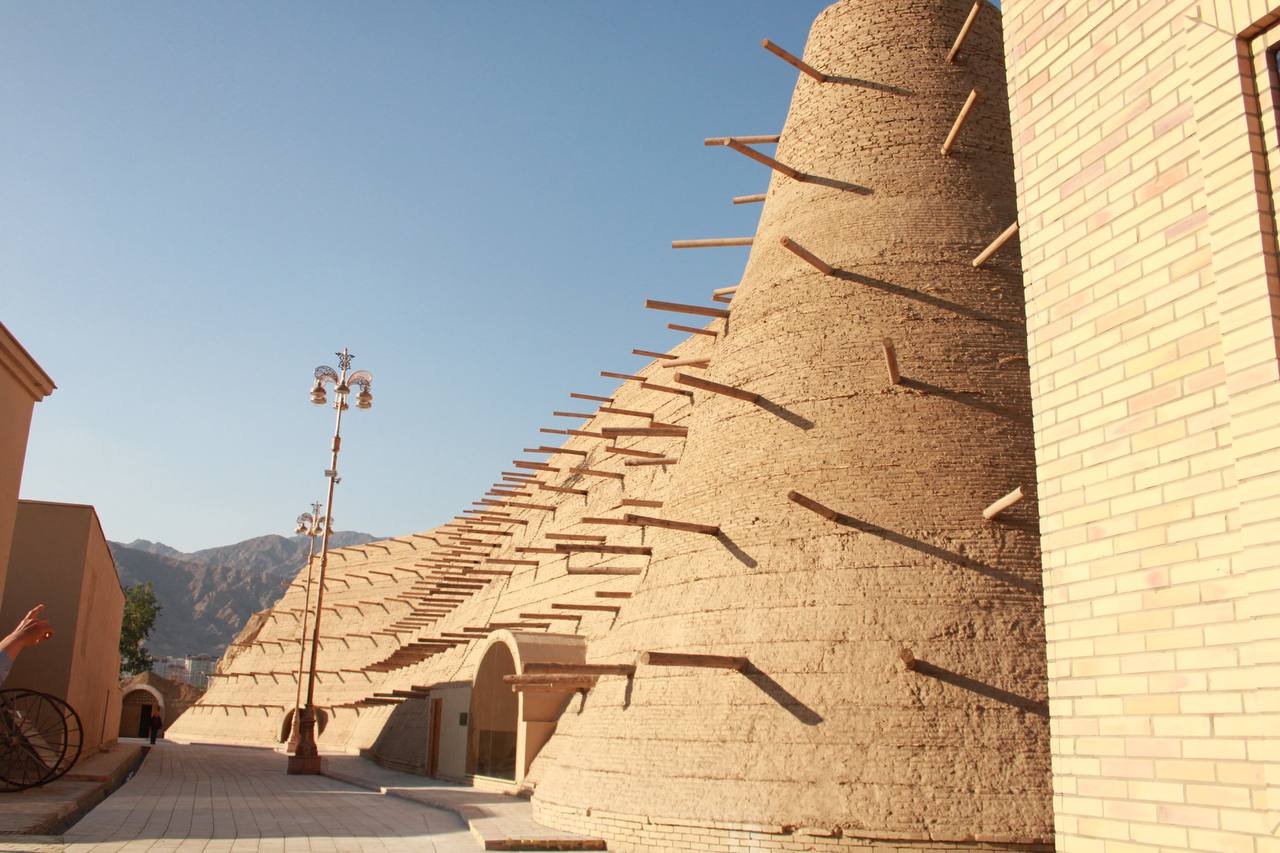
The city’s main landmark is the Khujand Fortress, founded in the 6th–5th centuries BC and once besieged by the armies of Genghis Khan.
ИЗОБРАЖЕНИЕ

Today it houses a historical museum, while the surrounding area has been turned into a landscaped park along the Syr Darya River.

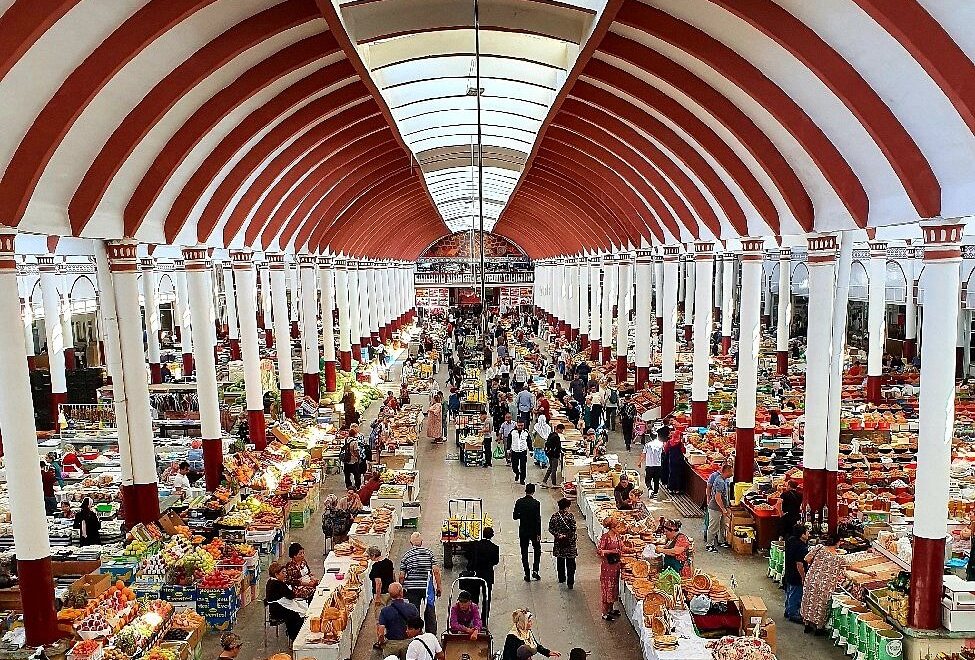
A visit to the Panjshanbe Bazaar is an essential part of the Khujand experience.
ИЗОБРАЖЕНИЕ

One of the most vibrant markets in the region, it attracts visitors not only with dried fruits and traditional bread but also with its striking architecture, considered among the finest in Central Asia.

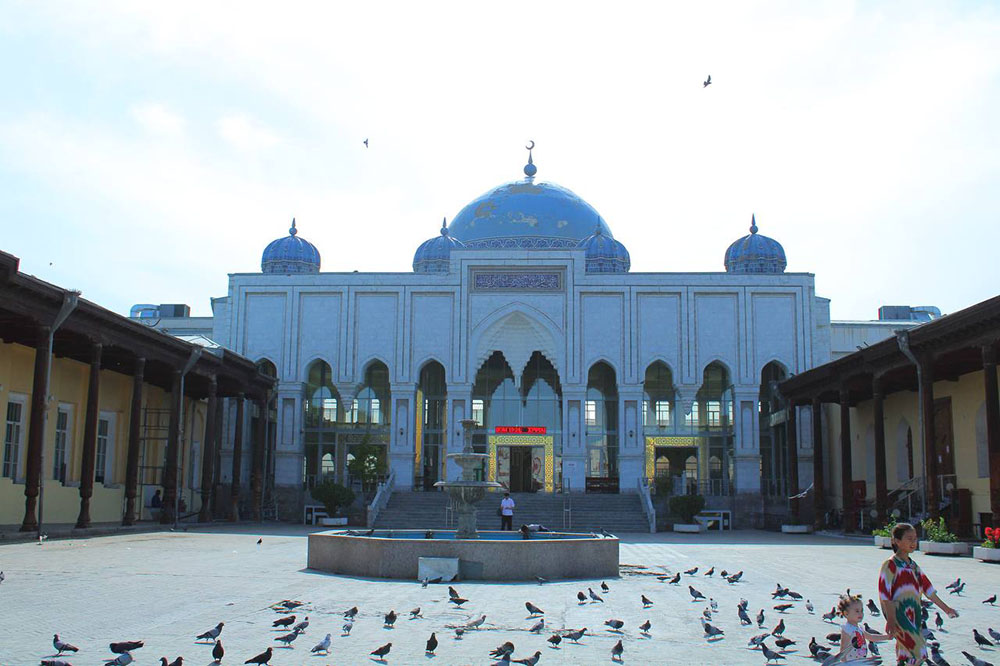
Opposite the bazaar stands the Sheikh Muslihiddin Mausoleum, a religious complex dating from the 12th to the 19th centuries.
ИЗОБРАЖЕНИЕ

It includes a mosque, a minaret and the tomb of the revered ruler, with particular attention drawn to the 19th-century minaret and the intricate ganj (alabaster) carvings inside.


Panjakent: the “Pompeii of Central Asia”

Another historic gem of the region is Panjakent, where history seems frozen in stone and clay.

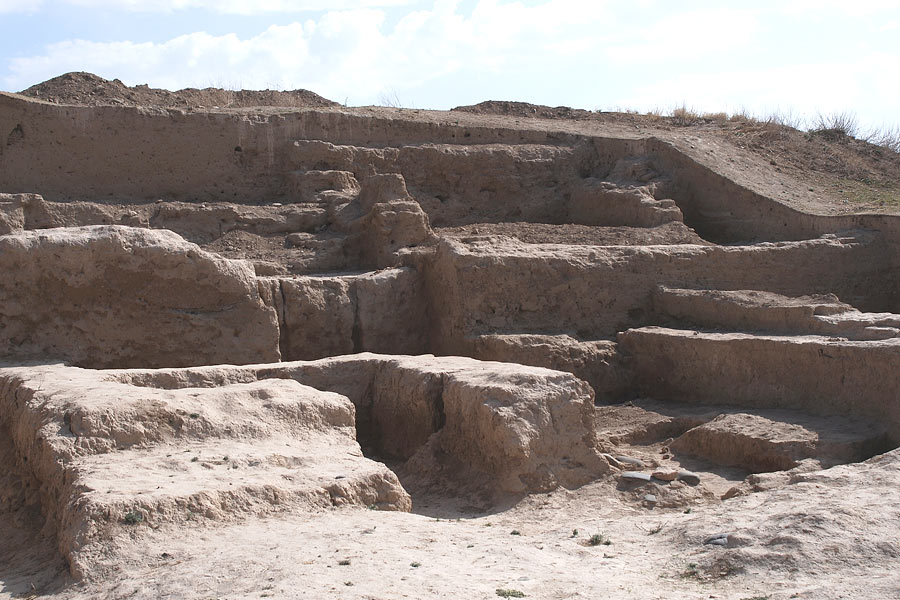
On the outskirts of the modern city lie the ruins of Ancient Panjakent, a prosperous Sogdian city of the 5th–8th centuries.
ИЗОБРАЖЕНИЕ

Archaeologists uncovered palace foundations, temples and residential quarters here. Famous wall paintings discovered at the site are now housed in the Hermitage Museum and the National Museum of Tajikistan in Dushanbe.

Nearby is Sarazm, a settlement more than 5,500 years old and a UNESCO World Heritage Site.

ИЗОБРАЖЕНИЕ

One of the oldest known urban sites in the world, Sarazm offers rare insight into the early development of civilization in the region.

Not far away stands the mausoleum of Abu Abdallah Rudaki, the founder of Tajik-Persian poetry. Located in the picturesque village of Panjrud, it is an important cultural and spiritual site for understanding Tajik identity.


Natural treasures: the Fann Mountains

Sughd is a paradise for lovers of mountains and water.

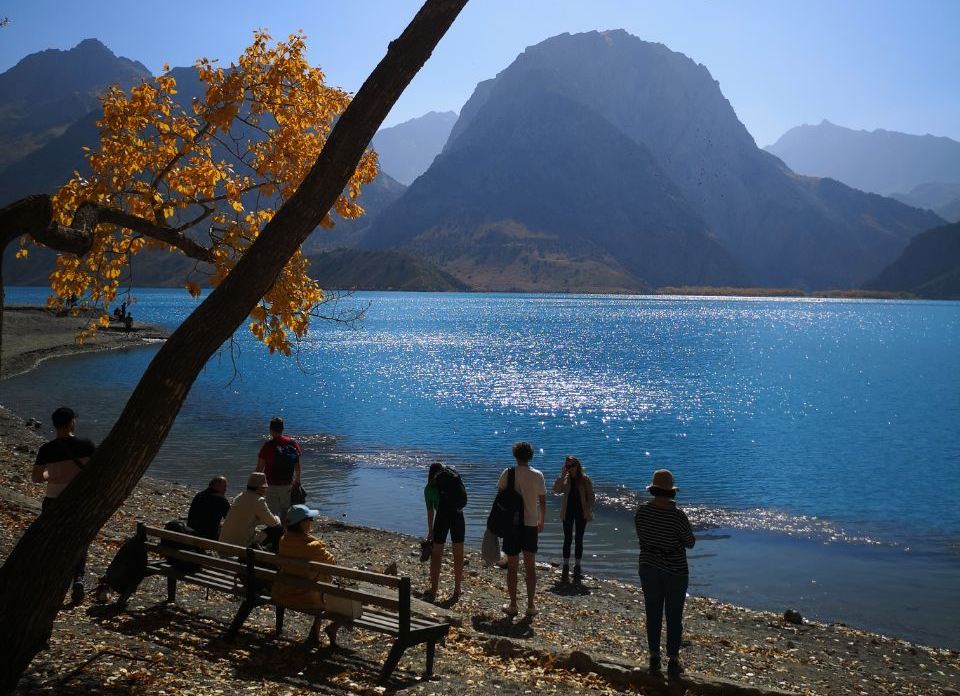
The region is home to Iskanderkul, one of Tajikistan’s most famous lakes, named after Alexander the Great.
ИЗОБРАЖЕНИЕ

Often described as the country’s calling card, it is accompanied by nearby attractions such as the 40-meter-high “Fann Niagara” waterfall and the neighboring Snake Lake.

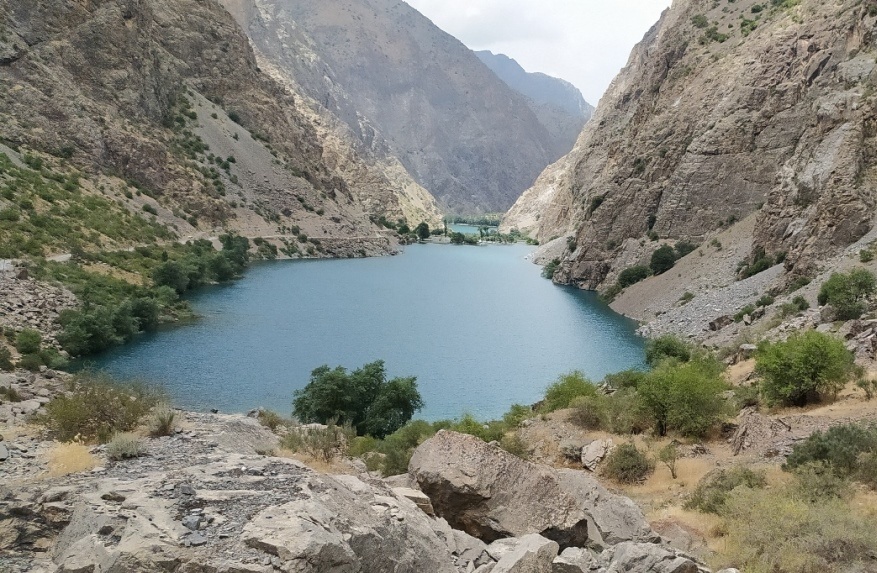
Equally striking are the Marghuzor Lakes, known as Haft Kul, a chain of seven lakes set in the Shing River gorge.
ИЗОБРАЖЕНИЕ

Each lake has its own distinct hue, ranging from pale blue to deep violet. Six lakes are accessible by car, while the seventh — Hazorchashma, or “Thousand Springs” — can be reached via a scenic hiking trail.

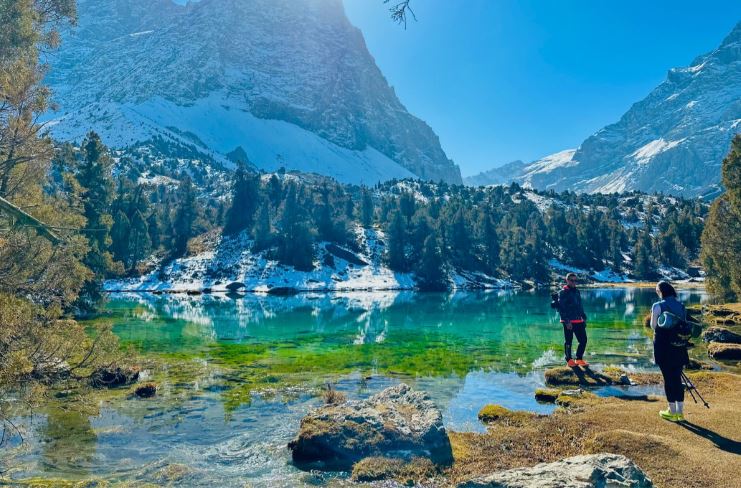
The Alauddin Lakes, located in the heart of the Fann Mountains, are renowned for their dramatic alpine scenery and crystal-clear waters.
ИЗОБРАЖЕНИЕ

Nearby is the Artuch mountaineering base, a starting point for serious trekking routes, surrounded by relic juniper forests.


Istaravshan: a city of craftsmen

On the road between Khujand and Panjakent, a stop in Istaravshan (formerly Ura-Tyube) is well worth the time. One of the country’s oldest cities, it is famous for its craft traditions.
ИЗОБРАЖЕНИЕ

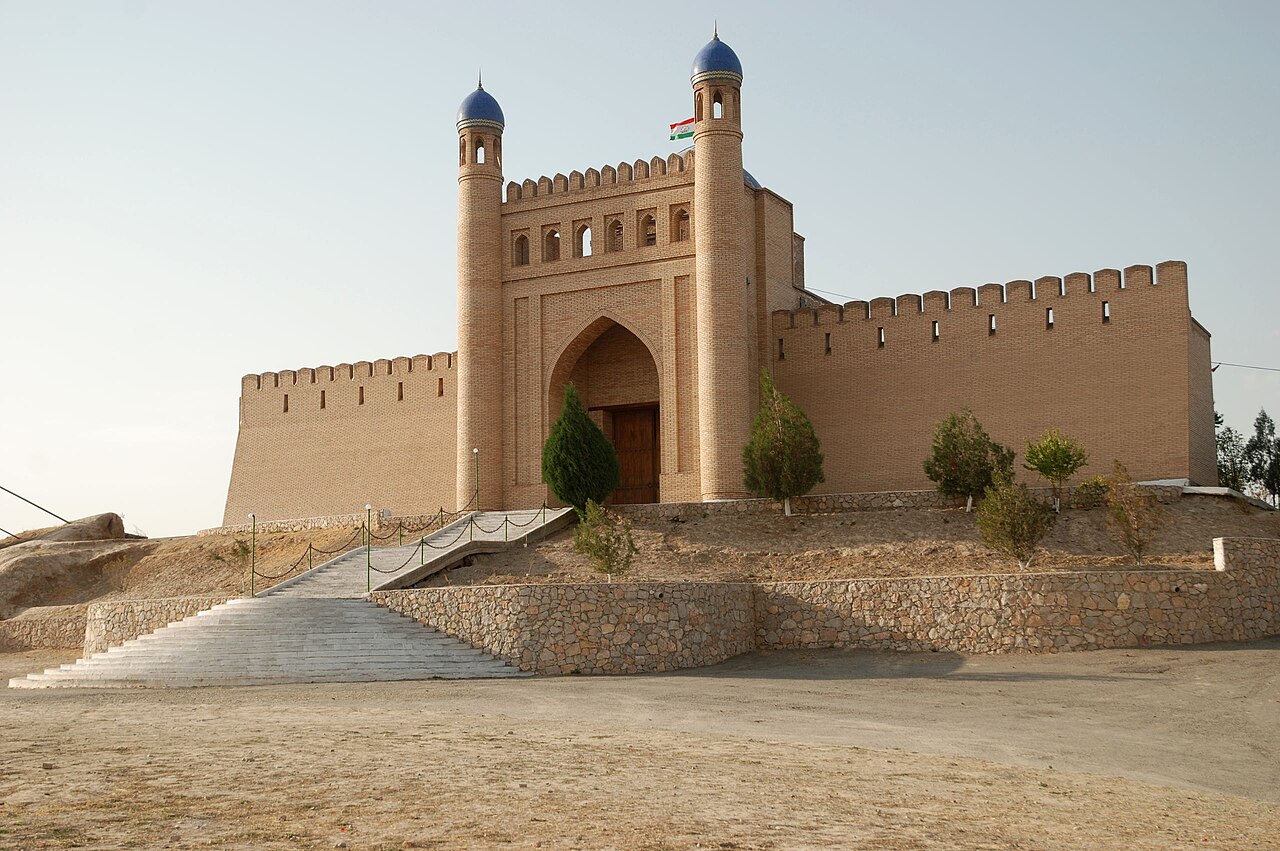
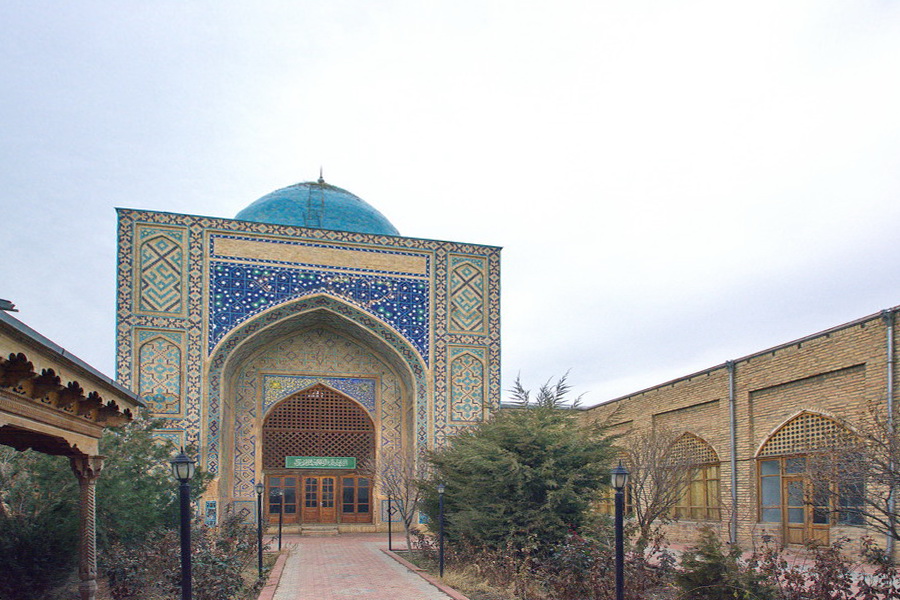
The reconstructed Mug Fortress rises above the city, offering panoramic views. Another highlight is the Kok-Gumbaz mosque-madrasa, built in the 16th century and distinguished by its massive blue dome — a rare example of Timurid-era architecture in Tajikistan.
ИЗОБРАЖЕНИЕ

Istaravshan is also known for its metalworking traditions, producing some of the country’s finest handmade knives.


Arbob Palace and the Tajik Sea

After touring the region and returning to Khujand, several more sites can round out the journey.

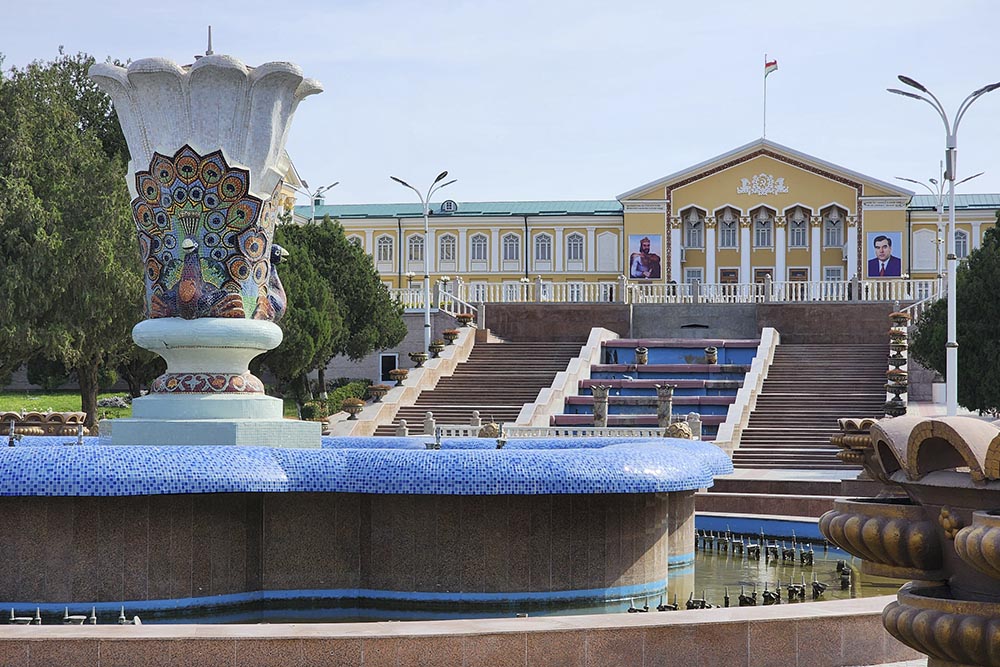
The Arbob Palace, built in the 1950s on the outskirts of the city, is sometimes called the “Taj Mahal” of the Soviet era.
ИЗОБРАЖЕНИЕ

It features hand-painted ceilings, carved wooden columns and a cascading fountain ensemble reminiscent of Peterhof. The palace blends Stalinist Empire style with traditional Tajik craftsmanship.

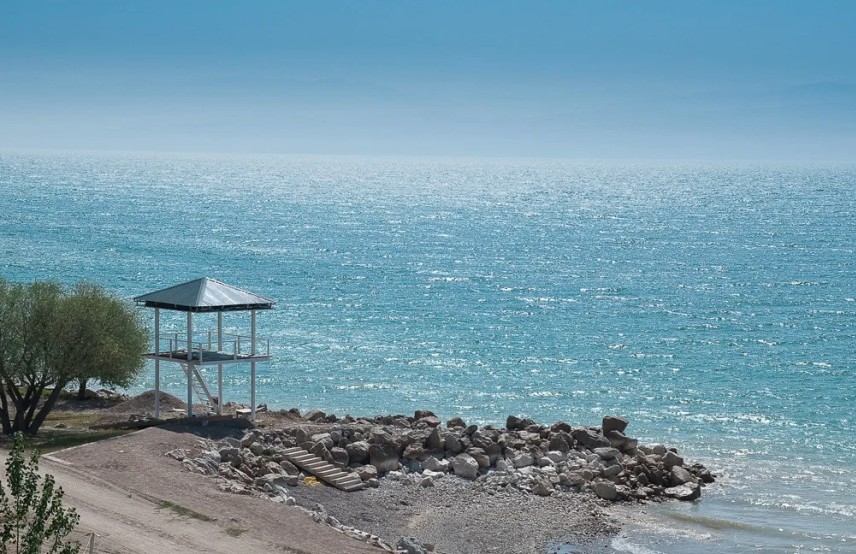
About 25 kilometers from Khujand lies the Qayroqqum Reservoir, often referred to as the Tajik Sea.
ИЗОБРАЖЕНИЕ

Stretching roughly 55 kilometers, this vast artificial lake is a popular recreational area, home to sanatoriums, beaches and lakeside cafés.

After mountain hikes and ancient ruins, the Tajik Sea offers an ideal place to relax, swim and enjoy freshly grilled fish.

Local tour operators such as Silkway Adventure, Amir Tour, Orient Adventure, Rasul Tour and others can help travelers plan customized routes or join group tours.