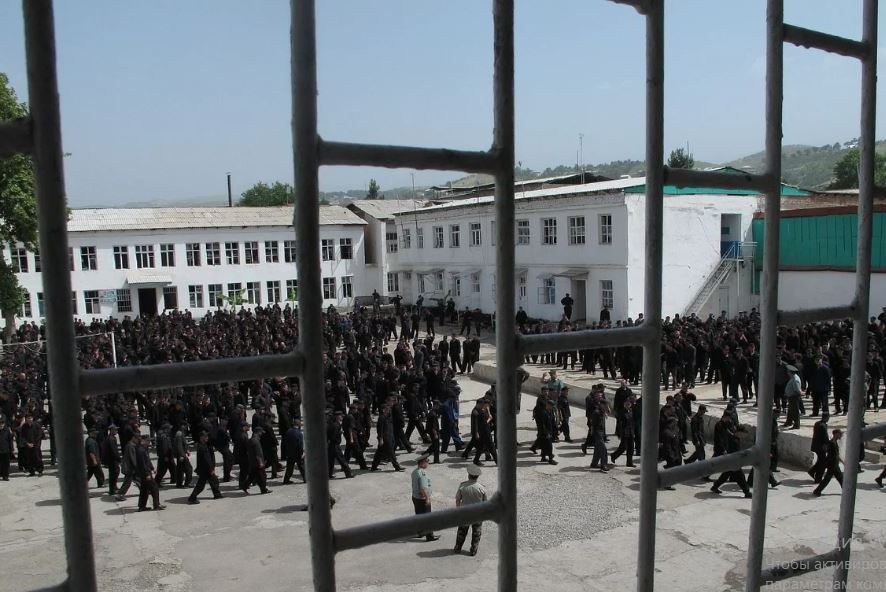
Release from prison does not mean a return to normal life. A lack of documents, difficulties finding work and housing, and deep-rooted social stigma turn the reintegration of former inmates into a serious challenge — both for the individuals themselves and for society as a whole.
Formally, people who have served their sentences return to society with the same rights as other citizens. In practice, however, their post-release lives often begin with a complex set of interconnected problems that make it difficult to rebuild their lives and achieve financial independence.
Why reintegration matters
Reintegration is essential to reducing repeat crime. When a person has valid documents, a job and a place to live, they can support themselves and their families legally. Without these basics, the risk of reoffending rises sharply.
Supporting former inmates benefits society as well. It reduces pressure on prisons and law enforcement agencies and contributes to public safety. Experts note that helping someone reintegrate is far more effective — and less costly — than incarcerating them again after a new offense.
Documents as the first obstacle
One of the most urgent problems after release is restoring personal documents, particularly a passport. Obtaining one requires paying fines and state fees and having a registered place of residence. Without registration, the process can come to a standstill.
Without a passport, former inmates cannot work legally, rent housing, receive social benefits or resolve legal issues. As a result, they become trapped in a cycle where the absence of one document leads to multiple other problems.
Employment barriers
Although Tajik law does not restrict citizens’ rights based on a criminal record, employers often demand a certificate of no criminal record, even in the private sector.
“Today, employers almost everywhere require a certificate of no criminal record, even though the law does not mandate this. It creates a real barrier to reintegration,” says Nargis Zokirova, head of the Bureau of Human Rights and the Rule of Law.
Experts warn that the inability to earn a legal income significantly increases the risk of reoffending.
Housing: an unresolved issue
Many former inmates cannot return home after release. Some are rejected by their families, while others simply have nowhere to go. Tajikistan lacks temporary shelters or transitional housing programs, leaving many people homeless and further marginalized.
Women face double stigma
Women who have been imprisoned face particularly severe challenges. They experience double stigma — as former inmates and as women — and are often deprived of family support, judged harshly by society and face greater difficulties finding work and housing.
Limited state support
After release, former inmates can register as unemployed and receive a monthly allowance of 600 somoni for up to three months. Those without a profession may enroll in vocational training programs run by the Ministry of Labor.
Experts say this assistance is short-term and insufficient for sustainable reintegration. Tajikistan lacks comprehensive state programs that combine employment, housing and long-term support.
At the same time, the country has launched a five-year rehabilitation and reintegration program for individuals convicted on terrorism and extremism charges. Authorities report that 1,750 such crimes were recorded in 2024. More than 1,500 people remain imprisoned, including some convicted for actions that previously involved social media likes or reposts.
Shrinking role of NGOs
In the past, non-governmental organizations provided crucial legal, social and psychological assistance to former inmates. In recent years, however, this support has declined due to funding cuts.
“We stopped working in this area more than a year ago. Our legal aid offices in Dushanbe, Khorog, Bokhtar and Khujand were closed after funding was reduced,” Zokirova said.
Many of these initiatives had been supported by international donors, including the European Union, but now operate on a much smaller scale.
Who is still helping
One organization that continues its work is Otifa, a public organization based in Khujand and registered in 2017. It supports women who have been released from prison by providing psychological assistance and employment opportunities.
According to Otifa’s director, Sanoat Nourmatova, many of the women have been rejected by their families. The organization operates a sewing workshop where former inmates can earn a stable income, offering not only short-term relief but long-term support and a chance to rebuild their lives.