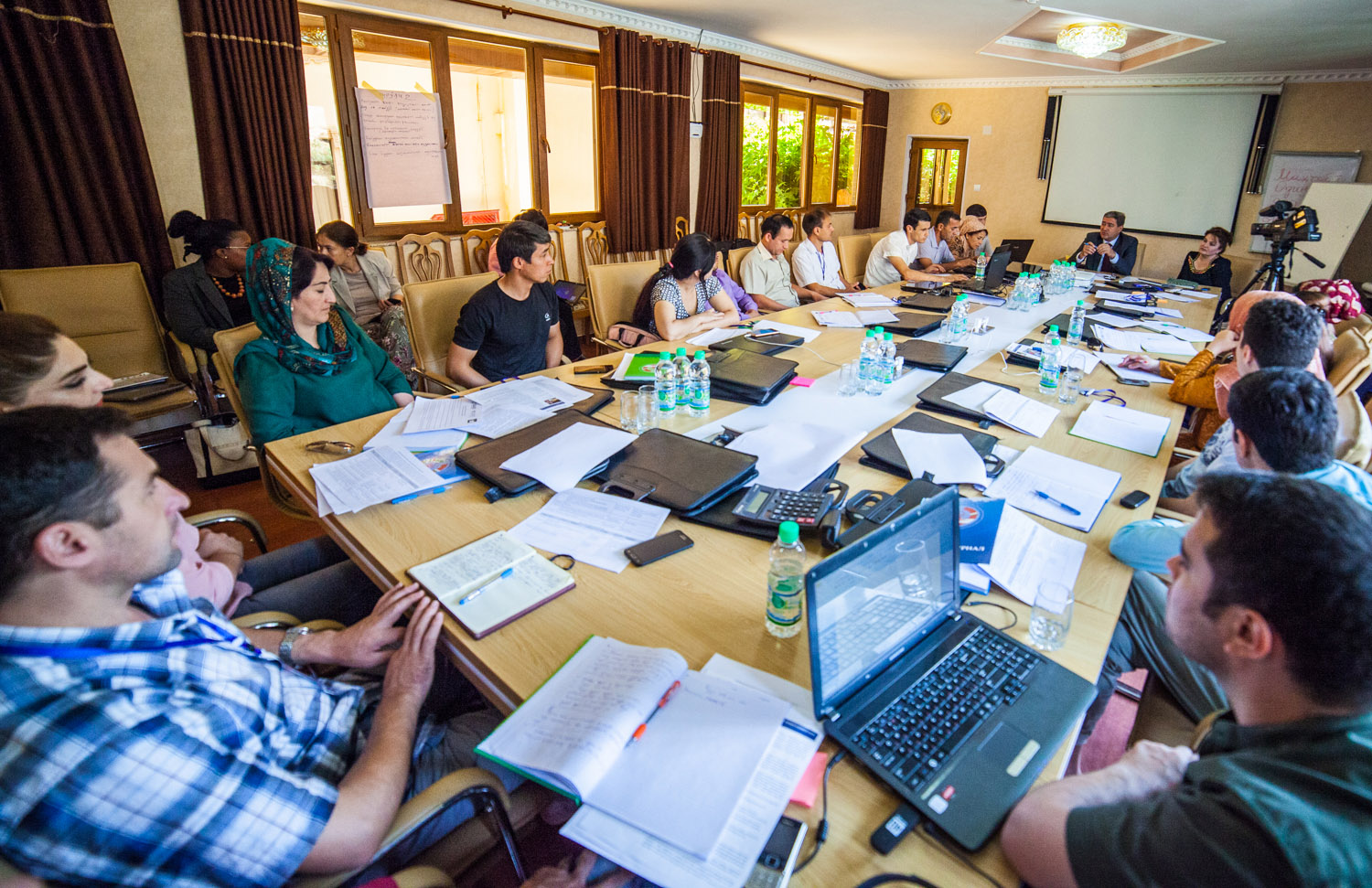
Khoja Obi Garm, July 29, 2017 – Journalists in Tajikistan have had an opportunity to sharpen their knowledge and skills with three days of intensive training that empowered them to report compellingly on nutritional issues, the Scaling Up Nutrition movement, the first 1000 days of life and their importance for lifelong nutrition, and flour fortification with essential micronutrients to improve the health of the people of Tajikistan.
The training, organized through the support of the United States Agency for International Development (USAID) with the Independent School of Journalism “Tajikistan – 21st century”, the Ministry of Health and Social Protection of the Population of the Republic of Tajikistan, and the Global Alliance for Improved Nutrition (GAIN), brought together 21 journalists working in TV, radio media, print media and news agencies across the country.
Micronutrient malnutrition is a significant challenge in Tajikistan. 22 percent of women of reproductive age and 26 percent of children under five suffer from anemia due to iron deficiency. This condition and other micronutrient deficiencies, including neurological conditions due to folate deficiency, have far-reaching consequences for the population health and economic prosperity of the country.
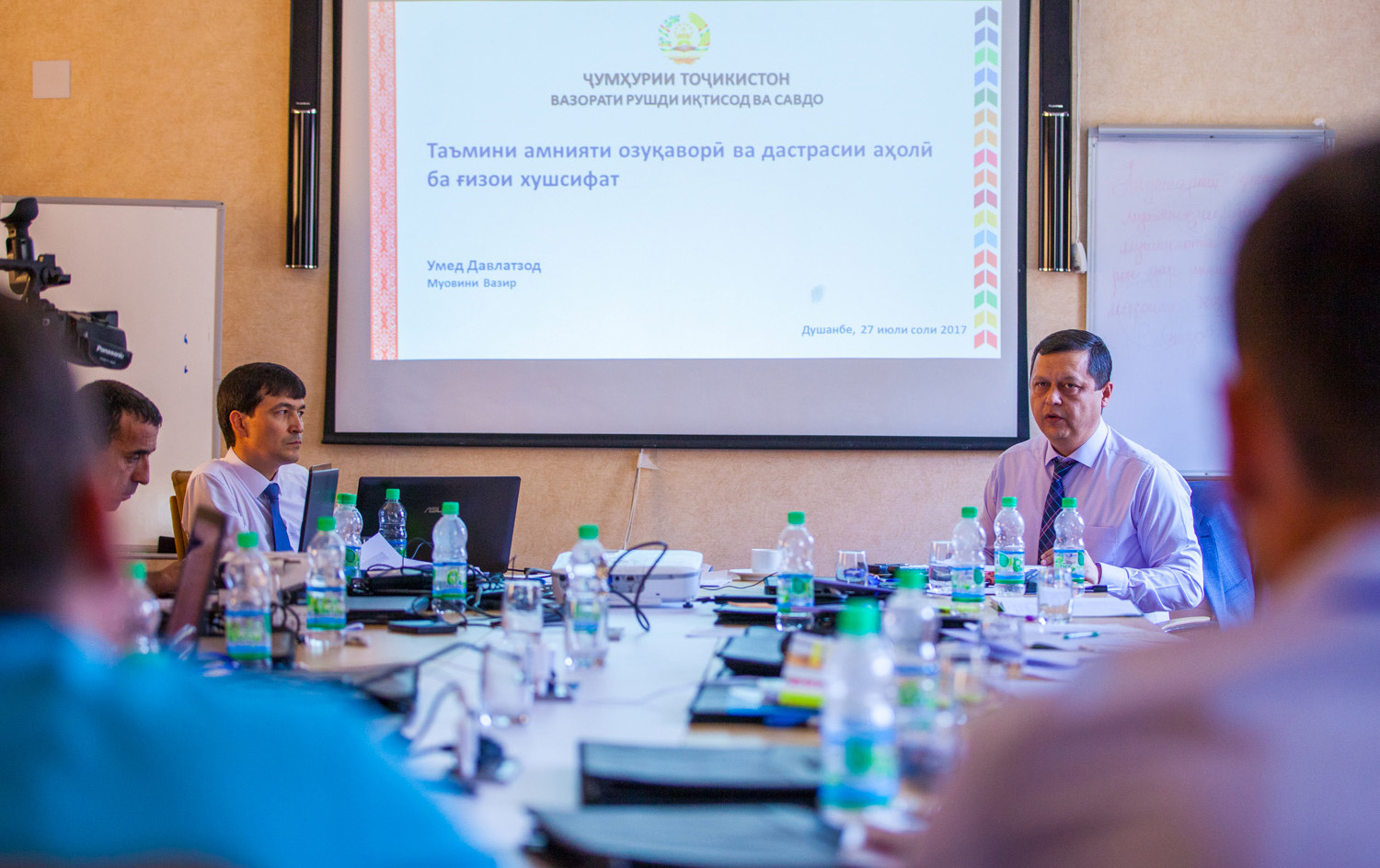
Among those speaking to journalists were the Deputy Minister of Economic Development and Trade of the Republic of Tajikistan Mr. Umed Davlatzod, representatives of the Parliament of Tajikistan Mr. Jamshed Murtazoqualov and Ms. Gulbahor Ashurzoda, representatives of the Ministry of Health and Social Protection of the Population of the Republic of Tajikistan Dr. Sherali Rahmatulloev and Dr. Pirnazar Shodmonov, and local and international nutrition experts.
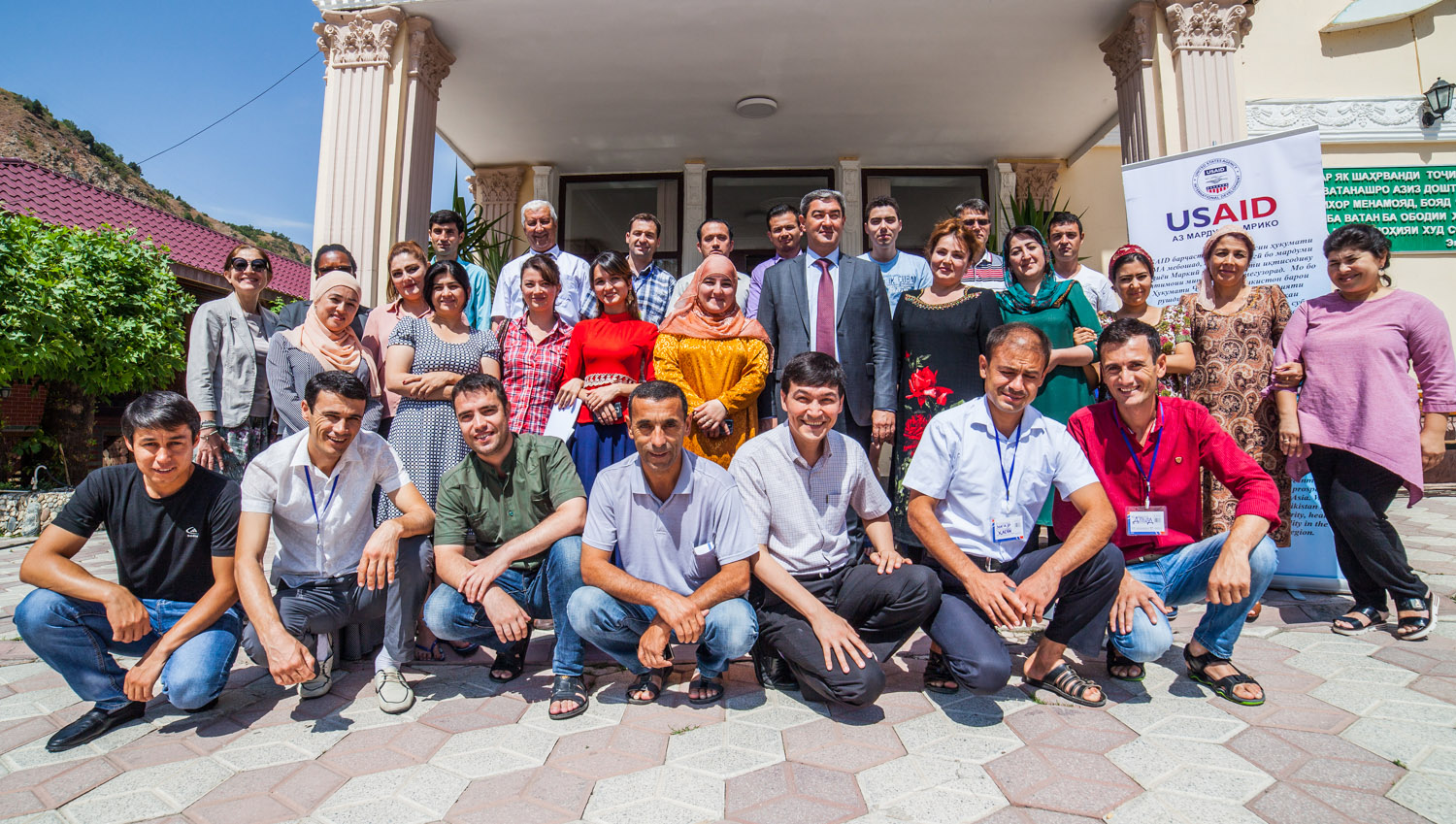
Through the USAID Technical Support for Reducing Micronutrient Deficiencies Project, journalists received hands-on training in developing effective TV, radio, print and online multimedia materials on the importance of good nutrition for population health and economic progress.
Over the past 25 years, the U.S. Embassy in Dushanbe has provided more than $1.8 billion in programs that support Tajikistan’s security, democratic institutions, social sector, and economic growth. Throughout 2017, Tajikistan and the United States will celebrate 25 years of diplomatic relations.