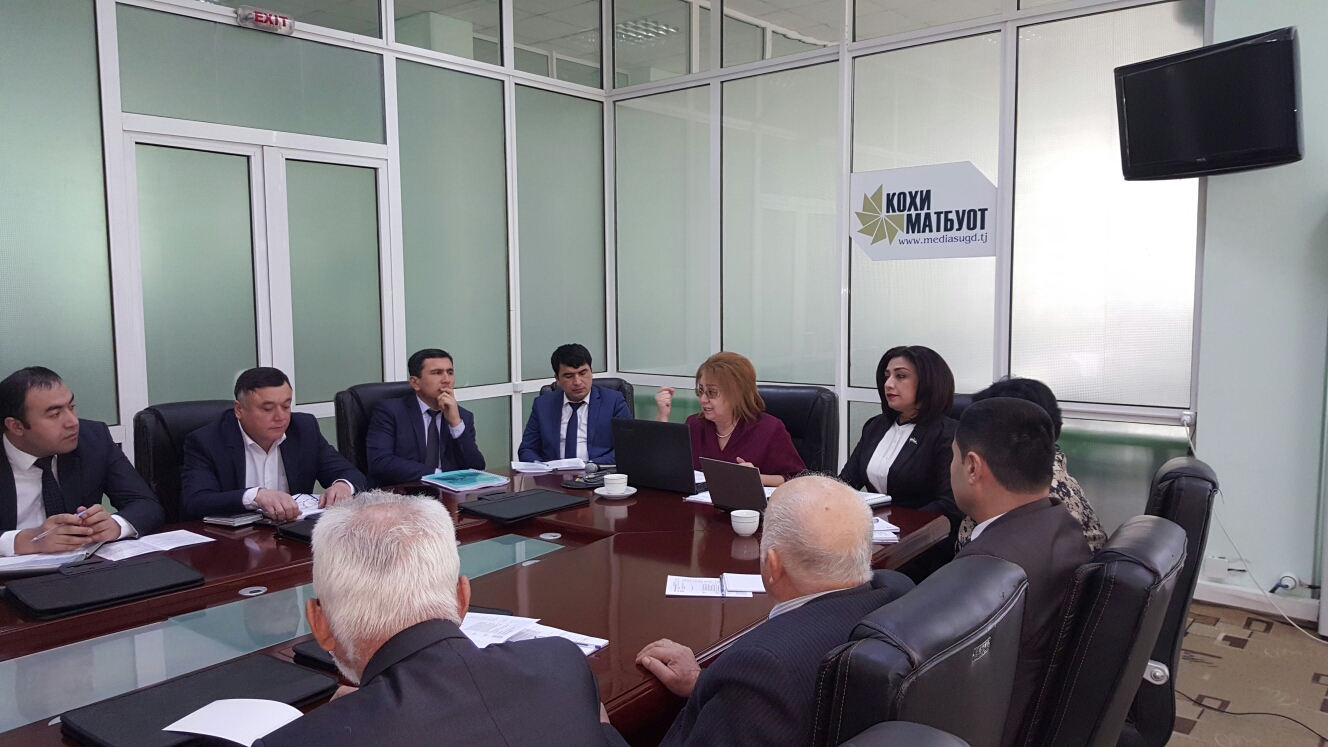
The Coalition of Civil Society Organizations “Transparency for Development and Tajikistan’s EITI Council are continuing the process of discussion of the Second National Report on Implementation of the Extractive Industries Transparency Initiative (EITI) in Tajikistan (2015-2016) with representatives of the public and interested sides.
Similar public debates have already been conducted in Khujand and Kulob. Regional administrators and representatives of mining companies as well as local non-government organizations (NGOs) and media participated in those debates.
Recall, the International EITI Board approved Tajikistan’s application for EITI Candidate status at its meeting in Oslo on February 26, 2013. As an EITI Candidate country, Tajikistan had to disclose payments from its extractives sector, and meet all the requirements in the EITI standard within 2½ years to become EITI Compliant.
The Extractive Industries Transparency Initiative (EITI) is an international organization, which maintains a standard, assessing the levels of transparency around countries’ oil, gas and mineral resources.
EITI Standard is implemented in 46 countries. It consists of a set of requirements that governments and companies have to adhere to in order to become recognized as “'EITI Compliant.” EITI is unique in terms of bringing together representatives from three different groups – private sector, civil society and Government – to work together, through the verification and full publication of company payments and government revenues from oil, gas, and mining.
Rich in natural resources, Tajikistan’s extractive sector is relatively undeveloped. Tajikistan has more than 400 deposits of gold, silver, zinc, lead, mercury, tin, uranium, oil, gas, precious stones and other minerals. It hosts one of the largest silver deposits in the world, the Bolshoi Konimansour deposit. The country places hopes on future development of extractive industries and uses EITI to attract foreign investment.