Iran will end Additional Protocol of the International Atomic Energy Agency (IAEA) on February 23, Chief of Staff of Presidential Office Mahmoud Vaezi said on Monday, according to IRNA.
Vaezi reportedly made the remarks on the sideline of an Inauguration ceremony in Tehran.
“The government is duty-bound to implement the law approved by Majlis (Parliament) on the voluntary implementation of IAEA Additional Protocol,” he added.
He said that Iran will stop its voluntary measures with regard to Additional Protocol as of February 23, in other words voluntary implementation of Additional Protocol will halt, but inspection of the International Atomic Energy Agency (IAEA) continues.
Iranian lawmakers reportedly also stressed in a statement the need for the government to stop the voluntary implementation of the IAEA Additional Protocol.
The BBC says Iran and the global nuclear watchdog, the IAEA, have agreed to temporary measures to offset Iran's decision to restrict access to inspectors.
It would enable the agency to retain the "necessary degree of monitoring and verification work", IAEA chief Rafael Grossi said, without going into detail.
It comes ahead of a deadline set by Iran to stop intrusive checks of sites unless US sanctions are lifted.
According to the BBC, Mr. Grossi told reporters on Sunday after a visit to Iran that the “temporary technical” arrangement reached between Iran and the IAEA “salvages the situation.”
“We were able to retain the necessary degree of monitoring and verification work,” IAEA chief said, without elaborating, but added: "There is less access [to Iranian sites], let's face it."
Tensions have soared since the United States left a nuclear deal with Iran in 2018.
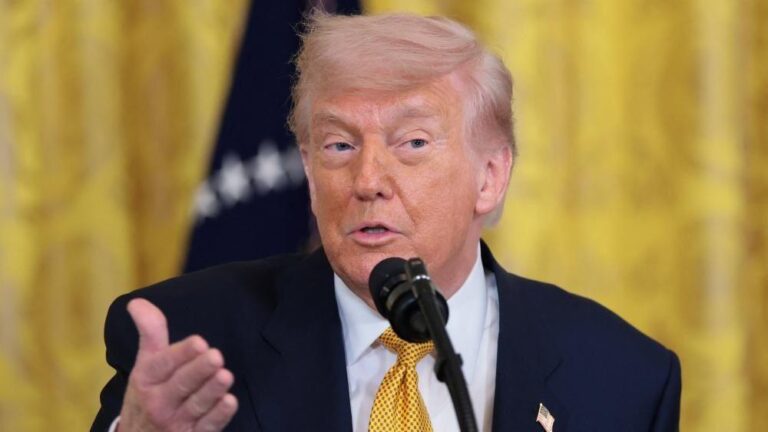
Then-President Donald Trump reimposed crippling economic sanctions to force Iran to renegotiate the accord. Iran refused and retaliated by rolling back a number of key commitments.
The crisis over Iran's nuclear program has been on the international agenda for almost 20 years. Iran says the program is for peaceful purposes, while the US and others suspect Iran has ambitions to develop nuclear weapons.