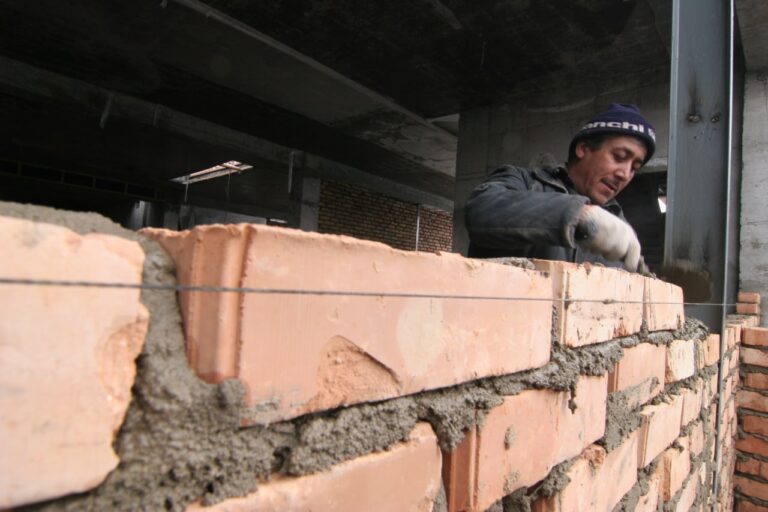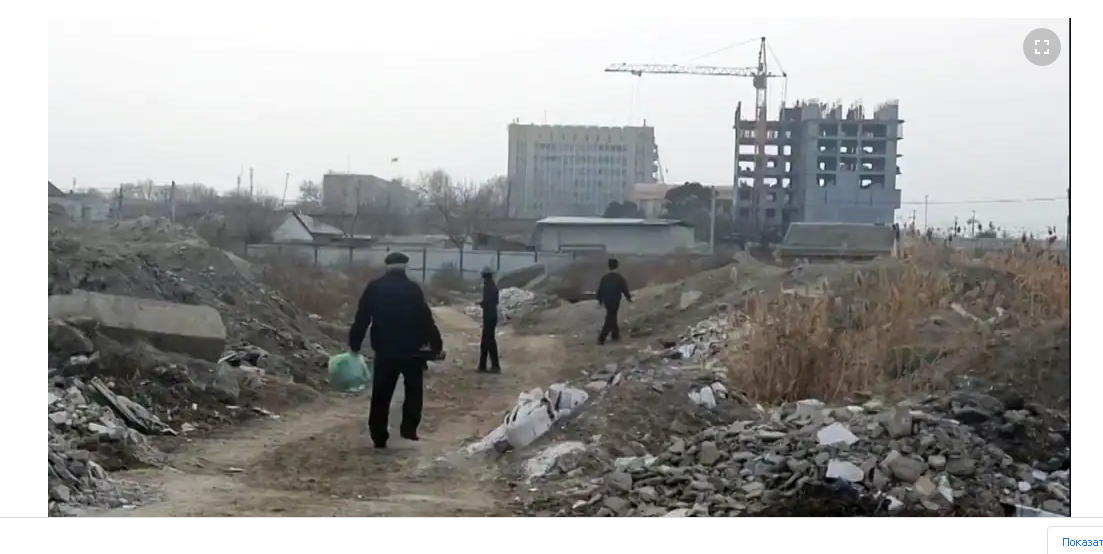
Administrators of Khujand, the capital of the northern Sughd province, and private Chinese investors had signed an agreement to build a massive residential and leisure complex called Chinatown in Khujand’s neighborhood on the banks of the Syr Darya River, replacing its one-story houses with modern apartment blocks and recreational facilities, says an article by Farangis Najibullah posted on Radio Liberty’s website.
More than 30 houses were reportedly demolished in the area when the project officially kicked off in August 2015.
The excited residents were promised new homes in Chinatown's first buildings, which authorities said would be completed within one year.
The huge project would consist of 15 residential buildings with 1,200 apartment units, a four-story school, a car park, and a string of shops and restaurants.
The project, which also included recreational and leisure facilities, was supposed to be finished in 2020.
Six years later, more than 300 people are still waiting for their new apartments while being stranded in rented homes or living with relatives.
Khujand officials say the Chinese investors abandoned the project in 2018 after complaining the area wasn't suitable for a major construction project because of its proximity to the river.
It's unknown why such a key issue wasn't checked before construction, when the land was surveyed.
Officials at the Chinese company Husnoro-1, which was in charge of building the project, haven't commented publicly since they withdrew from the project.
Several meetings were held reportedly with Khujand officials and Chinese investors in 2016 and 2018. Tajik authorities sought to appease people by saying the Chinatown project was still on track despite some unforeseen delays.
City authorities publicly acknowledged three years ago that the Chinese investors had abandoned the project. But officials didn't give a detailed explanation of what had happened or who was to blame.
They pledged to provide permanent homes for affected families and pay their rent until the new homes were ready.
In August 2020, the local government announced that new apartments were being completed in another part of the city to house the families who had lost their homes because of the project.
In February 2021, the mayor's office said the families would move into their new homes in a nine-story complex just before Navrouz marked on March 21. That deadline passed as well, with the families still without their new apartments.
Khujand city authorities are now promising to build a new residential complex — called Khujand City — with local investors. It will be just 100 meters from the site of Khujand's ill-fated Chinatown, the article says.