The Eurasian Development Bank, which groups Armenia, Belarus, Kazakhstan, Kyrgyzstan, Russia and Tajikistan, published its Macroeconomic Outlook for 2022. The analysis summarizes economic developments in the EBD member nations 2021 and provides key macroeconomic projections for the Bank’s member nations for 2022-2023.
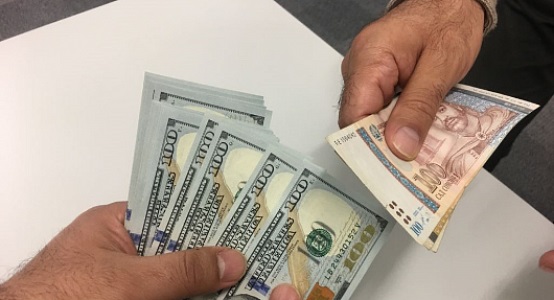
EDB experts predict devaluation of the Tajik national currency, the somoni (TJS), against the U.S. dollar (USD) in 2022.
They note that a slight strengthening of the somoni against the dollar, which was observed in the fall of this year, will be replaced by a smooth weakening in 2022.
“Otherwise, the real strengthening of the Tajik currency in conditions of higher inflation than in its major trading partners can negatively affect the state of the country's balance of payments,” reads the EDB updated forecast.
The Eurasian Development Bank (EDB) is an international financial institution promoting integration and development in its member countries. For 15 years, the Bank has worked to strengthen and broaden economic ties and foster comprehensive development in its member countries – Armenia, Belarus, Kazakhstan, the Kyrgyz Republic, Russia, and Tajikistan. The EDB's charter capital totals US$7 billion. The EDB’s portfolio mainly consists of projects with an integration effect in the areas of transport infrastructure, digitalization, green energy, agriculture, industry, and mechanical engineering. The Bank adheres to the UN Sustainable Development Goals and ESG principles in its operations.
It is to be noted that this year so far, the official exchange rate of TJS against USD has remained stable, and even strengthened a little: from 11.3:1 on November 4 to 11.29:1 on December 7.
The official exchange rate is the rate of exchange announced by a country's foreign exchange administration, usually used by countries with strict foreign exchange controls.
The market exchange rate refers to the real exchange rate for trading foreign exchange in the free market.
Local experts associate the stability of the currency in recent year with a reduction in the country's trade deficit due to the sale of precious metals.
During last year, the somoni lost 16.6 percent of its value against the U.S. dollar – from 9.69:1 on January 1, 2020 to 11.3:1 on December 31, 2020.
Last year, Tajikistan saw the sharp currency devaluation in late March, when the somoni lost nearly 5.3 percent of its value against the dollar (at the National bank rate), when an average official buying rate of USD against TJS increased from 1:9.7 in mid-March to 1:10.2 on March 30.
The NBT specialists attributed last year’s devaluation of the Tajik national currency against the dollar to impact of global and regional economic and financial processes, a negative trade balance, decline in remittances and decrease in supply in the country’s currency market.