The European Bank for Reconstruction and Development (EBRD) and Switzerland (through the State Secretariat for Economic Affairs, or SECO) are contributing to a greater sustainability of water supply and water treatment services in Tajikistan by providing fresh funds to a regional utility in Fayzobod, according to the EBRD Dushanbe Resident Office.
A long-term EBRD sovereign loan of €1.8 million and a €2.6 million capital grant from SECO will be extended to Khojagii Manziliyu Kommunali (KMK – the state holding company for public utilities) supplying water to 33,000 residents of Fayzobod, some 50 kilometers to the east of Dushanbe.
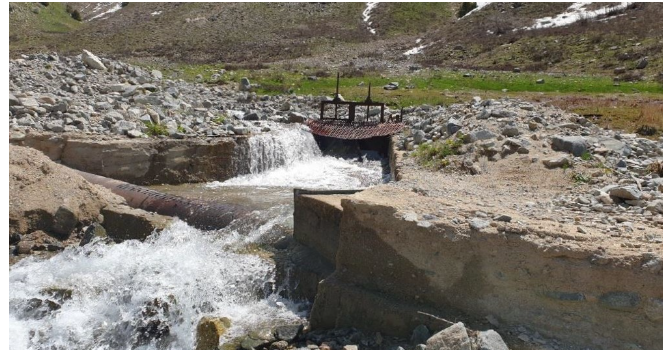
It will help rehabilitate water and wastewater infrastructure in Fayzobod and secure uninterrupted water supply for 13 neighboring communities. The proceeds of the loan will also be used to expand the existing sewage network and to upgrade wastewater treatment facilities.
Fayzobod will benefit from rehabilitated water networks, better sanitation and the installation of water meters.
Since 2004, the EBRD and its international partners, have supported 9 water sector projects covering 23 cities across Tajikistan.
The EBRD is a multilateral bank that promotes the development of the private sector and entrepreneurial initiative in 37 economies across three continents. The Bank is owned by 69 countries as well as the EU and the EIB. EBRD investments are aimed at making the economies in its regions competitive, inclusive, well-governed, green, resilient and integrated.
In Tajikistan the Bank focuses on stabilizing and rebuilding trust in the banking sector, developing private enterprises and agribusiness, improving the availability, reliability and quality of municipal services and improving the quality of energy supply, regulation and energy efficiency. To date, the EBRD has invested €854 million through 148 projects in Tajikistan’s economy.
SECO is the Swiss government`s center for all core issues relating to economic and labor market policy. SECO supports Tajikistan in several areas: strengthening of macroeconomic framework conditions and financial sector infrastructure as the basis for continued sustainable economic growth; promotion of trade and business friendly framework conditions and the improvement of the investment climate to support the development of SMEs and a sustainable export economy; and improvement of access to affordable, reliable and sustainable infrastructure as basis for economic and social development.