
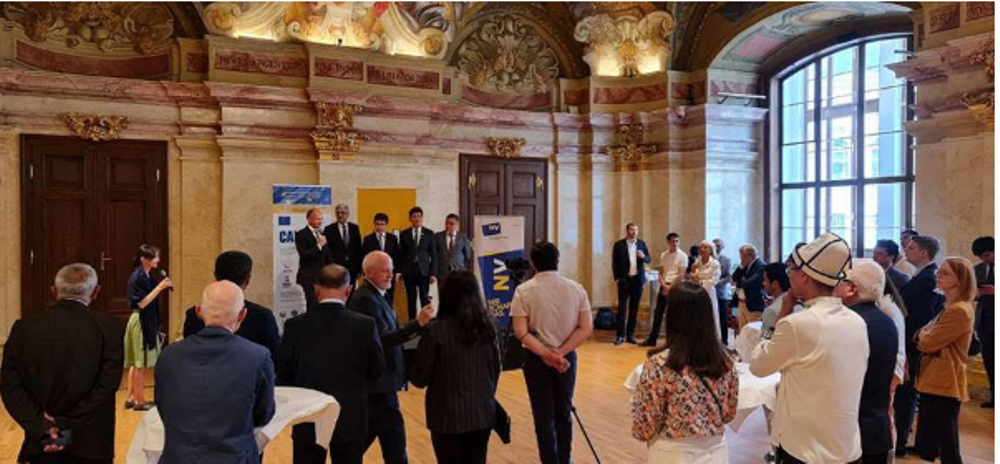
24 participants from Central Asia (Kazakhstan, Kyrgyzstan, Tajikistan and Uzbekistan), visited Austria to learn the best practices of the European Union (EU) in Agro-clustering and tools to increase recognizability of agricultural produce through the application of Geographical Indications, say press release issued by the EU Delegation to Tajikistan on July 1.
The Governments of the Central Asian countries have reportedly been paying special attention to the issues of clustering the agricultural sector over the past few years, in order to ensure the requested volumes, commercial quality and food safety of agricultural produce.
An agro-based cluster is a concentration of producers, agribusinesses and institutions that are engaged in the same agricultural or agro-industrial subsector, and interconnect and build value networks when addressing common challenges and pursuing common opportunities.
The initiative to create a regional working platform (CAWG) came from the business community of the region, and was subsequently supported by the authorized state bodies of the countries participating in the CAWG, in particular, state bodies for standardization, and export agencies. A key place in the CAWG is given to producers, processors and exporters of agricultural products, as well as representatives of industry associations.
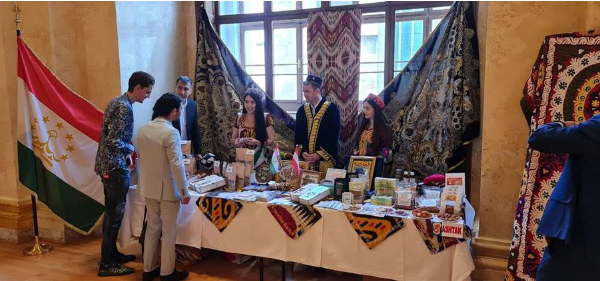
In addition, in recent years countries of the region reportedly show interest in promoting products through Geographical Indications (GI), because of the possibility of highlighting and promoting regional products as unique, which allows to increase their recognition and market value due to the interest of consumers (national, regional and international) in products due to their certain geographical origin, specific properties and characteristic associated with local traditions and production methods. It should be noted that interdepartmental national working groups on Agro-clusters and Geographical Indications with the participation of the private sector operate in the countries of the Region in order to form institutional conditions.
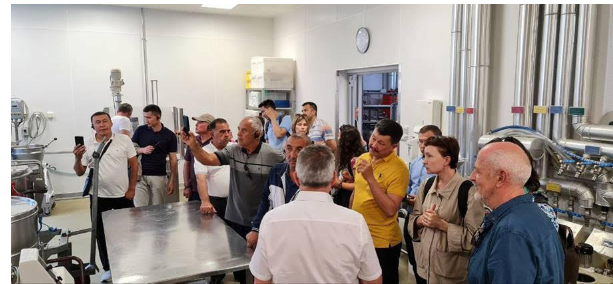
The participants of the tour had an opportunity to get acquainted with the following: clusters and cluster policy of the agro-industrial complex of Austria; national cluster support programs in Austria; AAC “Austrian Agricultural Cluster”, development and sustainability; interaction of science, education and business within clusters; policy and system in the field of branding and individualization of products through the GI “Geographical Indications”; promotion of agricultural produce and rural development through GI; the role of producer organizations in the GI system; and organizing and co-hosting a showcase event to promote exports from Central Asia to the EU.
The study tour was attended by representatives of relevant government agencies, industry associations, producers and exporters of agricultural produce in Central Asia.
The tour was organized by the “CANDY V” consortium led by the international Austrian organization Hilfswerk International within the framework of the project “Regional Integration and Capacity Building to Boost Agribusiness MSMEs Competitiveness and Trade Promotion in Central Asia”, funded by the European Union program “Central Asia – Invest V” and the Austrian Development Agency jointly with the UNDP Regional Project "Aid for Trade for Central Asia", funded by the Government of Finland.
