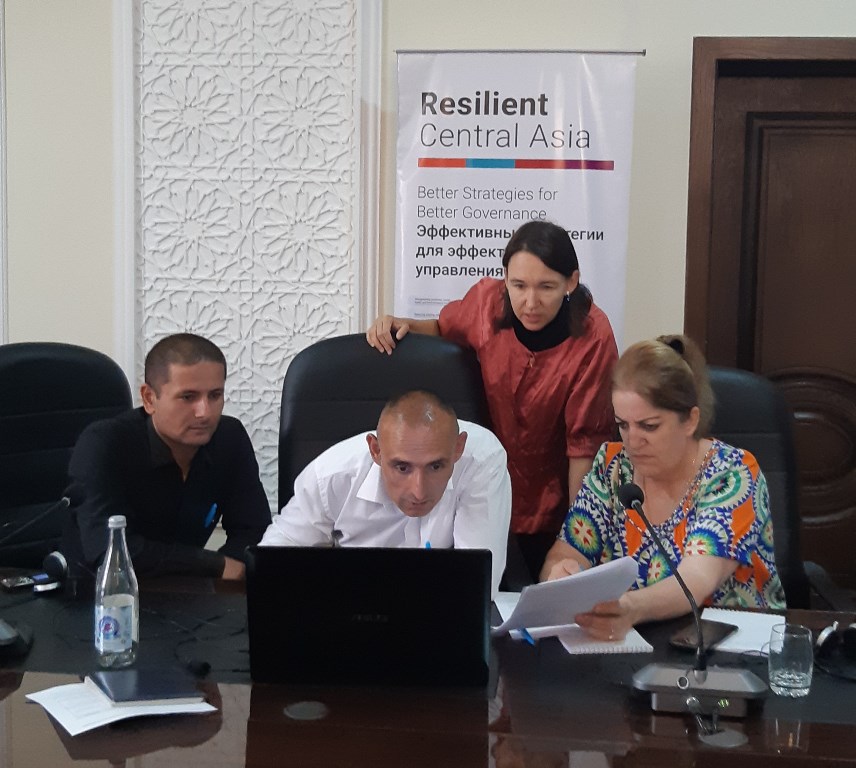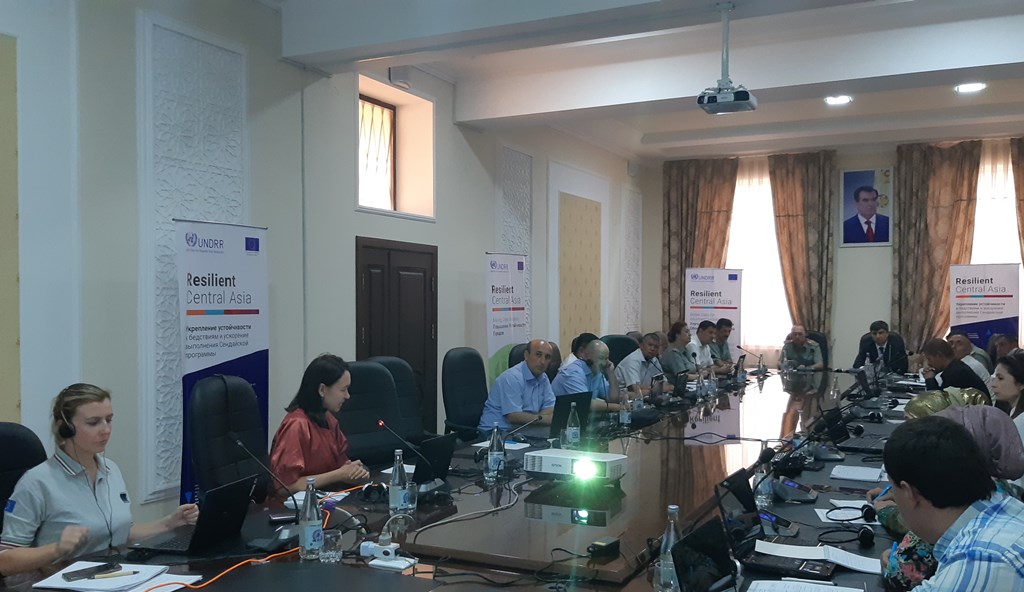
More than 20 experts from regional offices of the Committee for Emergency Situations and Civil Defense of Tajikistan participated in a training workshop on using the DesInventar-Sendai disaster information management software to record damage and losses due to disasters. The workshop was funded by the European Union (EU) and organized by the United Nations Office for Disaster Risk Reduction (UNDRR) as part of the Central Asia Initiative for strengthening disaster and climate resilience, says press release issued by UDRR on July 21.
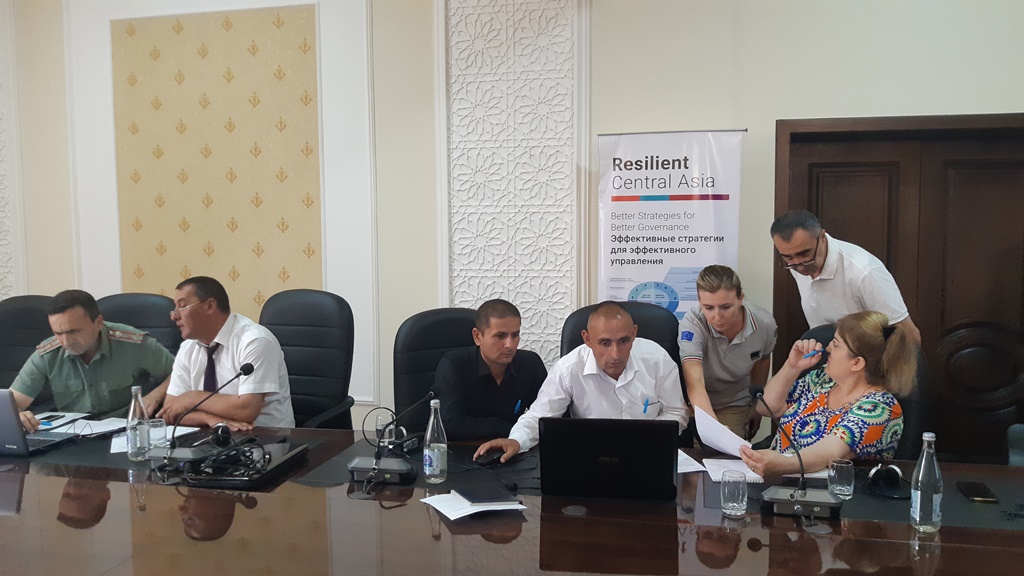
Monitoring disaster loss data is critical for disaster risk reduction, as the information allows experts to analyze trends and improve disaster preparedness, mitigation, and prevention measures. The DesInventar-Sendai system supports a dialogue on risk management and disaster risk reduction planning between all stakeholders across local to national levels. The system allows to analyse disaster trends and impacts through a large range of sectoral and socio-economical dimensions. This information supports the planning of national development programs, investment, and disaster risk reduction, and is also used in national reporting on achieving the targets of the Sendai Framework for Disaster Risk Reduction 2015-2030 through the online Sendai Monitor tool, and the wider UN Sustainable Development Goals.
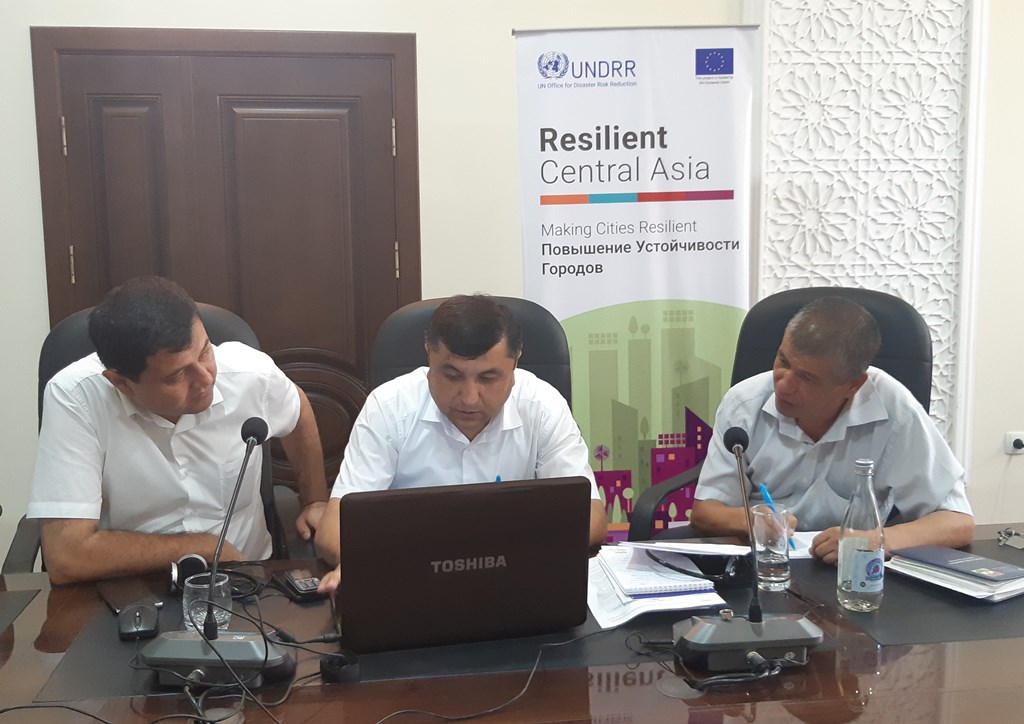
Supported by experts from the CIMA Foundation and Asian Disaster Preparedness Center (ADPC), the next step of the initiative will support the collection of historical datasets from previous disasters and will contribute to develop a risk profile based on human and economic losses reported in the country during the last decades.
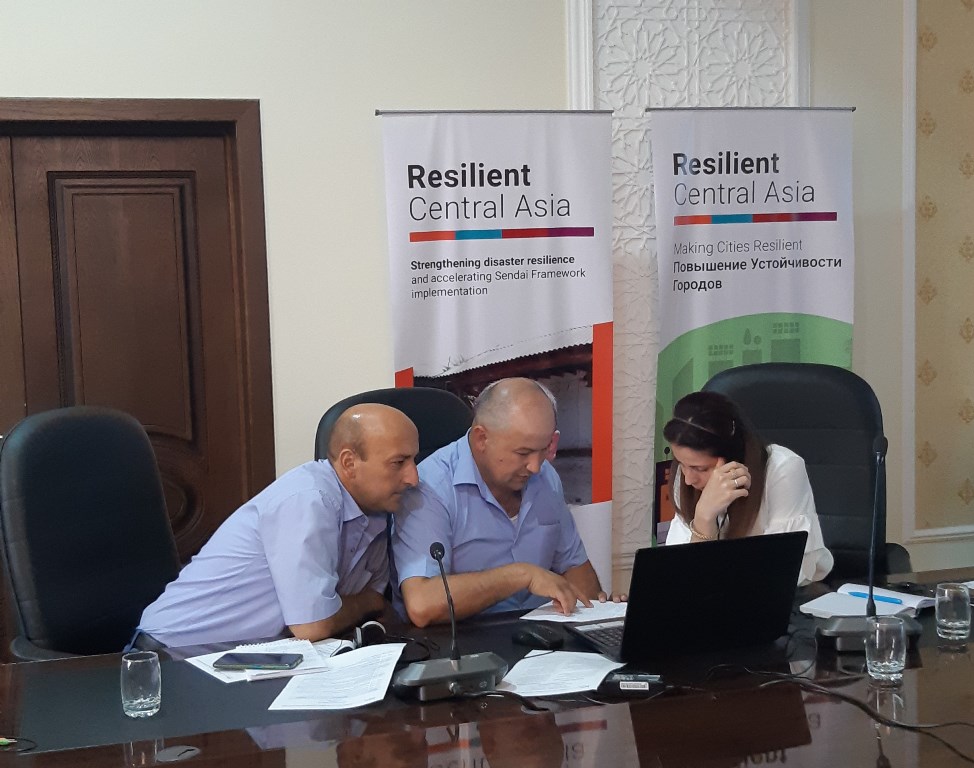
The EU-funded project “Strengthening disaster resilience and accelerating the implementation of Sendai Framework for Disaster Risk Reduction in Central Asia”, implemented by the United Nations Office for Disaster Risk Reduction (UNDRR), supports countries of the region in implementing the Sendai Framework priorities. The project supports strengthening regional coordination, development of regional DRR strategy, national disaster loss accounting systems, and community-level disaster risk reduction. On the local level, the project supports the development of disaster resilience strategies of capital cities. For this project, the EU committed EUR 3,750,000 for the three-year implementation.