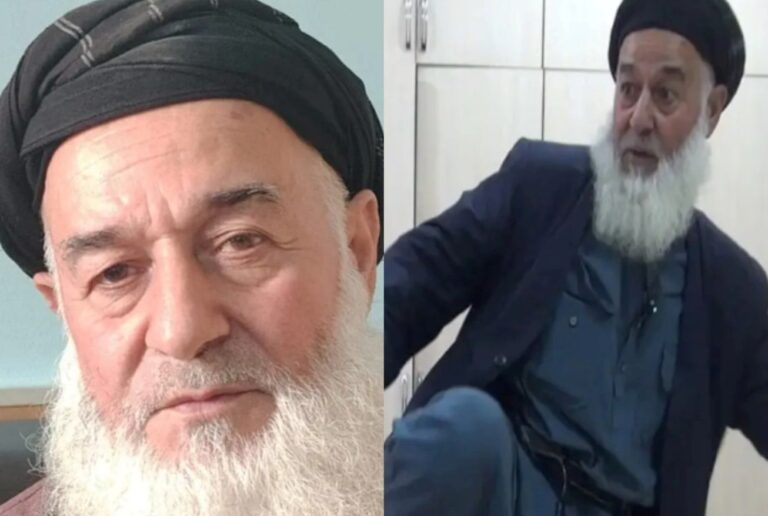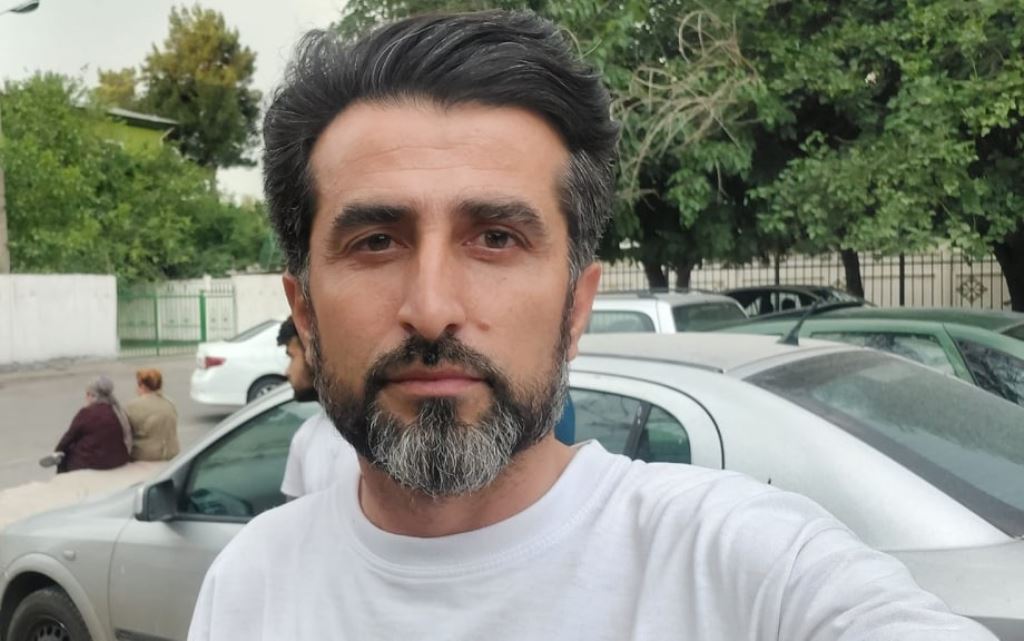
A court in Dushanbe’s Ismoili Somoni district sentenced independent journalist and blogger Abdusattor Pirmuhammadzoda to seven years in prison on December 26. The sentence followed his conviction on charges of collaboration with parties and movements banned in Tajikistan (Article 307 (3) of Tajikistan’s Penal Code).
It is to be noted that the court's ruling is identical to the prosecution's earlier demand. A prosecutor in the trial of Abdusattor Pirmuhammadzoda on December 16 asked the Ismoili Somoni court to sentence Abdusattor to a seven-year prison term.
Abdusattor’s relatives say they do not agree with the ruling and are going to appeal to a higher court.
Recall, the trial of blogger and journalist Abdusattor Pirmuhammadzoda started on October 13 behind doors.
Pirmuhammadzoda was detained in Vahdat Township on July 9. He had been charged with publicly calling for extremist activities.
Abdusattor Pirmuhammadzoda worked at the state-owned radio station Sadoi Dushanbe (Voice of Dushanbe) until 2019, when he quit after reportedly being given the choice between moderating his critical reporting and resigning.
Pirmuhammadzoda has reportedly published his personal views on free speech and alleged government injustices on his YouTube channel, where he has about 39,000 subscribers.
Thus, seven Tajik journalists and bloggers Mamadsulton Mavlonazarov, Abdulloh Ghurbati, Daler Imomali, Zavqibek Saidamini, Khoushrouz Jumayev, Ulfatkhonim Mamadshoyeva and Abdusattor Pirmuhammadzoda have been sentenced to prison terms of between seven and twenty-one years this year.
They were charged with spreading false information, participation in extremism community and collaboration with banned organization. The journalists themselves and their relatives reject these charges as absolutely unfounded.
International groups, including Human Rights Watch and the Committee to Protect Journalists (CPJ), have called on the Tajik government to release the reporters and end its campaign against the free press.
A report released by the CPJ on December 14 says arrest and conviction of independent journalists and bloggers makes Tajikistan the leading jailer in Central Asia.
The report, in particular, notes that the prisoners were tried secretly behind closed doors in detention centers, not courts, and sentenced to lengthy prison terms amid allegations of torture.
Ranked 152nd out of 180 countries in RSF's 2022 World Press Freedom Index, Tajikistan has fallen 36 places in the index since 2015.