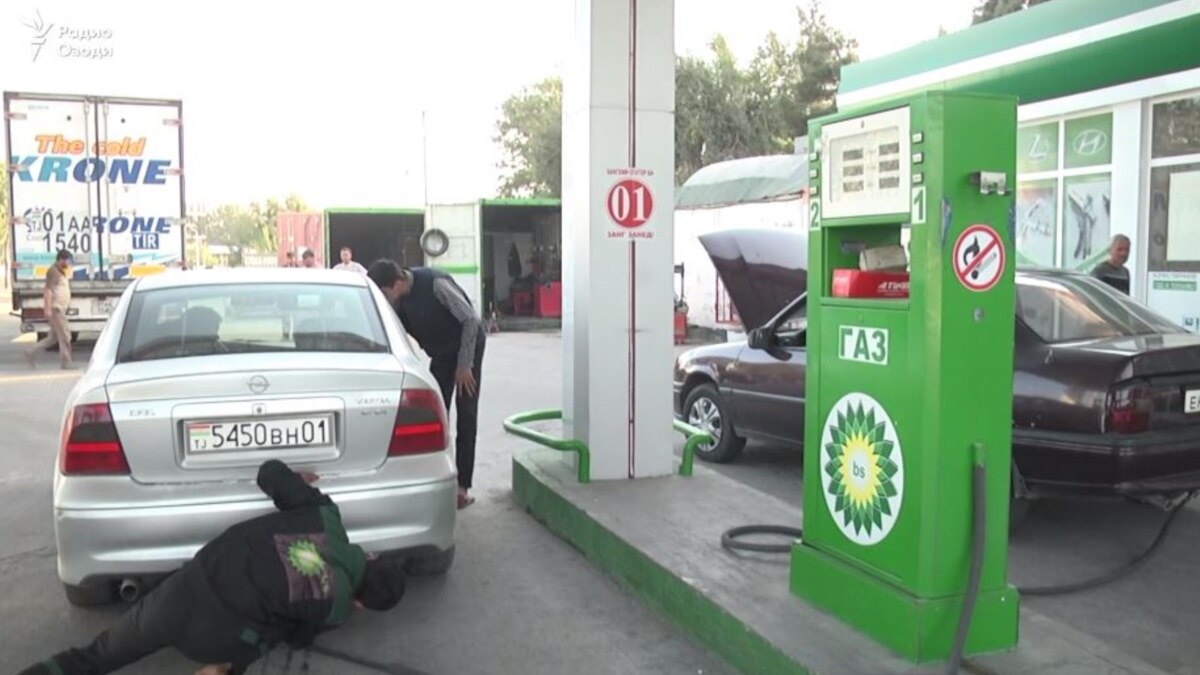
A sudden spike in liquefied natural gas (NGL) prices may lead to increase in the price basic food products in Tajikistan as more than 60 percent of motor vehicles in the country use liquefied natural gas as fuel.
Over the past four days, the price for one liter of liquefied natural gas in Dushanbe has risen 8.57 percent – from 7.00 somonis on October 13 to 7.60 somonis on October 16, with similar price rises in other parts of the country.
The LNG price hike has already led to a 20-percent increase in the price of the shared taxis running between Tursunzoda and Dushanbe: from 25.00 somonis per seat to 30.00 somonis per seat.
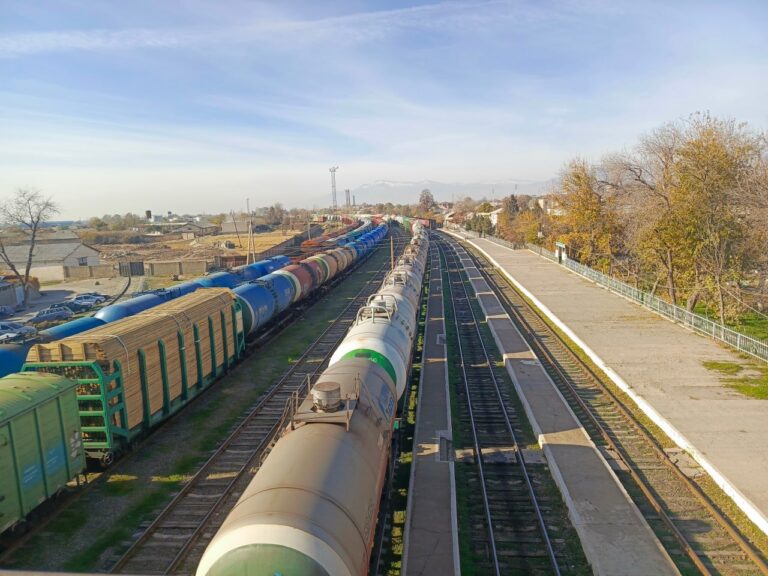
The LNG price hike has also affected cargo transportation in Tajikistan, in particular transportation of agricultural goods. Vegetable crops are being harvested now and farmers urgently need to clear the fields of crops in order to quickly prepare the land for sowing a new crop.
“If earlier we had paid 50.00 somonis for carrying our goods to Tursunzoda’s bazaars by Daewoo Labo 1-ton truck at a distance of 10-15 kilometers, now it costs 70.00 somonis,” Safar Atoyev, a farmer from Tursunzoda, told Asia-Plus in an interview.
He further noted that if drivers raise the transportation prices, farmers will also be forced to raise prices for their products.
Economists have calculated that a 30-percent increase in LNG prices will lead to 10-15-percent increase in the price of agricultural goods in the country.
Recall, Tajikistan has faced rising liquefied natural gas (LNG) prices and is looking for alternative fuel supplies as Kazakhstan has decided to temporarily halt LNG exports and Russia has released free prices for this type of fuel.
Kazakh media reports say Kazakhstan has stopped liquefied petroleum gas (LPG), propane and butane exports for the period of three years to ensure its domestic market is fully supplied.
Kazakhstan, which is Central Asia’s biggest oil producer, provides the bulk of Tajikistan’s LNG imports, accounting for about 86 percent of Tajikistan’s LNG imports.