France 24 reported on May 14 that a month ahead of the European Union (EU) elections expected to see a surge by far-right parties, the 27-nation bloc has given the final green light to a landmark overhaul of its migration and asylum policies after nearly a decade of wrangling.
Now, as the mammoth legislative package crosses the finishing line, some countries are already pushing to go further in efforts to toughen up EU policies and send more arrivals to third countries for processing.
The migration and asylum pact resulted from years of arduous negotiations spurred by a massive inflow of irregular migrants in 2015, many from war-torn Syria and Afghanistan.
Drawing criticism from both migrant rights charities and some nationalist governments, the pact both hardens the European Union's border procedures and forces all its member states to share responsibility for arrivals.
Proponents of the pact had reportedly pushed hard to force it over the finish line ahead of the EU-wide elections in June that could have seen it buried if a more right-wing parliament is chosen.
The measures are due to come into force in 2026, after the European Commission first sets out how it would be implemented.
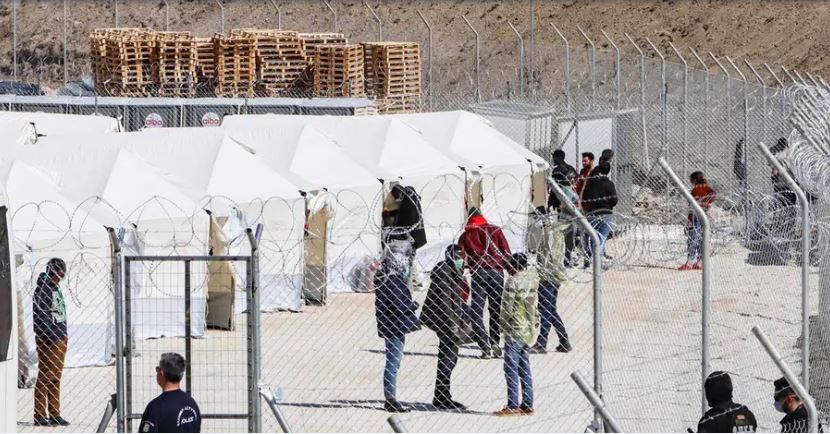
New border centers would hold irregular migrants while their asylum requests are vetted. And deportations of those deemed inadmissible would be accelerated.
The pact also requires EU countries to take in thousands of asylum-seekers from "frontline" states such as Italy and Greece, or — if they refuse — to provide money or other resources to the under-pressure nations.
At the same time as it signs off on the sweeping reforms, the EU is also stepping up its use of deals with countries of transit and origin aimed at curbing the number of arrivals.
In recent months, that has seen agreements inked with Tunisia, Mauritania and Egypt.
Italy has also struck its own accord with Albania to send migrants rescued in Italian waters to the country while their asylum requests are treated.
Furthermore, a group of countries spearheaded by Denmark and the Czech Republic are preparing to send a letter pushing for the transfer of migrants picked up at sea to countries outside the EU.
These new proposals are reportedly intended for the next EU executive, which will take office after the European elections.